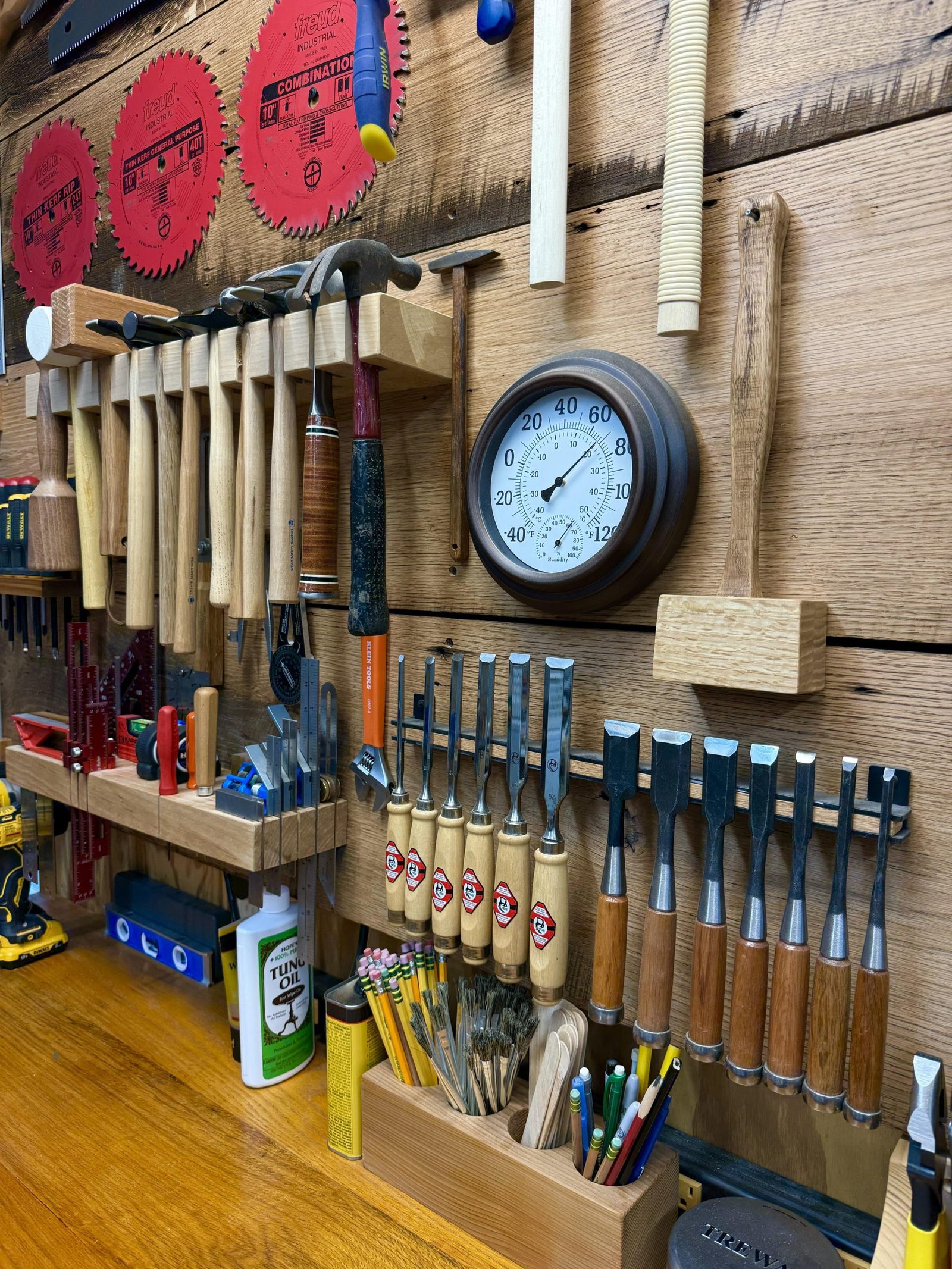
Are you tired of rummaging through cluttered toolboxes to find your favorite hammer? Imagine the ease of having your hammers neatly organized and within arm’s reach.
Wall racks offer a smart and efficient solution, transforming your workspace from chaotic to organized in no time. With just a few simple tips, you can maximize your storage space and keep your tools in pristine condition. Discover how a well-organized wall rack can save you time, boost your productivity, and bring a sense of order to your DIY projects.
Let’s dive into the secrets of hammer storage that will revolutionize your workspace.
Choosing The Right Wall Rack
Storing hammers on wall racks keeps your workspace tidy and tools easy to find. Picking the right rack helps protect your hammers and saves space.
This guide covers important points to consider before choosing a wall rack for your hammers.
Material And Durability
Choose a wall rack made from strong materials like steel or heavy-duty plastic. Metal racks last longer and hold heavy tools without bending.
- Steel racks resist rust and damage
- Plastic racks are light but may wear out fast
- Wood racks look good but need sealing to avoid damage
Size And Weight Capacity
Check the rack’s size and how much weight it can hold. Your rack should fit your hammers without crowding or risk of falling.
| Rack Size | Weight Capacity | Ideal Use |
|---|---|---|
| Small (under 12 inches) | Up to 10 lbs | Light hammers, few tools |
| Medium (12-24 inches) | 10 to 25 lbs | Standard hammers, moderate storage |
| Large (over 24 inches) | 25 lbs or more | Heavy hammers, many tools |
Mounting Options
Consider how the rack will attach to your wall. Some racks use screws, others use adhesive or hooks. Choose a method that fits your wall type and holds weight safely.
- Screws offer the strongest hold on drywall or wood
- Adhesive strips work on smooth surfaces but hold less weight
- Hooks allow easy removal and repositioning
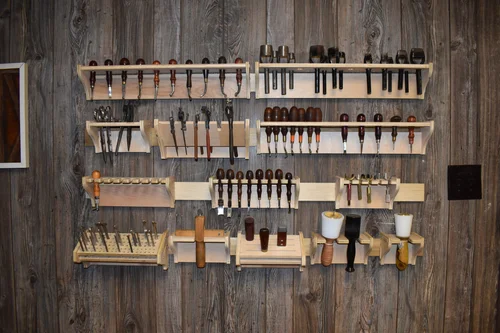
Credit: www.millercustomleathertoolco.com
Placement Strategies
Storing hammers on wall racks helps keep your workspace neat. Good placement makes tools easy to find and use.
Plan where and how you hang hammers to save space and avoid accidents. Proper placement keeps your hammers safe and ready.
Accessible Locations
Put hammers where you can reach them quickly. Choose spots near your main work areas for easy access.
Keep hammers away from busy walkways to prevent accidents. Store them where they do not block other tools or doors.
- Near your workbench or tool table
- Close to where you do most hammering
- Out of the way of foot traffic
Optimal Height
Hang hammers at a height that is easy to reach without stretching. This helps prevent strain and keeps your tools handy.
Place heavier hammers lower to avoid dropping them from high spots. Lighter hammers can go higher on the rack.
- Eye level or slightly below for quick grabs
- Lower racks for heavy tools
- Higher racks for lightweight hammers
Avoiding Clutter
Space out hammers to keep the rack tidy. Avoid piling tools on top of each other.
Use individual hooks or slots for each hammer. This stops tools from falling and makes each hammer easy to find.
- Use enough hooks for all your hammers
- Keep space between each tool
- Check regularly to remove unused tools
Organizing Hammers Efficiently
Keeping hammers on wall racks saves space and makes them easy to find.
Good organization helps protect tools and speeds up your work.
Grouping By Type And Size
Sort your hammers by type like claw, sledge, or ball-peen. Group them by size too.
- Keep small hammers together for light jobs
- Place heavy hammers in a separate area
- Group specialty hammers where you can easily reach them
Using Hooks And Holders
Hooks and holders keep hammers secure and visible on the wall rack.
| Type of Holder | Best For | Benefits |
| Single Hooks | Individual hammers | Easy access, simple installation |
| Multi-Hammer Holders | Multiple hammers | Saves space, groups tools |
| Magnetic Strips | Metal hammer heads | Quick hang and removal |
Labeling Techniques
Label spots on the rack to keep hammers in the right place.
- Use clear tags or stickers with hammer type and size
- Place labels next to hooks or holders
- Color-code labels for quick recognition

Credit: www.amazon.in
Space-saving Hacks
Storing hammers on wall racks keeps your workspace neat and tools easy to find. Using wall racks saves floor space and protects your tools from damage.
Choosing the right storage method helps you organize better. Here are some tips on how to use wall racks smartly for your hammers.
Vertical Vs Horizontal Storage
Vertical storage holds hammers by the handle with the head down. This method uses less wall space and keeps hammer heads safe.
Horizontal storage lays hammers flat or hangs them by the head. It can hold more tools but needs more wall space.
- Vertical racks save space and protect hammer heads.
- Horizontal racks offer easier access to multiple tools.
- Pick vertical if your wall space is narrow.
- Choose horizontal if you want to see all hammers at once.
Multi-tool Racks
Multi-tool racks hold hammers along with other tools like screwdrivers and pliers. They keep tools organized and easy to reach.
| Tool Type | Rack Style | Space Used |
| Hammer | Vertical or Horizontal | Low to Medium |
| Screwdriver | Slot or Peg | Low |
| Pliers | Hook or Slot | Low |
| Wrench | Magnetic or Slot | Medium |
Creative Use Of Wall Space
Use corners and narrow strips of wall for small racks. You can also hang hammers on magnets or custom hooks.
Try these ideas:
- Install hooks on the side of shelves or cabinets.
- Use magnetic strips to hold hammer heads securely.
- Hang hammers by their handles from pegboards.
- Create angled racks to keep hammers visible and stable.
Safety Tips For Wall Storage
Storing hammers on wall racks keeps your workspace neat and tools easy to find. It also helps protect your tools and prevents accidents.
Using the right safety tips ensures your hammers stay secure and do not fall or cause injury.
Secure Mounting
Make sure the wall rack is firmly attached to the wall studs. Use strong screws and anchors designed for the wall type.
Check the rack regularly to see if it is loose or damaged. Tighten or replace parts as needed to keep it safe.
Avoiding Overloading
Do not put too many hammers on one rack. Overloading can cause the rack to break or fall off the wall.
- Know the weight limit of your wall rack
- Spread out heavy tools evenly
- Use multiple racks if needed
Protective Padding
Use padding on the rack where the hammer handles or heads touch. This prevents damage to the tools and rack.
Padded areas also reduce noise and stop hammers from slipping off the rack.

Credit: www.reddit.com
Maintaining Your Hammer Rack
Keeping your hammer rack in good shape helps your tools last longer. A well-maintained rack also keeps your workspace tidy and safe.
Regular care of your hammer rack prevents damage and makes it easier to find your tools. Use simple habits to keep the rack working well.
Regular Cleaning
Clean your hammer rack often to remove dust and dirt. This stops rust and keeps the rack strong. Use a soft cloth or brush for cleaning.
- Wipe metal parts with a dry cloth
- Use mild soap and water for sticky spots
- Dry the rack completely after cleaning
- Apply a light oil to metal hooks to prevent rust
Inspecting For Damage
Check the rack regularly for signs of wear. Look for cracks, loose screws, or bent parts. Fix problems before they get worse.
| Issue | Check | Action |
| Loose screws | Test stability | Tighten with a screwdriver |
| Cracks in wood | Look for splits | Replace or repair damaged part |
| Bent hooks | Check tool fit | Bend back carefully or replace |
| Rust spots | Inspect metal surfaces | Clean and apply rust remover |
Adjusting For New Tools
As your tool collection grows, adjust the rack to fit new hammers. This keeps tools organized and easy to reach.
Use these tips to adjust your hammer rack:
- Move hooks to new positions for different hammer sizes
- Add extra hooks or holders if needed
- Make sure the rack stays balanced and secure
- Label spots for quick tool identification
Frequently Asked Questions
How Do I Safely Hang Hammers On Wall Racks?
Use sturdy hooks or clips designed for hammers. Securely fasten them to the wall rack. Ensure each hammer hangs firmly to avoid falls and damage.
What Materials Are Best For Hammer Wall Racks?
Metal and heavy-duty plastic racks provide strong support. Wood racks offer durability and aesthetic appeal. Choose materials based on weight capacity and workshop style.
Can I Store Different Hammer Types On One Rack?
Yes, wall racks can hold claw, ball-peen, and sledge hammers. Use adjustable hooks or compartments to organize various sizes safely and efficiently.
How Do I Organize Hammers For Quick Access?
Arrange hammers by size or frequency of use. Label hooks or sections to improve visibility. Keep commonly used hammers at eye level for convenience.
Conclusion
Storing hammers on wall racks saves space and keeps tools ready. Choose strong racks and place hammers within easy reach. Keep the area tidy to avoid accidents and damage. Regularly check racks for wear to stay safe. Simple steps make your workspace organized and efficient.
Use these tips to keep your hammers neat and secure. Easy storage means faster work and less hassle. Small changes bring big benefits to your workshop.