Are you tired of cluttered workspaces and misplaced tools? Imagine being able to find exactly what you need, when you need it.
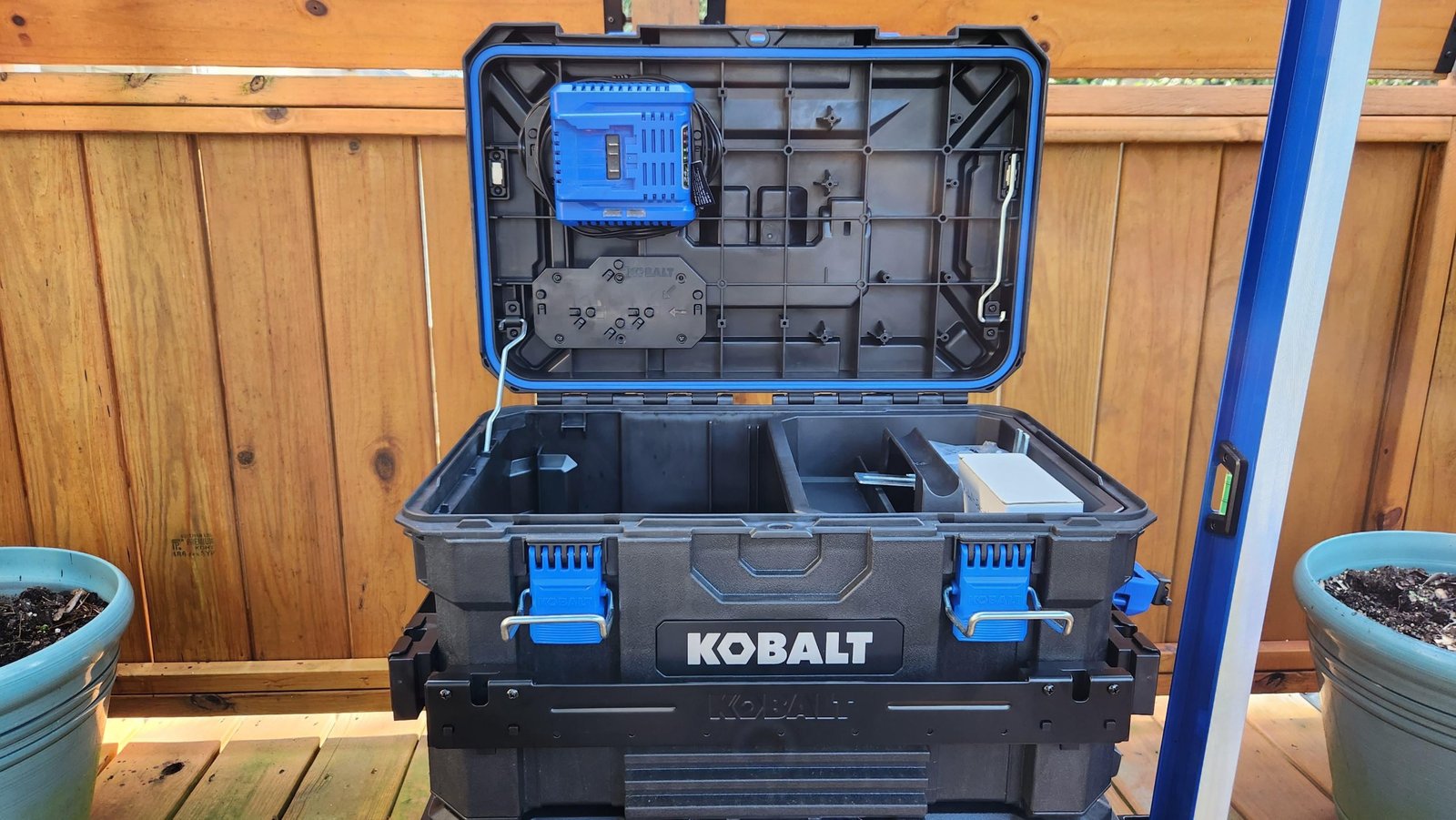
Stackable tool boxes could be the game-changer you’ve been searching for. These innovative storage solutions not only help you organize your tools efficiently but also make transporting them a breeze. Whether you’re a DIY enthusiast or a professional contractor, having your tools neatly stacked and readily accessible can boost productivity and reduce frustration.
In this guide, you’ll discover how to maximize the potential of stackable tool boxes, ensuring your tools are always at your fingertips and your workspace remains tidy and efficient. Keep reading to transform your organizational skills and make your life a whole lot easier.

Credit: www.amazon.com
Choosing The Right Stackable Tool Boxes
Stackable tool boxes help keep your tools organized and easy to carry. Picking the right one depends on your needs and work style.
Consider the material, size, and security features. These factors affect how well your tools stay safe and how easy it is to use the boxes.
Material And Durability
Tool boxes come in different materials like plastic, metal, and composite. Each offers different levels of strength and weight.
- Plastic boxes are lightweight and resist rust but can crack under heavy use.
- Metal boxes are strong and durable but may be heavier and prone to rust.
- Composite materials combine strength and lightness, often resisting damage well.
Size And Capacity Options
Choose a size that fits your tool collection and workspace. Too small means no room for tools. Too big adds weight and takes space.
| Size | Best For | Notes |
| Small | Hand tools and accessories | Easy to carry, less capacity |
| Medium | General tool storage | Balanced size and capacity |
| Large | Power tools and big items | Heavy but holds many tools |
Locking Mechanisms And Security
Security keeps your tools safe from theft and damage. Look for sturdy locks and secure latches.
- Simple latch locks offer basic closure.
- Padlock holes allow added lock security.
- Built-in combination locks provide keyless security.
- Heavy-duty locks increase protection for expensive tools.

Credit: www.protoolreviews.com
Organizing Tools By Category
Keeping your tools organized helps you find them fast. Sorting tools by type saves time and effort.
Stackable tool boxes make sorting easy. You can group tools so your work stays neat and simple.
Separating Hand Tools And Power Tools
Hand tools and power tools work differently. Keep them in separate boxes to avoid damage.
Hand tools fit well in small boxes. Power tools need bigger boxes with strong support.
- Put screwdrivers, pliers, and wrenches in one box
- Store drills, sanders, and saws in another box
- Keep batteries and chargers with power tools
Using Compartments And Dividers
Compartments keep tools from moving around. Dividers separate small parts like screws and nails.
You can adjust dividers to fit different tool sizes. This saves space and prevents clutter.
- Use small compartments for nails, screws, and bolts
- Use larger sections for hammers and tape measures
- Adjust dividers for custom storage needs
Labeling For Quick Access
Labels help you find tools without opening every box. Use clear, simple labels on each box.
Label compartments inside boxes for faster sorting. This keeps everything in its place.
- Write tool names on the box lids
- Label compartments inside the boxes
- Use color codes for tool categories
Stacking Techniques For Stability
Stacking tool boxes correctly helps keep them stable and safe. It prevents tipping and makes your workspace tidy.
Using the right techniques can protect your tools and save space. Follow these tips for better stacking.
Aligning Tool Boxes Properly
Place tool boxes so their edges line up exactly. This helps keep the stack steady and stops boxes from sliding.
Check that boxes fit well together. Avoid stacking uneven sizes without support.
- Match box edges carefully
- Use boxes with the same width
- Keep the stack vertical and even
Weight Distribution Tips
Put heavier tool boxes at the bottom of the stack. Light boxes go on top to avoid tipping.
Balance the weight evenly from side to side. This keeps the stack from leaning.
- Place the heaviest boxes first
- Keep middle and top boxes lighter
- Spread weight evenly across the base
Using Anti-slip Features
Anti-slip pads or mats add friction between stacked boxes. This stops boxes from sliding off each other.
Look for tool boxes with built-in anti-slip edges. These help keep the stack secure.
- Use rubber or silicone pads between boxes
- Check for textured surfaces on box lids
- Keep stacking surfaces clean and dry
Maximizing Space In Work Areas
Stackable tool boxes help keep work areas tidy and organized. They save space by stacking vertically instead of spreading out.
Using these tool boxes makes it easier to find tools and keeps the workspace safe and clear.
Vertical Storage Benefits
Stacking tool boxes uses vertical space well. It frees up floor space for other tasks and equipment.
Vertical storage also keeps tools visible and easy to access. You can see what you need without opening every box.
- Reduces clutter on workbenches
- Keeps tools organized by type or size
- Makes cleaning the work area easier
Portable Stacks For Job Sites
Stackable tool boxes are easy to carry to job sites. You can take only the boxes you need and stack them for transport.
Portability helps save time and effort. It also protects tools from damage during travel.
- Lightweight for easier carrying
- Secure locks keep tools safe
- Handles allow easy lifting
Customizing Stacks For Different Tasks
You can arrange stackable tool boxes based on the job type. Different tools fit in different boxes to match your work.
Custom stacks make it simple to find tools quickly and keep similar items together for each task.
- Separate boxes for hand tools, power tools, and accessories
- Label boxes for easy identification
- Use inserts or dividers for small parts
Maintaining And Cleaning Tool Boxes
Keeping your stackable tool boxes clean and in good shape helps them last longer. Proper care also protects your tools inside.
This guide covers how to check for damage, clean your boxes, and keep moisture away.
Routine Inspection For Damage
Regularly inspect your tool boxes to find any cracks, dents, or broken parts. Early detection can prevent bigger problems later.
- Look for cracks in plastic or metal surfaces.
- Check hinges and locks for smooth operation.
- Ensure handles are secure and not loose.
- Examine stacking edges for wear or damage.
Cleaning Materials And Methods
Use mild cleaning agents and soft cloths to clean your tool boxes. Avoid harsh chemicals that can damage the surface.
| Material | Recommended Cleaning Method | Materials to Avoid |
| Plastic | Wipe with warm water and mild soap, then dry. | Abrasive cleaners, strong solvents. |
| Metal | Use a damp cloth and mild detergent, dry immediately. | Steel wool, bleach, acidic cleaners. |
| Handles and Locks | Clean with a brush and lubricate if needed. | Water soaking, harsh sprays. |
Protecting Tools And Boxes From Moisture
Moisture can cause rust and damage both tools and boxes. Take steps to keep everything dry.
- Store tool boxes in a dry, well-ventilated area.
- Use silica gel packs or moisture absorbers inside boxes.
- Wipe tools dry before putting them away.
- Check seals on boxes and replace if worn.
Enhancing Efficiency With Accessories
Stackable tool boxes become more useful with the right accessories. These add-ons help keep tools organized and protected. They also save time when you need to find a specific item quickly.
Using accessories properly can improve your workflow and keep your workspace neat. This guide explains some key ways to enhance your tool boxes.
Adding Tool Organizers And Trays
Tool organizers and trays divide your tool box into smaller sections. This helps separate different tools and parts. You can choose organizers for screws, nails, or small hand tools.
- Plastic trays with compartments for small items
- Stackable trays to increase storage space
- Removable organizers for easy cleaning
- Customizable dividers to fit your tools
Using Foam Inserts For Protection
Foam inserts protect delicate tools by holding them firmly in place. They prevent damage from banging or shifting during transport. You can cut foam to fit each tool perfectly.
| Type of Foam | Best Use | Benefits |
| Pick and Pluck Foam | Custom shapes | Easy to customize |
| Closed-Cell Foam | Water resistance | Protects from moisture |
| Open-Cell Foam | Cushioning | Soft and shock absorbing |
Integrating Labels And Inventory Systems
Labels and inventory systems help track tools inside your boxes. You can label trays or compartments clearly. This speeds up finding tools and checking stock levels.
- Use color-coded labels for different tool types.
- Keep a digital or paper list of all tools and locations.
- Update inventory after each use to avoid missing tools.

Credit: www.nytimes.com
Frequently Asked Questions
What Are Stackable Tool Boxes Used For?
Stackable tool boxes organize and store tools efficiently. They save space and keep tools easily accessible. Users can customize stacks based on their needs. They are ideal for workshops, garages, and mobile tool storage.
How Do I Choose The Right Stackable Tool Box?
Consider size, durability, and storage compartments when selecting a stackable tool box. Look for secure locking mechanisms and portability features. Choose materials that withstand your work environment, such as heavy-duty plastic or metal.
Can Stackable Tool Boxes Improve Tool Organization?
Yes, stackable tool boxes help separate tools by type or project. They reduce clutter and speed up tool retrieval. Their modular design allows easy access and keeps tools protected from damage.
Are Stackable Tool Boxes Durable And Long-lasting?
Most stackable tool boxes are built from robust materials like reinforced plastic or metal. They resist impact, moisture, and wear. Proper care and maintenance extend their lifespan, making them a reliable storage solution.
Conclusion
Stackable tool boxes help keep your tools neat and easy to find. They save space and allow quick access to what you need. Choose boxes that fit your tools and stack well for stability. Label each box for faster work.
This simple system makes your projects smoother and less stressful. Start organizing today and enjoy a tidy workspace every time.