Are you tired of that annoying squeak every time you use your drill press? Is the performance not as smooth as it used to be?
You might be overlooking a crucial maintenance step—lubrication. Knowing how to properly lubricate your drill press can extend its life, improve efficiency, and save you from costly repairs. Imagine a tool that works seamlessly every time you need it, without the frustration of unexpected breakdowns.
In this guide, we’ll show you how to keep your drill press in top condition with simple lubrication techniques. Stick around, and you’ll discover tips that will transform the way you care for your tools, making your work easier and more enjoyable.
Credit: www.bosch-professional.com
Choosing The Right Lubricant
Lubricating your drill press keeps it running smoothly. Picking the right lubricant helps avoid damage and wear.
Different lubricants suit different drill press parts. Learn what types work best and what to consider.
Types Of Lubricants
There are several common lubricants used for drill presses. Each type fits specific needs and parts.
- Machine Oil:Thin oil that reduces friction on moving parts.
- Grease:Thick lubricant for heavy load areas like gears and bearings.
- Dry Lubricants:Powders that reduce friction without attracting dirt.
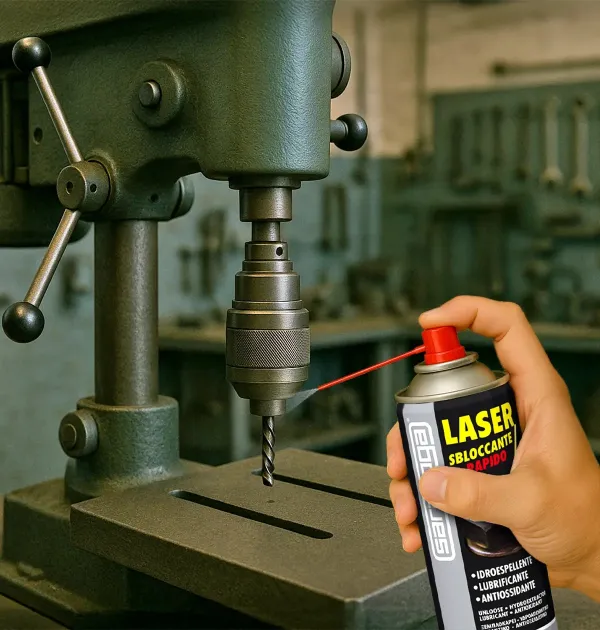
- WD-40:Mainly a water displacer; not best for long-term lubrication.
Factors To Consider
Choosing lubricant depends on many factors. These include the drill press type and working conditions.
| Factor | What to Check |
| Temperature | Choose lubricant that handles heat well |
| Speed | Thin oils work better for fast-moving parts |
| Load | Grease suits heavy load areas |
| Exposure | Dry lubricants good for dusty or dirty places |
| Compatibility | Use lubricant safe for metal and plastic parts |
Preparing The Drill Press
Before you lubricate a drill press, you need to prepare it properly. Proper preparation helps the lubricant reach all important parts.
Preparation includes cleaning and taking apart some parts. This makes the lubrication process more effective and safer.
Cleaning Components
Start by cleaning the drill press parts. Remove dust, dirt, and old grease. This stops dirt from mixing with the new lubricant.
Use a soft cloth or brush to clean gears, shafts, and other moving parts. You can also use a mild cleaner if needed.
- Wipe the base and column
- Clean the spindle and chuck
- Remove dust from pulleys and belts
- Check for rust and clean it off
Disassembling Key Parts
Take apart key parts to reach areas that need lubrication. This includes removing the chuck and spindle covers.
Use tools like wrenches or screwdrivers carefully. Keep track of screws and small parts so you can reassemble easily.
- Remove the drill chuck
- Take off spindle covers
- Loosen belts if needed
- Access gears inside the head
Lubrication Points
Lubricating your drill press keeps it working smoothly. Regular oiling stops parts from wearing out fast. Focus on key spots for best results.
Use the right oil or grease. Clean old dirt before adding new lubricant. This helps the parts move without friction or damage.
Spindle And Chuck
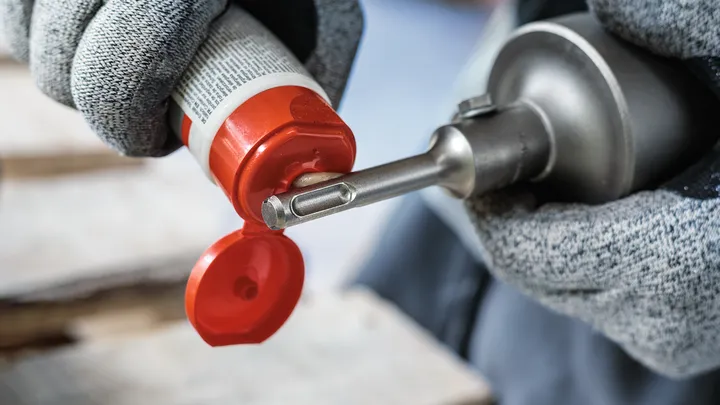
The spindle and chuck hold the drill bit in place. They need light oil to turn easily. Avoid using too much oil to stop dirt build-up.
- Apply a few drops of oil to the spindle shaft.
- Lubricate the chuck jaws for smooth opening and closing.
- Clean any excess oil to prevent dust sticking.
Gears And Bearings
Gears and bearings handle the drill press motion. Proper grease keeps them from grinding or overheating. Check these parts often for wear.
| Part | Lubricant Type | Frequency |
|---|---|---|
| Gears | Thick grease | Every 3 months |
| Bearings | Light machine oil | Every month |
Quill And Feed Mechanism
The quill moves the drill bit up and down. The feed mechanism controls speed and pressure. Both need smooth, light lubrication to work well.
- Apply oil to the quill shaft and inside the quill sleeve.
- Grease the feed rack and pinion gears lightly.
- Wipe off old grease before adding new lubricant.
Credit: www.woodworkingtalk.com
Application Techniques
Lubricating a drill press is key to keep it running smoothly. Proper application techniques help prevent damage and improve performance.
Using the right lubricant and amount is important. This guide explains how to apply oil and grease and avoid over-lubrication.
Using Oil And Grease
Oil is best for fast-moving parts like the spindle and quill. It reduces friction and prevents rust.
Grease works well on gears and bearings. It stays in place longer and protects from wear.
- Use a light machine oil for smooth parts
- Apply grease sparingly on gears and bearings
- Clean old lubricant before applying new
- Follow the drill press manual for specific lubricant types
Avoiding Over-lubrication
Too much lubricant can attract dust and dirt. This causes damage and reduces machine life.
Apply just enough oil or grease to cover parts. Wipe off any extra to keep the drill press clean.
- Use small amounts of lubricant at a time
- Check parts after lubrication for excess
- Remove extra lubricant with a clean cloth
- Lubricate regularly but moderately
Maintenance Schedule
Lubricating your drill press is important to keep it working well. A good maintenance schedule helps prevent damage.
Regular checks and deep lubrication keep the machine running smoothly and extend its life.
Daily Checks
Perform daily lubrication checks before using the drill press. Look for dry or noisy parts.
Apply a small amount of light machine oil to moving parts like the spindle and quill. Wipe away excess oil.
- Check spindle bearings for smooth movement
- Lubricate the quill and feed handles
- Inspect belts and pulleys for wear
- Clean dust and debris from lubrication points
Periodic Deep Lubrication
Every few months, perform deep lubrication on your drill press. This stops buildup and rust.
Use grease and oil recommended by the manufacturer. Focus on gearboxes, bearings, and shafts.
- Disassemble parts as needed to access gears
- Clean old grease and dirt from components
- Apply fresh grease to bearings and gears
- Oil shafts and moving joints thoroughly
- Reassemble and test the drill press for smooth operation
Troubleshooting Common Issues
Lubricating drill presses keeps them running smoothly. If you face problems, proper lubrication may fix them. This guide helps you solve common issues related to lubrication.
Check each problem carefully and follow the tips to maintain your drill press. Regular care extends the machine’s life and improves safety.
Noisy Operation
Noise often means the drill press needs lubrication. Dry or worn parts create extra sound during use. Dirt can also cause noise.
- Clean the machine before applying lubricant.
- Use the recommended lubricant for bearings and gears.
- Apply lubricant evenly to all moving parts.
- Check belts and pulleys for wear or damage.
Stiff Movement
Stiff parts make the drill press hard to operate. Lack of lubrication or old grease can cause stiffness. Dirt and rust also block smooth movement.
| Cause | Solution |
| Old or dry grease | Remove old grease and re-lubricate |
| Dirt buildup | Clean parts thoroughly before lubricating |
| Rust on metal parts | Use rust remover and apply lubricant |
| Worn bearings | Replace bearings if lubrication does not help |
Excessive Wear
Wear happens faster without proper lubrication. It damages parts and lowers machine life. Lubrication cuts friction and prevents wear.
Follow these tips to reduce wear:
- Lubricate all moving parts regularly as per manufacturer’s guide.
- Use the correct lubricant type and amount.
- Inspect parts often for signs of wear or damage.
- Replace worn parts immediately to avoid further damage.
Safety Tips During Lubrication
Lubricating drill presses keeps them working smoothly and lasts longer. Safety is important during lubrication to avoid accidents and injuries.
Follow safety steps carefully to protect yourself and the machine. Use proper tools and techniques for safe lubrication.
Power Disconnection
Always disconnect the power before starting lubrication. This prevents the drill press from turning on by mistake.
- Switch off the machine at the main power source.
- Unplug the drill press from the electrical outlet.
- Use lockout/tagout devices if available to secure the power switch.
- Double check that the machine cannot start before you begin lubrication.
Proper Handling Of Lubricants
Choose the right lubricant and handle it carefully to avoid spills and skin contact. Follow manufacturer instructions for use.
| Safety Tip | Details |
|---|---|
| Wear Gloves | Protect your hands from chemicals and dirt. |
| Use Clean Tools | Prevent contamination of lubricant and machine parts. |
| Store Lubricants Properly | Keep containers sealed and away from heat or flames. |
| Clean Spills Immediately | Prevent slips and equipment damage. |
| Dispose of Waste Correctly | Follow local regulations for lubricant disposal. |
Credit: www.saratoga.it
Frequently Asked Questions
How Often Should I Lubricate A Drill Press?
Lubricate your drill press every 6 months or after 100 hours of use. Regular lubrication prevents wear and keeps parts running smoothly.
What Type Of Lubricant Is Best For Drill Presses?
Use a high-quality machine oil or grease designed for metal tools. Avoid using WD-40 as a primary lubricant; it’s mainly a cleaner.
Which Drill Press Parts Need Lubrication?
Focus on the spindle, quill, chuck, and feed handles. Lubricate moving parts to reduce friction and prevent rust or corrosion.
Can I Lubricate A Drill Press While Running?
No, always turn off and unplug the drill press before lubricating. This ensures safety and allows proper application of lubricant.
Conclusion
Keeping your drill press well-lubricated helps it run smoothly. Regular oiling prevents wear and extends the machine’s life. Clean old grease before applying new lubricant. Use the right type of oil for best results. Check moving parts often and add lubricant as needed.
A well-maintained drill press works safer and more quietly. Small efforts keep your tool in top shape. Simple steps make a big difference over time. Start caring for your drill press today for better performance tomorrow.