Are you ready to tackle your next construction project with ease and efficiency? A cordless drill might just be your new best friend.
Imagine a tool that combines power, convenience, and versatility, all in one compact package. Whether you’re building a deck, hanging drywall, or assembling furniture, understanding how to use a cordless drill effectively can transform your DIY experience. In this guide, you’ll discover practical tips and expert insights designed to boost your confidence and enhance your skills.
Don’t let a lack of experience hold you back—empower yourself with the knowledge to master any task. Ready to revolutionize your construction projects? Let’s dive in and unlock the full potential of your cordless drill.
Choosing The Right Cordless Drill
Picking the right cordless drill is important for construction projects. You need a tool that fits your work style and tasks.
This guide covers battery types, drill sizes, and key features to help you choose well.
Battery Types And Power
Cordless drills use different battery types. Each type affects power, weight, and charging time.
- Nickel-Cadmium (NiCd):Durable but heavy. They lose charge if not used often.
- Nickel-Metal Hydride (NiMH):Lighter than NiCd but shorter life span.
- Lithium-Ion (Li-Ion):Most common. Light, powerful, and holds charge longer.
Power is measured in volts. Higher volts mean more torque and speed. Choose a voltage that fits your project needs.
Drill Sizes And Weight
Drills come in different sizes and weights. A heavy drill tires your arm fast. A smaller drill is easy to handle but less powerful.
| Drill Size | Weight | Best For |
|---|---|---|
| Compact | 2-3 lbs | Light tasks, tight spaces |
| Mid-Size | 3-5 lbs | General use, most projects |
| Heavy-Duty | 5+ lbs | Large projects, tough materials |
Key Features To Consider
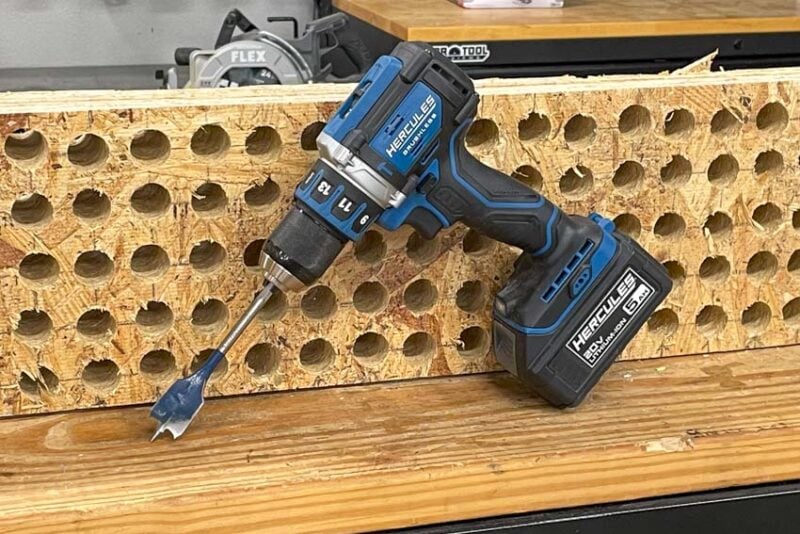
Some features make drills easier and safer to use. Look for these when choosing a drill.
- Variable speed control for better drilling precision
- Keyless chuck for quick bit changes
- Ergonomic grip to reduce hand fatigue
- LED light to see dark work areas
- Battery indicator to track charge levels
Credit: www.protoolreviews.com
Essential Drill Bits For Construction
Cordless drills work best with the right drill bits. Choosing the correct bits makes your work easier and safer.
This guide explains types of drill bits, how to pick them for materials, and how to care for them.
Types Of Drill Bits
There are many drill bit types. Each type fits a specific job or material. Here are common types used in construction:
- Twist bits:Used for wood, metal, and plastic. They are the most common type.
- Masonry bits:Made for drilling into bricks, stone, and concrete.
- Spade bits:Flat bits good for quickly drilling large holes in wood.
- Hole saws:Create big, round holes in wood or drywall.
- Brad point bits:Designed for precise wood drilling with less splintering.
Selecting Bits For Different Materials
Pick drill bits based on the material you will drill. Using the wrong bit can damage the material or the bit.
| Material | Best Drill Bit | Tip |
| Wood | Twist bit, Spade bit, Brad point bit | Use brad point for clean holes |
| Metal | High-speed steel twist bit | Use cutting oil to cool the bit |
| Masonry | Masonry bit with carbide tip | Use hammer drill mode if available |
| Plastic | Twist bit | Drill slowly to avoid cracking |
Maintaining And Replacing Bits
Keep drill bits sharp and clean for best results. Dull bits can cause accidents or poor work.
- Clean bits after use to remove debris.
- Sharpen bits with a file or sharpening tool if they get dull.
- Replace bits if they are bent, cracked, or too worn.
- Store bits in a dry place to avoid rust.
Preparing For Safe Operation
Using a cordless drill safely helps prevent accidents. Proper preparation makes your work easier and safer.
Before starting, check your equipment and set up your workspace carefully. Follow safety rules to protect yourself.
Safety Gear And Precautions
Wear safety gear to protect your eyes, hands, and ears. This reduces the chance of injury while drilling.
- Use safety goggles to protect your eyes from dust and debris
- Wear gloves to improve grip and protect your hands
- Use ear protection if noise levels are high
- Wear closed-toe shoes to protect your feet
- Keep loose clothing and hair away from the drill
Inspecting Your Drill
Check your drill before each use. Look for damage or wear that could cause problems.
- Ensure the battery is fully charged and fits securely
- Check the drill bit for cracks or dullness
- Test the trigger and switches to confirm they work well
- Look for any loose parts or unusual sounds
- Clean dust and dirt from the drill body and vents
Setting Up Your Workspace
Prepare a clean and organized area to work. This helps prevent accidents and improves efficiency.
- Clear the workspace of clutter and obstacles
- Make sure there is enough light to see clearly
- Secure the material you will drill into using clamps or a vise
- Keep the drill and battery away from water or wet surfaces
- Plan your work area to avoid tripping hazards
Effective Drilling Techniques
Using a cordless drill correctly makes construction work easier. Good drilling skills help you finish tasks faster and safer.
Learn how to hold the drill, control its speed, and drill at the right angle and depth for best results.
Proper Grip And Stance
Hold the drill firmly with both hands. Use your dominant hand on the handle and the other to support the front.
Stand with your feet shoulder-width apart. Keep your body balanced and close to the work surface for control.
- Keep your wrist straight to avoid strain
- Position your body behind the drill for stability
- Hold the drill steady before starting
Controlling Speed And Pressure
Start drilling at low speed to make a guide hole. Increase speed as the bit enters the material smoothly.
Apply steady pressure. Push just enough to keep the drill bit moving without forcing it.
- Too much pressure can damage the drill bit
- Too little pressure slows the work
- Adjust speed for different materials like wood or metal
Drilling At Angles And Depths
Hold the drill perpendicular for straight holes. Tilt the drill for angled holes as needed by your project.
Use a depth stop or tape on the bit to drill to the correct depth. This prevents drilling too deep.
- Check the angle with a square or protractor
- Mark the drilling depth on the bit with tape
- Slow down near the target depth to avoid damage
Maximizing Battery Life
Using a cordless drill for construction projects depends on good battery care. Proper use helps your battery last longer and work better.
Follow simple tips to keep your drill’s battery healthy and ready for work every day.
Charging Best Practices
Charge your battery fully before the first use. Avoid letting it drain completely before charging again.
Use the charger that comes with your drill. Fast chargers may heat the battery and reduce its life.
- Charge batteries at room temperature
- Unplug charger after battery is full
- Do not overcharge or leave batteries on the charger
Managing Power During Projects
Use the drill at the right speed and power for the task. Avoid pushing too hard, as this drains the battery faster.
Take breaks to let the battery cool down. Overheating lowers battery performance and shortens its life.
- Use lower speed for light tasks
- Rest the drill if it feels hot
- Keep a spare battery charged and ready
Storage Tips For Batteries
Store batteries in a cool, dry place. Avoid places with high heat or cold, like garages or cars.
Remove batteries from the drill when not in use. Keep them partially charged for long storage periods.
- Charge batteries to about 50% before storage
- Check and recharge batteries every few months
- Keep batteries away from metal objects to prevent shorts

Credit: www.lowes.com
Troubleshooting Common Issues
Using a cordless drill can speed up construction projects. Sometimes, it may stop working or act strangely. This guide will help you fix common problems.
Knowing how to troubleshoot saves time and keeps your project on track. Read the tips below for quick fixes.
Drill Won’t Start
If your drill does not start, check the battery first. A dead or loose battery is a common cause. Also, ensure the drill is switched on and the trigger is pressed firmly.
- Make sure the battery is fully charged
- Remove and reinsert the battery to secure connection
- Check the trigger switch for dirt or damage
- Inspect the motor brushes for wear
- Look for blown fuses or tripped circuit breakers
Unusual Noises Or Vibrations
Strange noises or strong vibrations can mean parts are loose or worn. Stop using the drill to avoid damage or injury. Tighten any loose screws or parts.
| Problem | Cause | Solution |
| Grinding noise | Worn gears | Replace gears or service drill |
| Excessive vibration | Imbalanced bit | Change or tighten bit |
| Clicking sounds | Loose parts | Tighten screws and fittings |
Bit Slipping And Jamming
Bits that slip or jam reduce work quality and can break the drill. Make sure the chuck is tight and the bit is the right size.
Tips to Fix Bit Slipping and Jamming:
- Open the chuck fully before inserting the bit
- Clean debris from the chuck and bit
- Use bits designed for your drill type
- Do not force the drill if it jams; reverse the bit gently
- Lubricate the chuck if it feels stiff
Maintenance For Longevity
Keeping your cordless drill in good shape helps it last longer. Proper care prevents problems and saves money on repairs.
Regular maintenance is simple and ensures your drill works well on every project.
Cleaning Your Drill
Clean your drill after each use. Remove dust, dirt, and debris to avoid damage.
- Wipe the drill body with a dry cloth
- Use a soft brush to clean vents and crevices
- Remove bits and clean the chuck area
- Do not use water or harsh chemicals
Lubrication And Parts Check
Lubricate moving parts to reduce wear. Check for loose or worn parts before each job.
| Part | Maintenance Action |
| Chuck | Apply light oil monthly |
| Battery contacts | Clean with dry cloth |
| Trigger switch | Check for smooth operation |
| Fasteners | Tighten screws and bolts |
When To Seek Professional Repair
Some problems need expert help. Get professional repair if your drill has these issues:
- Battery will not charge
- Drill stops working suddenly
- Unusual noise or smoke
- Overheating during use
- Damaged or cracked casing

Credit: www.youtube.com
Advanced Tips For Efficiency
Using a cordless drill can speed up construction projects. Learning advanced tips helps you work smarter. Efficiency saves time and effort on site.
This guide covers attachments, tool combos, and drilling hacks. Each section offers practical advice to improve your workflow.
Using Attachments And Accessories
Attachments add versatility to your cordless drill. They let you handle different tasks without switching tools. Choose the right accessory for each job.
- Use a right-angle attachment to reach tight spaces.
- Try a sanding drum for smoothing wood surfaces.
- Use a mixing paddle for paint or cement mixing.
- Attach a hole saw for cutting large holes quickly.
- Use drill bit extenders to reach deep or awkward spots.
Combining Tools For Complex Tasks
Some tasks need more than one tool working together. Combining your cordless drill with other tools can make jobs easier and faster.
| Tool Combination | Purpose | Tip |
|---|---|---|
| Drill + Impact Driver | Fast drilling and strong fastening | Use drill for pilot holes, impact driver for screws |
| Drill + Clamps | Hold materials steady | Clamp before drilling to avoid slipping |
| Drill + Level | Ensure straight holes | Use a bubble level attachment on drill |
Time-saving Drilling Hacks
Save time on your projects with these drilling tips. Small changes can make your work quicker and cleaner.
- Mark drill spots clearly with a pencil or punch.
- Use a clamp to hold pieces in place before drilling.
- Pre-drill pilot holes to prevent wood from splitting.
- Keep drill bits sharp for faster cutting.
- Use variable speed to adjust drilling power.
Frequently Asked Questions
What Are The Benefits Of Using A Cordless Drill?
Cordless drills offer portability, convenience, and ease of use. They eliminate cord restrictions, allowing work in tight spaces. Modern batteries provide long run times and quick charging. These features make cordless drills ideal for construction projects and DIY tasks.
How To Choose The Right Cordless Drill For Construction?
Consider power, battery life, and torque when selecting a cordless drill. Look for brushless motors for efficiency and durability. Choose models with adjustable speed settings and ergonomic design. These factors ensure the drill meets your project’s demands effectively.
How To Maintain A Cordless Drill For Longevity?
Regularly clean the drill and remove dust after use. Charge batteries properly and store them in a cool, dry place. Inspect parts for wear and replace if needed. Proper maintenance extends the drill’s lifespan and ensures consistent performance.
What Safety Tips Should I Follow Using A Cordless Drill?
Always wear safety goggles and gloves during operation. Secure your workpiece and maintain a firm grip on the drill. Avoid loose clothing and keep hair tied back. Following these tips reduces the risk of injury on construction sites.
Conclusion
Using a cordless drill makes construction work easier and faster. It saves time and effort on every project. Always choose the right drill for your task. Keep the battery charged and tools well maintained. Practice safety by wearing protective gear and working carefully.
With these tips, your projects will go smoothly. Enjoy the convenience and power of your cordless drill. Ready to build? Let your drill help you get the job done right. Simple, practical, effective.