Ever tried assembling furniture only to find yourself tangled in a mess of screws and frustration? You’re not alone.
A power screwdriver can be your best ally in turning chaos into order. Imagine effortlessly piecing together that flat-pack furniture with precision and ease. With the right tips, you can master the art of using a power screwdriver, saving time and energy while ensuring a sturdy, professional finish.
Curious to know how you can transform your DIY projects with this handy tool? Stick around, because we’re about to unlock the secrets to making your furniture assembly a breeze.
Choosing The Right Power Screwdriver
Using a power screwdriver can make furniture work easier and faster. Picking the right one helps you get the job done well.
Different power screwdrivers fit different tasks. Knowing what to look for saves time and effort.
Types Of Power Screwdrivers
Power screwdrivers come in several types. Each type suits certain jobs better than others.
- Cordless Screwdrivers:Battery-powered and easy to carry around.
- Corded Screwdrivers:Plug into a power outlet for constant energy.
- Impact Drivers:Provide extra power for tough screws.
- Fixed Torque Screwdrivers:Limit force to avoid over-tightening.
Key Features To Consider
Some features make a power screwdriver better for furniture tasks. Think about what you need before buying.
- Torque:Higher torque helps drive screws into hard wood.
- Speed Settings:Multiple speeds give better control.
- Ergonomic Design:Comfortable grip reduces hand fatigue.
- Bit Compatibility:Works with many screw types and sizes.
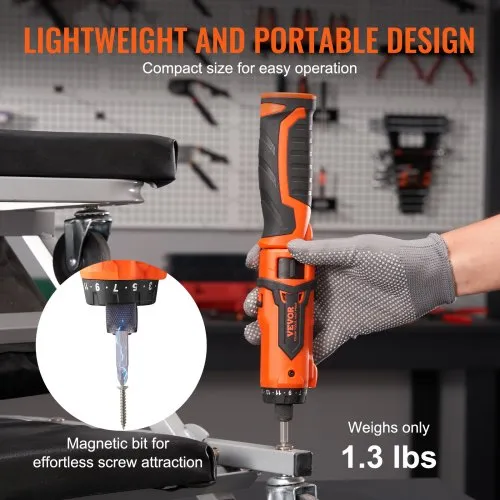
- Weight:Lighter tools are easier to handle for long periods.
Battery Vs. Corded Models
Battery-powered models offer freedom to move around. Corded models provide steady power without recharging.
- Battery Models:Portable, but battery life limits use time.
- Corded Models:Unlimited run time but need a power outlet nearby.
- Choose battery if you work in different places.
- Choose corded for long projects near power sources.

Credit: www.amazon.com
Preparing Your Workspace
Getting ready before using a power screwdriver helps you work faster and safer. A clean and organized workspace makes the job easier.
Take time to prepare your area. This will reduce mistakes and keep you safe.
Organizing Tools And Materials
Gather all tools and parts before starting. Keep them close so you don’t waste time searching.
Arrange screws, drill bits, and the power screwdriver in a neat order. This helps you find what you need quickly.
- Sort screws by size and type
- Place tools on a clean surface
- Keep extra batteries handy
- Use small containers for tiny parts
Ensuring Proper Lighting
Good lighting helps you see clearly. It prevents mistakes like wrong screw placement or damage to furniture.
Use natural light or bright lamps. Avoid shadows on your work area to keep your view clear.
- Work near a window during the day
- Use a desk lamp with adjustable brightness
- Position lights to avoid glare
Safety Precautions
Safety is important when using a power screwdriver. Protect yourself and others around you.
Wear safety glasses and keep fingers clear of the drill bit. Check your tools before use to avoid accidents.
- Wear eye protection
- Keep hair and loose clothes away
- Use the right screwdriver bit for screws
- Unplug or turn off the tool when not in use
Selecting The Correct Screwdriver Bit
Using the right screwdriver bit is important for furniture work. It helps you drive screws easily and avoids damage.
Choosing the correct bit saves time and keeps your tools and furniture in good shape.
Common Bit Types For Furniture
Furniture screws often need special bits. Here are common types you will use:
- Phillips:Has a cross shape. Fits most furniture screws.
- Flathead:A flat, straight blade. Used for simple screws.
- Torx:Star-shaped. Provides extra grip and prevents slipping.
- Hex:Hexagon shaped. Common for Allen screws in furniture.
Matching Bit Size To Screws
Using the right bit size is as important as the type. A wrong size can strip the screw head.
| Bit Type | Common Sizes | Screw Types |
| Phillips | 0, 1, 2, 3 | Small to medium screws |
| Flathead | 3mm, 5mm, 6mm | Simple slotted screws |
| Torx | T10, T15, T20, T25 | Star screws in furniture |
| Hex | 3mm, 4mm, 5mm | Allen screws, bolts |
Bit Maintenance Tips
Keep your bits in good condition for better work and longer life.
- Clean bits after use to remove dirt and debris.
- Store bits in a dry place to avoid rust.
- Check bits for wear and replace if tips are rounded or damaged.
- Use magnetic bit holders to keep bits secure during work.
Techniques For Efficient Screwdriving
Using a power screwdriver can save time and effort in furniture building. Good technique helps avoid damage and improves results.
Focus on grip, speed, and torque control to drive screws smoothly and safely.
Proper Grip And Handling
Hold the power screwdriver firmly but not too tight. Keep your wrist straight to reduce strain. Use both hands if needed to stay steady.
- Place your index finger on the trigger for control
- Support the tool with your other hand for balance
- Keep the screwdriver bit aligned with the screw head
- Maintain a comfortable stance to avoid slipping
Controlling Speed And Torque
Set the speed and torque based on the screw size and material. Use low speed for small screws and soft wood. Increase torque to avoid overdriving screws.
| Material | Recommended Speed | Torque Setting |
| Softwood | Low to Medium | Medium |
| Hardwood | Medium to High | High |
| Metal | Low | Low to Medium |
Preventing Screw Stripping
Screw stripping happens when the driver slips or the bit does not fit well. Use the right bit size and keep steady pressure.
- Choose the correct bit type and size for the screw
- Press the screwdriver firmly into the screw head
- Drive screws slowly at first to ensure fit
- Stop if the bit slips and reset before continuing
Tips For Assembling Different Furniture Types
Using a power screwdriver makes furniture assembly faster and easier. Each furniture type needs different care and attention. Knowing these tips helps avoid mistakes.
This guide covers tips for flat-pack, wooden, and metal frame furniture. Follow these to use your power screwdriver safely and effectively.
Flat-pack Furniture Tips
Flat-pack furniture comes with many small parts. Keep all screws and pieces organized before starting. Use the power screwdriver on low speed to avoid stripping screws.
- Read instructions fully before beginning.
- Sort screws by size and type.
- Use the correct screwdriver bit.
- Do not overtighten screws; stop when snug.
- Work on a flat surface for stability.
Wooden Furniture Considerations
Wood can split if screws are forced. Pre-drill holes if needed. Use the power screwdriver with a clutch setting to control torque. Keep screws straight to avoid damage.
| Tip | Reason |
| Pre-drill holes | Prevents wood from splitting |
| Use clutch setting | Controls screw depth and torque |
| Keep screws straight | Ensures strong, secure joints |
| Use appropriate screwdriver bit | Prevents screw head damage |
Metal Frame Assembly
Metal frames need strong, precise fastening. Use the power screwdriver with metal-specific bits. Tighten screws firmly but avoid over-torquing to protect threads.
Here are quick tips for metal frame assembly:
- Choose bits made for metal screws.
- Tighten screws evenly.
- Check alignment before full tightening.
- Wear safety glasses to protect eyes from metal shards.
Credit: www.vevor.com
Maintaining Your Power Screwdriver
Keeping your power screwdriver in good shape helps it work better and last longer. Simple care steps can stop damage and keep it safe to use.
Regular maintenance saves money and prevents problems. Spend a little time on your tool to avoid big repairs later.
Regular Cleaning And Inspection
Clean your power screwdriver after each use. Dust and dirt can cause it to stop working well. Check for loose parts or damage regularly.
- Wipe the tool with a dry cloth
- Use a small brush to remove dirt from crevices
- Look for cracks, worn parts, or loose screws
- Tighten any loose screws before use
Battery Care
Battery health affects your tool’s power and runtime. Charge batteries fully before use and avoid letting them drain completely. Store batteries in a cool, dry place.
- Charge batteries according to the manual
- Do not overcharge or leave batteries on the charger too long
- Remove batteries from the tool if not used for a long time
- Replace batteries that do not hold charge well
Storing Your Tool Safely
Store your power screwdriver in a safe place to avoid damage and accidents. Keep it away from moisture and extreme temperatures. Use a case or toolbox to protect it from dust and drops.
- Use the original case or a sturdy toolbox
- Keep the tool dry and away from heat
- Store batteries separately if possible
- Keep out of reach of children
Troubleshooting Common Issues
Using a power screwdriver for furniture can save time and effort. Still, some common problems may slow you down.
Knowing how to fix these issues helps keep your project on track and your tools working well.
Dealing With Slipping Bits
Slipping bits reduce the power screwdriver’s effectiveness and can damage screws or furniture. Make sure bits fit tightly in the chuck.
- Clean the bit and chuck before use to remove dust or oil.
- Use bits designed for your specific screw type and size.
- Replace worn or damaged bits promptly to avoid slipping.
- Apply firm, steady pressure while driving screws.
Fixing Over-tightened Screws
Over-tightened screws can strip or break the wood. To fix this, loosen the screw carefully without damaging the material.
| Problem | Fix |
| Strip screw head | Use a rubber band for grip or a screw extractor |
| Stuck screw | Apply a drop of oil and wait before turning |
| Damaged wood | Fill with wood filler, let dry, then re-screw |
Handling Tool Malfunctions
Power screwdrivers may stop working due to battery or mechanical issues. Check the basics first before seeking repairs.
- Ensure the battery is charged and properly connected.
- Inspect the trigger for stuck or broken parts.
- Listen for unusual sounds that may indicate motor problems.
- Clean vents to prevent overheating.
- Refer to the user manual for troubleshooting steps.
Credit: www.nytimes.com
Frequently Asked Questions
How Do I Choose The Right Power Screwdriver For Furniture?
Select a power screwdriver with adjustable torque settings. Look for lightweight, ergonomic designs for comfort. Ensure it supports various bit types for furniture assembly. Battery life and brand reliability also matter for consistent performance.
What Safety Tips Should I Follow Using A Power Screwdriver?
Always wear safety glasses to protect your eyes. Keep fingers clear of the screw path. Use the correct bit size to prevent slipping. Work in a well-lit area and secure the furniture before drilling.
How Can I Avoid Damaging Wood With A Power Screwdriver?
Use low torque settings to prevent overdriving screws. Pre-drill pilot holes for hard wood surfaces. Apply steady, controlled pressure while driving screws. Stop immediately if the wood starts to split or crack.
What Maintenance Keeps A Power Screwdriver In Good Shape?
Regularly clean the tool to remove dust and debris. Check and replace worn bits promptly. Charge batteries fully before storage and avoid moisture exposure. Lubricate moving parts as recommended by the manufacturer.
Conclusion
Using a power screwdriver makes furniture work faster and easier. Always choose the right bit and set the correct speed. Keep a steady hand to avoid slipping or damaging the wood. Take breaks to prevent tiredness and mistakes. Practice on scrap pieces to build confidence.
Safety matters—wear goggles and keep fingers clear. With care and patience, your furniture projects will look neat and last longer. Small tips lead to better results. Keep these points in mind for your next task.