Are you ready to take your woodworking skills to the next level? Operating a table saw can open up a world of possibilities, but it also comes with its set of challenges and risks.
You might be excited to start creating, but your safety should always come first. Imagine the confidence you’ll feel knowing you can use this powerful tool safely and effectively. In this guide, you’ll discover essential tips for operating a table saw safely, ensuring that each project you undertake is not just successful, but also safe.
By the end, you’ll be equipped with the knowledge to protect yourself while bringing your creative visions to life. Dive in, and learn how you can transform your woodworking experience today.

Credit: www.youtube.com
Choosing The Right Table Saw
Choosing the right table saw is important for safety and efficiency. Different types fit different needs and skill levels.
Knowing the features to look for helps you pick a saw that works well and keeps you safe during use.
Types Of Table Saws
Table saws come in several types. Each type suits different work areas and projects. Choose one that matches your space and tasks.
- Portable Table Saws:Small and light, easy to move. Good for small jobs and tight spaces.
- Contractor Table Saws:Heavier and more stable. Best for work on construction sites.
- Cabinet Table Saws:Large and powerful. Made for professional workshops and heavy use.
- Hybrid Table Saws:A mix between contractor and cabinet saws. Good for serious hobbyists.
Features To Look For
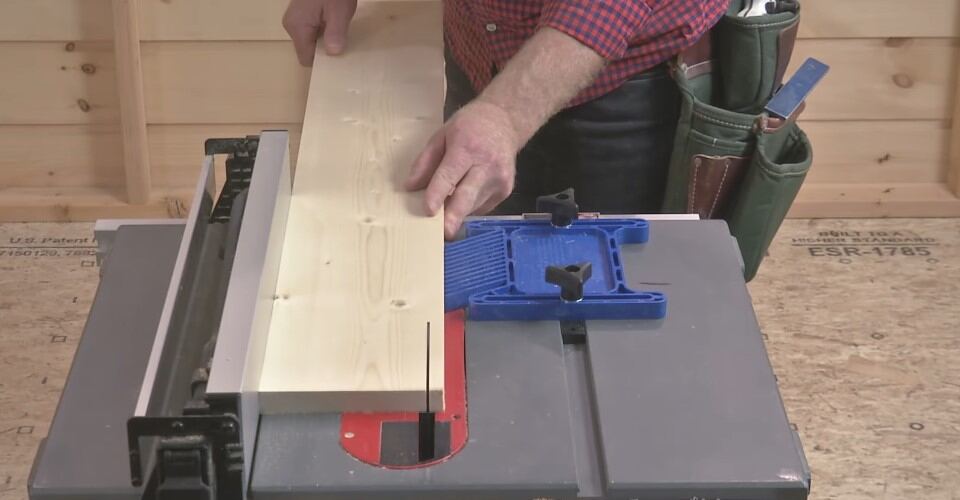
Choosing a table saw with the right features helps keep you safe and makes work easier. Some features reduce accidents and improve control.
| Feature | Why It Matters |
| Blade Guard | Protects your hands from the spinning blade. |
| Riving Knife | Prevents the wood from pinching the blade and causing kickback. |
| Anti-Kickback Pawls | Stops the wood from flying back toward you. |
| Adjustable Fence | Keeps your cuts straight and accurate. |
| Electric Brake | Stops the blade quickly after turning off the saw. |
| Dust Collection Port | Helps keep your work area clean and free of sawdust. |
Credit: homenias.com
Preparing Your Workspace
Working safely with a table saw starts with a well-prepared workspace. A clean and organized area helps prevent accidents and improves your focus.
Before using the saw, check your surroundings carefully. Preparing the space makes cutting tasks easier and safer.
Clearing The Area
Remove all tools, scraps, and debris near the saw. A clutter-free space reduces tripping risks and keeps you alert.
- Clear sawdust and offcuts from the floor
- Keep cords and hoses out of walkways
- Store extra materials away from the saw
- Ensure there is enough room to move freely
Ensuring Proper Lighting
Good lighting lets you see the blade and cut line clearly. This reduces mistakes and helps you stay safe.
| Lighting Type | Benefit |
| Overhead LED lights | Bright and even illumination |
| Task lamps | Focus light on the cutting area |
| Natural light | Soft and reduces eye strain |
Securing The Workpiece
Hold your wood firmly before cutting. Loose pieces can shift and cause accidents.
Use clamps or a miter gauge to keep wood steady. Avoid using your hands to hold small pieces near the blade.
Personal Safety Gear
Using a table saw can be dangerous without the right safety gear. Wearing proper equipment helps protect you from injuries. Always prepare before starting your work.
Safety gear reduces the risk of accidents. It keeps your body safe from dust, noise, and flying debris. Focus on protecting your eyes, ears, and hands.
Eye And Ear Protection
Always wear safety glasses or goggles when using a table saw. They protect your eyes from dust and wood chips. Choose glasses that fit well and do not fog up.
Table saws make loud noises that can hurt your hearing. Use earplugs or earmuffs to protect your ears. This helps prevent hearing loss over time.
Appropriate Clothing
Wear tight-fitting clothes that do not hang loose. Loose clothing can get caught in the saw blade. Avoid jewelry, scarves, or anything that dangles.
Wear sturdy shoes with good grip. Avoid sandals or open-toed shoes. Keep long hair tied back to stop it from getting near the blade.
Using Push Sticks And Guards
Push sticks help you keep your hands away from the blade. Use them to guide small or narrow pieces of wood safely. Never try to push wood with your fingers close to the blade.
Always use the blade guard that comes with your table saw. The guard blocks dust and wood chips. It also helps stop accidental contact with the blade.
Setting Up The Table Saw
Setting up your table saw correctly is key to safe and accurate cuts. Taking time for adjustments can prevent accidents and improve your work.
Start with basic checks before you use the saw. Proper setup helps keep control and avoid mistakes.
Adjusting Blade Height And Angle
Adjust the blade height so it is just above the wood thickness. This reduces kickback and keeps the cut clean.
Set the blade angle for beveled cuts. Make sure to lock it in place so it does not move during use.
Checking Blade Condition
Inspect the blade before each use. A sharp blade cuts smoothly and safely. A dull or damaged blade can cause binding or kickback.
- Look for chipped or missing teeth
- Check for rust or corrosion
- Clean any pitch or resin buildup
- Replace the blade if it is dull or damaged
Aligning The Fence
Proper fence alignment keeps your cuts straight and your work safe. The fence should run parallel to the blade.
| Fence Alignment Check | Action Needed |
| Fence too close to blade | Adjust fence outward |
| Fence too far from blade | Adjust fence inward |
| Fence not parallel | Use a square to realign |
| Fence loose | Tighten locking mechanism |
Safe Operating Techniques
Using a table saw can be dangerous without the right safety steps. Following safe operating techniques helps prevent accidents.
Keep your focus and use the proper methods to protect yourself and others around you.
Proper Hand Placement
Keep your hands away from the blade at all times. Use push sticks or blocks to guide the wood if needed.
Place your hands on the material, not on the saw table. This gives you better control and safety.
- Keep fingers at least 6 inches from the blade
- Use push sticks for small pieces
- Hold the wood firmly but not too tight
Feeding The Material Correctly
Feed the wood slowly and steadily into the blade. Avoid forcing the wood through the saw.
Make sure the wood stays flat on the table and against the fence for a straight cut.
- Feed wood at a steady pace
- Keep the wood flat on the table
- Use the fence to guide the wood
- Do not rush or push too hard
Avoiding Kickback
Kickback happens when the wood suddenly jumps back toward you. This can cause injury.
Use a riving knife and keep the blade sharp to reduce kickback risks.
- Use a riving knife or splitter
- Keep the blade sharp and clean
- Never cut warped or twisted wood
- Stand to the side of the blade, not behind
Maintenance And Inspection
Keeping your table saw in good shape is key for safe use. Regular maintenance stops problems before they start. Careful inspection finds issues early.
Follow these simple tips to keep your saw working well. Regular care helps prevent accidents and extends the tool’s life.
Regular Cleaning
Clean your table saw after each use. Dust and debris can build up and cause malfunctions. Use a brush or vacuum to remove sawdust.
- Remove dust from the table surface
- Clean the blade guard and riving knife
- Clear out debris from the motor vents
- Wipe the fence and rails to prevent rust
Blade Replacement
Check the blade for dullness, chips, or damage. A sharp blade cuts better and is safer. Replace the blade if you see any problems.
| Signs You Need a New Blade | Reason |
| Dull cutting edges | Causes burning and poor cuts |
| Missing or chipped teeth | Can cause kickback |
| Warped blade | Leads to uneven cuts and vibration |
| Excessive noise or vibration | May indicate blade damage |
Inspecting Safety Features
Safety parts keep you protected. Check these parts before every use. Make sure they work well and are not broken.
- Blade guard should move freely and cover the blade
- Riving knife must be aligned and undamaged
- Anti-kickback pawls need to grip properly
- Power switch should turn on and off without issues
- Check the emergency stop if your model has one
Emergency Procedures
Using a table saw can be dangerous without proper care. Knowing what to do in an emergency keeps you safe.
Learn these emergency procedures to act fast and reduce injury risks.
Power Shutoff Methods
Stopping the table saw quickly is the first step in an emergency. Know where the power switch is located before you start.
Unplug the saw or use the emergency stop button if it has one. This cuts power immediately and stops the blade.
- Locate the power switch and emergency stop button
- Always unplug the saw after use
- Keep the switch area clear for quick access
First Aid Basics
Knowing basic first aid helps you treat injuries until help arrives. Keep a first aid kit near your work area.
Learn how to clean wounds, stop bleeding, and treat burns. These skills can prevent infection and reduce pain.
- Clean cuts with water and cover with a sterile bandage
- Apply pressure to stop bleeding
- Use cool water on burns to ease pain
- Keep calm and call for medical help if needed
Handling Common Injuries
Some injuries happen more often with table saws. Knowing how to respond helps reduce damage.
Cuts, splinters, and eye injuries are common. Treat each type properly and seek help if serious.
- For cuts, clean and bandage the wound
- Remove splinters carefully with tweezers
- Flush eyes with clean water if sawdust gets in
- Seek medical help for deep cuts or eye damage

Credit: www.reddit.com
Frequently Asked Questions
How Can I Prevent Kickback On A Table Saw?
To prevent kickback, always use a riving knife and blade guard. Maintain a firm grip and feed the wood steadily. Avoid standing directly behind the blade. Use push sticks for narrow cuts to keep hands safe.
What Safety Gear Is Essential When Using A Table Saw?
Wear safety glasses to protect your eyes from debris. Use hearing protection to guard against loud noise. Avoid loose clothing and gloves that can catch in the blade. Consider using a dust mask to prevent inhaling sawdust.
How Do I Properly Set The Blade Height?
Set the blade height so it extends about 1/8 inch above the wood. This reduces the risk of kickback and ensures a cleaner cut. Always unplug the saw before adjusting the blade height for safety.
When Should I Use A Push Stick On A Table Saw?
Use a push stick when cutting pieces narrower than 6 inches. It keeps your hands away from the blade while maintaining control. Push sticks improve safety during rip cuts and prevent accidental contact with the blade.
Conclusion
Operating a table saw safely protects you and others around. Always wear safety gear like goggles and ear protection. Keep your hands away from the blade. Use push sticks for small pieces. Check the saw before each use to ensure it works well.
Stay focused and avoid distractions. Following these tips reduces accidents and helps you work better. Safety is not just a rule; it’s a habit. Practice these steps every time you use your table saw. Stay safe and enjoy your woodworking projects.