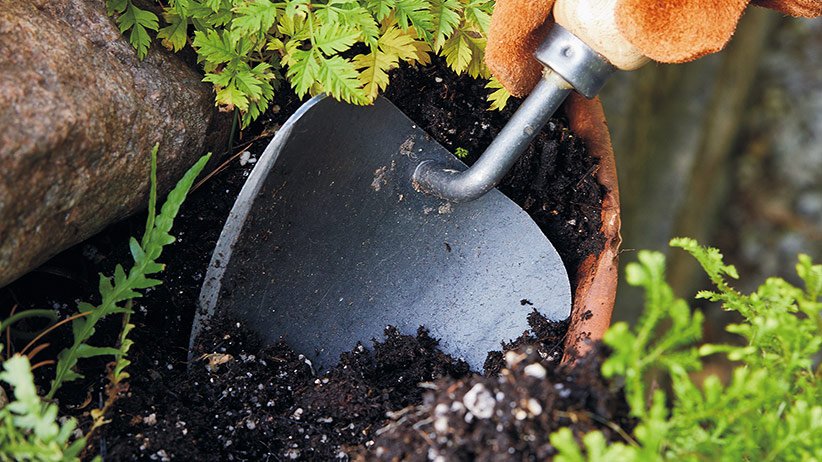
Have you ever wondered how to give your seedlings the best start in life? The humble garden trowel is your secret weapon.
Whether you’re a seasoned gardener or just starting out, knowing how to use a trowel effectively can transform your planting experience. Imagine your garden bursting with vibrant life, all thanks to the simple, yet powerful, tool at your fingertips. In this guide, you’ll discover the best techniques for using a garden trowel to plant seedlings.
Get ready to unlock the full potential of your garden and watch your plants thrive. Keep reading to learn how you can make every seedling count, turning your gardening dreams into reality.
Choosing The Right Garden Trowel
Using a garden trowel makes planting seedlings easier and more precise. Picking the right tool helps your garden grow well.
Different trowels fit different needs. This guide helps you choose a trowel that feels right and works best for your seedling planting.
Types Of Trowels
Trowels come in many shapes and sizes. Each type has a special use in the garden.
- Transplanting Trowels:Narrow and pointed for digging small holes.
- Digging Trowels:Wider and flat for moving soil.
- Weeding Trowels:Thin and long to remove weeds easily.
Materials And Durability
Trowels are made from different materials. Some last longer and resist rust better.
| Material | Pros | Cons |
| Stainless Steel | Rust resistant, strong | Can be heavier |
| Carbon Steel | Very strong, sharp edge | Needs drying to avoid rust |
| Plastic | Lightweight, cheap | Not very strong, breaks easily |
Handle Comfort And Grip
A comfortable handle helps you work longer. Look for grips that feel good in your hand and stop slipping.
- Wood handles give a natural feel but need care.
- Rubber grips reduce slipping and add comfort.
- Plastic handles are light but may cause blisters.
- Ergonomic shapes reduce hand strain.
Preparing The Soil
Good soil is key for planting seedlings. It helps roots grow well and plants stay healthy.
Using a garden trowel, you can prepare the soil easily. This makes planting easier and better.
Loosening And Aerating Soil
Use a garden trowel to break the soil surface. This lets air and water reach plant roots.
Loosen the soil to a depth of about 6 to 8 inches. This helps seedlings grow strong roots.
- Insert the trowel into the soil
- Move it gently back and forth
- Break up hard clumps
- Mix the soil lightly
Removing Weeds And Debris
Clear the soil of weeds and debris before planting. Weeds take nutrients and space from seedlings.
Use the trowel to dig out weeds and roots. Remove leaves, sticks, and stones from the soil.
- Dig around the weed base with the trowel
- Lift the weed carefully from the soil
- Collect debris and dispose of it
- Check the soil for hidden roots
Adding Nutrients And Compost
Healthy soil needs nutrients to help seedlings grow. Compost adds natural fertilizer and improves soil.
Use the trowel to mix compost into the soil. Spread it evenly to feed your new plants.
- Dig small holes or trenches with the trowel
- Fill them with compost or organic matter
- Mix compost well into the soil surface
- Water the soil after adding nutrients
Planting Seedlings With A Trowel
A garden trowel is a small hand tool that helps you plant seedlings with ease. It lets you dig small holes in the soil quickly and carefully.
Using a trowel helps protect young plants and makes sure they grow strong. This guide shows how to plant seedlings using a trowel step by step.
Digging The Perfect Hole
Use the trowel to dig a hole slightly larger than the seedling’s root ball. This gives roots space to spread and grow.
Make the hole deep enough so the seedling sits at the same soil level as before. Avoid holes that are too shallow or too deep.
- Loosen soil gently with the trowel
- Dig a hole about twice the size of the roots
- Check the depth by placing the seedling in the hole
Handling Seedlings Carefully
Hold seedlings by their leaves, not the stems, to avoid damage. Be gentle when moving them to the hole.
If seedlings are in pots or trays, water them before planting. This helps soil stick to roots and reduces stress.
- Support the seedling’s root ball
- Avoid pulling or bending the stem
- Keep roots moist before planting
Positioning And Depth Tips
Place the seedling upright in the hole. The top of the root ball should be level with the soil surface.
Fill the hole gently with soil and press lightly to remove air pockets. Water the seedling after planting to help it settle.
- Check that seedling is straight
- Do not bury stems too deep
- Firm soil gently around roots
- Water immediately after planting
Credit: www.thegamer.com
Aftercare Using A Trowel
Using a garden trowel properly helps your seedlings grow strong. After planting, care is important to protect young plants. A trowel can help with soil, watering, and mulching tasks.
These simple steps keep seedlings healthy and give them the best start.
Filling And Firming Soil
After placing seedlings in the ground, use the trowel to fill soil around the roots. Gently press the soil to remove air pockets. This helps roots stay in place and get water.
- Fill soil carefully to avoid damaging roots
- Firm soil with the back of the trowel
- Leave a small gap around the stem for watering
Watering Techniques
Water seedlings gently to avoid washing away soil. Use the trowel to make small wells around plants. These wells hold water and guide it to the roots. Watering early in the day helps plants absorb moisture.
| Watering Tip | Why It Helps |
| Make small wells with trowel | Holds water near roots |
| Water early in the morning | Reduces evaporation |
| Water slowly and gently | Prevents soil washing away |
Mulching Around Seedlings
Use the trowel to clear a small area around each seedling. Spread mulch like straw or leaves around plants but not touching stems. Mulch keeps soil moist and stops weeds from growing.
- Clear soil with trowel before adding mulch
- Keep mulch 1-2 inches away from seedling stems
- Use organic mulch for better soil health
Maintaining Your Garden Trowel
Taking good care of your garden trowel helps it last longer. You can plant seedlings easier with a sharp and clean tool.
This guide covers cleaning and sharpening, rust prevention, and proper storage for your trowel.
Cleaning And Sharpening
After each use, clean soil and debris from the trowel blade. Use water and a brush to remove dirt.
- Rinse the blade with water and scrub off dirt.
- Dry the trowel completely with a cloth.
- Sharpen the blade with a metal file or sharpening stone.
- Wipe the blade with oil to keep it smooth.
Rust Prevention
Rust can damage your trowel and make it hard to use. Keep rust away by following these tips.
| Rust Prevention Tips |
|---|
| Dry the trowel after washing to stop moisture build-up. |
| Apply a light coat of mineral oil or vegetable oil on the metal parts. |
| Use the trowel on dry soil to reduce rust risk. |
| Check for rust spots and clean them with steel wool. |
Proper Storage
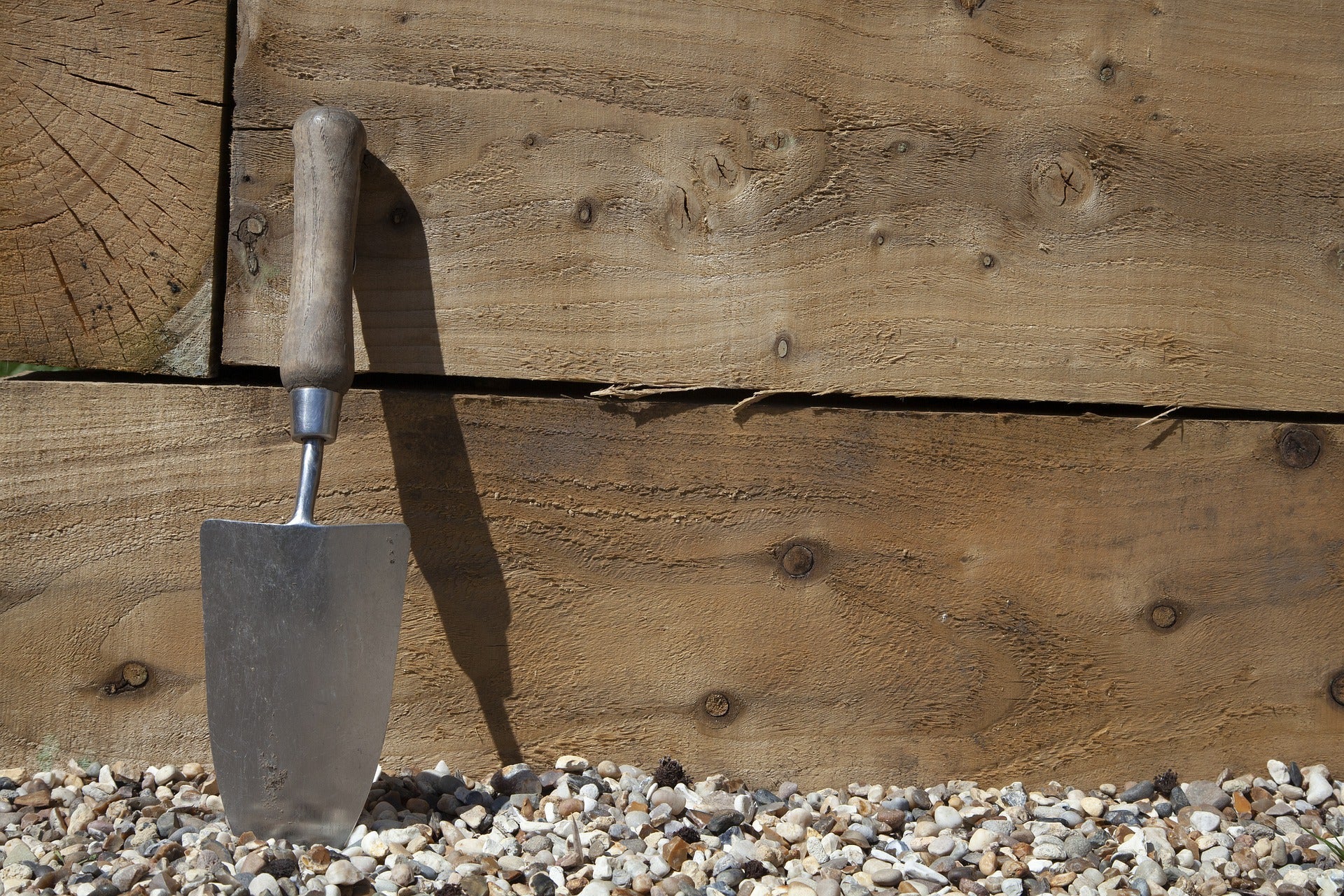
Store your garden trowel in a dry and safe place. This prevents damage and keeps it ready to use.
- Hang the trowel on a hook or pegboard.
- Keep it in a toolbox or garden shed with good air flow.
- Avoid leaving the trowel outside in the rain or dirt.
- Wrap the blade in cloth if storing for a long time.
Credit: sowtrueseed.com
Common Mistakes To Avoid
Using a garden trowel for seedling planting is simple but needs care. Avoiding common mistakes helps seedlings grow well.
These mistakes can hurt seedlings or make your work harder. Learn what to watch out for and how to fix it.
Overdigging Or Shallow Holes
Digging holes too deep or too shallow can stop seedlings from growing well. The hole must fit the seedling’s root ball.
- Too deep holes cause roots to stay too wet and rot.
- Too shallow holes leave roots dry and exposed.
- Make holes just a little bigger than the root ball size.
- Check hole depth by placing the seedling inside before planting.
Damaging Seedling Roots
Handling roots roughly or using the trowel carelessly can harm seedlings. Healthy roots help plants grow strong.
| Common Root Damage | How to Avoid |
|---|---|
| Cutting roots with trowel edge | Dig gently and clear soil around roots |
| Tearing roots when moving seedling | Hold seedling by leaves, not roots |
| Drying roots before planting | Keep roots moist until planted |
Ignoring Tool Maintenance
Dirty or rusty trowels make planting hard and can spread disease. Taking care of your tool keeps it sharp and clean.
- Clean soil off after each use.
- Dry the trowel to stop rusting.
- Sharpen the blade regularly for easy digging.
- Store the tool in a dry place.
Credit: randylemmon.com
Frequently Asked Questions
What Is The Best Way To Use A Garden Trowel For Seedlings?
Use the garden trowel to dig a small hole gently. Place the seedling carefully, then cover roots with soil. Press soil firmly but gently to avoid damaging the plant. This method ensures healthy growth and easy transplanting.
How Do I Choose The Right Garden Trowel For Planting?
Pick a trowel with a comfortable handle and sturdy blade. Stainless steel blades resist rust and last longer. Size matters; choose a medium blade for precision and strength. This helps in effective seedling planting and soil digging.
Can A Garden Trowel Improve Seedling Survival Rates?
Yes, a garden trowel helps create perfect planting holes. It minimizes root damage during transplanting. Properly planted seedlings adapt faster and grow healthier. Using a trowel increases your seedlings’ chances of survival.
How Often Should I Clean My Garden Trowel?
Clean your garden trowel after every use. Remove soil and debris to prevent rust and disease spread. Wipe with a damp cloth and dry thoroughly. Regular cleaning keeps the tool sharp and safe for seedlings.
Conclusion
Using a garden trowel makes seedling planting easier and more precise. It helps dig small holes quickly without harming roots. Choosing the right trowel improves your gardening comfort and results. Regular cleaning keeps your tool in good shape for longer.
Practice simple steps to plant seedlings with care and patience. Small efforts lead to healthy plants and a thriving garden. Keep your trowel handy for all your planting tasks. Enjoy watching your garden grow from tiny seedlings to strong plants.