Imagine you’re in the middle of an important experiment or task when a sudden splash of chemicals threatens your safety. It’s a scenario no one wants to face, yet it underscores the crucial need for chemical splash goggles.
These essential safety tools are your first line of defense against potentially harmful chemical exposure. But using them effectively requires more than just slipping them on. Are you confident in your knowledge of how to maximize their protective capabilities? In this blog post, you’ll discover practical tips that ensure your goggles offer the best defense while you focus on what matters most.
Keep reading to learn how to safeguard your eyes and elevate your safety practices to a new level of effectiveness.
Choosing The Right Goggles
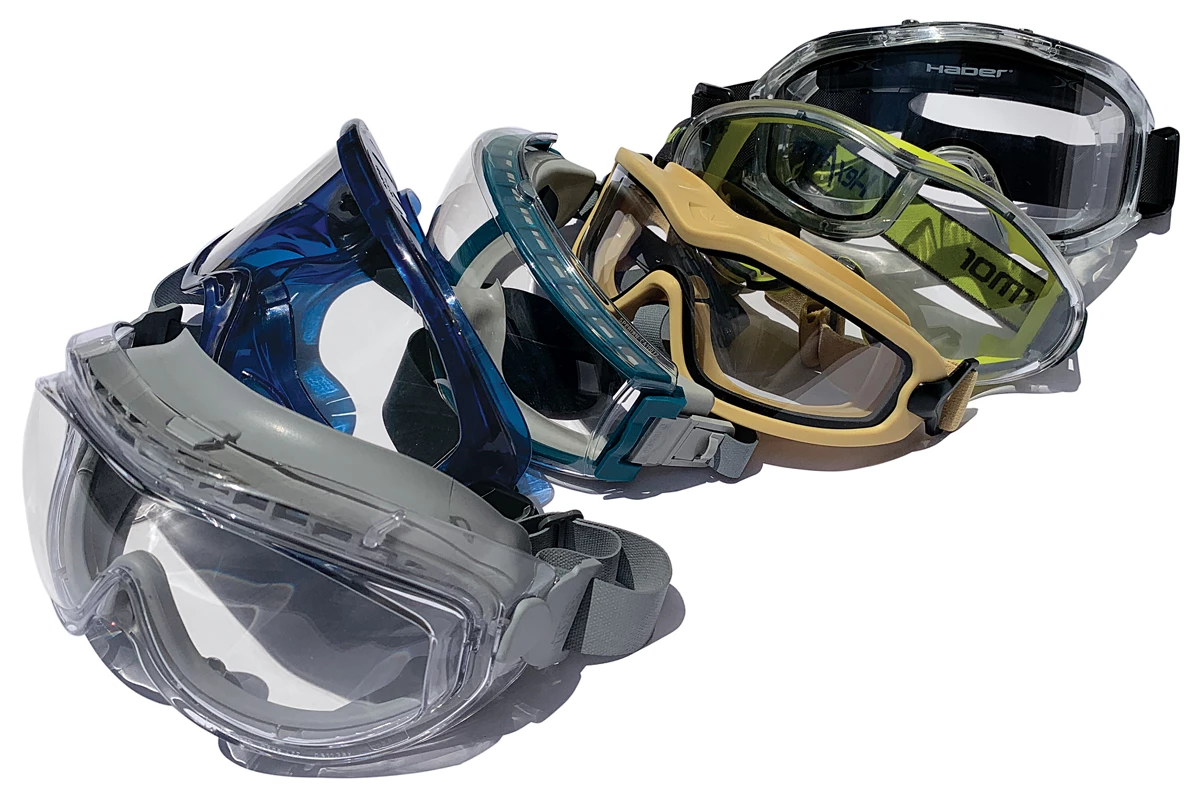
Choosing the right chemical splash goggles is important for safety. The right goggles protect your eyes from harmful liquids and vapors. Picking goggles that fit well and suit your needs keeps you safe and comfortable.
Look at the material, fit, and ventilation before buying goggles. Each factor affects how well the goggles work and how easy they are to wear for long times.
Material Matters
Goggles are made from different materials that affect durability and protection. Polycarbonate lenses resist impact and provide clear vision. PVC frames offer good chemical resistance. Choose materials based on the chemicals you handle.
| Material | Benefit |
| Polycarbonate lenses | Impact resistant and clear vision |
| PVC frames | Strong chemical resistance |
| Rubber seals | Comfortable and prevents leaks |
| Anti-fog coating | Prevents fogging during use |
Fit And Comfort
Goggles should fit snugly but not too tight. A good fit keeps chemicals out and feels comfortable. Look for adjustable straps and soft seals around the eyes. Try on different styles to find the best fit for your face shape.
- Check for a secure seal around the eyes
- Adjust straps to avoid pressure points
- Choose soft, flexible materials for comfort
- Make sure goggles do not block your view
Ventilation Options
Good ventilation stops goggles from fogging up. Some goggles have indirect vents that let air in but keep chemicals out. Others have foam-lined vents for extra protection. Pick ventilation that matches your work environment and comfort needs.
| Ventilation Type | Description | Best For |
|---|---|---|
| Indirect Vents | Air flows through small openings | General chemical handling |
| Foam-Lined Vents | Foam blocks chemical splashes but allows air | Working with strong chemicals |
| Non-Vented | Sealed goggles with no vents | High splash risk or dusty areas |
Proper Wearing Techniques
Wearing chemical splash goggles correctly protects your eyes from harmful substances. Proper fit and seal keep chemicals out and ensure safety during work.
Follow simple steps to secure the goggles, adjust them for a tight seal, and avoid common fitting problems.
Securing The Goggles
Place the goggles over your eyes so the foam or rubber padding rests comfortably on your face. Use the strap to keep them firmly in place without being too tight.
- Pull the strap over your head and position it at the back.
- Adjust the strap length to hold the goggles snugly.
- Check that the goggles do not slip or move during head turns.
- Make sure the strap does not press too hard and cause discomfort.
Adjusting For A Seal
The goggles must form a tight seal around your eyes to block chemicals. Adjust the nose bridge and strap to reduce gaps and prevent leaks.
| Adjustment Area | What to Do | Why It Matters |
| Nose Bridge | Move gently to fit your nose shape | Helps close gaps near the nose |
| Side Padding | Check padding lies flat on skin | Prevents side leaks |
| Strap Tension | Tighten to hold goggles firmly | Keeps goggles in place during movement |
Avoiding Common Fit Issues
Poor fit reduces protection and causes discomfort. Watch for these common problems and fix them quickly.
- Goggles fogging up means the seal is loose or airflow is blocked.
- Red marks or pain show the strap is too tight.
- Gaps between goggles and face let chemicals in.
- Uneven pressure causes slipping or discomfort.
Maintaining Your Goggles
Proper care of your chemical splash goggles helps keep them safe and clear. Clean goggles protect your eyes better.
Regular maintenance extends the life of your goggles. It also ensures they work well every time you use them.
Cleaning Methods
Clean your goggles after each use to remove chemicals and dirt. Use mild soap and warm water for best results.
Avoid strong chemicals or abrasive cleaners. These can damage the lens and reduce visibility.
- Rinse goggles with warm water
- Apply mild soap gently
- Use soft cloth or sponge to clean
- Rinse off soap completely
- Air dry in a clean place
Storage Tips
Store your goggles in a dry, cool place. Keep them away from direct sunlight and heat sources.
Use a protective case or pouch to avoid scratches. Do not place heavy objects on top of your goggles.
- Keep goggles in a soft case
- Store away from chemicals and dust
- Avoid exposure to extreme temperatures
- Place goggles where they won’t get crushed
Inspecting For Damage
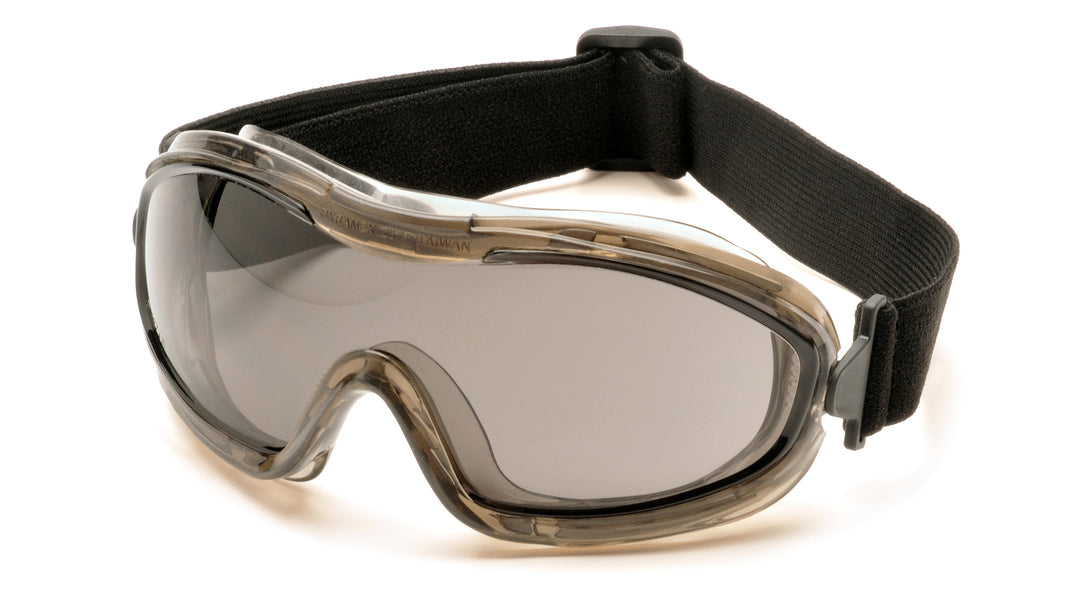
Check your goggles before and after each use. Look for cracks, scratches, or loose parts that affect safety.
Replace goggles if damage reduces visibility or protection. Do not use goggles with broken straps or lenses.
- Look for lens scratches or cracks
- Check the frame for breaks or bends
- Test the straps for elasticity and strength
- Ensure vents or seals are intact
Credit: www.pyramex.com
Enhancing Safety Practices
Chemical splash goggles protect your eyes from harmful substances. Using them correctly improves safety during chemical work.
Follow simple tips to use goggles safely and reduce the risk of injury.
Using Goggles With Other Ppe
Wear chemical splash goggles together with other personal protective equipment (PPE). This increases your overall safety.
Combine goggles with gloves, lab coats, and face shields for full protection.
- Gloves protect your hands from spills and splashes
- Lab coats shield your skin and clothing
- Face shields guard your face from large splashes
Handling Chemicals Safely
Always check chemical labels and safety data sheets before use. Know the hazards and how to handle the chemicals.
Use goggles to protect your eyes when pouring, mixing, or transferring chemicals.
- Pour chemicals slowly to avoid splashes
- Keep chemicals away from your face
- Use a fume hood if chemicals emit vapors
Emergency Procedures
Know what to do if chemicals get into your eyes. Quick action can prevent serious damage.
Remove goggles safely and use an eyewash station to rinse your eyes for at least 15 minutes.
- Call for medical help immediately
- Tell others about the accident
- Report the incident to your supervisor
Troubleshooting Common Problems
Chemical splash goggles protect your eyes during lab work. Sometimes issues like fogging, scratches, or wear can reduce their effectiveness. Fixing these problems helps keep your vision clear and your eyes safe.
Use the tips below to solve common problems with your goggles. Proper care extends their life and improves comfort.
Fogging Solutions
Fogging happens when moisture builds up inside the goggles. It blocks your view and can be dangerous during work.
- Clean the lenses with mild soap and water before use.
- Use anti-fog sprays or wipes designed for goggles.
- Wear goggles with ventilation holes to improve airflow.
- Avoid touching the inside of lenses with your fingers.
- Replace goggles if fogging continues despite cleaning.
Dealing With Scratches
Scratches on lenses reduce visibility and can cause eye strain. Minor scratches can sometimes be smoothed out, but deep ones require lens replacement.
| Scratch Type | Fix Method | Expected Result |
|---|---|---|
| Light surface scratches | Use a plastic polish or toothpaste gently | Lenses appear clearer |
| Deep scratches | Replace the lens or goggles | Clear vision restored |
| Multiple scratches | Replace goggles | Better protection and visibility |
Replacing Worn-out Goggles
Goggles wear out after long use. Straps may lose stretch, seals can crack, and lenses get damaged. Replace goggles if they no longer fit well or protect your eyes fully.
- Check straps for elasticity and comfort.
- Look for cracks or broken seals on the frame.
- Inspect lenses for deep scratches or cloudiness.
- Replace goggles immediately if damaged or ill-fitting.
- Store goggles properly to extend their life.

Credit: cen.acs.org

Credit: cen.acs.org
Frequently Asked Questions
What Are The Best Tips For Using Chemical Splash Goggles?
Always wear goggles before handling chemicals. Ensure a snug fit to prevent splashes. Clean them regularly with mild soap and water. Store in a dry, dust-free place when not in use. Replace damaged or scratched lenses immediately for clear vision and protection.
How Do Chemical Splash Goggles Protect Your Eyes?
Chemical splash goggles create a sealed barrier around your eyes. They prevent harmful liquids and fumes from entering. The impact-resistant lenses shield against splashes and debris. Ventilation holes reduce fogging without compromising protection. Proper use minimizes the risk of chemical eye injuries.
When Should You Replace Chemical Splash Goggles?
Replace goggles if lenses are scratched or cracked. Damaged seals or straps reduce effectiveness and safety. If goggles become foggy and cleaning doesn’t help, replace them. Regular inspection ensures optimal protection during chemical handling tasks. Replace goggles immediately after any significant impact or damage.
Can Chemical Splash Goggles Be Used With Prescription Glasses?
Yes, many chemical splash goggles fit comfortably over prescription glasses. Look for “over-the-glasses” (OTG) models designed for this purpose. Ensure goggles seal well around your eyes despite the glasses. This combination maintains safety without compromising vision clarity. Always check the fit before working with chemicals.
Conclusion
Chemical splash goggles protect your eyes from harmful substances. Always wear them properly for full safety. Clean the goggles after each use to keep vision clear. Store them in a dry, safe place to avoid damage. Check for cracks or scratches before wearing them.
Remember, safety starts with the right gear every time. Stay careful, stay protected, and keep your eyes safe.