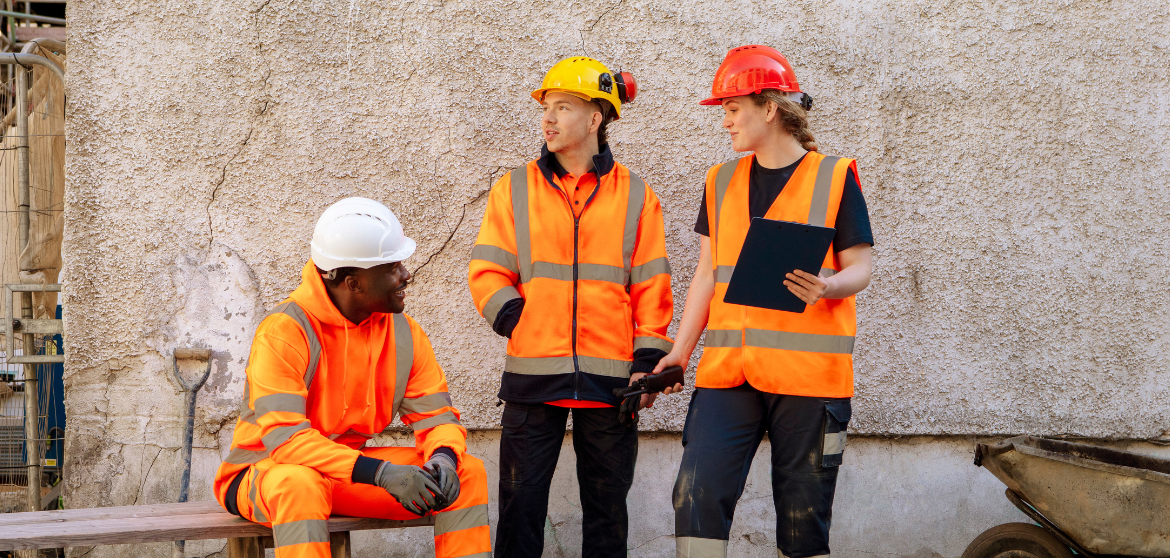
Imagine stepping into a world where safety meets visibility, a world where your peace of mind is just as important as the task at hand. When you’re working outdoors, ensuring that you stand out is not just a preference—it’s a necessity.
High-visibility safety vests are your secret weapon. They are more than just bright colors; they are your shield against potential hazards. But how do you use them effectively? How do you ensure that you’re making the most of their protective power?
In this guide, you’ll uncover the secrets to maximizing safety while maintaining comfort and efficiency. Get ready to transform the way you work outdoors and take control of your safety strategy. Keep reading, because your safety is worth it.
Benefits Of High-visibility Safety Vests
High-visibility safety vests make outdoor work safer for everyone. They help workers stand out in busy or low-light areas.
Wearing these vests reduces accidents and helps teams work better together. They are simple but very effective.
Enhanced Worker Safety
High-visibility vests make workers easy to see. This lowers the risk of accidents with vehicles or machines.
The bright colors and reflective strips catch attention quickly. This is important during the day and night.
- Improves visibility in fog, rain, or darkness
- Helps drivers spot workers from far away
- Reduces chances of slips, trips, and falls
Compliance With Regulations
Many outdoor jobs require safety vests by law. Wearing them helps companies follow safety rules.
Meeting these rules avoids fines and legal problems. It also shows that safety is a priority.
- Meets standards set by safety organizations
- Ensures workers are protected on site
- Supports company safety policies
Improved Team Coordination
High-visibility vests help team members find each other quickly. This speeds up work and helps avoid confusion.
Different vest colors can show roles or groups. This makes it easier to organize tasks and communicate.
- Quickly identifies team leaders and members
- Enhances communication on busy sites
- Supports faster response in emergencies
Choosing The Right Safety Vest
Wearing a safety vest helps protect workers outdoors. Picking the right vest makes work safer and easier.
Safety vests come in different materials, colors, and sizes. Choose one that fits your job needs.
Material And Durability
Safety vests must be made from strong materials. They should hold up well in all weather conditions.
Look for vests that resist tears and fading. Durable materials keep you safe for a long time.
- Polyester is common and durable
- Mesh vests are breathable and light
- Water-resistant fabrics help in rain
Visibility Standards And Colors
Safety vests must meet visibility rules for outdoor work. These rules keep workers seen by others.
Bright colors and reflective strips increase visibility. Choose colors based on your work environment.
- Fluorescent yellow-green is very visible in daylight
- Bright orange is common on roads and construction
- Reflective tape helps in low light and night
Sizing And Fit Considerations
A safety vest should fit well but not be tight. It must allow movement and comfort during work.
Choose sizes based on your body and clothing under the vest. Adjustable straps can improve fit.
- Check chest and waist measurements
- Try on vests with work clothes underneath
- Look for vests with adjustable closures
Proper Ways To Wear Safety Vests
High-visibility safety vests help workers stay seen outdoors. Wearing them correctly keeps you safe in busy areas.
Follow simple rules to get the best protection from your vest. This guide covers fit, layering, and upkeep.
Correct Placement And Fit
Wear the safety vest over your clothes, making sure it covers your upper body fully. The vest should fit snug but not tight.
Adjust straps or fasteners so the vest stays in place. Avoid loose vests that can catch on objects or block your movement.
- Put the vest on before starting work
- Make sure it covers your torso from shoulders to waist
- Use all fasteners to keep the vest secure
- Choose the right size for your body shape
Layering With Other Gear
Wear the safety vest over jackets or sweaters so the reflective strips stay visible. Avoid covering the vest with bulky items.
If you wear backpacks or tool belts, place the vest on top. This helps others see the reflective parts clearly.
- Wear the vest as the outermost layer
- Keep reflective strips uncovered
- Choose vests that fit well over other gear
- Replace vests that get covered or blocked
Maintenance For Maximum Visibility
Keep your safety vest clean and bright. Dirt and stains can hide reflective strips and reduce visibility.
Check for tears or worn-out parts. Replace the vest if it no longer reflects light well.
- Wash the vest regularly according to instructions
- Inspect for damage before each work shift
- Store the vest in a clean, dry place
- Replace faded or torn vests promptly

Credit: truewerk.com
Safety Vest Features To Look For
High-visibility safety vests help workers stay safe outdoors. These vests make people easy to see in different light conditions.
Choosing the right features improves comfort and safety. Look closely at reflective strips, pockets, and breathability.
Reflective Strips And Patterns
Reflective strips make the vest visible at night and in low light. They reflect light from headlights and flashlights.
Look for wide strips placed on the front, back, and sides. Patterns that cover more area increase visibility.
- Strips on shoulders and waist for better recognition
- Horizontal and vertical patterns improve visibility
- High-quality reflective material lasts longer
Pockets And Accessories
Pockets let you carry tools and small items easily. Some vests have special holders for pens, phones, or radios.
Choose vests with enough pockets to fit your needs. Secure closures like zippers or Velcro keep items safe.
- Chest pockets for quick access items
- Lower pockets for larger tools or gloves
- Loops or clips for ID badges or keys
Breathability And Comfort
Comfort is important for long hours outside. Breathable fabric helps keep you cool and dry.
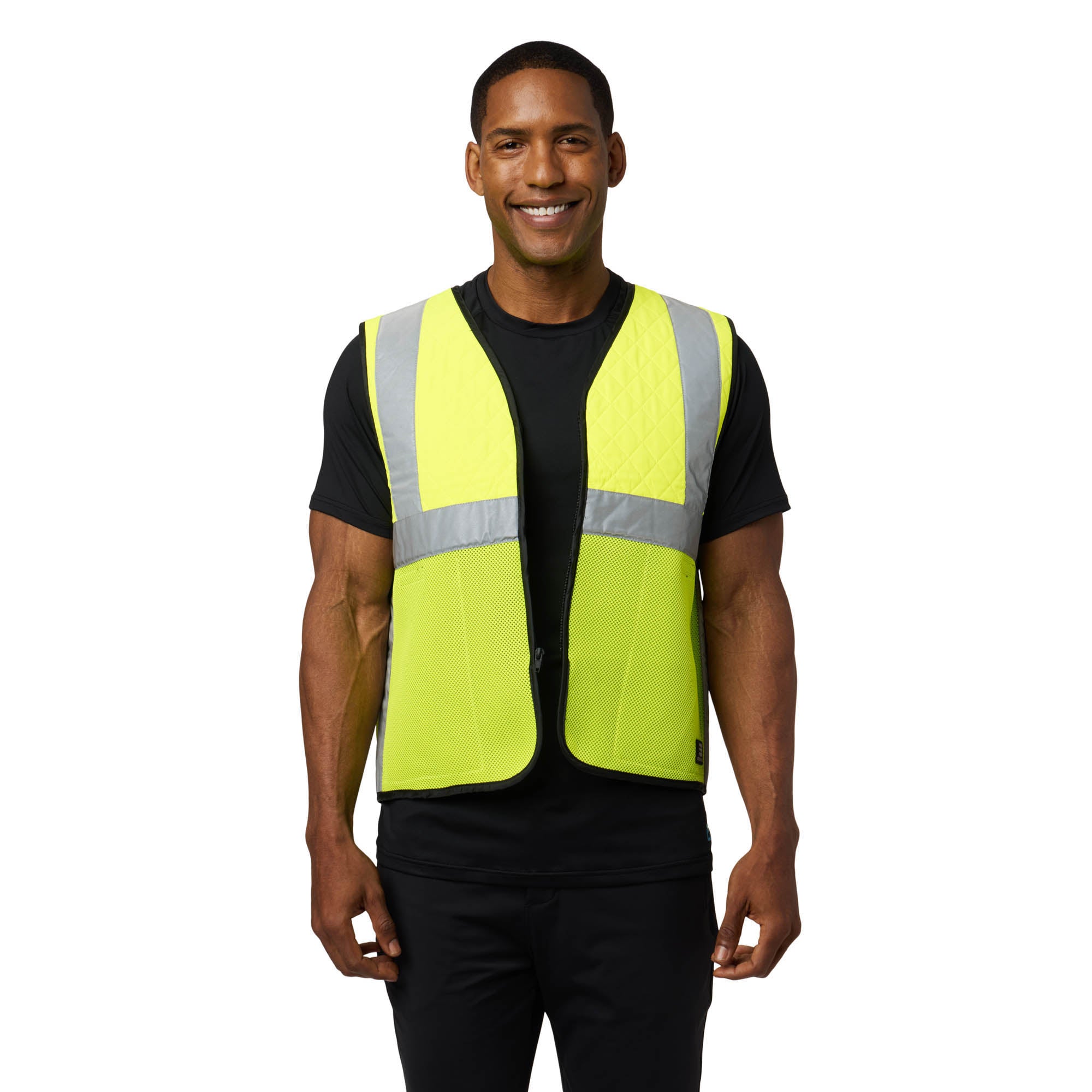
Look for vests made with mesh or lightweight materials. Adjustable features like side straps improve fit.
- Mesh panels allow air to flow
- Lightweight fabric reduces heat buildup
- Adjustable sides and shoulders for better fit
Using Safety Vests In Different Outdoor Conditions
High-visibility safety vests help workers stay visible outdoors. Different weather and lighting need different vest features.
Choosing the right vest for the conditions keeps workers safe and comfortable. This guide explains how to use vests in various outdoor settings.
Low-light And Night Work
At night or in low light, visibility drops sharply. Safety vests with reflective strips show up well in headlights and flashlights.
Choose vests with wide reflective tape and bright colors. This helps others see you from far away and avoid accidents.
- Use vests with reflective bands on front, back, and sides
- Pick fluorescent colors like lime green or orange
- Check that reflective material is clean and undamaged
- Replace vests if reflective strips fade or peel off
Rain And Wet Weather
Rain can make vests heavy and less visible. Use waterproof or water-resistant vests to stay dry and visible.
Wet weather also reduces light reflection. Bright colors help keep workers noticeable in fog or rain.
- Choose vests made from water-repellent fabrics
- Wear vests with sealed seams to prevent leaks
- Use bright colors like neon yellow or orange for better visibility
- Dry vests fully before storing to avoid mildew
Hot And Humid Environments
In heat, workers can overheat wearing heavy vests. Pick lightweight, breathable vests to stay cool.
Vents and mesh panels improve airflow. Bright colors remain important for visibility in sunny weather.
- Use vests with mesh fabric for better ventilation
- Choose lightweight materials that dry quickly
- Wear loose-fitting vests to allow air circulation
- Stay hydrated and take breaks in shade
Credit: fieldsheer.com
Training Workers On Safety Vest Use
Outdoor workers must wear high-visibility safety vests to stay safe. Training helps them use these vests correctly every time.
This training covers why vests matter, how to wear them, and how to keep them in good shape.
Importance Of Consistent Use
Workers must wear safety vests all the time outdoors. Consistent use helps drivers and equipment operators see them easily.
Wearing vests only sometimes can cause accidents. Training should stress wearing vests before starting any outdoor work.
- Always wear the vest during outdoor work hours
- Do not remove vests in work zones
- Make sure the vest fits properly and is visible
Inspecting Vests Regularly
Regular checks keep vests safe and effective. Look for tears, stains, or faded colors that reduce visibility.
Training should teach workers how to inspect vests and report any damage immediately.
- Check for rips or holes
- Look for missing reflective strips
- Ensure bright colors are not faded
- Make sure fasteners and zippers work
Replacing Damaged Or Worn Vests
Damaged vests do not protect workers well. Replace them quickly to keep safety standards high.
Training should explain when and how to replace vests and who to contact for new ones.
- Replace vests with tears or holes
- Change vests with faded or missing reflective material
- Do not use vests that do not fit properly
- Follow company rules for requesting replacements

Credit: www.forcefieldcanada.com
Frequently Asked Questions
What Are High-visibility Safety Vests Used For?
High-visibility safety vests increase worker visibility outdoors. They reduce accidents by making workers easily seen in low light or busy environments.
How Do I Choose The Right Safety Vest?
Choose a vest with bright colors and reflective strips. Ensure it fits well, is breathable, and meets safety standards for your work environment.
When Should I Wear A High-visibility Vest Outdoors?
Wear the vest anytime you work near traffic or heavy equipment. Also, use it during poor lighting or bad weather for maximum safety.
Can Safety Vests Improve Outdoor Work Productivity?
Yes, safety vests enhance visibility, reducing accidents and delays. Clear identification helps communication and teamwork, improving overall work efficiency.
Conclusion
High-visibility safety vests keep outdoor workers safe and seen. Bright colors and reflective strips catch attention quickly. Always choose the right vest size and fit for comfort. Regularly check vests for wear and tear to stay visible. Wearing these vests helps prevent accidents and injuries on site.
Safety is simple with the right gear. Keep your team protected and visible every day. Safety vests are a smart, easy way to work safely outdoors.