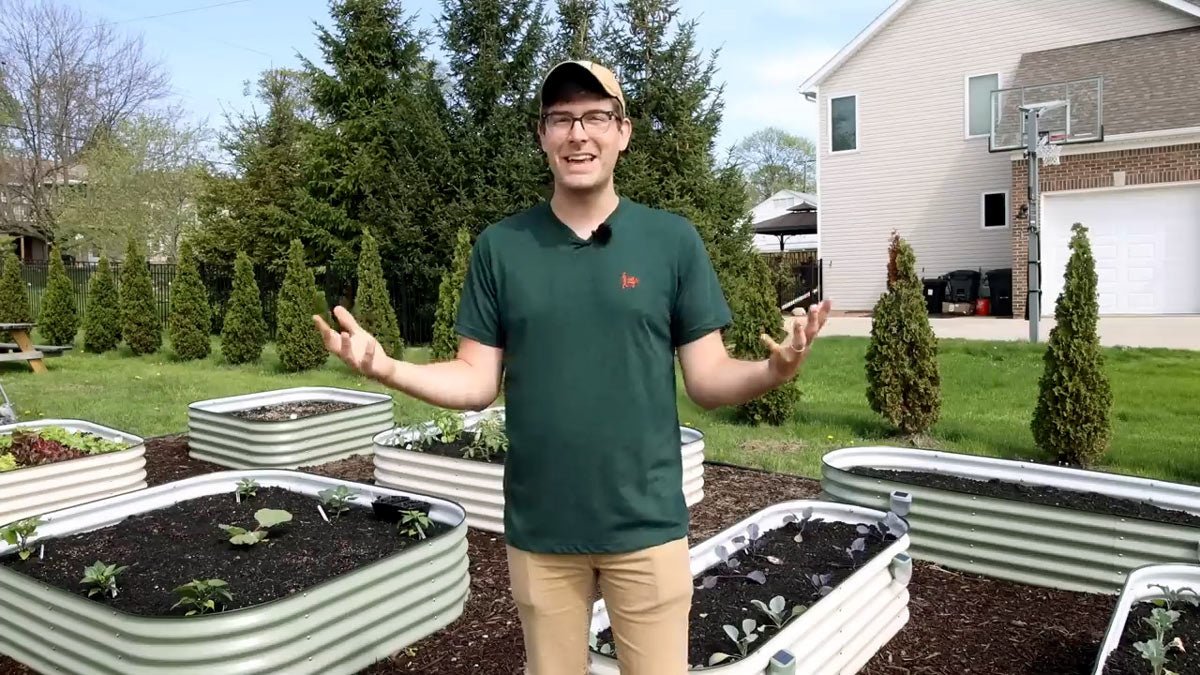
Are you dreaming of a bountiful garden filled with fresh, homegrown vegetables? Planting vegetables in raised beds might be your perfect solution.
Imagine stepping into your backyard and picking crisp lettuce, juicy tomatoes, or crunchy carrots, all nurtured by your own hands. Raised beds are a game-changer for both novice and seasoned gardeners. They offer better soil drainage, ease of access, and a chance to grow healthy, vibrant plants.
Curious about how to start? This guide will walk you through each step, ensuring your garden flourishes. Get ready to transform your space and taste the difference in every bite. Keep reading to discover how you can make the most out of your gardening efforts with raised beds.
Credit: www.sacbee.com
Benefits Of Raised Bed Gardening
Raised bed gardening offers many advantages for growing vegetables. It helps gardeners control soil quality and conditions better than traditional gardening.
Using raised beds can make planting and maintenance easier. It also creates a better environment for plants to grow strong and healthy.
Improved Soil Quality
Raised beds let you fill the space with rich, loose soil. You can avoid poor native soil by adding compost and other nutrients. This helps plants get the food they need to grow well.
Better Drainage And Aeration
Soil in raised beds drains water faster than ground soil. This prevents water from pooling around roots. The soil also gets more air, which helps roots breathe and grow.
Ease Of Access And Maintenance
Raised beds are higher than ground level. This means less bending and kneeling when you plant or weed. It is easier to care for plants, especially for people with back problems.
- Less bending while gardening
- Clear, defined space for plants
- Weeds are easier to spot and remove
- Can add protective covers easily
Extended Growing Season
| Season | Raised Bed Advantage |
|---|---|
| Spring | Soil warms faster for early planting |
| Summer | Better moisture control reduces heat stress |
| Fall | Can add covers to protect from frost |
| Winter | Soil stays warmer, allowing some crops to survive |
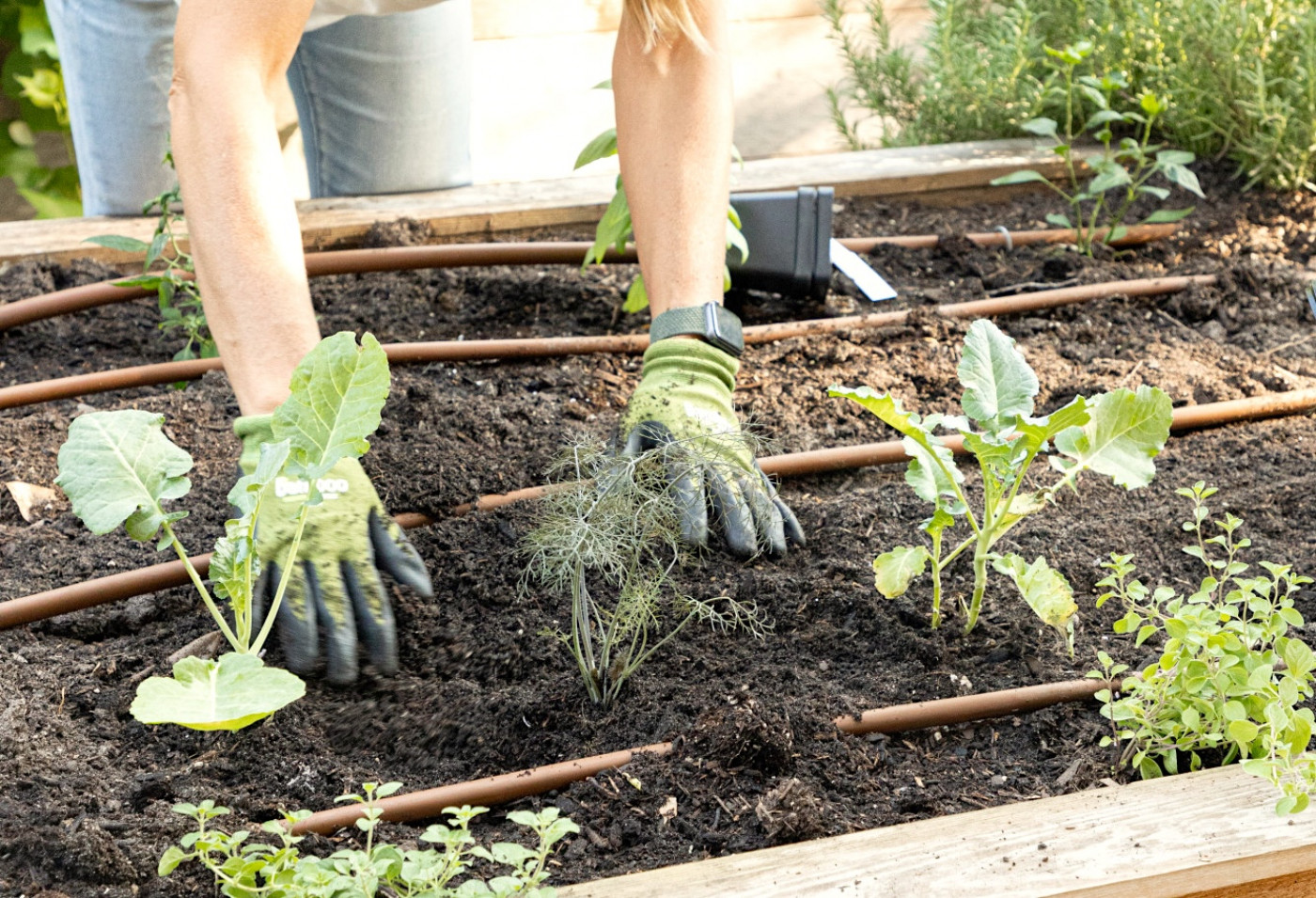
Credit: www.gardenary.com
Choosing The Right Location
Picking the right spot for your raised bed garden is key. The location affects how well your vegetables grow.
Think about sunlight, wind, and how easy it is to reach your garden. These factors help your plants stay healthy.
Sunlight Requirements
Most vegetables need at least six hours of direct sunlight daily. Sunlight helps plants make food through photosynthesis.
Choose a spot that is not shaded by trees or buildings. A sunny area will help your vegetables grow strong and healthy.
- Look for a place with full sun for most of the day
- Avoid spots shaded by large trees or walls
- Check sunlight at different times to find the best area
Protection From Wind
Wind can dry out soil and damage plants. Raised beds need some shelter from strong winds to protect vegetables.
Choose a location near a fence, hedge, or wall that blocks wind. This helps keep your plants safe and moist.
- Place beds near natural or man-made windbreaks
- Avoid open, windy areas that can stress plants
- Use garden fabric or screens if needed for extra protection
Accessibility And Space
Make sure your raised beds are easy to reach for planting and harvesting. Good access saves time and effort.
Leave enough room around beds to move comfortably. Space helps you care for plants and keep the garden tidy.
- Choose a spot close to your home or water source
- Allow at least 2-3 feet of space around beds for walking
- Plan for enough room to add more beds if needed
Selecting Materials For Raised Beds
Choosing the right materials for raised beds is important. The materials affect how long the bed lasts and how well your plants grow.
Good materials help keep soil healthy and protect plants. They also make your garden look neat and clean.
Wood Options
Wood is a popular choice for raised beds. It is natural and easy to work with. Some types last longer than others outdoors.
Cedar and redwood resist rot and insects. Pine is cheaper but may not last as long. Avoid treated wood that has harmful chemicals.
- Cedar: strong, rot-resistant, lasts many years
- Redwood: durable, insect-resistant, natural look
- Pine: affordable, but less durable
- Avoid chemically treated wood for safety
Metal And Plastic Alternatives
Metal and plastic raised beds are good alternatives to wood. They often last longer and need less care.
Metal beds are sturdy and modern but can get hot in the sun. Plastic beds resist rot and insects but may fade over time.
- Steel: strong and long-lasting, may heat soil
- Aluminum: light and rust-resistant
- Recycled plastic: eco-friendly and durable
- Plastic composite: low maintenance, variety of colors
Soil And Compost Mixes
Good soil mix is key for healthy vegetable growth. Raised beds need loose, rich soil that drains well.
Mix garden soil, compost, and some sand or perlite for drainage. This mix gives plants nutrients and space for roots.
- Garden soil: base for structure and minerals
- Compost: adds nutrients and improves soil life
- Sand or perlite: helps soil drain well
- Mix in equal parts for best results
Preparing The Raised Bed
Raised beds help grow vegetables in small or poor soil areas. Preparing the bed is the first step to a healthy garden.
This guide covers how to clear and level the ground, build the frame, and fill it with soil mix.
Clearing And Leveling Ground
Clear the area of grass, weeds, and rocks. Remove all debris to create a clean space for the raised bed.
Use a rake or shovel to make the ground flat. Level ground helps the frame sit evenly and prevents soil erosion.
Building The Frame
Choose wood or other materials that resist rot. Common sizes for raised beds are 4 feet by 8 feet.
- Cut wood to the desired length.
- Use screws or nails to join corners tightly.
- Check that corners are square for a good fit.
- Place the frame on the cleared ground.
Frames should be about 6 to 12 inches high to hold enough soil for vegetables.
Filling With Soil Mix
Fill the frame with a blend of soil, compost, and other organic matter. This mix feeds plants and holds moisture.
| Component | Amount | Purpose |
| Topsoil | 40% | Provides base soil structure |
| Compost | 40% | Adds nutrients and improves soil life |
| Peat Moss or Coconut Coir | 20% | Increases water retention |
Mix the components well before filling the raised bed. Level the soil surface for planting.
Choosing Vegetables To Plant
Choosing the right vegetables for your raised beds helps your garden thrive. Different vegetables grow best in different temperatures and seasons.
Think about the weather and how much space you have before planting. This guide will help you pick cool-season and warm-season crops. It also includes tips for planting vegetables together.
Cool-season Crops
Cool-season crops grow well in cooler weather. Plant these vegetables in early spring or fall for the best results. They can handle light frost and grow quickly.
- Spinach
- Lettuce
- Broccoli
- Carrots
- Peas
- Radishes
Warm-season Crops
Warm-season crops need warmer soil and air to grow. Plant these after the last frost date. They usually take longer to mature than cool-season crops.
| Vegetable | Planting Time | Notes |
|---|---|---|
| Tomatoes | Late spring | Needs full sun |
| Peppers | Late spring | Warm soil required |
| Cucumbers | Late spring | Climbing support helps |
| Beans | After frost | Grow quickly |
| Squash | Late spring | Needs space to spread |
Companion Planting Tips
Some vegetables grow better when planted near certain others. Companion planting helps with pest control and improves growth. Use these tips to plan your raised bed.
- Plant tomatoes near basil to improve flavor and repel pests.
- Grow carrots near onions to keep carrot flies away.
- Beans fix nitrogen in the soil, so plant them near leafy greens.
- Cucumbers grow well next to radishes, which deter cucumber beetles.
- Avoid planting onions near peas, as they can stunt each other’s growth.
Planting Techniques
Growing vegetables in raised beds improves soil and drainage. Proper planting methods help plants grow strong and healthy. This guide covers key techniques for better results.
Understanding how to start seeds, space your plants, and water them correctly is important. Each step affects the growth and yield of your vegetables.
Seed Starting Vs Transplants
You can begin your vegetables by planting seeds directly or using young plants called transplants. Each method has its benefits and suits different crops.
- Seed starting lets you choose many varieties and saves money.
- Transplants grow faster since they are already seedlings.
- Some vegetables, like tomatoes, grow better from transplants.
- Seeds require careful soil and watering conditions to sprout well.
Spacing And Depth Guidelines
Plant spacing and depth affect root growth and air flow. Crowded plants compete for nutrients. Planting too deep or shallow can harm seedlings.
| Vegetable | Spacing Between Plants | Planting Depth |
| Carrots | 2-3 inches | 1/4 inch |
| Beans | 4-6 inches | 1-1.5 inches |
| Tomatoes | 18-24 inches | 1-2 inches (transplants) |
| Lettuce | 6-12 inches | 1/8 inch |
Watering After Planting
Watering helps seeds settle and supports young roots. Use gentle water to avoid washing away soil. Keep soil moist but not soggy.
- Water immediately after planting seeds or transplants.
- Use a watering can with a fine rose or gentle spray.
- Check soil daily for dryness in the first two weeks.
- Adjust watering based on weather and soil type.
Maintaining Your Raised Bed Garden
Keeping your raised bed garden healthy takes regular care. Good maintenance helps vegetables grow strong.
Simple tasks like watering and checking plants make a big difference. Follow these tips for success.
Watering Strategies
Water your raised beds deeply but less often. This encourages strong root growth.
Check soil moisture daily, especially in hot weather. Avoid letting soil dry out completely.
- Water early in the morning or late afternoon
- Use drip irrigation or soaker hoses to save water
- Avoid watering leaves to reduce disease risk
Mulching Benefits
Mulch keeps soil moist and cool. It also stops weeds from growing around your plants.
Organic mulches like straw or wood chips add nutrients as they break down.
- Apply mulch 2-3 inches thick around plants
- Keep mulch a few inches away from plant stems
- Refresh mulch each season for best results
Fertilizing And Soil Health
Healthy soil grows healthy vegetables. Add compost or natural fertilizers regularly.
Test your soil yearly to check nutrient levels. Adjust fertilizer types based on test results.
- Use balanced fertilizers with nitrogen, phosphorus, and potassium
- Add compost to improve soil texture and nutrients
- Avoid over-fertilizing to protect plants and environment
Pest And Disease Control
Check plants often for bugs or disease signs. Early action stops problems from spreading.
Use natural methods like handpicking pests or spraying with soapy water.
- Remove damaged or diseased leaves promptly
- Encourage helpful insects like ladybugs
- Rotate crops to prevent soil diseases
Harvesting And Crop Rotation
Growing vegetables in raised beds lets you control soil and plant health. Knowing when to harvest and how to rotate crops keeps your garden productive.
Good harvesting and crop rotation improve soil, prevent pests, and help plants grow strong. These steps are key for a healthy garden each season.
Signs Of Readiness
Check vegetables regularly to know when they are ready to pick. Each vegetable has different signs of ripeness.
Look for size, color, and firmness. Some vegetables change color when ripe. Others grow to a specific size or feel firm to touch.
- Tomatoes turn bright red, orange, or yellow
- Leafy greens have full, crisp leaves
- Peas and beans snap easily off the pod
- Carrots and radishes show part of their root above soil
- Zucchinis reach about 6 to 8 inches long
Proper Harvesting Methods
Use clean tools or hands to pick vegetables carefully. Avoid bruising or breaking the plants.
Cut or snap vegetables at the stem. For root vegetables, gently loosen soil before pulling to prevent damage.
- Use scissors or garden shears for herbs and leafy greens
- Pick fruits and vegetables in the cool morning
- Handle produce gently to keep it fresh longer
- Remove only mature vegetables to allow others to grow
Planning For Next Season
Crop rotation helps keep soil healthy by changing where you plant vegetables each season. This stops pests and diseases from building up.
Group plants by type and rotate them in your raised beds. Avoid planting the same family of vegetables in the same spot twice in a row.
- Move legumes like beans to spots where heavy feeders grew
- Plant heavy feeders like tomatoes where light feeders grew last
- Include cover crops or green manure to add nutrients
- Keep a garden plan to track rotations each year

Credit: www.cottageonbunkerhill.com
Frequently Asked Questions
What Are The Benefits Of Raised Bed Vegetable Gardening?
Raised beds improve soil drainage and prevent compaction. They warm up faster in spring, extending the growing season. Raised beds reduce weeds and pests. They allow better soil control and easier access for planting and harvesting.
How Deep Should Raised Beds Be For Vegetables?
Vegetable raised beds should be at least 12 to 18 inches deep. This depth provides enough space for root growth. Deeper beds work well for root vegetables like carrots. Shallow beds may limit growth and reduce yields.
Which Vegetables Grow Best In Raised Beds?
Leafy greens, tomatoes, peppers, and root vegetables thrive in raised beds. Raised beds provide ideal soil conditions and drainage. Choose plants suited to your climate and season. Companion planting can also improve growth and pest control.
How Often Should I Water Vegetables In Raised Beds?
Water raised bed vegetables deeply once or twice a week. Frequency depends on weather and soil type. Raised beds drain quickly, so check soil moisture regularly. Mulching helps retain moisture and reduce watering needs.
Conclusion
Raised beds make vegetable gardening simple and rewarding. They improve soil, drainage, and space use. You can grow healthy plants with less effort. Regular watering and care keep your garden thriving. Try different vegetables to enjoy fresh, homegrown food. Start small and expand as you learn.
Gardening brings joy and fresh flavors to your table. Keep experimenting and watch your garden grow each season. Enjoy the process and the tasty rewards.