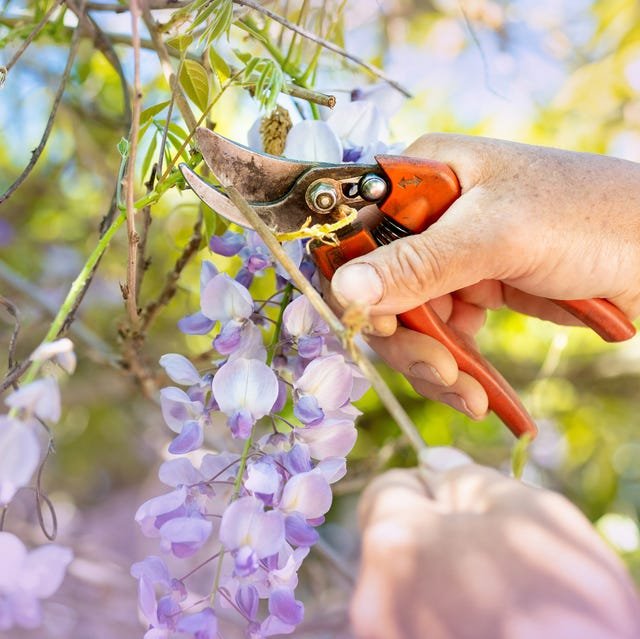
Are you looking to transform your garden into a vibrant oasis this spring? One essential step you can’t afford to overlook is cutting back your perennials.
Properly pruning these plants not only encourages lush, healthy growth but also ensures your garden blooms beautifully throughout the season. Imagine stepping into your garden and being greeted by a riot of colors and thriving plants, all because you took the right steps at the right time.
In this guide, you’ll discover the simple yet effective techniques to trim your perennials for optimal spring growth. Get ready to unlock the secrets to a flourishing garden that will make you the envy of your neighborhood. Keep reading to learn how a few strategic cuts can make all the difference in your garden’s success.
Timing For Cutting Perennials
Cutting back perennials helps plants grow strong and healthy in spring. Knowing the right time to cut is important.
Timing depends on the type of plant and your climate. This guide explains when to prune for best results.
Early Spring Vs Late Fall
Cutting perennials in early spring removes dead growth from winter. It lets new shoots grow freely.
Late fall cutting clears old leaves and stems before winter. It can protect plants from pests and diseases.
- Early spring cutting encourages fresh growth
- Late fall cutting cleans up the garden
- Some perennials do better with spring pruning
- Others benefit from fall cutting
Signs To Start Pruning
Look for dry, brown stems before pruning. These are old parts ready to be cut back.
New green shoots showing at the base mean it is time to prune. Avoid cutting fresh growth.
- Brown, dry stems mean old growth to remove
- Green shoots at the base show new growth
- Wait until frost is over in early spring
- In fall, cut after plants have stopped growing
:max_bytes(150000):strip_icc()/SPR-when-is-it-too-late-to-cut-back-hydrangeas-11784347-eb33c975ea6d4781bef2f1e4669883b2.jpg)
Credit: www.thespruce.com
Tools You’ll Need
Cutting back perennials in spring helps plants grow strong and healthy. Using the right tools makes this job easier and safer.
Gathering the correct tools before starting will save time and protect your plants.
Choosing The Right Shears
Select shears that fit your hand well and can cut through tough stems. Sharp blades reduce damage to plants.
- Bypass pruners for clean cuts on live stems
- Anvil pruners for dry or dead stems
- Long-handled loppers for thick branches
- Keep blades sharp and clean
Safety Gear Essentials
| Gear | Purpose |
| Gloves | Protect hands from cuts and dirt |
| Safety glasses | Shield eyes from debris |
| Long sleeves | Prevent scratches and skin irritation |
| Closed-toe shoes | Protect feet from dropped tools |
Wearing safety gear helps avoid injuries while pruning your perennials.
Step-by-step Cutting Process
Cutting back perennials helps plants grow healthy in spring. It removes old parts and shapes the plant nicely.
Follow this process to care for your perennials and keep your garden neat and strong.
Removing Dead Growth
Start by cutting away all dead leaves and stems. This clears space for new growth and stops disease.
- Look closely for brown or dry parts on the plant.
- Use clean garden shears to cut these parts near the base.
- Remove any old flowers or seed heads left from last year.
- Check the plant all around to find hidden dead growth.
Shaping The Plant
After dead parts are removed, shape the plant to keep it balanced and healthy.
- Trim back long or leggy stems to encourage bushier growth.
- Cut stems at a slight angle for better water absorption.
- Keep the plant’s natural shape but remove any crowded areas.
- Thin out the center if it looks too dense to allow air flow.
Cleaning Up Cuttings
Gather all trimmed pieces and clean the area around the plant to prevent pests.
| Cleanup Task | Reason |
|---|---|
| Collect cuttings in a bag | Stops spread of disease |
| Dispose of debris away from garden | Prevents pests from hiding |
| Rake soil lightly | Helps air reach roots |
| Wash tools after use | Keeps blades sharp and clean |

Credit: bbbarns.com
Plant-specific Tips
Cutting back perennials helps them grow strong in spring. Different plants need different care. Knowing how to trim each type is important.
This guide explains how to cut back tall perennials, ground covers, and flowering varieties for best results.
Cutting Back Tall Perennials
Tall perennials like delphiniums and hollyhocks need careful cutting. Cut them down to about 6-12 inches above the ground. This helps new shoots grow strong.
Remove old, dead stems first. Use sharp garden shears for clean cuts. Avoid cutting too low to protect the crown of the plant.
- Cut tall stems to 6-12 inches high
- Remove dead or damaged stems
- Use clean, sharp shears
- Do not cut below the crown
Trimming Ground Covers
Ground covers like creeping thyme and ajuga spread low and wide. Trim them lightly to remove old growth. This keeps plants healthy and tidy.
Cut back only about one-third of the plant. Avoid cutting too deep to prevent damage. Use pruning scissors or shears for best control.
- Trim about one-third of growth
- Remove dead or brown leaves
- Use pruning scissors for precision
- Do not cut stems too close to soil
Handling Flowering Varieties
Flowering perennials like coneflowers and black-eyed Susans bloom on new growth. Cut back old stems to encourage fresh buds. Cut near the base, leaving a few inches above the soil.
For plants that bloom on old wood, cut only dead or weak stems. This keeps flowers healthy and the plant strong.
- Cut old stems near the base
- Leave 2-3 inches above soil
- Remove dead or weak stems only for old-wood bloomers
- Encourage new growth for spring blooms
Common Mistakes To Avoid
Cutting back perennials helps plants grow strong in spring. Avoid mistakes to keep your garden healthy.
Learn what errors can harm your plants and how to prevent them.
Cutting Too Early Or Late
Cutting perennials too early can stop new growth. Plants may lose energy and stay weak.
Cutting too late removes new shoots and flowers. This delays blooming and plant recovery.
- Wait for signs of new growth before cutting
- Look for firm buds or green shoots
- Avoid cutting when frost is still possible
Over-pruning
Cutting too much can harm your perennials. Plants need leaves to make food and grow.
Over-pruning weakens plants and slows spring growth. Leave some stems and leaves intact.
- Remove only dead or damaged parts
- Keep healthy stems to protect new buds
- Do not cut more than one-third of the plant
Ignoring Plant Health
Ignoring plant health can cause poor growth after cutting. Sick plants need special care.
Check for pests, diseases, and dry soil. Healthy plants recover faster and bloom well.
- Look for spots, holes, or discoloration on leaves
- Water plants if soil feels dry
- Remove diseased parts before cutting back

Credit: www.youtube.com
Encouraging Healthy Spring Growth
Cutting back perennials helps plants grow strong in spring. It removes old stems and makes space for new shoots.
Proper care after cutting back supports healthy roots and leaves. This guide explains how to help your plants after pruning.
Fertilizing After Pruning
Fertilizing gives plants the nutrients they need to grow new stems and leaves. Use a balanced fertilizer to support root and leaf growth.
Apply fertilizer evenly around the base of the plants. Avoid placing it too close to the stems to prevent burning.
- Choose a fertilizer with equal nitrogen, phosphorus, and potassium
- Use slow-release fertilizer for steady feeding
- Water after applying fertilizer to help absorption
Watering Tips
Watering is important after cutting back perennials. It helps plants recover and grow new shoots quickly.
Keep the soil moist but not soggy. Water deeply to encourage strong root growth.
- Water early in the morning to reduce evaporation
- Check soil moisture regularly to avoid drying out
- Use mulch to keep soil moist longer
Mulching Benefits
Mulching helps keep soil temperature steady and retains moisture. It also stops weeds that compete with perennials.
Apply a layer of mulch around plants after pruning. Use organic mulch like bark or compost for best results.
- Keeps soil cool in warm weather
- Prevents water loss from soil
- Improves soil health as it breaks down
- Blocks weed growth near plants
Frequently Asked Questions
When Is The Best Time To Cut Back Perennials For Spring?
The best time to cut back perennials is late winter or early spring. This timing removes dead growth and encourages healthy new shoots before blooming begins.
How Much Should I Cut Back My Perennials?
Cut back perennials by removing about one-third to two-thirds of the old growth. Avoid cutting too low to protect new buds and root systems.
Why Is Cutting Back Perennials Important For Growth?
Cutting back perennials removes dead material, preventing disease and pests. It also stimulates fresh growth and improves air circulation, leading to healthier plants.
Can I Cut Back All Types Of Perennials In Spring?
Most perennials benefit from spring cutting, but some, like ferns or evergreens, do not. Identify your plant type before cutting to avoid damage.
Conclusion
Cutting back perennials helps plants grow strong and healthy. Trim old stems carefully to allow fresh shoots to appear. This simple step supports vibrant flowers and lush leaves. Regular pruning also keeps your garden neat and tidy. Watch your perennials come alive with new energy each spring.
Enjoy the beauty and life this practice brings to your garden. Keep it simple, and your plants will thank you.
