
Do you find yourself constantly searching for the right hand plane in the middle of a project? Does your workspace feel cluttered and chaotic, making it hard to focus on your craft?
You’re not alone. Hand planes are essential tools for any woodworker, but keeping them organized can be a challenge. Imagine the satisfaction of reaching for the exact tool you need without hesitation, knowing exactly where everything is. This article will reveal simple yet effective tips for organizing your hand planes efficiently.
By the end, you’ll not only save time but also enhance your productivity and creativity in your woodworking projects. Dive in, and discover how a well-organized workspace can transform your woodworking experience!

Credit: www.pantorouter.com
Choosing The Right Storage Space
Organizing hand planes well helps keep your workshop neat. It also protects your tools from damage. Picking the right storage space is key to keeping them safe and ready to use.
Think about where you work and how you move around. The best storage fits your space and your needs. This guide shows three ways to find the right spot for your hand planes.
Assessing Workshop Layout
Look at your workshop’s size and shape. Find areas that do not block your work or walking paths. Clear, easy-to-reach places work best. Measure the space to know what fits well.
- Keep hand planes near where you use them most
- Avoid damp or dusty corners
- Use spaces under workbenches or on empty walls
- Check if lighting is good around the storage spot
Considering Accessibility Needs
Plan storage so you can grab tools fast. Think about how often you use each hand plane. Store the most used ones at eye level or within arm’s reach. Less used tools can go higher or lower.
| Tool Use | Storage Height | Accessibility |
| Daily Use | Waist to Eye Level | Easy to Reach |
| Weekly Use | Above or Below Eye Level | Moderate Reach |
| Rare Use | High or Low Shelves | Less Accessible |
Utilizing Vertical Space
Use walls to store hand planes safely. Vertical racks or shelves free up floor space. Hang tools with padded hooks or keep them in wall-mounted cabinets.
- Install sturdy shelves to hold heavy planes
- Use pegboards with custom hooks
- Label each spot for quick identification
- Keep planes upright to protect blades
Customizing Storage Solutions
Organizing hand planes properly helps keep your workspace neat. Custom storage solutions make tools easy to find and protect them from damage.
You can build or adapt storage to fit your hand planes perfectly. This saves time and keeps your tools ready for use.
Building Dedicated Racks
Dedicated racks hold each hand plane in a specific spot. These racks keep planes upright and prevent them from touching each other.
You can make racks from wood or metal. Design slots or shelves that fit the sizes of your hand planes.
- Use angled slots to keep planes steady
- Label each slot for quick tool ID
- Build racks to fit your workspace size
Using Drawer Inserts
Drawer inserts separate hand planes inside drawers. This stops tools from sliding and scratching each other.
Foam or wood inserts can be cut to fit each plane’s shape. This gives each tool a snug, safe place.
- Measure each hand plane before making inserts
- Use firm foam to protect sharp edges
- Customize inserts for easy removal and replacement
Incorporating Magnetic Strips
Magnetic strips hold hand planes on walls or workbenches. This keeps tools visible and frees up drawer space.
Choose strong magnets that can safely hold heavy planes. Place strips where you can easily reach your tools.
- Mount strips at comfortable heights
- Arrange planes by size or use
- Keep magnetic areas clean to maintain grip
Protecting Your Hand Planes
Hand planes are valuable tools for woodworking. Keeping them safe helps them last longer and work better.
Proper care stops damage and keeps your planes ready to use whenever needed.
Preventing Rust And Corrosion
Rust can ruin your hand planes quickly. Store them in dry places and wipe them clean after use.
- Use a rust inhibitor or light oil on metal parts
- Keep planes away from damp areas
- Cover your planes with cloths or cases to block moisture
- Check regularly for any signs of rust
Padding And Cushioning Techniques
Padding protects planes from scratches and dents when stored. Soft materials work best to cushion them.
| Material | Use | Benefits |
| Felt | Lining drawers or boxes | Soft and prevents scratches |
| Cork | Separating planes on shelves | Firm cushion and absorbs shocks |
| Foam | Custom cut inserts | Fits tools snugly to avoid movement |
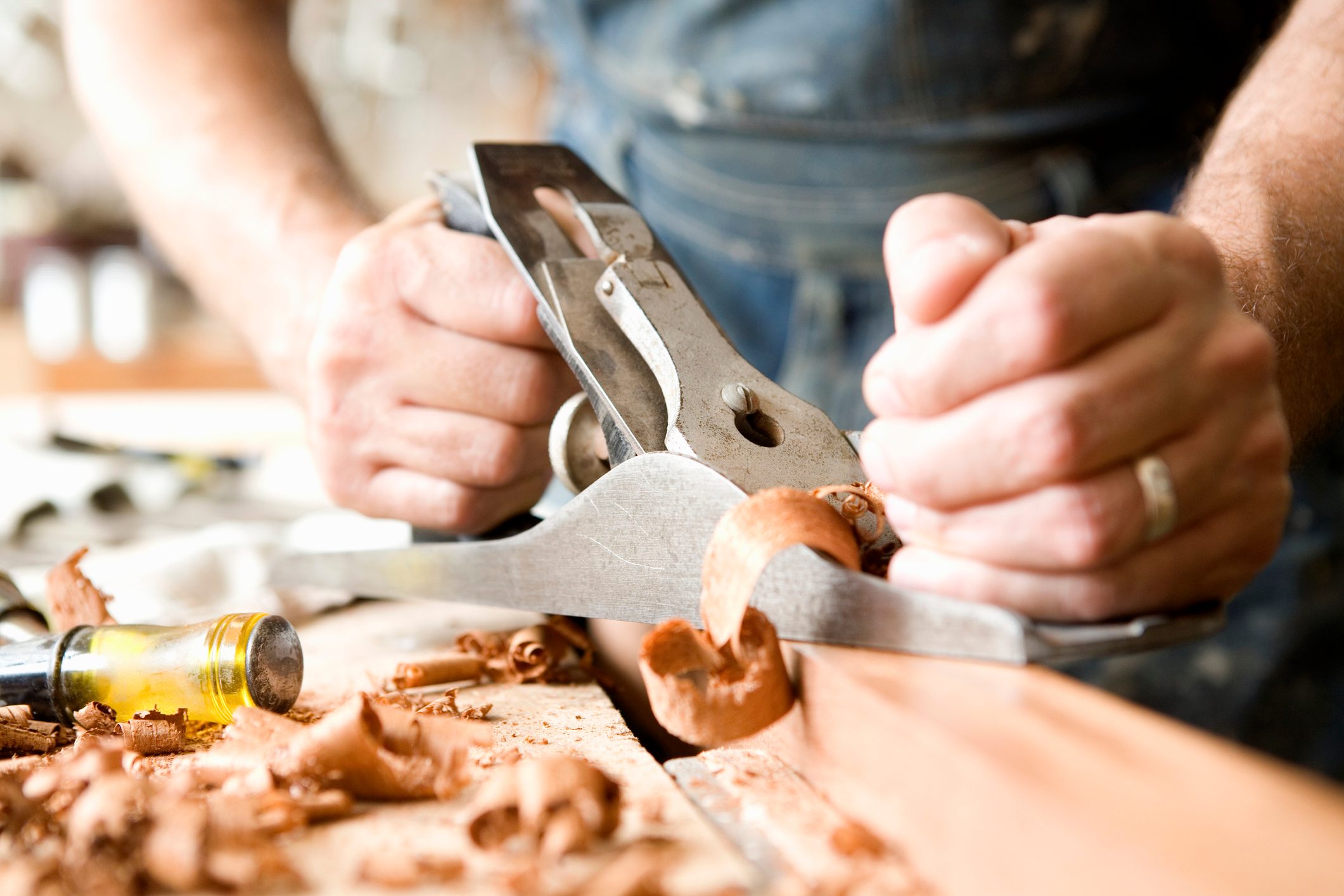
Maintaining Sharpness And Condition
Sharp blades work better and safer. Keep edges clean and sharpened regularly for best results.
- Clean blades after each use
- Sharpen with proper stones or tools
- Store blades separately if possible
- Oil blades lightly to stop rust
Credit: www.familyhandyman.com
Labeling And Categorizing
Organizing hand planes makes work easier and saves time. Labeling and categorizing help keep tools neat.
Clear labels and smart categories let you find the right plane fast. This guide shows simple ways to do it.
Creating Clear Labels
Use simple words on labels to show each hand plane’s type or use. Clear labels avoid confusion.
Print labels or write neatly on tags. Make sure the text is easy to read from a distance.
- Use large fonts
- Include model or size if possible
- Place labels where they are easy to see
Grouping By Size And Type
Sort hand planes by size and type. Grouping helps find the right plane quickly.
Keep similar planes together on shelves or in drawers. This stops mixing different types.
- Group small planes in one section
- Keep smoothing planes together
- Place jointer planes in another spot
Implementing Color Coding
Use colors to mark different groups of hand planes. Color coding speeds up tool selection.
Assign a color to each type or size. Use colored tape, paint, or labels for this.
- Red for large planes
- Blue for medium planes
- Green for small or specialty planes
Maximizing Space With Multi-use Storage
Hand planes are essential for woodworking, but they can take up space. Using smart storage helps keep your tools safe and your workspace neat.
Multi-use storage options save room and make your hand planes easy to find and grab. Choose ideas that fit your space and work style.
Combining Tool Storage With Workbenches
Workbenches with built-in storage keep hand planes close while you work. Drawers or shelves under the bench save space on top.
This setup helps organize your planes by size or use. It also protects tools from dust and damage.
- Use shallow drawers for easy access
- Add dividers to separate different planes
- Include shelves for extra storage
- Keep the bench surface clear for projects
Using Portable Cases
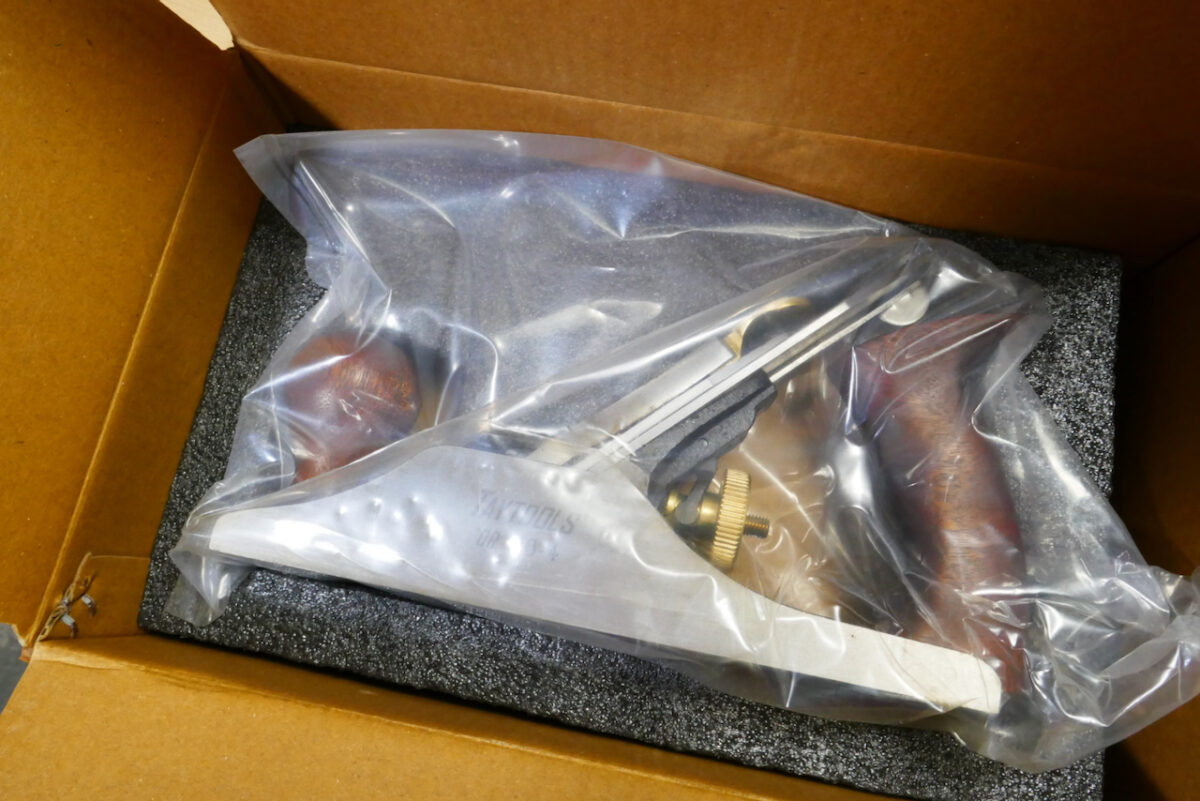
Portable cases protect hand planes and make them easy to carry. These cases often have foam or padded inserts.
They keep your tools safe from bumps and scratches. Portable storage also helps when you work in different locations.
- Choose cases with adjustable compartments
- Look for lightweight and durable materials
- Label cases to quickly find the right plane
- Use handles or straps for easy transport
Stackable And Modular Units
Stackable storage units let you build vertical space for hand planes. Modular units can be arranged to fit your workshop’s size.
You can add or remove units as your tool collection grows. This system keeps your planes organized and off the workbench.
- Use clear or labeled drawers for easy identification
- Stack units to save floor space
- Combine different sizes for varied tool shapes
- Secure stacks to prevent tipping
Credit: www.finewoodworking.com
Maintaining Organization Over Time
Keeping hand planes organized takes ongoing effort. A good system helps save time and keeps your tools ready.
Regular care keeps your workspace clean and prevents clutter from building up.
Regular Cleaning Routines
Clean your hand planes after each use. Remove dust, wood shavings, and dirt from the blades and body.
Use a soft cloth and mild cleaner to avoid damage. Keep metal parts dry to stop rust.
- Wipe blades with oil to protect from rust
- Clean wooden handles with a dry cloth
- Check for loose screws or worn parts
Periodic Inventory Checks
Check your hand plane collection regularly. Make note of any missing or damaged tools.
Organize the inventory list by type and size. This helps you find the right tool quickly.
- Count all hand planes every few months
- Note any repairs or replacements needed
- Update storage labels if necessary
Adapting Storage As Collection Grows
Add new storage options when your collection gets bigger. Avoid crowding tools in one space.
Use shelves, racks, or custom holders to keep planes separated and easy to reach.
- Measure your workspace before adding storage
- Choose adjustable racks for flexibility
- Label each storage area for quick access
Frequently Asked Questions
How Can I Organize Hand Planes By Size Effectively?
Organize hand planes by size using labeled shelves or drawers. Group small, medium, and large planes separately. This makes selection easy and protects tools from damage. Clear labels improve efficiency and save time during woodworking tasks.
What Is The Best Storage Method For Hand Planes?
Use wall-mounted racks or custom shelves for hand plane storage. Ensure each plane has a dedicated spot to avoid clutter. Proper storage prevents rust and keeps blades sharp. Choose materials that resist moisture to prolong tool life.
How Often Should Hand Planes Be Cleaned When Stored?
Clean hand planes before storage to prevent rust and damage. Wipe blades and bodies after each use. Apply a light oil coating for protection. Regular cleaning maintains performance and extends the lifespan of your planes.
Can Organizing Hand Planes Improve Woodworking Efficiency?
Yes, organized hand planes save time finding tools. Efficient setups reduce workspace clutter and improve workflow. Easy access to tools enhances productivity and project quality. Organization also helps maintain tools better, ensuring consistent performance.
Conclusion
Organizing hand planes well saves time and reduces stress. Keep tools clean and dry to avoid damage. Use racks or shelves to store planes safely. Label each plane for quick and easy access. Regularly check and sharpen blades for best results.
A tidy workspace helps you work faster and better. Small efforts make a big difference over time. Start today and enjoy a smoother woodworking experience. Simple steps lead to lasting organization and efficiency.