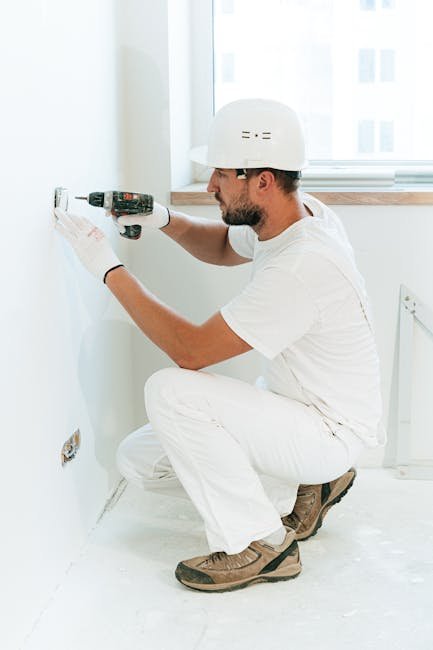
Imagine the satisfaction of transforming a pile of hardware into a fully functional piece of work, all with the power of a cordless drill in your hands. Whether you’re a DIY enthusiast or a homeowner looking to tackle small projects, mastering the art of using a cordless drill can save you time, energy, and money.
But where do you start? The answer lies in understanding the basic yet powerful techniques that turn a simple tool into your best ally in installing hardware. By the end of this guide, you’ll not only feel more confident in using your cordless drill but also eager to take on your next project with newfound ease.
Stay with us, and let’s unlock the full potential of your cordless drill together!
Choosing The Right Drill
Using a cordless drill makes installing hardware easier. Picking the right drill helps you work safely and quickly.
Drills come in many styles and sizes. Knowing the basics helps you select the best one for your tasks.
Battery Types And Power
Cordless drills use different battery types. The battery affects how long you can work and how strong the drill is.
Most drills use lithium-ion batteries. They last longer and charge faster than older types like nickel-cadmium.
- Lithium-ion batteries are lightweight and hold charge well.
- Battery voltage shows the drill’s power. Higher voltage means more strength.
- Choose a battery with enough power for your hardware installation jobs.
Drill Size And Weight
Size and weight affect how easy the drill is to handle. A heavy drill tires your arm faster.
Smaller drills work well for light tasks. Larger drills handle tougher jobs but can feel bulky.
- Choose a drill that feels comfortable in your hand.
- Light drills are best for quick hardware installation.
- Heavier drills work better for thick materials and long jobs.
Keyless Chuck Benefits
A keyless chuck lets you change drill bits without tools. This saves time during hardware installation.
You twist the chuck by hand to loosen or tighten the bit. This is easier and faster than using a key.
- Quick bit changes help you work faster.
- You don’t lose small chuck keys.
- Keyless chucks provide a secure grip on the drill bit.

Credit: www.familyhandyman.com
Essential Drill Bits For Hardware
Using the right drill bits is important for installing hardware safely. Different drill bits fit different tasks.
This guide explains types of drill bits, how to pick the right size, and how to keep your drill bits in good shape.
Types Of Drill Bits
Drill bits come in many shapes and sizes. Each type works best with certain materials or jobs.
- Twist Bits:Good for wood, plastic, and soft metals.
- Masonry Bits:Made for drilling into brick, stone, and concrete.
- Spade Bits:Used to bore large holes in wood quickly.
- Brad Point Bits:Perfect for wood to drill clean holes without splintering.
- Forstner Bits:Create flat-bottomed holes in wood.
Selecting The Correct Size
Choosing the right drill bit size is key for a strong hold. The hole must fit the hardware properly.
| Hardware Type | Drill Bit Size |
| Screws | Match screw shaft diameter |
| Wall Anchors | Use anchor package size |
| Dowels | Same diameter as dowel |
| Nails | Smaller than nail shaft |
Maintaining Drill Bits
Good care keeps drill bits sharp and ready. Dull bits can damage your work or drill.
- Clean bits after use to remove dust and debris.
- Store in a dry case to avoid rust.
- Sharpen bits regularly with a sharpening tool.
- Avoid overheating by drilling slowly and using lubricant for metal.
Preparing For Installation
Using a cordless drill for installing hardware is easier with good preparation. Proper steps help you work safely and get precise results.
This guide covers how to mark drill points, follow safety rules, and set the drill speed and torque correctly.
Marking Drill Points
Marking the right spots to drill is important. It helps you avoid mistakes and makes installation smooth.
- Use a pencil or marker to place dots on where holes go.
- Measure twice to check accuracy before marking.
- Use a level tool to keep marks straight.
- For multiple holes, mark all points before drilling.
Safety Precautions
Safety is key when using a cordless drill. Follow these rules to protect yourself and others.
| Safety Tip | Description |
| Wear Safety Glasses | Protect your eyes from dust and debris. |
| Use Ear Protection | Reduce noise damage during long use. |
| Check Drill Bit | Ensure it is tight and not damaged. |
| Keep Hands Clear | Stay away from the drill bit while working. |
| Work in a Clean Area | Remove obstacles to avoid trips or falls. |
Setting Drill Speed And Torque
Adjusting the drill speed and torque helps prevent damage to the material and hardware.
Follow these tips to set your drill correctly:
- Choose low speed for hard materials like metal or hardwood.
- Use higher speed for soft materials like plastic or softwood.
- Set torque low to avoid stripping screws.
- Increase torque for bigger screws or tougher materials.
Drilling Techniques
Using a cordless drill correctly helps you install hardware safely and easily.
Good drilling techniques improve your results and protect your materials.
Starting The Hole
Begin by marking the spot where you want the hole. Use a pencil or a marker.
Hold the drill bit at a right angle to the surface. This helps make a straight hole.
- Set the drill speed to low for better control.
- Press the trigger gently to start drilling.
- Keep the drill steady as the bit bites into the surface.
Maintaining Drill Stability
Keep your hands firm on the drill and your body balanced. This stops the drill from slipping.
| Tip | How to Do It |
| Hold Firmly | Use both hands to grip the drill tightly |
| Body Position | Stand with feet shoulder-width apart |
| Drill Angle | Keep drill straight and steady |
| Pressure | Apply steady, moderate force |
Avoiding Common Mistakes
Many people make errors that can damage the drill or work surface.
- Do not force the drill too hard; let the bit cut.
- Avoid drilling at an angle unless needed for the task.
- Do not use dull drill bits; sharpen or replace them.
- Always wear safety glasses to protect your eyes.
Installing Screws And Hardware
Using a cordless drill makes installing screws and hardware faster and easier. It helps you work on many projects around the house.
Knowing how to use the drill properly keeps the screws tight and the hardware secure. It also prevents damage to materials.
Using The Right Screwdriver Bit
Pick a screwdriver bit that matches the screw head. This helps the bit fit tightly and reduces slipping.
Common bits include Phillips, flathead, and Torx. Using the wrong bit can strip the screw or damage the drill.
- Match bit shape with screw head shape
- Check bit size fits screw snugly
- Change bits for different screw types
Driving Screws Without Stripping
Hold the drill steady and apply even pressure. Start slow to keep control over the screw.
Stop driving the screw as soon as it feels tight. Overdriving can strip the screw or damage the material.
- Keep drill aligned with the screw
- Use slow speed for better control
- Stop once screw is flush with surface
Adjusting Torque Settings
Torque controls how hard the drill turns the screw. Adjusting it helps avoid overdriving or stripping screws.
Use low torque for small screws and soft materials. Use higher torque for big screws and hard surfaces.
- Start with low torque setting
- Increase torque if screw doesn’t go in
- Lower torque to avoid stripping
Credit: iphonedocomoss.com
Troubleshooting Tips
Using a cordless drill to install hardware is easy. Sometimes, problems can happen. This guide helps you fix common issues fast.
Follow these tips to keep your work smooth and safe. Fix problems like slippage, misaligned holes, and battery troubles quickly.
Dealing With Slippage
Slippage happens when the drill bit or screw slips out of place. This can damage the material or make holes uneven.
Check the drill bit and screws often. Make sure the bit fits tightly in the chuck. Use the right bit for the screw type.
- Tighten the chuck firmly before drilling.
- Use a bit that matches the screw size.
- Hold the drill steady with both hands.
- Apply steady pressure without pushing too hard.
Fixing Misaligned Holes
Misaligned holes happen when the drill moves or the bit is not lined up. This can make hardware fit poorly.
Mark the spot clearly before drilling. Use a center punch or nail to make a small dent. This keeps the bit from slipping.
- Check the drill angle before starting.
- Keep the drill steady and straight.
- Drill slowly at first to guide the bit.
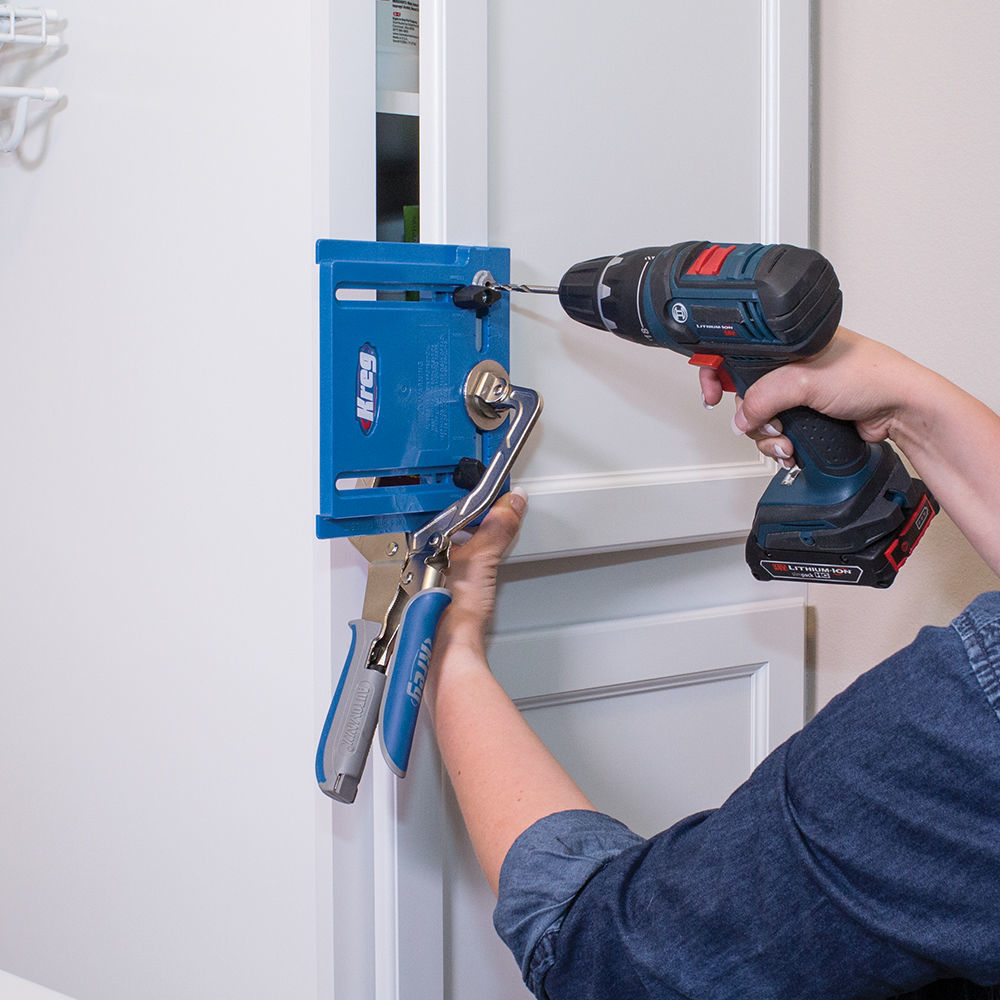
- Use clamps to hold materials in place.
Battery And Drill Maintenance
Good battery and drill care keeps your tool working well. Poor maintenance can cause weak power or tool failure.
Charge batteries fully before use. Avoid letting batteries drain completely. Clean the drill and vents to stop dust build-up.
- Store batteries in a cool, dry place.
- Use the charger made for your battery.
- Wipe the drill with a dry cloth after use.
- Check for loose parts and tighten them.

Credit: www.amazon.ca
Frequently Asked Questions
What Safety Tips Should I Follow Using A Cordless Drill?
Always wear safety goggles and gloves. Keep hair and clothes away from the drill. Use the right drill bit and maintain a firm grip to avoid accidents.
How Do I Choose The Correct Drill Bit Size?
Match the drill bit size to your screw or hardware. Check the hardware instructions for recommended drill bit size. Using the correct size ensures secure installation.
Can I Use A Cordless Drill On Different Materials?
Yes, cordless drills work on wood, metal, and plastic. Use specific drill bits designed for each material. Adjust the drill speed to prevent damage.
How Do I Prevent Stripping Screws With A Cordless Drill?
Use the correct screwdriver bit and moderate speed. Apply consistent pressure without forcing the drill. Stop when the screw is flush with the surface.
Conclusion
Using a cordless drill makes hardware installation easier and faster. Choose the right drill bit and set the correct speed. Always hold the drill steady for better control. Drill pilot holes to avoid splitting the wood. Take your time and work carefully.
Practice helps you gain confidence and improve skills. Soon, installing hardware will feel simple and quick. Keep safety in mind and enjoy your project.