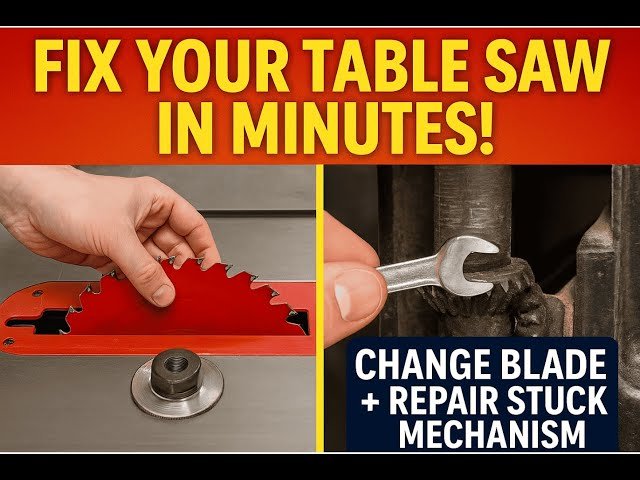
Are you tired of struggling with dull table saw blades that slow down your projects and leave you with rough, unsatisfactory cuts? You’re not alone.
Many DIY enthusiasts and professionals alike face this common challenge. But the good news is, replacing a table saw blade doesn’t have to be a daunting task. With the right tips and tricks at your disposal, you can transform this chore into a quick and efficient process.
Imagine the satisfaction of slicing through wood like butter, achieving those clean, precise cuts you’ve always desired. We’ll guide you through the essential steps to replace your table saw blade seamlessly. Get ready to enhance your woodworking game and tackle your next project with confidence. Keep reading to discover how a simple blade change can revolutionize your workbench experience.

Credit: allflavorworkshop.com
Choosing The Right Blade
Picking the right blade for your table saw is important. It makes cutting easier and safer.
Different blades work better for certain jobs. Knowing which to use saves time and effort.
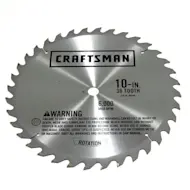
Blade Types And Their Uses
There are many types of table saw blades. Each type is made for a special task.
- Rip Blades cut along the wood grain for fast, rough cuts.
- Crosscut Blades cut across the wood grain for smooth finishes.
- Combination Blades can do both ripping and crosscutting.
- Plywood Blades reduce splintering on thin sheets.
- Fine-Tooth Blades are good for cutting metal and plastic.
Material Compatibility
Choose a blade that fits the material you plan to cut. Different materials need different blades.
Wood needs blades with sharp teeth. Metals need blades with harder edges. Plastic needs smooth teeth to avoid melting.
- Softwood and hardwood require standard wood blades.
- Non-ferrous metals need carbide-tipped blades.
- Plastic needs blades with fine teeth to cut cleanly.
- Plywood needs blades designed to reduce splinters.
Blade Size And Tooth Count
Blade size must match your table saw’s specifications. Tooth count affects cut speed and smoothness.
Larger blades cut deeper. More teeth give smoother cuts but slower speed. Fewer teeth cut faster but rougher.
| Blade Size | Common Tooth Count | Use |
|---|---|---|
| 10 inches | 24-80 teeth | Most general cutting tasks |
| 8 inches | 40-60 teeth | Smaller saws and fine cuts |
| 12 inches | 40-100 teeth | Heavy-duty and deeper cuts |
Preparing For Blade Replacement
Replacing a table saw blade requires care and proper preparation. This helps keep you safe and makes the task easier.
Before starting, you should gather the right tools, ensure the saw is off, and create a safe workspace.
Gathering Necessary Tools
Having all tools ready before you begin saves time. It also helps prevent accidents by avoiding interruptions.
- Wrench or blade-changing tool
- Safety gloves to protect your hands
- Eye protection like safety glasses
- Clean cloth or brush to remove sawdust
- Blade lubricant if recommended
- Owner’s manual for specific instructions
Ensuring Power Is Off
Always make sure the table saw is unplugged before replacing the blade. This stops the saw from accidentally turning on.
| Safety Step | Action |
|---|---|
| Unplug the saw | Remove the power cord from the outlet |
| Double check | Try to turn on the saw to confirm no power |
| Lockout | Use a lock or tag if available for extra safety |
Setting Up A Safe Workspace
Clear your workspace to avoid tripping or knocking over tools. Good lighting helps you see what you are doing clearly.
- Remove clutter and sawdust around the saw
- Work on a stable surface with enough room
- Keep children and pets away
- Have a trash bin nearby for old blades and debris
- Wear close-fitting clothes to avoid getting caught
Removing The Old Blade
Replacing a table saw blade starts with removing the old one. This task needs care and the right steps.
Follow these tips to remove the blade safely and prepare for the new blade installation.
Loosening The Arbor Nut
The arbor nut holds the blade tightly in place. You must loosen it before removing the blade.
Use the correct wrench and turn the nut in the right direction to avoid damage.
- Unplug the saw for safety.
- Use the blade lock or a piece of wood to stop blade movement.
- Turn the arbor nut counterclockwise to loosen it.
- Keep the wrench steady to avoid slipping.
Handling The Blade Safely
Table saw blades are very sharp. Handle them with care to prevent cuts.
Wear gloves and hold the blade by the edges only. Avoid touching the teeth.
- Wear thick gloves for protection.
- Hold the blade at the flat sides.
- Place the blade on a safe surface when setting it down.
Inspecting The Arbor And Flanges
Before installing a new blade, check the arbor and flanges for damage. Clean them well.
Good condition parts help the blade run smoothly and safely.
- Look for rust, dirt, or bent parts on the arbor.
- Check the flanges for cracks or warping.
- Clean with a dry cloth to remove dust and debris.
- Replace any damaged parts before fitting the new blade.
Credit: www.searspartsdirect.com
Installing The New Blade
Installing a new table saw blade needs careful attention. The blade must fit perfectly for safe and smooth operation.
Follow these tips to install the blade properly and keep your saw working well.
Aligning The Blade Correctly
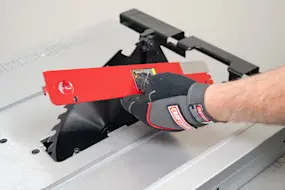
Place the blade so that its teeth face the front of the saw. Make sure the blade sits flat on the arbor flange. Misalignment can cause vibration and poor cuts.
- Check that the blade is not warped or bent.
- Ensure the blade fits snugly on the arbor.
- Align the blade teeth to point in the saw’s rotation direction.
Securing The Arbor Nut
After the blade is aligned, secure it by tightening the arbor nut. This holds the blade firmly in place and stops slipping during use.
Use these tips for tightening the arbor nut:
- Hold the blade steady with a block of wood to prevent spinning.
- Turn the arbor nut clockwise by hand until it is snug.
- Use a wrench to tighten the nut firmly, but avoid over-tightening.
Checking Blade Tightness
After installation, check the blade tightness again before use. A loose blade can be dangerous and damage your saw.
| Check Point | What to Do |
| Blade Movement | Try to wiggle the blade gently. It should not move. |
| Arbor Nut | Confirm the nut is tight with a wrench. |
| Test Cut | Make a test cut to hear for unusual sounds or vibrations. |
Safety Precautions During Replacement
Replacing table saw blades requires careful attention to safety. Taking the right precautions prevents accidents. Always prepare your workspace before starting.
Following safety rules protects you from injuries. Use the proper tools and follow each step carefully. Keep distractions away during the process.
Using Protective Gear
Wear safety gear to protect your eyes, hands, and ears. Proper gear reduces the risk of injury. Safety glasses shield your eyes from dust and debris.
- Wear safety glasses or goggles
- Use cut-resistant gloves
- Wear ear protection to reduce noise
- Use a dust mask if sawdust is heavy
Avoiding Common Mistakes
Many accidents happen from simple mistakes. Check the blade size and type before buying. Make sure the saw is unplugged before starting work.
| Common Mistake | How to Avoid |
| Using wrong blade size | Measure blade diameter before purchase |
| Not unplugging the saw | Always disconnect power first |
| Loose blade installation | Tighten the blade securely with tools |
| Ignoring the manual | Read instructions carefully before replacing |
Keeping Hands Clear Of The Blade
Keep your hands away from the blade at all times. Use tools to hold or adjust the blade instead of fingers. Stay focused and do not rush the replacement.
- Use a wrench or blade changing tool
- Keep hands at least 6 inches from blade edge
- Do not wear loose clothing or jewelry
- Work slowly and carefully without distractions
Fine-tuning For Precision Cuts
Precision cuts depend on more than just a sharp blade. You need to adjust your table saw for the best results.
This guide covers key adjustments to make your cuts accurate and smooth every time.
Adjusting Blade Height And Angle
Setting the correct blade height and angle helps you cut clean and straight. The blade should rise just above the wood thickness.
- Raise the blade so its teeth are about 1/8 inch above the wood.
- Use a bevel gauge to set the blade angle for angled cuts.
- Tighten the blade lock to keep the angle steady.
Calibrating The Fence And Miter Gauge
Fence and miter gauge must be square to the blade for precise cuts. Misalignment causes uneven edges and waste.
| Part | Check | Tool Needed |
| Fence | Parallel to blade | Combination square |
| Miter Gauge | Square to blade | Carpenter’s square |
| Blade Angle | Set angle correctly | Bevel gauge |
Test Cutting And Making Adjustments
Always test cut scrap wood before your project. Check the cut for accuracy and smoothness.
Adjustments to check after test cuts:
- Blade height if cut is too shallow or rough
- Fence alignment if the cut is off width
- Miter gauge angle if crosscuts are not square
- Blade sharpness if cuts tear or burn the wood
Maintaining Blades For Longevity
Table saw blades need care to last longer and work well. Proper maintenance keeps cuts clean and safe.
Follow simple steps to clean, store, and know when to replace blades. This helps you avoid damage and saves money.
Cleaning And Lubricating
Remove pitch, resin, and dirt from blades after use. This stops rust and keeps the blade sharp.
- Use a soft brush to clean the teeth and body.
- Apply a blade cleaner or mild detergent for stubborn buildup.
- Rinse with water and dry completely to prevent rust.
- Lightly oil the blade to protect from moisture.
Storing Blades Properly
Store blades in a dry, safe place to avoid damage and rust. Keep blades separate to prevent teeth from dulling.
| Storage Method | Benefit |
| Hang on a pegboard | Prevents contact and keeps blades dry |
| Use blade cases or sleeves | Protects teeth from impacts and dust |
| Keep in a toolbox with dividers | Organizes blades and stops them from rubbing |
When To Replace Blades
Change blades if they cut poorly or show wear signs. Dull blades cause rough cuts and strain the saw motor.
- Check for chipped or missing teeth regularly.
- Notice if the blade burns wood or needs extra force.
- Replace if sharpening no longer fixes cutting quality.
- Use the right blade type for the material you cut.
Credit: www.searspartsdirect.com
Frequently Asked Questions
How Do I Safely Remove A Table Saw Blade?
First, unplug the saw to prevent accidents. Use a wrench to loosen the arbor nut. Hold the blade securely while unscrewing. Always follow your saw’s manual for specific instructions.
When Should I Replace My Table Saw Blade?
Replace the blade when cuts become rough or slow. Dull teeth cause burning or tear-out. Also, replace if teeth are chipped or missing. Regular inspection ensures safe and precise cutting.
What Type Of Blade Suits Different Materials?
Use carbide-tipped blades for hardwood and plywood. Fine-toothed blades work best for laminates and veneers. For metal cutting, select blades designed specifically for metal. Choosing the right blade improves cut quality.
How Do I Align A New Table Saw Blade?
Ensure the blade is parallel to the miter slot. Use a combination square or alignment tool. Proper alignment prevents binding and kickback. Check alignment after blade installation for safety.
Conclusion
Replacing table saw blades takes care and focus. Always unplug the saw before starting. Choose the right blade for your project. Tighten the blade securely, but do not force it. Check blade alignment for smooth cuts. Clean the saw and blade regularly.
Following these steps keeps your saw safe and working well. Enjoy better cuts with less effort. Keep practicing to improve your skills. Simple actions make a big difference in results. Stay safe and take your time.