Are you looking to give your garden a fresh, vibrant look while ensuring its health and longevity? Mulching is a simple yet powerful technique that can transform your garden into a thriving oasis.
But did you know you can achieve this with just a garden spade? Yes, that’s right! You don’t need fancy tools or gadgets to make a big impact. With the right approach, your trusty garden spade can become your best ally in creating a lush, well-maintained garden.
Dive in to discover how you can master the art of mulching with a garden spade and unlock the secret to a garden that not only looks stunning but also nurtures your plants. Ready to get started? Let’s dig in!
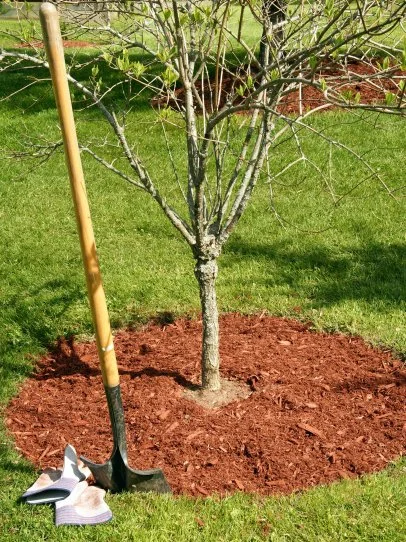
Credit: www.hgtv.com
Benefits Of Mulching
Mulching helps plants grow stronger and healthier. It covers the soil around plants with a protective layer.
This layer can be made from leaves, straw, wood chips, or other natural materials. Mulching brings many benefits to your garden.
Improving Soil Health
Mulch breaks down over time and adds nutrients to the soil. It helps earthworms and microbes live in the soil. These creatures make the soil loose and rich.
Good soil holds water better and lets roots grow deep. Mulching also stops soil from washing away during rain.
Retaining Moisture
Mulch keeps water in the soil by slowing down evaporation. This means plants need less watering. The soil stays damp longer, which helps roots stay healthy.
- Reduces watering frequency
- Keeps soil moist in hot weather
- Protects roots from drying out
Weed Control
Mulch blocks sunlight from reaching weed seeds. This stops weeds from growing fast. Less weeds mean less work for you and more space for your plants.
Temperature Regulation
| Season | Mulch Effect |
|---|---|
| Summer | Keeps soil cool and prevents heat damage |
| Winter | Insulates soil to protect roots from freezing |
Mulch acts like a blanket. It keeps soil cooler in summer and warmer in winter. This helps plants grow better all year long.

Credit: www.amazon.ca
Choosing The Right Mulch
Mulching helps keep soil moist and stops weeds from growing. Picking the right mulch is important for your garden’s health.
Different mulches work better for certain plants and soil types. Learn how to choose the best one for your garden.
Organic Vs Inorganic Mulch
Organic mulch comes from natural materials like leaves and wood. It breaks down over time and adds nutrients to the soil.
Inorganic mulch includes things like plastic or rocks. It lasts longer but does not improve soil health.
- Organic mulch improves soil quality
- Inorganic mulch controls weeds for a long time
- Organic mulch needs to be replaced more often
- Inorganic mulch does not add nutrients
Common Mulch Materials
Many materials can be used as mulch. Each type has different benefits and uses in the garden.
- Wood chips: good for trees and shrubs
- Straw: light and good for vegetable gardens
- Grass clippings: easy to find, add nitrogen
- Gravel or stones: best for paths and flower beds
- Plastic sheets: block weeds and keep soil warm
Best Mulch For Different Plants
Some mulches work better with certain plants. Match mulch type to your plants’ needs for best growth.
| Plant Type | Best Mulch | Reason |
|---|---|---|
| Vegetables | Straw or grass clippings | Light, adds nutrients, keeps soil moist |
| Trees and Shrubs | Wood chips or bark | Long-lasting, protects roots |
| Flower Beds | Gravel or shredded leaves | Good drainage, prevents weeds |
| Pathways | Gravel or plastic sheets | Reduces mud, blocks weeds |
Preparing Your Garden Bed
Mulching helps keep your garden healthy and soil moist. Preparing your garden bed is key to good results. Use a garden spade to get the soil ready.
This guide covers clearing debris and weeds, loosening the soil, and checking soil moisture.
Clearing Debris And Weeds
Remove old leaves, sticks, and weeds from the bed. This clears space for new mulch and plants. A clean bed helps prevent pests and diseases.
- Pick up fallen branches and leaves by hand.
- Use your garden spade to dig out weeds from the roots.
- Dispose of debris away from the garden area.
Loosening The Soil
Use your garden spade to turn the soil gently. Loosening soil lets air and water reach plant roots better.
| Tool | Action |
| Garden Spade | Dig and turn soil 6-8 inches deep |
| Hand Rake | Break soil clumps and smooth surface |
| Watering Can | Lightly moisten soil after loosening |
Checking Soil Moisture
Check if the soil feels damp but not soggy. Mulch works best on moist soil. Dry soil needs watering before mulching.
- Push your finger 2 inches into the soil.
- If soil sticks to your finger, moisture is good.
- If soil feels dry, add water slowly.
Using A Garden Spade For Mulching
Mulching with a garden spade helps improve soil health. It also keeps moisture in and weeds out.
Using the right spade and techniques makes mulching easier. Safety is important to avoid injuries.
Selecting The Proper Spade
Choose a spade with a sharp, flat blade for easy digging and cutting. A strong handle made of wood or fiberglass lasts longer.
- Look for a spade with a comfortable grip.
- Pick a blade size that matches your garden scale.
- A spade with a pointed tip can dig in tough soil.
- Lightweight spades reduce arm strain during work.
Techniques For Spade Mulching
Use the garden spade to loosen soil before adding mulch. This helps nutrients reach roots.
- Dig small trenches or shallow holes around plants.
- Place mulch evenly over the soil surface.
- Use the spade to gently press mulch to the soil.
- Leave space near stems to avoid rot.
- Water the mulch to help it settle.
Spade Safety Tips
| Safety Tip | Description |
|---|---|
| Wear Gloves | Protect hands from blisters and cuts. |
| Check Spade Condition | Ensure blade is sharp and handle is secure. |
| Use Proper Posture | Bend knees, not back, to avoid strain. |
| Clear Work Area | Remove rocks and debris before digging. |
| Store Safely | Keep spade in a dry place to prevent rust. |
Step-by-step Mulching Process
Mulching helps keep your garden healthy and moist. Using a garden spade makes this job easier and neater.
This guide shows how to mulch with a garden spade in simple steps. Follow these for good results.
Cutting And Turning The Soil
Start by using the garden spade to cut into the soil around your plants. This loosens the ground and prepares it for mulch.
Turn the soil gently to mix in any old mulch or debris. This helps air reach the roots and improves soil health.
Spreading The Mulch Evenly
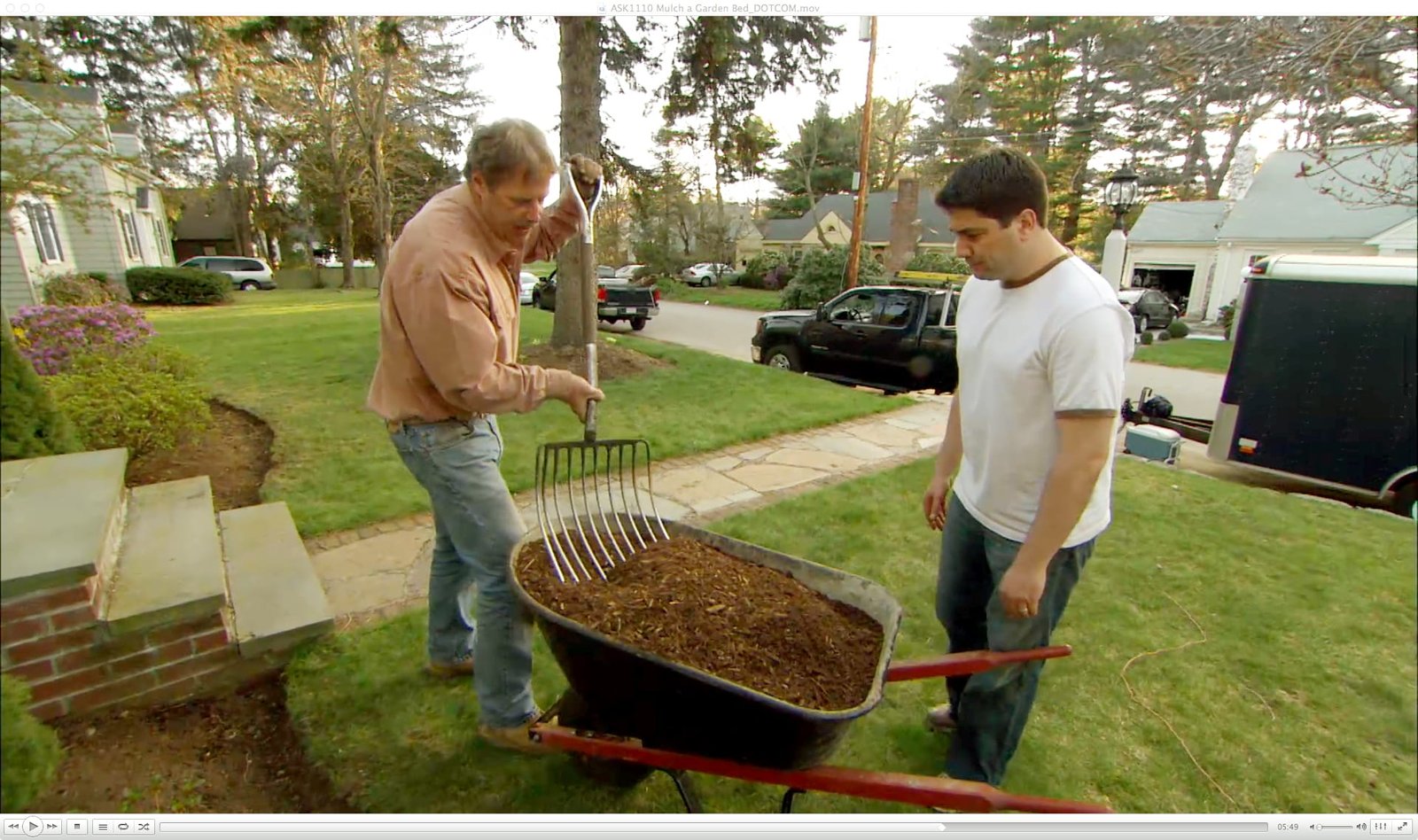
Use the garden spade to scoop mulch from your pile. Spread it evenly around your plants, keeping it a few inches from stems.
Make sure the mulch layer is about 2 to 3 inches thick. This thickness keeps weeds down and soil moist.
- Keep mulch away from plant stems to avoid rot
- Cover all soil surfaces evenly
- Avoid piling mulch too thick in one spot
Tamping Down The Mulch
After spreading mulch, use the flat side of the garden spade to press it down lightly. This keeps it from blowing away.
Press gently to avoid compacting the soil below. Tamping helps mulch stay in place during wind or rain.
Watering After Mulching
Water the mulched area well after you finish. This helps the mulch settle and starts moisture retention.
Keep the soil moist but not soggy. Watering helps mulch do its job for your plants.
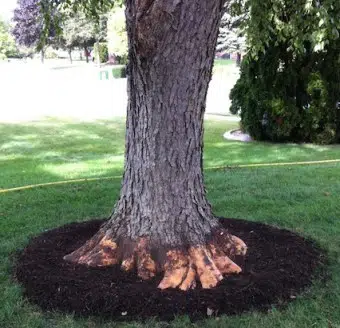
Credit: holdenfg.org
Maintaining Mulched Gardens
Mulching helps keep your garden healthy and neat. It stops weeds and saves water.
Using a garden spade makes mulching easy. You can spread mulch evenly and keep it fresh.
Monitoring Mulch Depth
Check mulch depth regularly to keep plants healthy. Too much mulch can harm roots.
Keep mulch about 2 to 3 inches deep. This stops weeds and holds moisture well.
- Use your hand or a ruler to measure mulch depth
- Look for bare spots or thin areas
- Check after heavy rain or wind
Replenishing Mulch
Add fresh mulch when the layer looks thin or breaks down. This keeps protection strong.
Use your garden spade to spread new mulch evenly. Avoid piling mulch near plant stems.
- Clear old mulch if it is moldy or compacted
- Spread new mulch gently with the spade
- Keep mulch away from tree trunks and plant bases
Avoiding Common Mulching Mistakes
Mulching mistakes can hurt your plants. Avoid piling mulch too thick or too close.
Use dry mulch to stop mold. Keep mulch loose to allow air and water to pass.
- Do not cover plant crowns or stems with mulch
- Do not use mulch that is wet or rotting
- Do not apply mulch too thickly; 3 inches max
Frequently Asked Questions
How Do I Mulch Using A Garden Spade Effectively?
To mulch effectively with a garden spade, loosen soil gently, spread mulch evenly, and avoid compacting it. Use the spade to create shallow trenches for mulch placement, ensuring nutrients reach roots and moisture is retained.
What Type Of Mulch Works Best With A Garden Spade?
Organic mulches like bark chips, straw, and compost work best. They are easy to spread with a garden spade and improve soil health while retaining moisture and suppressing weeds.
How Deep Should Mulch Be Applied With A Garden Spade?
Apply mulch 2 to 4 inches deep for optimal moisture retention and weed control. Avoid piling mulch against plant stems to prevent rot and allow proper air circulation.
Can A Garden Spade Help Mix Mulch Into Soil?
Yes, a garden spade can gently mix mulch into the topsoil, improving nutrient exchange. Light mixing encourages better soil structure without disturbing plant roots.
Conclusion
Mulching with a garden spade helps keep soil healthy and moist. It also stops weeds from growing too much. Using a spade makes spreading mulch easy and neat. Take your time to cover all areas evenly. Remember to leave space around plant stems.
This simple step helps plants grow better. Keep adding mulch as needed through the seasons. Your garden will look neat and stay healthy. Try this method for a better garden bed. Small efforts bring big changes in your garden.