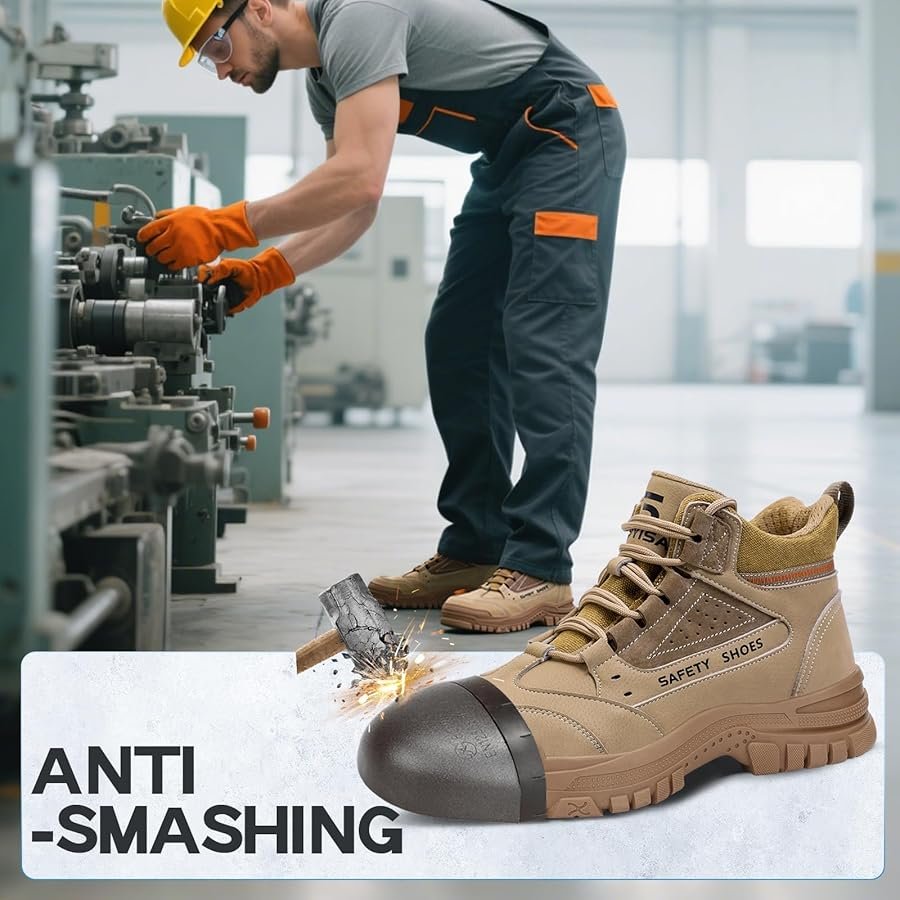
Are you gearing up for an industrial project and wondering how to keep your feet safe without compromising on comfort? You’re not alone.
Safety boots are a crucial part of your work attire, protecting you from potential hazards in the workplace. But wearing them correctly can make all the difference between a productive day and a painful experience. Imagine walking confidently, knowing you’re shielded from falling objects, sharp tools, and slippery surfaces.
You’ll discover the essential tips for wearing safety boots effectively, ensuring you stay safe and comfortable throughout your workday. Don’t miss out on these practical insights that can keep you a step ahead in your industrial projects.
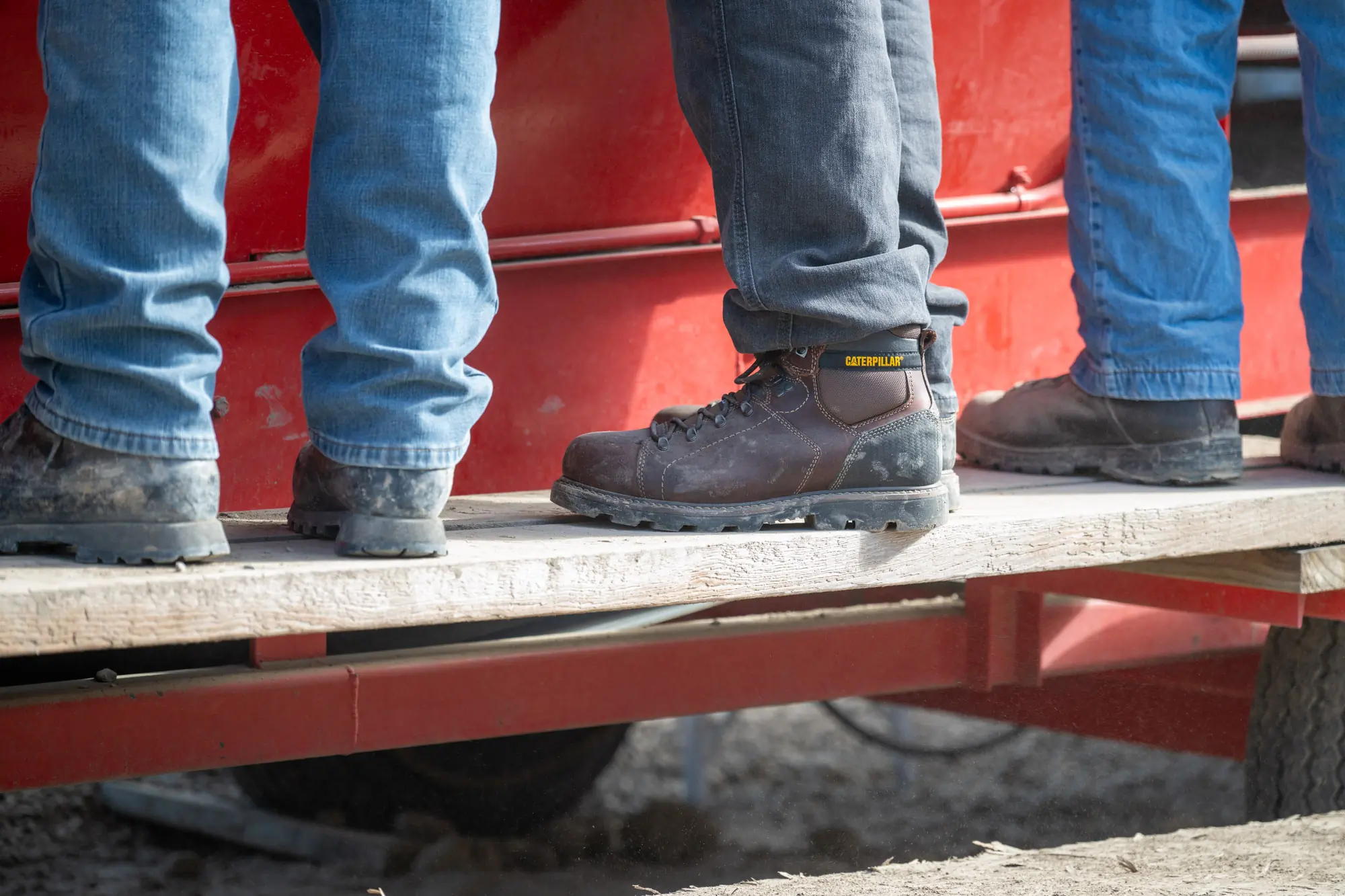
Credit: gearjunkie.com
Choosing The Right Safety Boots
Safety boots protect your feet during industrial projects. Picking the right boots keeps you safe and comfortable.
Different jobs need different boots. Know what to look for before buying safety boots.
Types Of Safety Boots
There are several types of safety boots for different risks and work conditions. Choose the type that fits your job needs.
- Steel Toe Boots:Protect toes from heavy falling objects.
- Composite Toe Boots:Use non-metal materials for lighter protection.
- Waterproof Boots:Keep feet dry in wet environments.
- Electrical Hazard Boots:Reduce risk of electric shocks.
- Slip-Resistant Boots:Provide grip on slippery floors.
Material And Durability
Safety boots come in different materials. The material affects how long boots last and how they protect.
Leather is strong and lasts long. Synthetic materials can be lighter and waterproof.
- Leather:Durable and protects well from cuts and heat.
- Rubber:Good for wet and muddy places.
- Polyurethane:Lightweight and resistant to chemicals.
- Gore-Tex:Waterproof and breathable for comfort.
Size And Fit Considerations
Boots must fit well. Poor fit can cause blisters and reduce safety.
Try boots with the socks you wear at work. Check for enough toe space and heel grip.
- Measure your feet at the end of the day for best fit.
- Leave about a half-inch space at the toes.
- Ensure the heel does not slip when walking.
- Wear boots for a few minutes to check comfort.
Essential Safety Features
Safety boots protect workers in tough industrial jobs. Choosing the right boots keeps feet safe and comfortable.
Look for boots with key safety features. These features reduce risks on the worksite.
Toe Protection Options
Toe protection stops heavy objects from injuring your toes. Different materials offer various levels of safety.
Steel toes are strong but heavy. Composite toes are lighter and do not conduct heat or cold.
- Steel toe caps protect against impact and compression
- Composite toes are made from plastic or carbon fiber
- Aluminum toes are lighter but still strong
Slip Resistance
Slip-resistant soles help you walk safely on wet or oily floors. They reduce the chance of falls.
Look for boots with rubber or polyurethane soles. These materials grip better on slippery surfaces.
- Deep treads increase traction
- Soles designed for wet or oily conditions
- Slip resistance tested by safety standards
Waterproofing And Breathability
Waterproof boots keep feet dry in wet environments. Breathable materials prevent sweat buildup inside.
Look for boots with waterproof membranes. These block water but allow air flow to keep feet cool.
- Waterproof leather and synthetic uppers
- Breathable liners like Gore-Tex
- Sealed seams to stop water entry
Electrical Hazard Protection
Electrical hazard boots protect you from electric shocks. They prevent electricity from passing through your feet.
These boots have non-conductive soles and heels. They are important when working near live wires or equipment.
- Insulated soles block electric current
- Meets safety standards for electrical protection
- Use in areas with risk of electric shock
Proper Wearing Techniques
Wearing safety boots correctly protects your feet during industrial work. Proper fit and support reduce injury risks and improve comfort.
Follow these tips to wear your safety boots the right way for all-day use on site.
Lacing And Securing Boots
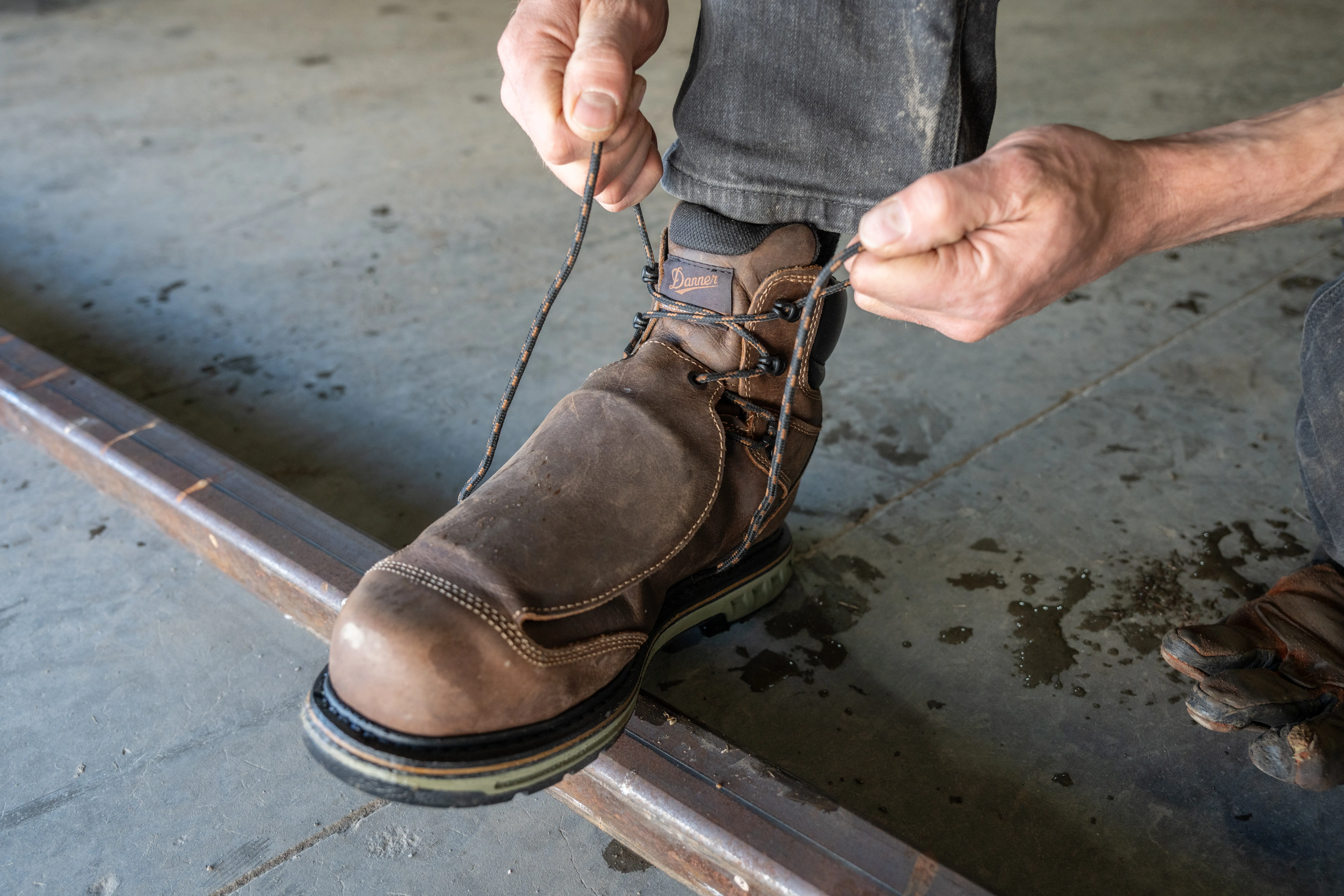
Tie your safety boots tightly but not too tight. Secure laces keep boots stable and prevent slipping.
- Start lacing from the bottom eyelets to the top.
- Make sure the tongue of the boot is centered.
- Pull laces evenly on both sides.
- Double knot to prevent loosening during work.
- Check laces regularly for wear and replace if needed.
Using Insoles For Comfort
Insoles add extra cushioning and support inside your boots. Choose insoles designed for industrial use.
| Type of Insole | Benefit | Recommended For |
| Gel Insoles | Shock absorption | Heavy walking and standing |
| Foam Insoles | Lightweight cushioning | General use |
| Orthotic Insoles | Arch support | Flat feet or foot pain |
Breaking In New Boots
New boots feel stiff at first. Break them in slowly to avoid blisters and soreness.
- Wear the boots for short periods indoors.
- Increase wear time by an hour each day.
- Use thick socks to protect your feet.
- Apply leather conditioner to soften the material.
- Stop if you feel pain and adjust fit if needed.
Maintenance And Care Tips
Safety boots protect your feet during tough industrial projects. Proper care keeps them strong and safe.
Follow simple steps to clean, store, and know when to replace your boots. This helps them last longer.
Cleaning Methods
Cleaning your safety boots removes dirt and prevents damage. Use a soft brush to remove loose dirt first.
- Wipe boots with a damp cloth and mild soap
- Rinse with clean water to remove soap
- Dry boots away from direct heat or sunlight
- Apply leather conditioner if boots are leather
- Clean boots regularly after use
Storage Recommendations
Store safety boots in a cool, dry place. Avoid damp or hot areas to stop damage to materials.
| Storage Tip | Reason |
| Keep boots upright or use boot trees | Maintains shape and prevents creases |
| Store away from sunlight | Prevents fading and material cracking |
| Use breathable shoe bags | Allows air circulation and stops mold |
| Remove insoles before storing | Helps boots dry completely |
When To Replace Safety Boots
Replace your safety boots if they lose protection or comfort. Old boots can cause injuries.
- Soles worn thin or torn
- Cracked or split leather
- Broken or missing safety toes
- Loss of waterproofing
- Boots cause foot pain or blisters
Common Mistakes To Avoid
Wearing safety boots is essential on industrial projects. Many workers make mistakes that reduce protection. Avoiding these errors keeps you safe on the job.
This guide covers common errors to watch for. Fixing these helps your boots work as they should.
Wearing Ill-fitting Boots
Boots that do not fit well cause discomfort and risk injury. Too tight boots can cut off circulation. Too loose boots can cause blisters and slips.
- Always try boots on with the socks you wear at work.
- Check for enough space to wiggle your toes.
- Make sure boots fit snugly around your heel.
- Replace boots that become too loose over time.
Ignoring Safety Standards
Not all safety boots meet industrial safety rules. Wearing boots without proper ratings can put you at risk from hazards.
| Safety Standard | Description |
|---|---|
| ASTM F2413 | Specifies minimum requirements for protective footwear. |
| EN ISO 20345 | European standard for safety shoes with toe protection. |
| CSA Z195 | Canadian standard focusing on impact and compression resistance. |
Always check your boots have the correct safety marks for your project type.
Neglecting Regular Inspections
Boots wear out with use. Failure to inspect boots regularly can lead to accidents. Worn soles or broken toe caps reduce protection.
Follow this checklist each week:
- Look for cracks or holes in the leather or fabric.
- Check the sole for wear or separation.
- Test if the steel toe cap is damaged or loose.
- Ensure laces and eyelets are intact and secure.
- Replace boots showing serious damage or wear.
Credit: gearjunkie.com
Enhancing Safety With Accessories
Safety boots protect your feet on industrial projects. Adding the right accessories improves their safety and comfort. Accessories help keep boots clean and visible.
Using extra gear with your boots ensures better protection. This guide covers useful accessories to enhance your safety boots.
Using Boot Covers
Boot covers protect your safety boots from dirt, chemicals, and water. They keep boots clean and extend their life. Covers are easy to wear and remove.
- Choose covers made of waterproof material
- Use disposable covers for messy tasks
- Make sure covers fit tightly to avoid slipping
- Replace worn or damaged covers regularly
Adding Reflective Elements
Reflective elements make you visible in low light or dark areas. You can add reflective tape or patches to your boots. This lowers the risk of accidents.
| Type | Placement | Benefit |
| Reflective Tape | Around ankle or heel | Easy to see from all sides |
| Reflective Patches | On boot tongue or sides | Durable and stays in place |
| Clip-on Reflectors | Laces or boot loops | Removable and adjustable |
Complementary Protective Gear
Use other safety gear with your boots for full protection. Gloves, helmets, and high-visibility vests work well together. They protect different parts of your body.
- Wear gloves that match your work environment
- Use helmets for head safety
- Wear vests with reflective stripes
- Consider knee pads for extra joint protection

Credit: www.amazon.ca
Frequently Asked Questions
How Should Safety Boots Fit For Industrial Projects?
Safety boots should fit snugly but comfortably, allowing enough room for toes to move. Proper fit prevents blisters and foot fatigue during long work hours. Always try boots on with the socks you plan to wear for accurate sizing.
What Materials Are Best For Industrial Safety Boots?
Leather and rubber are popular materials for industrial safety boots. Leather offers durability and breathability, while rubber provides waterproof protection. Choose materials based on your work environment and specific safety needs.
How To Properly Lace Safety Boots For Comfort?
Lace safety boots tightly enough to secure the foot but not so tight to restrict circulation. Use a crisscross lacing pattern for even pressure distribution. Proper lacing improves support and prevents foot slippage inside the boot.
Can Safety Boots Protect Against Electrical Hazards?
Yes, some safety boots are designed with electrical hazard protection. Look for boots labeled EH, which resist electrical shocks up to a specific voltage. Always check the safety standards and certifications before purchasing.
Conclusion
Wearing safety boots correctly protects your feet on job sites. Choose boots that fit well and match your work needs. Keep them clean and check for damage often. Proper lacing helps keep boots secure and comfortable. Always wear your boots with the right socks.
This simple care extends their life and keeps you safe. Safety boots are not just gear—they are your best defense. Stay safe and work smart every day.