
If you’re like most DIY enthusiasts or professional carpenters, you know the importance of keeping your tools in top condition. Your circular saw blades, in particular, are an investment worth protecting.
But how do you ensure they stay sharp and rust-free? The secret lies in proper storage. By learning how to store your circular saw blades in cases, you can extend their lifespan, improve your cutting accuracy, and save money in the long run.
In this guide, we’ll explore simple yet effective storage solutions that will keep your blades in pristine condition. Curious about how a simple case can make such a difference? Keep reading to discover the tips and tricks that will revolutionize the way you store your saw blades.
Choosing The Right Case
Storing circular saw blades properly keeps them sharp and safe. Choosing the right case is very important for protection and convenience.
This guide covers key points to help you select the best case for your saw blades.
Material Types
Cases come in different materials. Plastic is light and affordable. Metal cases offer strong protection but weigh more. Some cases use foam inside to cushion the blades.
Size And Fit
The case must fit the blade size well. Too small cases can bend the blade. Too large cases may let the blade move and get damaged.
- Measure the blade diameter before buying a case
- Check the case dimensions for blade thickness and teeth
- Choose a case that holds the blade firmly without force
Protective Features
| Feature | Benefit |
| Locking Mechanism | Prevents accidental opening |
| Foam Padding | Protects blade teeth from damage |
| Water-Resistant Material | Keeps blades dry and rust-free |
| Handle | Makes carrying easier |
Preparing Blades For Storage
Storing circular saw blades properly keeps them sharp and safe. You must prepare each blade before placing it in a case.
Preparation helps avoid damage and rust. It also makes it easier to find the right blade later.
Cleaning And Drying
Clean the blade to remove sawdust, resin, and dirt. Use a soft brush and mild cleaner for this job.
After cleaning, dry the blade well. Moisture can cause rust if left on the metal.
- Use a cloth or paper towel to dry the blade.
- Make sure no water remains near the teeth or center hole.
- Let the blade air dry if needed before storing.
Preventing Rust
Rust ruins the blade and reduces its life. Use oil or a rust inhibitor to protect the metal surface.
Apply a light coat of oil with a clean cloth. Focus on the teeth and flat surfaces.
- Use machine oil, WD-40, or a blade-specific rust protector.
- Avoid thick coatings that attract dust.
- Store blades in a dry place to reduce rust risk.
Labeling Blades
Label each blade to identify its size and type. This saves time when choosing a blade for a job.
Use a permanent marker or adhesive labels. Write clear, simple details on the blade or case.
- Include blade diameter and tooth count.
- Note the blade’s purpose, like wood or metal cutting.
- Keep labels readable and protected from wear.
Organizing Blades Inside The Case
Keeping circular saw blades organized inside their cases helps protect them from damage. It also makes it easy to find the right blade quickly.
Proper storage extends the life of the blades and keeps your workspace neat and safe.
Using Blade Dividers
Blade dividers separate each saw blade inside the case. They prevent the blades from rubbing against each other and getting dull or chipped.
- Use foam or plastic dividers made for circular saw blades.
- Place a divider between each blade to keep them secure.
- Label each divider if you store different blade types or sizes.
- Check dividers regularly for wear and replace when needed.
Stacking Techniques
Stack blades carefully to avoid damage. Always align teeth so they do not catch on each other.
| Stacking Method | Description | Benefit |
|---|---|---|
| Flat Stacking | Place blades flat on top of each other with dividers in between. | Prevents scratches and keeps blades stable. |
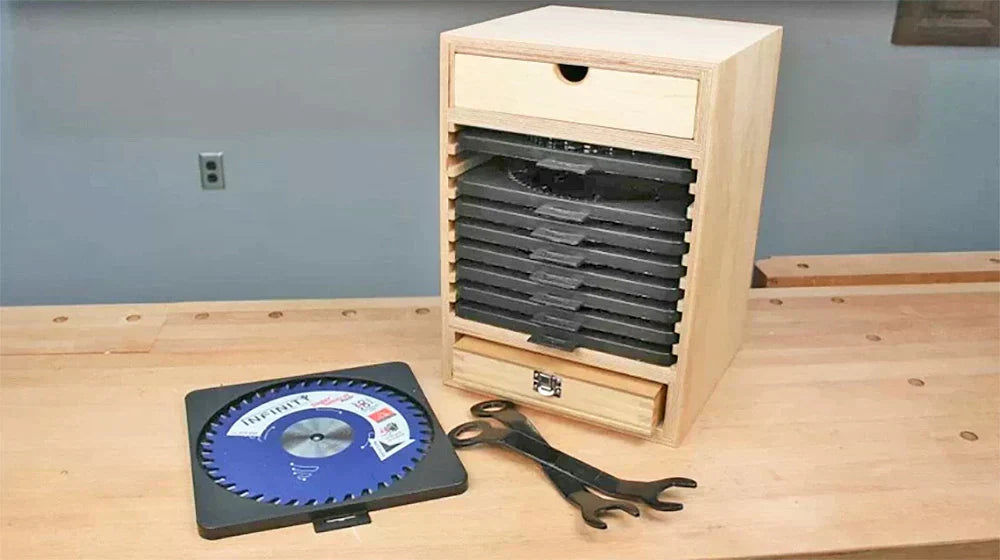
| Vertical Stacking | Store blades standing up inside the case with separators. | Easy to see blade sizes and types at a glance. |
| Teeth Alignment | Position blades so teeth face away or fit into gaps. | Reduces risk of dulling and chipping. |
Securing Loose Parts
Loose parts like washers, nuts, or adapters must be stored securely to avoid loss. Keep them in small containers or compartments inside the case.
- Use small plastic bags or containers for tiny parts.
- Attach parts to the case lid with Velcro strips.
- Label containers to find parts easily later.

Credit: www.reddit.com
Safety Precautions
Storing circular saw blades safely is important to prevent injuries and damage. Proper storage also helps keep blades sharp and ready to use.
Following safety steps when handling and storing blades protects you and your tools. This guide covers key safety tips.
Handling Blades Safely
Always handle circular saw blades with care. The sharp edges can cut skin easily. Use gloves to protect your hands.
Hold blades by the center hole or the dull edge. Avoid touching the sharp teeth directly.
- Wear cut-resistant gloves when handling blades
- Carry blades flat to avoid dropping
- Keep blades away from children and pets
Storing Cases Properly
Use cases made for circular saw blades to store them safely. Cases protect blades from dust and damage.
Store cases in a dry, cool place. Avoid damp areas that can cause rust on blades.
- Keep cases off the ground to avoid moisture
- Label cases with blade size for easy identification
- Do not stack heavy items on blade cases
Regular Inspection
Check your circular saw blades often. Look for rust, cracks, or dull teeth before use.
Inspect the storage case too. Make sure it closes tightly and protects the blade well.
- Clean blades before storing to remove debris
- Replace damaged blades immediately
- Keep a record of blade condition and replacement dates
Maintaining Blade Condition
Storing circular saw blades properly helps keep them sharp and safe. Good storage stops rust and damage.
Using cases for blades keeps them organized and protects their edges. This helps your blades last longer.
Sharpening Tips
Sharpen blades regularly to keep cuts clean and smooth. Dull blades can cause rough cuts and wear out fast.
Use the right tools or take blades to a professional sharpener. Avoid sharpening by hand without skill.
- Check blade teeth for dullness or chips
- Sharpen before blades get too dull
- Keep blades clean before sharpening
- Use a diamond file or sharpening machine
Avoiding Damage During Storage
Store blades in their cases to stop them from banging into each other. This prevents nicks and rust.
Keep blades dry and clean before storing. Moisture causes rust and dirt can dull the teeth.
- Wipe blades with a dry cloth before storage
- Apply a light coat of oil to stop rust
- Use blade cases or racks for safe storage
- Store blades in a cool, dry place
When To Replace Blades
Replace blades when sharpening no longer fixes damage. Worn blades can cause poor cuts and unsafe use.
Look for cracks, missing teeth, or bent blades. These signs mean the blade should be replaced.
- Blade teeth are chipped or broken
- Blade is bent or warped
- Cracks appear on the blade surface
- Sharpening does not restore cutting quality
Credit: infinitytools.com

Credit: www.reddit.com
Frequently Asked Questions
How Do I Choose The Right Case For Circular Saw Blades?
Select a case that fits your blade size snugly. Look for durable, impact-resistant materials. Proper fit prevents damage and rust during storage.
Can Storing Blades In Cases Extend Their Lifespan?
Yes, storing blades in cases protects them from moisture and dust. This reduces rust and keeps teeth sharp longer.
Should Blades Be Cleaned Before Storing In Cases?
Always clean blades before storing. Remove pitch, resin, and dust. Clean blades stay sharper and resist corrosion inside cases.
How Should Circular Saw Blades Be Arranged In Cases?
Place blades flat and separate each with a protective layer. Avoid metal-to-metal contact to prevent dulling and damage.
Conclusion
Storing circular saw blades in cases keeps them sharp and safe. It stops rust and damage during storage or transport. Always clean blades before placing them in cases. Use separate slots or covers to avoid blade contact. Proper storage extends blade life and saves money.
A simple case protects your tools and work quality. Taking a few minutes to store blades right pays off later. Keep your blades ready for the next job. Easy care leads to better results every time.
