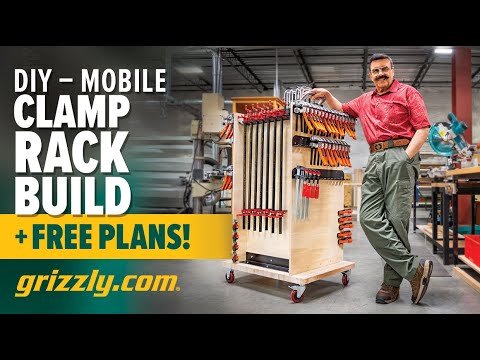
Are you tired of searching through a tangled mess of clamps every time you’re in the middle of a project? Finding the right clamp quickly can save you time and frustration.
Organizing your clamps not only streamlines your workflow but also enhances productivity and creativity. Imagine reaching for the perfect clamp in seconds, every single time. Sounds satisfying, right? In this guide, you’ll discover practical tips to transform your cluttered workspace into an efficient haven.
Ready to cut the clutter and find calm in your creative space? Let’s dive into the art of organizing your clamps efficiently.
Choosing The Right Clamps
Clamps hold materials together while you work. Choosing the right clamp makes your job easier. It helps keep materials safe and secure.
Different clamps fit different tasks. Knowing the type, size, and material helps you pick the best one.
Types Of Clamps For Different Tasks
There are many clamp types. Each one fits a specific use. Some hold wood, others hold metal or plastic.
- Spring Clamps: Quick to use and good for light jobs
- C-Clamps: Strong hold for woodworking or metalworking
- Bar Clamps: Great for wide or large pieces
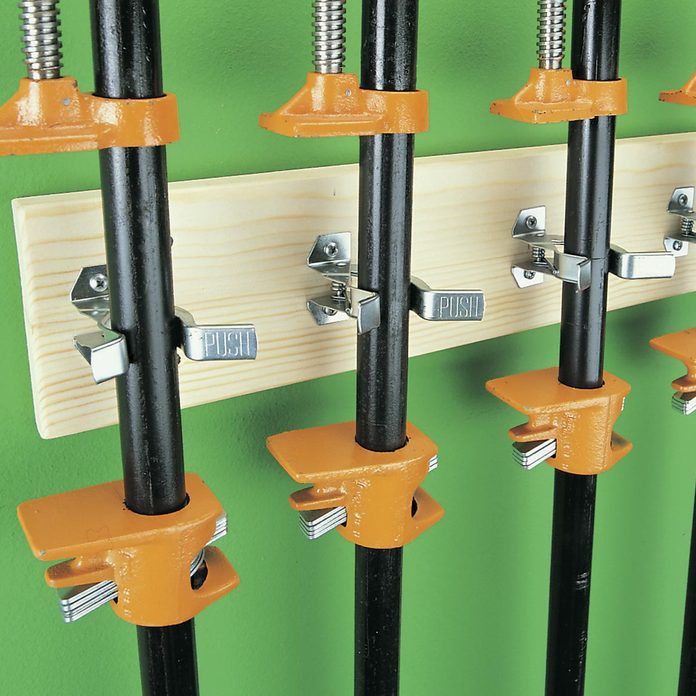
- Pipe Clamps: Adjustable length for big projects
- Corner Clamps: Hold corners while gluing or screwing
Material And Size Considerations
Clamp material affects strength and durability. Steel clamps are strong but heavy. Plastic clamps are light but less strong.
Size matters too. Small clamps fit delicate tasks. Large clamps hold big objects tightly. Choose size based on your project.
- Steel clamps: durable and strong
- Plastic clamps: light and easy to handle
- Small clamps: for light or detailed work
- Large clamps: for heavy or big materials
Credit: www.familyhandyman.com
Designing A Clamp Storage System
Keeping clamps organized saves time and keeps your workspace neat. A good storage system protects your clamps and makes them easy to find.
Choose a system that fits your space and clamp types. Consider how often you use your clamps and how many you own.
Wall-mounted Solutions
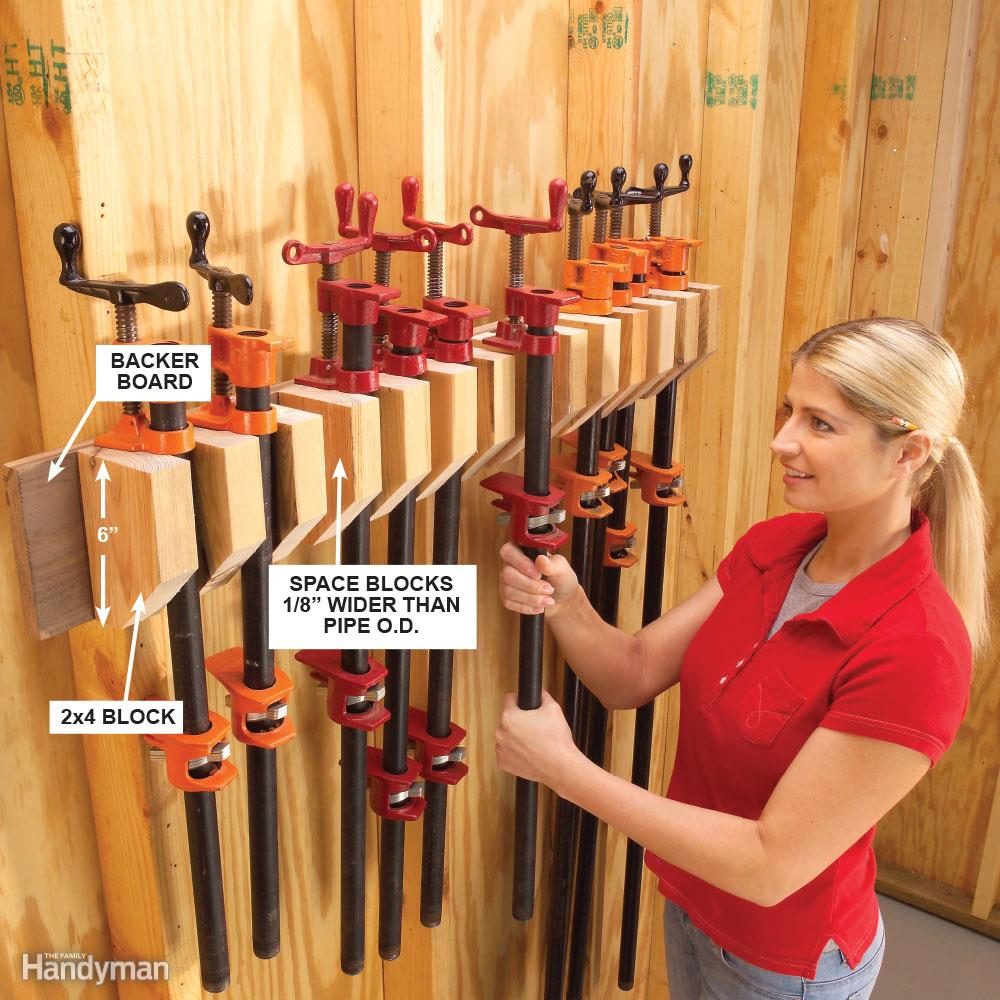
Wall-mounted clamp racks save floor space. They keep clamps visible and easy to grab. Use sturdy hooks or rails to hold heavy clamps safely.
- Install a wooden board with hooks
- Use metal bars with adjustable hangers
- Label each spot for clamp sizes
- Place near your main workbench
Portable Clamp Racks
Portable racks help move clamps between jobs or rooms. They often have wheels and handles for easy carrying.
| Feature | Benefit |
| Wheels | Move rack easily |
| Handles | Carry with comfort |
| Multiple tiers | Store many clamps |
| Compact size | Fits small spaces |
Drawer And Cabinet Organizers
Drawers and cabinets keep clamps dust-free and out of sight. Use dividers or custom inserts to avoid clutter inside.
| Type | Best For | Tip |
|---|---|---|
| Drawer Dividers | Small clamps | Use foam inserts |
| Cabinet Shelves | Large clamps | Adjust shelf height |
| Sliding Trays | Quick access | Label trays clearly |
Labeling And Categorizing Clamps
Organizing clamps makes your workspace neat and easy to use. Labeling and sorting clamps help you find the right tool fast.
Clear labels and categories reduce confusion. You save time and keep clamps in good shape.
Color Coding Techniques
Use colors to group clamps by size or type. This method makes it simple to spot what you need.
Apply colored tape or paint to the clamp handles or bodies. Choose bright colors for quick recognition.
- Red for large clamps
- Blue for medium clamps
- Green for small clamps
- Yellow for specialty clamps
Using Tags And Labels
Attach tags with clamp details like size, type, or use. Use sturdy materials that last in your workspace.
Write clear and simple words on each label. Use a permanent marker or printed labels for neatness.
- Label by clamp size (small, medium, large)
- Mark clamp type (C-clamp, bar clamp, spring clamp)
- Add notes for special uses or projects
- Use waterproof tags for durability
Maximizing Space Efficiency
Organizing clamps well helps save space in your workshop. It keeps your tools easy to find and use.
Using smart storage ideas lets you fit more clamps in less space. This guide shows simple tips.
Stacking And Nesting Clamps
Stack clamps by size to keep them tidy and compact. Nest smaller clamps inside larger ones if possible.
This method reduces clutter and helps you spot the clamp you need quickly. It also protects clamp parts.
- Group clamps by type and size
- Place smaller clamps inside larger C-clamps
- Stack bar clamps flat and aligned
- Use trays or shallow boxes for nesting
Utilizing Vertical Space
Use walls or tall shelves to hang or store clamps vertically. This frees up bench and floor space.
Vertical storage keeps clamps visible and easy to grab. Hooks and pegboards work well for this purpose.
- Install pegboards with hooks for hanging clamps
- Use wall-mounted racks or shelves
- Hang clamps by their handles or fixed parts
- Keep frequently used clamps at eye level
Maintenance And Care Tips
Taking care of your clamps helps them last longer and work well. Proper maintenance keeps clamps safe to use.
Regular care prevents rust and damage. It also ensures the clamps hold tightly every time you need them.
Cleaning Clamps Regularly
Clean your clamps after each use to remove dirt and dust. Dirt can cause clamps to stick or wear out faster.
- Wipe clamps with a dry cloth to remove dust
- Use a brush to clean hard-to-reach parts
- Apply light oil to metal parts to stop rust
- Avoid soaking clamps in water to protect wooden handles
- Store clamps in a dry place after cleaning
Inspecting For Damage
Check clamps before use to find any cracks or broken parts. Damaged clamps can fail and cause accidents.
| Damage Type | What to Look For | Action Needed |
| Cracks | Lines or splits on the body | Do not use, replace clamp |
| Rust | Brown or orange spots on metal | Clean and oil, replace if severe |
| Loose Screws | Parts wobble or move easily | Tighten screws or replace |
| Worn Pads | Pads missing or damaged | Replace pads to protect workpieces |
Credit: www.familyhandyman.com
Diy Clamp Organizers
Clamps are useful tools in many projects. Keeping them organized saves time and space.
DIY clamp organizers help you store clamps neatly. You can build them with simple materials.
Building Simple Clamp Holders
Simple clamp holders keep clamps easy to reach. Use wood or metal to make a rack.
Mount the holder on a wall or workbench. This keeps clamps off the floor and visible.
- Cut a wooden board to the needed length
- Attach hooks or dowels spaced for clamp sizes
- Fix the board securely to a wall or bench
- Hang clamps by their handles or jaws
Creative Upcycling Ideas
Use old items to create clamp organizers. This saves money and reuses materials.
Try using pipes, pallets, or scrap wood. These can hold clamps in a neat way.
- Old pipes can hold clamp handles vertically
- Wood pallets offer slots for different clamp sizes
- Scrap wood can be made into wall-mounted racks
- Recycled metal bars work as strong clamp holders
Smart Habits For Workshop Tidiness
Keeping clamps organized helps your workshop stay neat and safe. It saves time by making tools easy to find.
Simple habits can keep your clamps in order. This makes your workspace more efficient and less stressful.
Routine Organization Practices
Set a regular time to tidy clamps after every project. Return clamps to their place to avoid clutter.
Use wall racks or pegboards to store clamps by size and type. Label spots to keep clamps sorted.
- Clean clamps before storing to prevent rust
- Group clamps by size for easy access
- Check clamps weekly for damage or wear
- Keep a small container for clamp accessories
Encouraging Workshop Discipline
Teach everyone to put clamps back after use. Make it a rule to keep the workshop clean.
Set clear expectations for how tools are stored. Remind users to respect the workspace and tools.
- Post simple signs near clamp storage
- Assign cleanup duties to all users
- Hold quick check-ins to review workshop order
- Reward consistent tidiness with praise

Credit: www.familyhandyman.com
Frequently Asked Questions
How Can I Store Clamps Efficiently?
Store clamps by size and type using wall racks or pegboards. Label each section for quick access. This saves space and keeps your workshop organized.
What Is The Best Way To Prevent Clamp Rust?
Keep clamps dry and clean after use. Apply a light coat of oil to metal parts. Store in a moisture-free area to avoid rust.
How Do I Organize Clamps By Size?
Sort clamps from smallest to largest and group similar types. Use labeled bins or shelves to keep them easily accessible and tidy.
Can I Use Magnetic Strips To Organize Clamps?
Magnetic strips work well for small clamps with metal parts. They save space and keep clamps visible and within easy reach.
Conclusion
Organizing clamps keeps your workspace clean and safe. It saves time by making clamps easy to find. Use simple storage ideas that fit your space. Group clamps by size or type for quick access. Regularly check and tidy your clamps to stay organized.
Small steps lead to a neat and efficient workshop. Clamps last longer when stored properly. Try these tips to keep your tools ready to use. A little effort makes a big difference in your work area.