Imagine stepping into your backyard and plucking fresh, vibrant vegetables straight from your garden. It’s not only a dream but a reality you can achieve with raised bed gardening.
If you’re eager to start growing your own produce but feel overwhelmed by the process, you’re in the right place. Raised beds make planting easier and more accessible, even for beginners. They offer better soil control, efficient drainage, and can even help reduce back strain.
In this guide, you’ll discover simple steps to transform your gardening space and enjoy the satisfaction of homegrown vegetables. Read on, and take the first step towards a healthier, greener lifestyle.
Choosing The Right Location
Picking the right spot for your raised bed is very important. The location affects how well your vegetables grow.
Good location means healthy plants and better harvest. Think about sunlight, soil, and access.
Sunlight Requirements
Most vegetables need at least six hours of sunlight daily. Choose a place that gets plenty of sun.
Avoid shady spots near trees or buildings. Sunlight helps plants grow strong and produce more food.
Soil Drainage
Good drainage stops water from pooling around roots. Raised beds usually drain well, but location matters.
Pick a spot where water does not stay after rain. This keeps soil healthy and plants safe from rot.
- Look for level ground or gentle slope
- Avoid low areas where water collects
- Check soil drains quickly after watering
Accessibility
Choose a place easy to reach for planting and watering. This helps keep your garden healthy.
Make sure the space allows you to walk around the bed. Easy access saves time and effort.
- Place near your home or water source
- Leave enough space on all sides
- Consider paths to avoid stepping on soil
Selecting Materials For Raised Beds
Raised beds help you grow vegetables better by improving soil and drainage. Choosing the right materials is important for strong and safe beds.
Different materials last different times and cost different amounts. Think about what fits your garden and budget.
Wood Options
Wood is a popular choice because it looks natural and is easy to work with. Cedar and redwood last longer and resist rot.
Avoid treated wood that has harmful chemicals. Untreated pine is cheaper but breaks down faster.
- Cedar: natural rot resistance, lasts many years
- Redwood: strong and durable, good for raised beds
- Pine: affordable but may decay sooner
- Avoid chemically treated wood for food safety
Metal And Plastic Alternatives
Metal raised beds last a long time and do not rot. They can heat the soil faster in cool weather.
Plastic beds are lightweight and easy to move. They resist insects and decay but may not last as long as metal.
- Metal: strong, long-lasting, can warm soil
- Plastic: light, insect-proof, less durable
- Check that materials are safe for growing food
Size And Shape Considerations
Raised beds should be no wider than 4 feet. This lets you reach the center without stepping inside.
The length can vary, but 8 feet is common. Height of 12 to 24 inches gives enough soil depth for vegetables.
- Width: 3 to 4 feet for easy reach
- Length: 6 to 8 feet, or fit your space
- Height: 12 to 24 inches for root growth
- Shape: rectangles fit most gardens well
Preparing The Soil Mix
Good soil mix helps vegetables grow strong and healthy. Raised beds need soil that drains well and has enough nutrients.
Preparing the right soil mix means combining different materials. This mix supports roots and keeps plants happy.
Soil Components
The soil mix should have three main parts: soil, compost, and aeration material. Each part has a special job to help plants.
- Soil:Use good garden soil or topsoil as the base.
- Compost:Adds nutrients and improves soil structure.
- Aeration material:Such as perlite or vermiculite, helps air and water reach roots.
Nutrient Amendments
Nutrient amendments add extra food for plants. These help vegetables grow bigger and produce more.
Common amendments include organic materials that slowly release nutrients. They also improve soil health over time.
- Bone meal for phosphorus
- Blood meal for nitrogen
- Wood ash for potassium
- Composted manure for overall nutrients
Ph Balance
Soil pH shows how acidic or alkaline the soil is. Most vegetables grow best in slightly acidic to neutral soil.
Test the soil pH before planting. Adjust it to keep it between 6.0 and 7.0 for best vegetable growth.
- Add lime to raise pH (reduce acidity)
- Add sulfur to lower pH (increase acidity)
- Retest soil after changes for accuracy

Credit: www.yahoo.com
Planting Your Vegetables
Planting vegetables in raised beds lets you grow fresh food at home. It helps plants get good soil, water, and sunlight.
Follow simple steps to choose vegetables, plant them well, and give them enough space to grow strong.
Choosing Suitable Vegetables
Select vegetables that grow well in your climate and season. Some plants like cool weather, others need warmth.
Pick vegetables that fit the size of your raised bed and your cooking needs.
- Leafy greens like lettuce and spinach grow fast.
- Root vegetables like carrots and radishes need loose soil.
- Tomatoes and peppers need more sun and space.
- Herbs like basil and parsley work well in small spots.
Planting Techniques
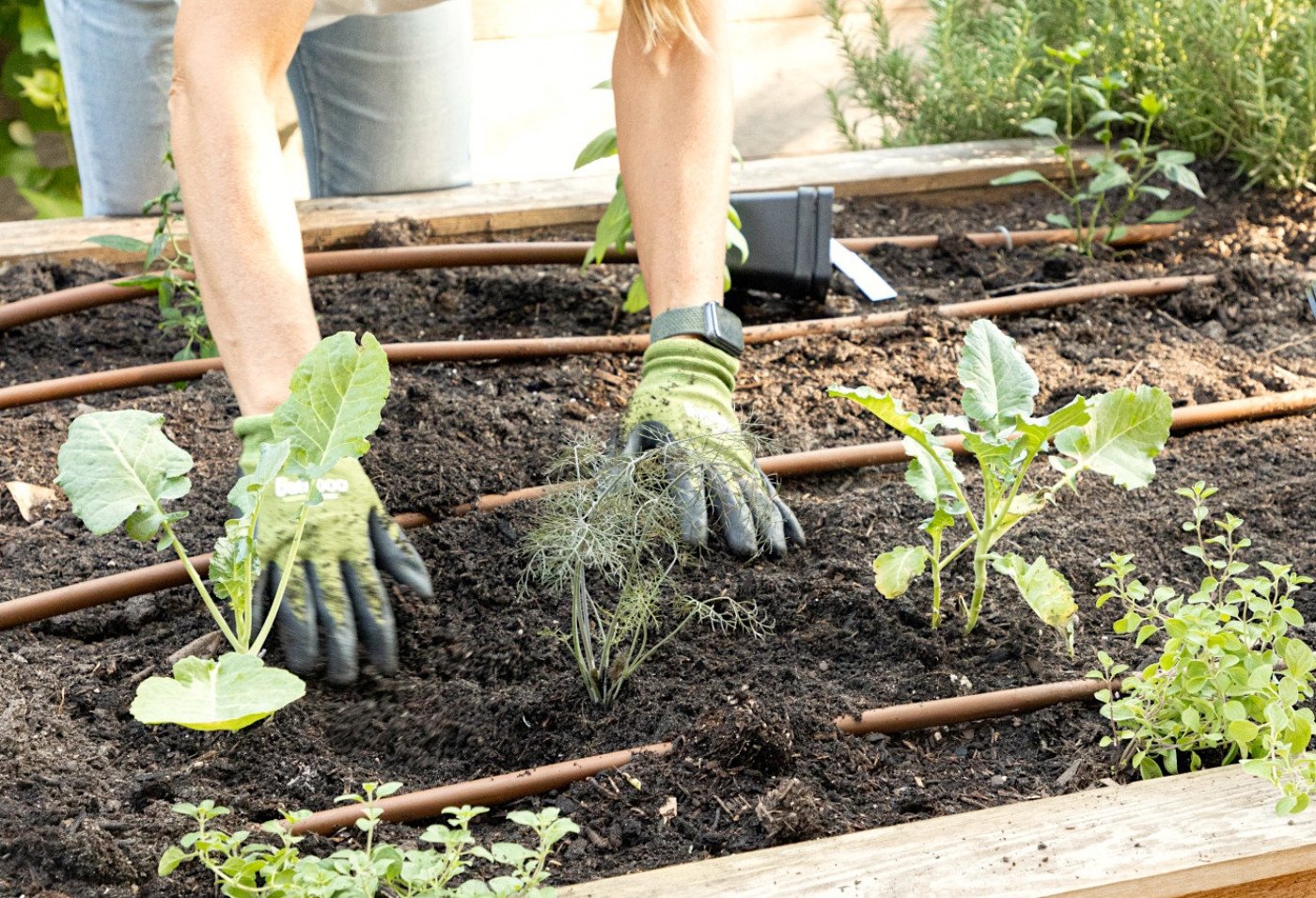
Start by preparing the soil in the raised bed. It should be loose and rich in nutrients.
Plant seeds or seedlings according to their needs. Water gently after planting to help roots settle.
- Use a hand trowel to dig small holes for seeds or plants.
- Place seeds at the recommended depth for better germination.
- Cover seeds lightly with soil and press gently.
- Water the bed evenly to keep soil moist.
Spacing And Depth
Give each plant enough space to grow leaves and roots. Crowded plants grow poorly.
Plant seeds or seedlings at the right depth. Too deep or shallow planting can harm growth.
| Vegetable | Spacing (inches) | Planting Depth (inches) |
|---|---|---|
| Lettuce | 6-8 | 0.25 |
| Carrots | 2-3 | 0.5 |
| Tomatoes | 18-24 | 1-2 (seedlings) |
| Peppers | 12-18 | 0.25-0.5 (seeds) |
| Basil | 8-10 | 0.25 |
Watering And Irrigation Tips
Growing vegetables in raised beds needs careful watering. Too little or too much water can harm plants.
Good irrigation keeps soil moist and helps vegetables grow strong and healthy.
Watering Frequency
Check soil moisture every day during hot weather. Water raised beds deeply but less often to encourage roots to grow down.
- Water young plants more often, about every 1-2 days.
- Mature plants need watering 2-3 times per week.
- Adjust watering if it rains or if the soil stays wet.
Drip Irrigation Systems
Drip irrigation saves water and delivers it directly to plant roots. It reduces evaporation and waste.
| Feature | Benefit |
| Slow water delivery | Prevents runoff and soil erosion |
| Water near roots | Improves nutrient absorption |
| Can run on timers | Makes watering consistent and easy |
Avoiding Overwatering
Too much water makes roots rot and plants weak. Watch for soggy soil and yellow leaves as signs.
- Feel the soil before watering; it should be dry 1 inch below the surface.
- Use mulch to keep soil moist longer and reduce watering needs.
- Water in the morning to let plants dry before night.
Maintaining Your Raised Bed Garden
Maintaining a raised bed garden helps your vegetables grow strong. Regular care keeps plants healthy and productive.
Simple tasks like removing weeds, managing pests, and seasonal care make a big difference.
Weed Control
Weeds compete with your vegetables for nutrients and water. Keep them out to help your plants thrive.
- Pull weeds by hand regularly
- Use mulch to cover soil and block weed growth
- Remove weeds before they set seeds
- Check edges of beds for new weeds
Pest Management
Pests can damage plants and reduce your harvest. Watch for signs of bugs and take action early.
| Pest | Signs | Control Method |
| Aphids | Sticky leaves, curled foliage | Spray water or use insecticidal soap |
| Slugs | Holes in leaves, slime trails | Use barriers or handpick at night |
| Cutworms | Cut stems near soil | Place collars around young plants |
Seasonal Care
Each season needs different care to keep your raised bed healthy and ready for plants.
- In spring, add compost to enrich soil
- In summer, water deeply in the morning
- In fall, remove dead plants and add mulch
- In winter, cover beds to protect from frost
Harvesting And Crop Rotation
Growing vegetables in raised beds gives you control over soil and water. Knowing when to harvest and how to rotate crops keeps your garden healthy.
Good harvesting and crop rotation help plants grow well and reduce pests. This guide explains these important steps for your raised bed garden.
When To Harvest
Harvest vegetables at their peak for the best taste and nutrition. Watch for signs like size, color, and texture to know when to pick.
Pick vegetables early in the morning for freshness. Use clean tools to avoid damaging plants.
- Leafy greens: harvest when leaves are young and tender
- Tomatoes: pick when fully colored and firm
- Carrots: pull when they reach the right size
- Beans: pick pods before seeds grow too large
Storing Vegetables
Store vegetables properly to keep them fresh longer. Different veggies need different storage conditions.
Use cool, dry places for most vegetables. Keep some in the fridge to extend freshness.
- Leafy greens: wrap in damp paper towels and refrigerate
- Root vegetables: store in a cool, dark, and dry place
- Tomatoes: keep at room temperature away from sunlight
- Peppers: refrigerate in a plastic bag for up to two weeks
Planning For Next Season
Crop rotation helps keep soil healthy and stops pests from building up. Avoid planting the same vegetable in the same bed each year.
Rotate crops by plant family to protect soil nutrients. Plan your bed layout before planting next season.
| Year | Bed 1 | Bed 2 | Bed 3 |
|---|---|---|---|
| 1 | Leafy greens | Root vegetables | Fruiting plants |
| 2 | Root vegetables | Fruiting plants | Leafy greens |
| 3 | Fruiting plants | Leafy greens | Root vegetables |

Credit: www.yahoo.com
Credit: www.youtube.com
Frequently Asked Questions
What Vegetables Grow Best In Raised Beds?
Leafy greens, tomatoes, peppers, carrots, and beans thrive in raised beds. These plants benefit from good drainage and soil control.
How Deep Should Raised Beds Be For Vegetables?
Raised beds should be at least 12 inches deep. This depth provides enough space for root growth and proper soil aeration.
How Often Should I Water Vegetables In Raised Beds?
Water raised beds about 2-3 times per week. Frequency depends on weather, soil type, and plant needs.
Can I Use Regular Soil In Raised Beds?
Regular soil can be used if mixed with compost and organic matter. This improves fertility and drainage for healthier plants.
Conclusion
Raised beds make growing vegetables easier and more fun. You control the soil and water well. Plants grow stronger and healthier here. Start small, choose good soil, and plant your favorites. Watch your garden grow day by day. Enjoy fresh veggies right from your backyard.
Keep learning and trying new things. Gardening brings joy and fresh food together. Give it a try and see the results. Your raised bed garden can thrive with care.