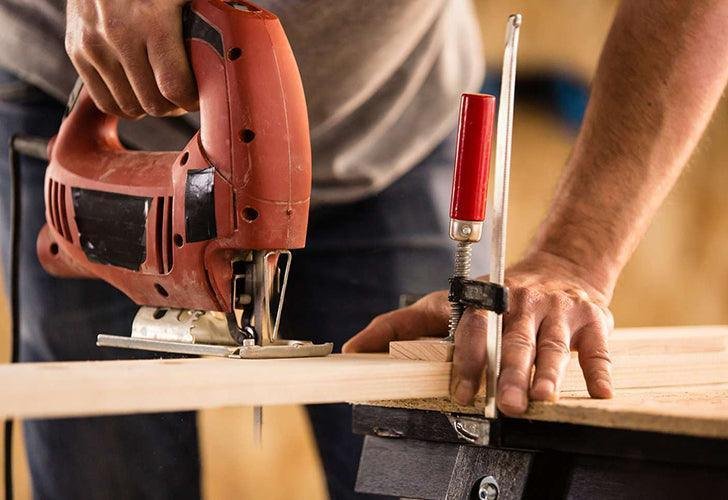
Cutting through metal might sound daunting, but with the right tool, it’s simpler than you think. If you’re looking to make precise cuts without the fuss, using a jigsaw for metal cutting is your go-to solution.
Imagine transforming sheets of metal into perfectly shaped pieces with ease and accuracy. That’s the power a jigsaw brings to your toolbox. But wait, before you dive in, there are key tips you need to know to ensure your projects are successful and your tools last.
This guide is crafted to give you insights that will not only enhance your cutting skills but also make your metal cutting tasks smoother and more enjoyable. So, whether you’re a DIY enthusiast or a seasoned craftsman, these expert tips will elevate your metal cutting game. Ready to discover how you can make the most out of your jigsaw? Let’s get started!

Credit: onevantool.com
Choosing The Right Jigsaw And Blade
Cutting metal with a jigsaw needs the right tools for clean results. Picking the correct jigsaw and blade helps you work safely and efficiently.
This guide explains how to select the best jigsaw and blade for metal cutting tasks.
Selecting A Jigsaw For Metal
Choose a jigsaw that is powerful and stable. A jigsaw with variable speed control helps you adjust cutting speed for metal.
Look for models with a metal base plate. This adds strength and keeps the jigsaw steady during cutting.
- Power between 5 to 7 amps is good for metal
- Variable speed control to match metal type
- Durable, metal base plate for stability
- Orbital action off or low for clean cuts
Best Blades For Metal Cutting
Metal cutting needs blades made from strong materials. High-speed steel (HSS) blades work well for most metals.
Bi-metal blades combine flexibility and strength. They last longer and cut metal smoothly.
- High-speed steel (HSS) blades for soft and hard metals
- Bi-metal blades for better durability and flexibility
- Carbide-tipped blades for very hard metals
Blade Tpi And Material Compatibility
TPI means teeth per inch. Higher TPI gives smoother cuts but cuts slower. Lower TPI cuts faster but rougher.
Choose TPI based on metal thickness. Thin metal needs high TPI. Thick metal needs low TPI.
| Metal Thickness | Recommended TPI |
|---|---|
| Thin metal (up to 1/8 inch) | 18 – 24 TPI |
| Medium metal (1/8 to 1/4 inch) | 10 – 14 TPI |
| Thick metal (over 1/4 inch) | 6 – 10 TPI |

Credit: www.findbuytool.com
Preparing The Metal Surface
Preparing the metal surface is important for a clean and accurate cut. Good preparation helps the jigsaw blade work smoothly.
Follow these tips to get the metal ready before cutting with a jigsaw.
Cleaning And Marking The Cut
Remove dirt, rust, and oil from the metal before cutting. A clean surface helps you see the cut line clearly.
Use a marker or scribe to draw the cutting line. Mark the line on both sides of the metal for accuracy.
- Wipe the metal with a clean cloth
- Use a wire brush for rust or old paint
- Draw clear, straight lines for cutting
- Double-check your measurements before marking
Securing The Metal Sheet
Hold the metal sheet firmly to stop it from moving while cutting. Movement can cause uneven cuts or blade damage.
Use clamps or a vise to keep the metal steady on your work surface.
- Place the metal on a flat, stable table
- Use clamps to fix the metal in place
- Make sure the clamps do not block the cutting path
- Check that the metal does not wobble before cutting
Safety Gear Essentials
Wear safety gear to protect yourself from metal shards and dust. Safety helps prevent injuries during cutting.
Use gloves, eye protection, and hearing protection for safe jigsaw use.
- Wear thick gloves to protect your hands
- Use safety goggles to shield your eyes
- Wear earplugs or earmuffs to protect hearing
- Consider a dust mask to avoid breathing metal dust
Setting Up The Jigsaw
Setting up your jigsaw correctly is key for safe and accurate metal cutting. Proper setup helps avoid blade damage and ensures smooth cuts.
This guide covers adjusting speed settings, installing the blade, and using guide accessories to improve your work.
Adjusting Speed Settings
Different metals need different cutting speeds. Adjust your jigsaw’s speed to match the metal type and thickness. Slower speeds work better for hard metals, while faster speeds suit softer metals.
- Start with a low speed for thin or hard metals.
- Increase speed gradually for thicker or softer metals.
- Check the jigsaw manual for recommended speed ranges.
- Use variable speed control if available for better precision.
Installing The Blade Correctly
Correct blade installation is crucial to avoid blade bending or breaking. Use blades made specifically for metal cutting. The teeth should face forward and point down towards the base plate.
| Blade Part | Installation Tip |
| Teeth Direction | Face forward and down |
| Blade Type | Metal cutting blade only |
| Blade Tightness | Secure firmly in the clamp |
| Blade Length | Long enough to cut through metal |
Using Guide Accessories
Guide accessories help make straight and controlled cuts. Use a jigsaw guide or fence to keep the saw on track. Clamp the guide firmly to your work surface before cutting.
Common guide accessories include:
- Adjustable straight edge guides
- Laser guides for better visibility
- Clamps to secure the metal and guide
Cutting Techniques For Precision
Cutting metal with a jigsaw needs care and control. Using the right techniques helps you cut clean and accurate lines.
Follow simple tips to improve your cutting skills and make your work look professional.
Starting The Cut Smoothly
Begin by marking the cutting line clearly on the metal. This helps you follow the path easily.
Place the jigsaw blade on the edge of the metal. Turn on the tool before touching the metal to avoid rough starts.
Maintaining Steady Pressure
Keep firm but gentle pressure on the jigsaw. Pushing too hard can bend the blade or ruin the cut.
Let the saw do the work. Move the tool steadily along the line without stopping or forcing it.
- Hold the jigsaw handle firmly
- Keep your hands steady
- Move at a consistent speed
Handling Curves And Angles
Slow down when cutting curves to keep control. Sharp turns need careful guiding of the blade.
Use a narrow blade for tight curves. This lets you follow shapes without bending the metal.
- Choose the right blade size
- Cut slowly on curves
- Keep the base plate flat on the metal
Avoiding Common Cutting Issues
Using a jigsaw to cut metal can be tricky. Many users face problems like overheating, burrs, and vibration. These issues affect the quality of the cut and tool life.
This guide shares practical tips to avoid these common problems. Follow these steps to make your metal cutting smoother and cleaner.
Preventing Blade Overheating
Blade overheating reduces cutting efficiency and damages the blade. To prevent this, keep your blade cool and avoid pushing it too hard.
- Use a blade designed for metal cutting.
- Keep the blade clean and sharp.
- Cut slowly and steadily without forcing the blade.
- Apply cutting oil or lubricant to reduce heat.
- Take breaks during long cuts to let the blade cool down.
Reducing Metal Burrs
Burrs are sharp edges or rough spots left after cutting. They can cause injury and affect the fit of parts. Use the right techniques to minimize burrs.
| Cause | Solution |
| Dull blade | Replace or sharpen blade regularly |
| Fast cutting speed | Slow down the cutting speed |
| Wrong blade type | Use blades made for metal |
| Improper support | Secure metal firmly while cutting |
Minimizing Vibration And Noise
Vibration and noise make cutting harder and less accurate. They also cause fatigue and wear on the jigsaw.
- Hold the jigsaw firmly with both hands.
- Use a blade with the correct tooth count for metal.
- Keep the jigsaw base plate flat against the metal.
- Maintain steady, even pressure during cutting.
- Wear ear protection to reduce noise impact.
Credit: www.gz-supplies.com
Post-cutting Tips
After cutting metal with a jigsaw, some care is needed. This helps keep your work safe and your tool ready for next use.
Follow these tips to finish your metal cutting job smoothly and keep your jigsaw in top condition.
Smoothing Cut Edges
Cut metal edges are often sharp and rough. Smooth them to avoid cuts and improve the look.
Use a file or sandpaper to gently smooth the edges. Move in one direction for best results.
- Wear gloves to protect your hands
- Use a fine-grit file or sandpaper
- Check edges for sharp spots after smoothing
- Clean metal dust before handling further
Cleaning And Storing The Jigsaw
Clean your jigsaw after each use to keep it working well. Dirt and metal bits can cause damage.
Wipe the jigsaw with a dry cloth and remove metal scraps from the blade area. Store it in a dry place.
- Unplug the jigsaw before cleaning
- Use a small brush to remove metal bits
- Keep the tool in a case or dry shelf
- Check for any loose screws or parts
Blade Maintenance And Replacement
Jigsaw blades wear out quickly when cutting metal. Keep blades sharp and replace them when dull.
Check the blade before each use. A sharp blade cuts cleaner and is safer to use.
- Use blades made for metal cutting
- Replace blades if they bend or dull
- Keep spare blades handy for quick changes
- Follow the tool manual for blade change steps
Frequently Asked Questions
What Type Of Blade Is Best For Cutting Metal With A Jigsaw?
Use a bi-metal blade with fine teeth for metal cutting. These blades provide durability and clean cuts on various metals.
How Do I Prevent Metal From Overheating During Cutting?
Use slow, steady cutting speeds and apply light pressure. This reduces heat buildup and prolongs blade life.
Can I Cut Thick Metal Sheets With A Jigsaw?
Yes, but use a powerful jigsaw and an appropriate blade. Cutting thick metal requires patience and steady control.
What Safety Gear Should I Wear When Using A Jigsaw On Metal?
Always wear safety goggles, gloves, and hearing protection. This protects against metal shards, noise, and sharp edges.
Conclusion
Using a jigsaw for metal cutting can be simple and safe. Choose the right blade and always wear safety gear. Keep your work steady and take your time. Sharp blades make cutting easier and cleaner. Practice on scrap metal before starting your project.
These tips help you cut metal with confidence. Enjoy working on your metal projects with ease.