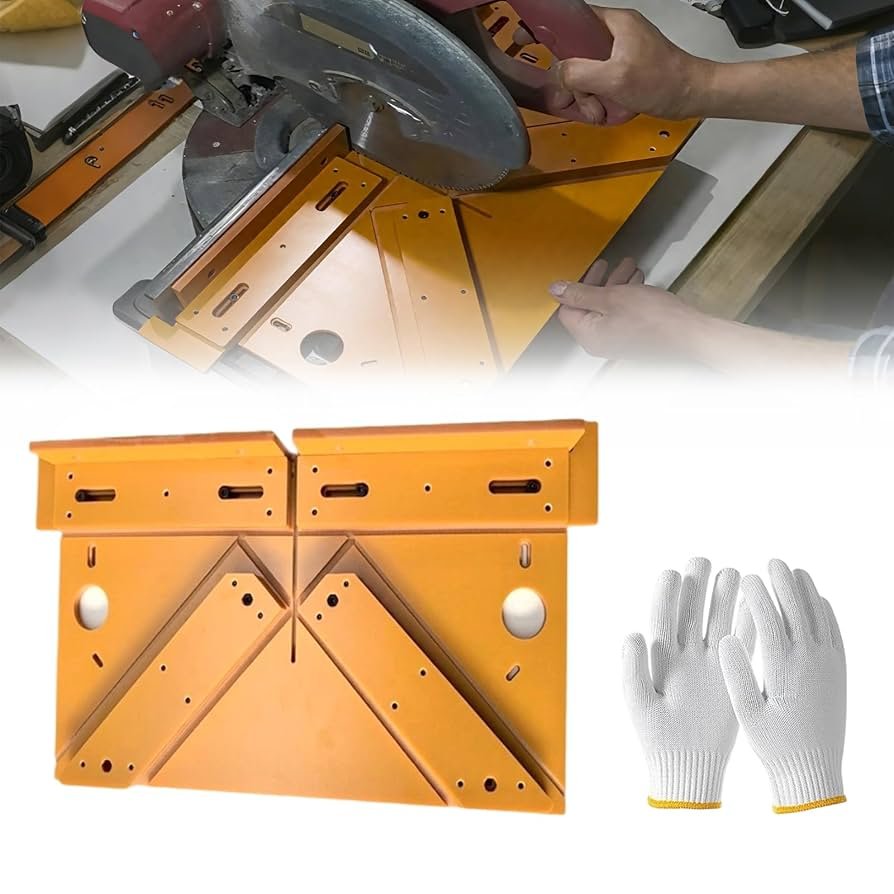
Are you ready to take your woodworking skills to the next level? Mastering angled cuts with a miter saw can open up a world of creative possibilities for your projects.
Whether you’re building a picture frame, crown molding, or custom furniture, knowing how to use your miter saw correctly will save you time and frustration. This guide will walk you through every step, making sure you feel confident and precise with each cut.
Keep reading, and you’ll soon be making perfect angled cuts like a pro.
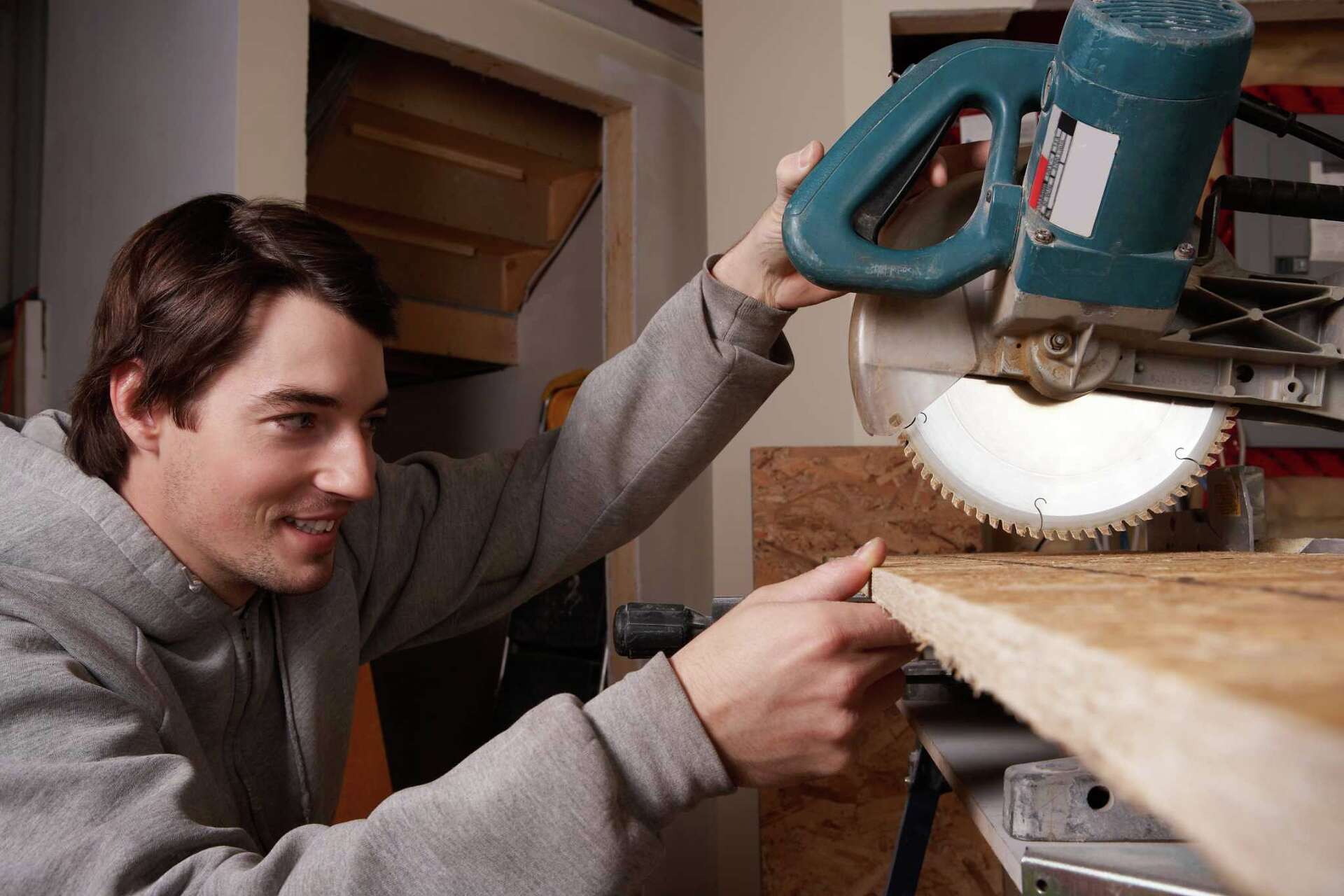
Credit: www.weekand.com
Choosing The Right Miter Saw
A miter saw is a useful tool for making angled cuts in wood and other materials. Picking the right saw helps you work faster and more accurately.
This guide explains how to choose a miter saw based on types, blades, and safety features.
Types Of Miter Saws
Miter saws come in several types. Each type suits different cutting needs and budgets.
- Standard Miter Saw:Cuts angles left and right. Good for simple projects.
- Compound Miter Saw:Tilts to cut bevels and miters. Ideal for trim work.
- Sliding Compound Miter Saw:Has a sliding arm for wider cuts. Best for larger wood pieces.
Blade Selection
Choosing the right blade improves cut quality and tool life. Blades differ by size, teeth, and material.
- Blade Size:Most common size is 10 or 12 inches. Larger blades cut thicker material.
- Teeth Count:More teeth give smoother cuts. Fewer teeth cut faster but rougher.
- Blade Material:Carbide-tipped blades last longer and cut cleanly.
Safety Features To Look For
Safety features protect you during use. Look for guards, locks, and other safety parts.
- Blade Guard:Covers the blade when not cutting. Prevents accidental contact.
- Electric Brake:Stops the blade quickly after releasing the trigger.
- Locking Mechanism:Locks the saw arm in place for safe transport and storage.
- Dust Collection:Reduces sawdust in the air and work area.

Credit: www.findbuytool.com
Setting Up Your Workspace
Preparing your workspace is important before using a miter saw for angled cuts. A clean and organized area helps you work safely and accurately.
This guide covers the key parts to set up: a stable work surface, proper lighting, and dust collection tips.
Stable Work Surface
Use a strong, flat surface to hold your miter saw. The surface should not wobble or tilt during cutting. Make sure it is at a comfortable height to reduce strain on your body.
- Choose a workbench or table that supports the saw’s weight.
- Check that the surface is level using a carpenter’s level tool.
- Secure the saw to the surface to stop movement during cuts.
- Clear the area around the saw to avoid tripping hazards.
Proper Lighting
Good lighting helps you see the cutting line clearly. It reduces mistakes and protects your eyes. Use bright, focused lights near the saw area.
| Type of Lighting | Benefit |
| Overhead LED lights | Bright and energy efficient |
| Task lamps with adjustable arms | Allow direct light on the workpiece |
| Natural light | Best for true color visibility |
Dust Collection Tips
Cutting wood creates dust that can harm your lungs and make a mess. Use dust collection to keep the air clean and your workspace tidy.
Follow these tips for dust control:
- Attach a vacuum to the saw’s dust port.
- Wear a dust mask or respirator for protection.
- Clean dust from the workspace after each use.
- Use a drop cloth or tarp to catch dust on the floor.
Preparing For Angled Cuts
Using a miter saw for angled cuts needs careful preparation. Setting up your tools right helps you cut safely and accurately.
This guide covers how to measure angles, adjust your saw, and secure your workpiece for the best results.
Measuring Angles Accurately
Start by measuring the angle you need to cut precisely. Use a protractor or angle finder tool for this task.
Mark the angle clearly on your workpiece to guide your saw settings and cutting line.
- Place the angle tool flat against the workpiece edge
- Read the angle measurement carefully
- Use a pencil to mark the cut line clearly
Adjusting The Miter And Bevel Settings
Set the miter angle by loosening the saw’s miter handle and moving the saw table to your measured angle.
Adjust the bevel angle by tilting the saw blade to match your needed cut angle. Lock both settings firmly.
- Check the angle scale on the saw for miter settings
- Use the bevel lock knob to set the blade tilt
- Double-check angles before starting the cut
Clamping Techniques
Secure your workpiece with clamps to prevent movement during the cut. This keeps the cut precise and safe.
Place clamps so they hold the wood firmly but do not block the saw blade path.
- Use quick-release clamps for easy adjustments
- Position clamps near the cutting area for stability
- Check that clamps do not interfere with the saw’s movement
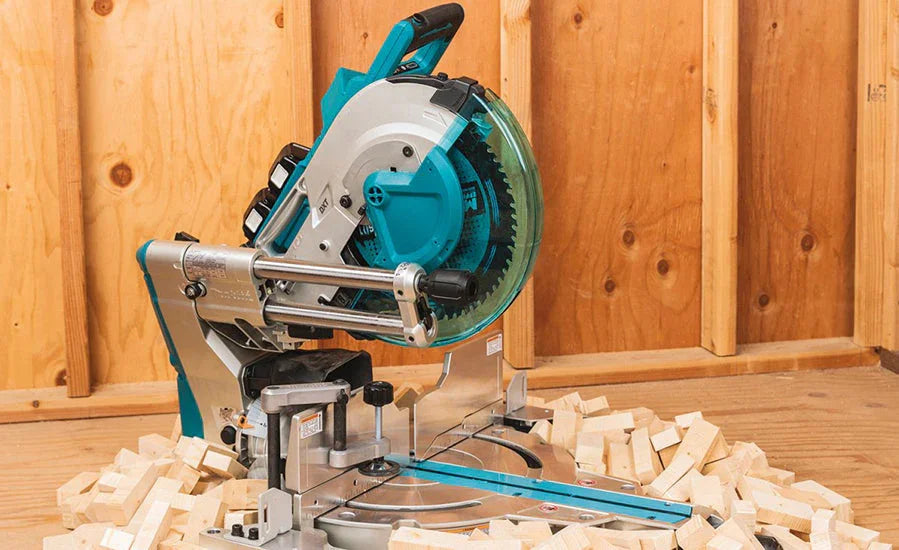
Credit: www.findbuytool.com
Executing Precise Angled Cuts
Using a miter saw for angled cuts helps you create clean and accurate edges. It is important to understand how to set the saw and hold the material firmly.
Precise cuts improve the fit and look of your project. Taking time to prepare and follow correct techniques will give the best results.
Cutting Techniques
Start by adjusting the miter angle on the saw to match your desired cut angle. Make sure the blade is sharp and clean for smooth cuts.
Hold the wood firmly against the fence to keep it steady. Slowly lower the blade through the wood with steady pressure to avoid splintering.
- Set the miter angle before turning on the saw
- Check the blade alignment for accuracy
- Use slow and steady cutting motion
- Hold the material tight to the fence
Avoiding Common Mistakes
Do not rush the cut or force the blade. This can cause uneven edges or damage the saw. Always double-check the angle setting before cutting.
Watch out for loose clamps or unstable work surfaces. These can cause the material to move and ruin the cut angle.
- Never cut without checking the angle setting
- Avoid forcing the blade through the wood
- Keep work surface stable and clamps tight
- Wear safety gear to protect your eyes and ears
Using Stop Blocks For Repetitive Cuts
Stop blocks help you make the same angled cut multiple times with exact length. Attach a block to the fence at the right spot.
Place each piece of wood against the stop block before cutting. This saves time and keeps cuts consistent in size and angle.
- Secure a stop block to the fence with clamps
- Measure carefully before setting the block position
- Use the block to guide each cut piece
- Check the stop block often to keep it tight
Finishing And Maintenance
Proper finishing and maintenance keep your miter saw working well. They help you make clean cuts and extend tool life.
Regular care also improves safety and accuracy during angled cuts. Follow these tips to maintain your saw.
Sanding And Smoothing Edges
After cutting, sanding removes rough edges and splinters. Use fine-grit sandpaper for a smooth finish.
- Start with medium-grit sandpaper to shape the edge.
- Use fine-grit sandpaper to smooth the surface.
- Sand along the grain to avoid scratches.
- Wipe dust off with a dry cloth after sanding.
Blade Cleaning And Replacement
A clean blade cuts better and lasts longer. Remove resin and sawdust buildup often.
- Unplug the saw before cleaning or replacing the blade.
- Use a soft brush to remove dust and debris.
- Clean resin with a blade cleaner or mild solvent.
- Replace the blade if it is dull, chipped, or bent.
Regular Tool Calibration
Calibration keeps your miter saw accurate. Check settings often for angle and bevel adjustments.
| Calibration Task | How Often | Tools Needed |
| Check miter angle | Monthly | Protractor or angle gauge |
| Check bevel angle | Monthly | Bevel gauge |
| Tighten bolts and screws | Every use | Wrench or screwdriver |
| Inspect safety features | Every use | Visual inspection |
Advanced Tips And Tricks
Using a miter saw for angled cuts can improve your woodworking projects. Advanced techniques help create precise and complex shapes.
These tips focus on combining angles, making strong joints, and using digital guides for accuracy.
Combining Miter And Bevel Cuts
To cut complex angles, adjust both the miter and bevel settings on your saw. This allows you to cut compound angles needed for crown molding and other detailed trim work.
- Set the miter angle first using the saw’s scale.
- Adjust the bevel angle to tilt the blade correctly.
- Test cut on scrap wood to check the fit.
- Use clamps to secure the workpiece firmly.
- Make slow, steady cuts to prevent splintering.
Creating Complex Joints
Complex joints need precise angle measurement and careful cutting. Use the saw to create tight-fitting joints like scarf joints, dovetail shoulders, or box joints.
| Joint Type | Best Saw Setting | Tip |
| Scarf Joint | Miter angle 45°, bevel 0° | Cut matching angles on both pieces |
| Dovetail Shoulder | Miter angle 30°, bevel 15° | Use stop blocks for repeat cuts |
| Box Joint | Miter angle 0°, bevel 0° | Make multiple passes for clean cuts |
Using Digital Angle Guides
Digital angle guides attach to your miter saw or workpiece. They give exact readings for both miter and bevel angles. This reduces guesswork and errors.
Benefits of digital angle guides:
- Quickly read angles in degrees
- Save preferred angle settings
- Improve repeatability for multiple cuts
- Help beginners learn angle adjustments
Frequently Asked Questions
How Do I Set The Angle On A Miter Saw?
To set the angle, unlock the miter saw’s angle adjustment knob. Rotate the saw base to the desired angle. Lock it securely before cutting. Use the saw’s built-in angle gauge for accuracy.
What Safety Tips Should I Follow With A Miter Saw?
Always wear safety glasses and hearing protection. Keep hands away from the blade. Secure your workpiece firmly. Disconnect power before adjustments. Maintain a clean workspace to avoid accidents.
Can I Use A Miter Saw For Bevel Cuts?
Yes, most miter saws allow bevel cuts by tilting the blade. Adjust the bevel angle as needed. This helps create angled edges on wood pieces.
How Do I Make Precise Angled Cuts With A Miter Saw?
Measure and mark your cut line clearly. Set the saw angle accurately using the gauge. Clamp your workpiece to prevent movement. Make slow, steady cuts for precision.
Conclusion
Mastering angled cuts with a miter saw takes practice. Start with simple projects. Progress to more complex tasks as you gain confidence. Always prioritize safety. Wear protective gear and double-check settings. Regular maintenance keeps your saw in top condition. Clean blades ensure precise cuts.
Remember, patience leads to better results. Mistakes happen; learn from them. Soon, angled cuts will become second nature. Enjoy the process and creativity. Your skills will grow with each project. Happy cutting!