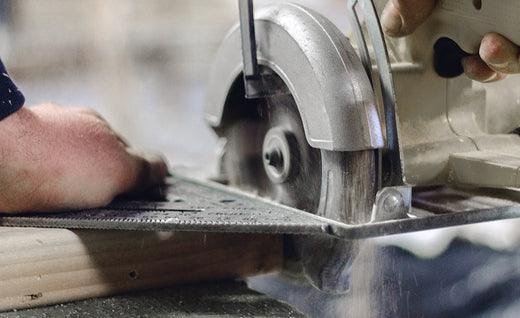
Is your circular saw not performing as smoothly as it used to? You may have noticed rough edges or uneven cuts, and it’s frustrating, isn’t it?
Maintaining your circular saw is key to ensuring smooth and precise cuts every time. Whether you’re a seasoned DIY enthusiast or just getting started with your woodworking projects, understanding how to care for your saw can save you time, money, and a lot of headaches.
In this guide, we’ll explore simple but effective maintenance tips that will keep your circular saw in top shape, making your cutting tasks effortless and enjoyable. Stick around to learn how just a few minutes of regular upkeep can transform your cutting experience.
Choosing The Right Blade
Using the right blade on your circular saw helps you cut smoothly. It also keeps your saw in good shape.
Different blades fit different jobs. Pick one that matches the material you cut and the finish you want.
Types Of Blades
There are many blade types for circular saws. Each type is made for certain materials and cuts.
- General purpose blades work for wood and soft materials.
- Fine-tooth blades give smooth cuts on plywood and laminate.
- Carbide-tipped blades handle harder materials like metal or plastic.
- Dado blades cut grooves and slots in wood.
Blade Material And Teeth
Blades come in different materials. The teeth design affects cutting speed and smoothness.
- Steel blades are cheap but wear out fast.
- Carbide-tipped blades last longer and stay sharp.
- Diamond blades cut hard materials like tile and concrete.
- More teeth mean smoother cuts but slower cutting.
- Fewer teeth cut faster but leave rough edges.
Blade Size Considerations
Blade size affects cutting depth and saw compatibility. Use the right size for safety and best results.
- Common blade sizes are 7-1/4 inch and 10 inch.
- Check your saw’s manual for the correct blade size.
- Large blades cut deeper but need more power.
- Small blades are lighter and easier to control.
Cleaning The Saw
Keeping your circular saw clean helps it cut smoothly. Dirt and dust can slow the blade and cause rough cuts.
Regular cleaning also extends the life of your saw by preventing damage and wear.
Removing Dust And Debris
Remove dust and debris after every use. Unplug the saw before cleaning for safety.
- Use a soft brush to clear sawdust from the blade guard and vents.
- Blow compressed air into hard-to-reach areas to remove stuck debris.
- Wipe the saw’s body with a dry cloth to keep it clean.
Cleaning The Blade
Clean the blade regularly to keep it sharp and efficient. Resin and pitch build-up reduce cutting power.
| Cleaning Material | Use |
| Warm soapy water | Remove light dirt and dust |
| Blade cleaner or mineral spirits | Remove resin and pitch |
| Soft brush or cloth | Scrub the blade gently |
| Dry cloth | Dry the blade after cleaning |
Lubricating Moving Parts
Lubricate the saw’s moving parts to reduce friction and wear. Use a light machine oil for best results.
- Apply oil to the blade guard pivot points.
- Lubricate the depth and bevel adjustment levers.
- Wipe off any excess oil to prevent dirt buildup.
Checking And Adjusting The Blade
Maintaining your circular saw blade is key for smooth, safe cutting. Regular checks help keep the blade aligned and sharp.
This guide covers how to align the blade, check its depth, and adjust the bevel angle properly.
Aligning The Blade
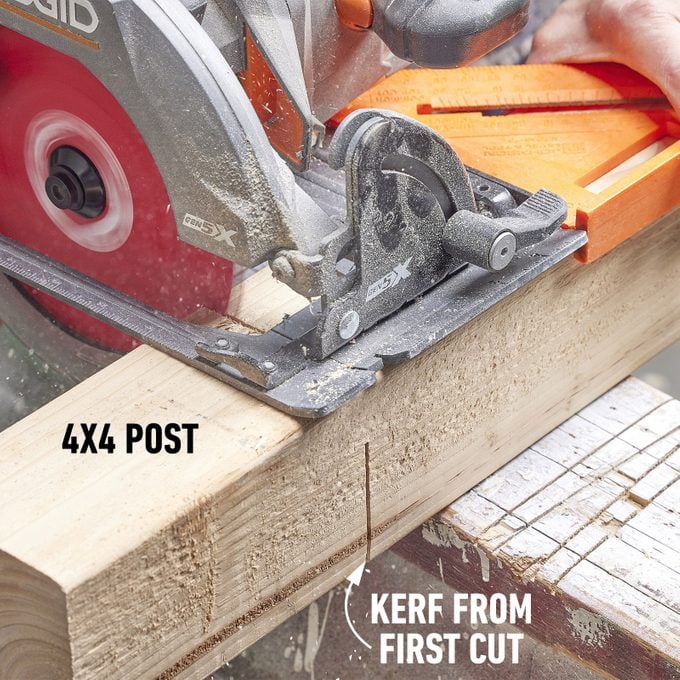
Blade alignment ensures straight cuts and prevents damage to the saw. To check alignment, unplug the saw and remove the blade guard.
- Inspect if the blade sits parallel to the saw’s base plate.
- Loosen the arbor bolt slightly.
- Adjust the blade until it is perfectly straight.
- Tighten the bolt firmly to hold the blade in place.
Checking Blade Depth
The blade depth controls how deep the blade cuts into the material. Proper depth prevents kickbacks and improves cut quality.
| Material Type | Blade Depth Setting |
| Softwood | Blade extends about 1/4 inch below material |
| Hardwood | Blade extends about 1/8 inch below material |
| Plywood | Blade just clears the bottom of the material |
Adjusting Bevel Angle
The bevel angle lets you cut wood at angles other than 90 degrees. Adjusting it correctly is important for angled cuts.
- Locate the bevel adjustment lever or knob on your saw.
- Loosen it to change the blade angle.
- Set the blade to the desired angle using the scale on the saw base.
- Tighten the lever or knob to lock the angle.
Credit: www.familyhandyman.com
Maintaining The Motor
The motor is the heart of your circular saw. Keeping it in good shape helps the saw cut smoothly and last longer.
Regular care prevents damage and keeps the motor running at its best. Focus on key areas like brushes, cooling, and heat control.
Inspecting Brushes
Brushes transfer power to the motor. Worn brushes cause poor cutting and damage the motor. Check them often.
- Remove the brush caps carefully
- Look for wear or cracks on the brushes
- Replace brushes if they are shorter than 1/4 inch
- Clean brush holders to remove dust and debris
Cooling System Care
The cooling system stops the motor from getting too hot. Keep it clean and clear for good air flow.
| Cooling Part | Care Tip |
| Air vents | Remove sawdust and dirt regularly |
| Fan blades | Check for damage and clean gently |
| Motor casing | Keep free from oil and grease |
Preventing Overheating
Overheating can cause motor failure. Use these tips to protect your saw from heat damage.
- Do not run the saw without load for long periods.
- Take breaks during extended cutting jobs.
- Keep the blade sharp to reduce motor strain.
- Store the saw in a cool, dry place.
Safe Storage And Handling
Keeping your circular saw safe starts with good storage and careful handling. Proper care helps the saw last longer and cut smoothly every time.
Follow simple tips to store and transport your saw without damage or risk.
Proper Storage Tips
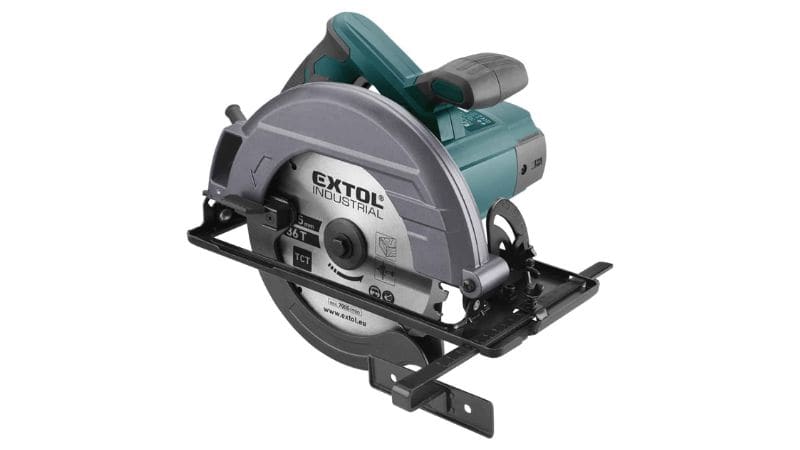
Store the circular saw in a dry, clean place. Avoid damp areas that can cause rust. Keep the blade covered or in its case to prevent accidents and dulling.
- Unplug or remove the battery before storing
- Clean the saw and blade after each use
- Use the original case or a sturdy box for storage
- Keep the saw away from children and pets
- Store in a place with stable temperature and low humidity
Transporting The Saw Safely
Move the saw carefully to avoid damage. Protect the blade and handle the tool with care during transport.
| Tip | Details |
| Use a Carrying Case | Prevents dust and protects the blade from impact. |
| Secure the Blade | Cover the blade with a guard or protective sheath. |
| Handle with Care | Hold the saw firmly and avoid dropping it. |
| Keep Away from Sharp Objects | Prevent scratches and damage during transport. |
| Remove Power Source | Unplug or remove the battery before moving the saw. |
Credit: extoltools.com
Regular Maintenance Schedule
Keeping your circular saw in good condition helps you cut smoothly. A regular maintenance schedule prevents problems and extends the tool’s life.
Follow daily, weekly, and monthly checks to ensure your saw works safely and efficiently.
Daily Checks
Before using your circular saw each day, inspect it closely. Look for any damage or dirt that could affect performance.
- Check the blade for sharpness and damage
- Make sure the blade guard moves freely
- Inspect the power cord for cracks or cuts
- Clean dust and debris from the saw body
- Test the trigger and safety switch
Weekly Tasks
Perform these weekly tasks to keep your saw in top shape. These checks take a bit longer but improve cutting quality.
| Task | Reason |
| Lubricate moving parts | Reduce wear and tear |
| Tighten all screws and bolts | Prevent loose parts |
| Check alignment of the blade | Ensure straight cuts |
| Clean air vents | Keep motor cool |
Monthly Inspections
Monthly inspections help catch issues early. You may need tools or professional help for some tasks.
- Examine the carbon brushes and replace if worn out
- Check the blade arbor for damage or bending
- Inspect the power switch for proper function
- Test the saw for unusual noises or vibration
- Sharpen or replace the blade if cutting is rough
Credit: www.familyhandyman.com
Frequently Asked Questions
How Often Should I Clean My Circular Saw?
Clean your circular saw after every use. Remove dust and debris to prevent buildup. This keeps the blade sharp and ensures smooth cutting. Regular cleaning extends the saw’s lifespan and improves safety during operation.
What Type Of Lubricant Is Best For Circular Saws?
Use a dry silicone spray or light machine oil. Avoid heavy oils that attract dust and dirt. Proper lubrication reduces friction, prevents rust, and keeps the motor running smoothly. Apply lubricant to moving parts as recommended by the manufacturer.
How Do I Check If The Circular Saw Blade Is Sharp?
Inspect the blade edges for nicks or dullness. A sharp blade cuts smoothly without forcing. If cuts are rough or the saw struggles, replace or sharpen the blade. Regularly maintaining blade sharpness ensures cleaner and safer cuts.
Why Is Blade Alignment Important For Smooth Cutting?
Proper blade alignment prevents uneven cuts and reduces blade wear. Misaligned blades cause rough edges and strain the motor. Check alignment regularly and adjust according to your saw’s manual for precise, clean cuts every time.
Conclusion
Maintaining your circular saw keeps it cutting smoothly and safely. Clean the blade and check for damage regularly. Sharpen or replace dull blades to avoid rough cuts. Keep the saw’s moving parts free from dust and debris. Always store the saw in a dry place.
These simple steps help your saw last longer and work better. Stay consistent with maintenance for the best results. Enjoy cleaner, easier cuts every time you use your saw. Simple care makes a big difference in your work.