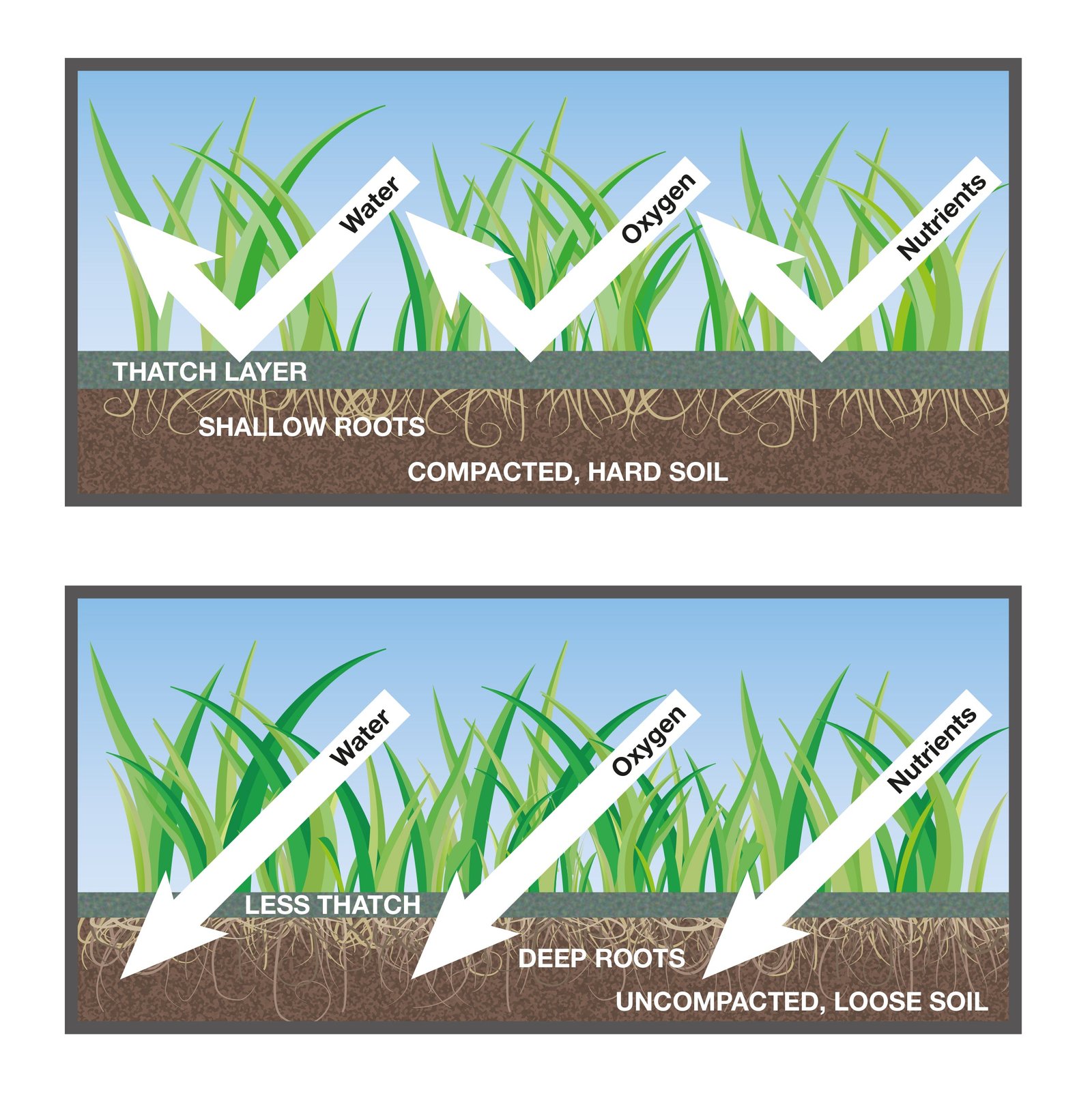
Is your garden struggling to flourish no matter how much love and care you give it? The culprit might be compacted soil.
When soil becomes compacted, it struggles to breathe, and so do the roots of your plants. This common issue can stunt growth and make it difficult for nutrients and water to reach where they’re needed most. But don’t worry—there’s a solution that can bring life back to your garden! By learning how to aerate compacted soil, you can transform your garden into the lush paradise you’ve always dreamed of.
We’ll guide you through simple, effective steps to breathe new life into your soil, ensuring your plants thrive like never before. Ready to dig in and discover the secret to a healthier garden? Keep reading to unlock the full potential of your outdoor space!
Credit: www.amazon.ca
Causes Of Soil Compaction
Soil compaction happens when soil particles are pressed together. This reduces air spaces in the soil. Plants find it hard to grow in compacted soil.
Many things cause soil compaction. Some are natural, and others come from human activity. Understanding these causes helps to fix the problem.
Heavy Foot Traffic
Walking or running on soil often pushes soil particles close. This squeezes out air and water. Grass and plants may die because roots cannot get oxygen.
Places like playgrounds, parks, and garden paths often have compacted soil. The more people walk on the soil, the harder it becomes.
Construction Equipment
Heavy machines used for building roads or houses press down on the soil. Their weight crushes soil particles tightly together. This makes the soil very hard.
Construction sites often have very compacted soil. It can take a long time for soil to recover naturally after machines are removed.
Clay Soil Characteristics
Clay soil has very small particles that stick closely. This type of soil holds water well but drains poorly. It is easy for clay soil to become compacted.
When clay soil is wet, heavy pressure makes it dense and hard. This stops water and air from moving through the soil.
- Small particle size
- High water retention
- Slow drainage
- Easy to compact under pressure
Signs Of Compacted Soil
Compacted soil makes it hard for plants to grow well. It happens when soil particles are pressed tightly together.
Look for certain signs to know if your soil is compacted. These signs help you decide if you need to aerate the soil.
Poor Drainage
Compacted soil does not let water pass through easily. Water stays on the surface or pools in low spots.
This causes puddles after rain or watering. Plants may get too much water or not enough oxygen.
- Water puddles for hours after rain
- Soil stays wet and muddy
- Surface looks crusty or shiny
Stunted Plant Growth
Plants in compacted soil grow slowly or stay small. Their roots cannot spread well in hard soil.
Leaves may turn yellow or drop early. Flowers and fruits might be fewer than usual.
- Plants look weak or thin
- Leaves change color or fall
- Fewer flowers or fruits form
Hard Surface Texture
Soil feels hard when you press it. It may crack or form a tough crust on top.
This hard surface stops air and water from reaching plant roots. It also makes digging difficult.
- Soil is difficult to dig or break
- Surface has cracks or crusts
- Soil feels dense and heavy
Benefits Of Aeration
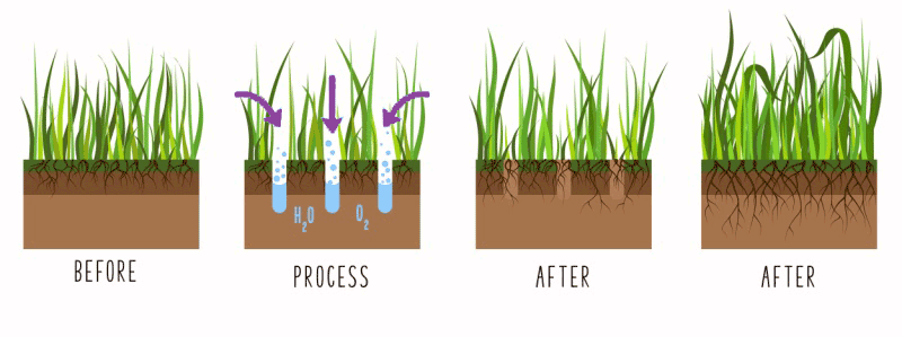
Aerating soil means making small holes in the ground. This helps air, water, and nutrients reach plant roots.
Compacted soil stops roots from growing well. Aeration makes soil loose and healthy for plants.
Improved Root Growth
Compacted soil stops roots from spreading. Aeration creates space for roots to grow deep.
Stronger roots help plants get more support and stay healthy in dry times.
Enhanced Nutrient Absorption
Aeration lets nutrients reach the roots better. Roots take in more food for the plants.
Plants with good nutrients grow faster and resist diseases more easily.
Better Water Penetration
Water can’t soak into hard soil well. Aeration helps water go deep into the ground.
Better water penetration means plants stay hydrated longer and use less water overall.

Credit: www.wastex.io
Manual Aeration Techniques
Compacted soil stops water and air from reaching plant roots. Manual aeration helps loosen soil without machines. It improves root growth and lawn health.
You can aerate soil by hand using tools like a garden fork or handheld aerators. These tools make small holes to let air and water in. Manual aeration works well for small areas.
Using A Garden Fork
A garden fork is a simple tool with long tines. Push it into the soil to make holes. This breaks up hard soil and lets air flow.
Use the fork to poke holes about 6 inches apart. Move across the lawn in a grid pattern. Pull the fork out gently to avoid disturbing roots too much.
- Choose a fork with strong, sharp tines
- Push the fork 4 to 6 inches deep
- Make holes evenly spaced for best results
- Work on moist soil, not wet or dry
Handheld Aerators
Handheld aerators are small tools with spikes or hollow tubes. Hold the tool and press it into the soil. This creates air holes without much effort.
They are good for tight spaces or small lawns. Use them by stepping down or pressing with your hands. Work slowly to cover the entire area.
- Spike aerators create holes by piercing soil
- Hollow tube aerators remove small soil plugs
- Use on damp soil for easier penetration
- Cover all areas evenly for best effect
Core Aerators
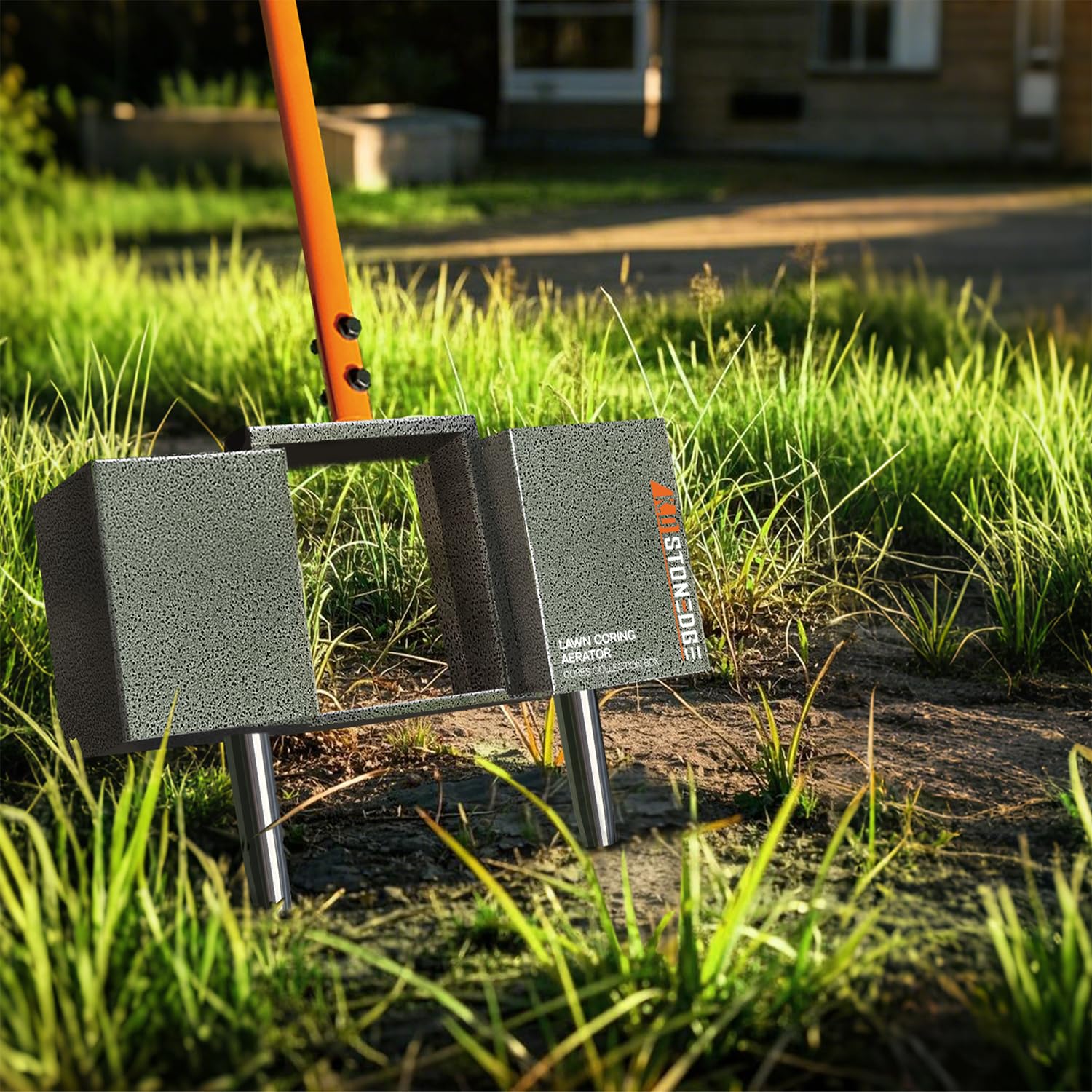
Core aerators pull out small plugs of soil. This helps reduce soil compaction more deeply. You can find manual core aerators for home use.
Push the tool into the ground and pull out soil cores. Leave the plugs on the lawn to break down naturally. This method improves air, water, and nutrient flow.
- Core aerators remove soil plugs 2-4 inches long
- Work best on lawns with heavy foot traffic
- Use on moist soil for easier core removal
- Do not aerate during very dry or frozen conditions
Mechanical Aeration Methods
Compacted soil blocks air and water from reaching roots. Mechanical aeration helps loosen the soil. It improves plant growth and soil health.
There are several machines to aerate soil. These tools make the job faster and easier than manual methods.
Power Aerators
Power aerators are machines with rotating tines or spikes. They puncture the soil deeply to reduce compaction. These machines work well for large lawns or gardens.
They come in different sizes and types. Some use spikes to poke holes. Others pull out small soil plugs, called cores. Core aerators let air and water enter the soil better.
- Electric power aerators are quiet and light.
- Gas-powered aerators are stronger for big jobs.
- Choose the type based on your yard size.
Renting Aeration Equipment
Buying aeration machines can be expensive. Renting is a good choice for one-time or rare use. Rental shops offer various aerators to match your needs.
Renting lets you try different machines without a big cost. Some rental places also give instructions on how to use the equipment safely.
- Check rental prices and rental periods.
- Ask about machine size and features.
- Follow safety rules while using the equipment.
When To Use Machines
Use mechanical aerators when soil is very hard or compacted. Machines work best for large areas or thick soil layers. Aerate in spring or fall for best results.
Avoid aerating when soil is too wet or too dry. Wet soil can clog machines. Dry soil is hard to penetrate. Choose a day with mild weather and moist soil.
- Large lawns benefit most from machines.
- Small patches can be aerated by hand tools.
- Aerate before fertilizing or planting.
Natural Ways To Loosen Soil
Compacted soil stops air, water, and roots from moving well. Loosening soil helps plants grow stronger. Use natural ways to improve soil without harsh tools or chemicals.
Adding organic materials, growing cover crops, and using mulch all help break up hard soil. These methods work with nature to make soil healthy and soft.
Adding Organic Matter
Organic matter like compost, leaves, and manure adds nutrients to soil. It also helps soil hold water and air better. This makes soil easier for roots to grow in.
- Mix compost into the top few inches of soil.
- Spread leaf mold or shredded leaves on soil surface.
- Use well-rotted manure to improve soil texture.
- Repeat adding organic matter each year for best results.
Cover Crops
Cover crops grow during off-seasons to protect and improve soil. Their roots break soil clumps and add organic material when they decompose.
| Cover Crop | Benefits |
| Clovers | Fix nitrogen, improve soil structure |
| Ryegrass | Breaks up compacted soil with deep roots |
| Vetch | Adds nutrients and organic matter |
Mulching Strategies
Mulch covers soil with organic or inorganic material. It keeps soil moist, cool, and soft. Mulch also stops soil from hardening in sun or rain.
Try these mulching ideas:
- Spread straw or grass clippings around plants.
- Use wood chips or bark for longer-lasting mulch.
- Apply shredded leaves to add nutrients as they break down.
Best Time For Aeration
Aerating soil helps improve its structure and allows roots to grow better. Choosing the right time for aeration is important.
Timing affects how well your soil recovers and how plants benefit from aeration.
Seasonal Considerations
Spring and fall are the best seasons for aeration. Soil is softer, and plants are growing actively.
- Spring aeration helps prepare soil for new growth.
- Fall aeration improves soil before winter.
- Summer aeration can stress plants due to heat.
- Winter aeration is usually not effective because soil is frozen.
Soil Moisture Levels
Soil moisture is key for effective aeration. Too dry or too wet soil can cause problems.
| Moisture Condition | Aeration Result |
| Too Dry | Hard to penetrate soil, less effective |
| Optimal Moisture | Soil soft enough for easy aeration |
| Too Wet | Soil clogs aerator, compaction risk |
After Rainfall
Aerate soil a day or two after rainfall. Soil should be moist but not soaked.
Here are tips for aerating after rain:
- Check soil moisture before starting.
- Avoid aeration if soil is muddy.
- Use a spike or plug aerator for best results.
- Wait for soil to dry slightly to prevent damage.
Credit: www.ageas.co.uk
Post-aeration Care
After aerating your soil, proper care helps plants grow healthy. This step keeps soil loose and nutrients available.
Follow these tips to support your lawn or garden after aeration.
Watering Tips
Water the soil deeply after aeration. This helps water reach roots through the holes.
Keep the soil moist but not soggy. Avoid letting it dry out too fast.
- Water early in the morning for best absorption
- Use a sprinkler to cover the entire area evenly
- Water at least 1 inch per week if there is no rain
Fertilizing After Aeration
Apply fertilizer soon after aeration to feed grass roots. The holes help nutrients reach deep soil.
Choose a fertilizer with balanced nutrients for best results. Follow instructions on the package.
- Use slow-release fertilizer to avoid burning roots
- Spread fertilizer evenly over the lawn
- Water after fertilizing to help nutrients soak in
Seeding And Planting
Aeration creates perfect spots for seeds and new plants. Seeds contact soil better and grow faster.
Plant seeds or seedlings soon after aeration. Cover seeds lightly with soil to protect them.
- Choose seed types suited for your climate and soil
- Water seeded areas gently to keep seeds moist
- Avoid heavy foot traffic until plants establish
Common Mistakes To Avoid
Aerating soil helps plants grow by improving air and water flow. Doing it wrong can harm your garden.
Learn common mistakes to avoid when aerating compacted soil. This will help your soil stay healthy.
Aerating Dry Soil
Aerating soil when it is too dry can make the problem worse. Dry soil is hard and cracks.
Tools may not penetrate well, and roots get little benefit. It is best to water the soil first.
- Water the soil a day before aerating
- Check soil moisture by feeling it
- Avoid aerating if soil is dusty and dry
Over-aeration
Doing too much aeration can damage soil structure and plants. It can break soil clumps that hold nutrients.
Aerate only as much as needed to loosen compacted areas. Too many holes reduce soil stability.
- Aerate only once or twice a year
- Focus on hard, compacted spots
- Don’t use heavy tools too often
Ignoring Soil Testing
Not testing your soil can lead to wrong aeration methods or ignoring other problems. Soil tests show nutrient levels and pH.
Tests help you choose the right aeration and soil treatment. This saves time and improves plant health.
- Test soil every 2-3 years
- Use test results to guide aeration
- Adjust soil nutrients based on tests
Frequently Asked Questions
What Is Soil Aeration And Why Is It Important?
Soil aeration is the process of creating small holes in compacted soil. It improves air, water, and nutrient flow. This helps roots grow stronger and plants stay healthy. Aeration prevents poor drainage and reduces soil compaction problems.
How Do I Know If My Soil Is Compacted?
Compacted soil is hard and dense, with poor drainage. Water pools on the surface or runs off quickly. Plants may show stunted growth or yellowing leaves. You can test by pushing a screwdriver or stick into the soil. If it’s difficult, soil is likely compacted.
What Tools Are Best For Aerating Compacted Soil?
Manual tools like garden forks or spike aerators work well for small areas. For larger spaces, use core aerators or machine aerators. These tools remove small soil plugs, improving airflow and water absorption. Choose based on your garden size and soil condition.
When Is The Best Time To Aerate Compacted Soil?
The best time to aerate is during growing seasons like spring or fall. Soil should be moist but not wet for easy penetration. Aerating during these times helps plants recover quickly and take full advantage of improved soil conditions.
Conclusion
Aerating compacted soil helps plants grow strong and healthy. It lets air, water, and nutrients reach roots easily. Regular aeration improves soil texture and prevents water pooling. Use simple tools like a garden fork or core aerator. Avoid walking on wet soil to keep it loose.
Healthy soil means a thriving garden all year round. Try these steps to breathe new life into your soil. Your plants will thank you with better growth and blooms.