Are you tired of spending endless hours watering or spraying large areas of your garden? Do you find yourself overwhelmed by the sheer size of the task?
You’re not alone. Many gardeners face the same challenge, but there is a way to make your life easier. Using a garden sprayer on large areas can save you time, energy, and even money. Imagine effortlessly covering every inch of your garden, ensuring each plant receives the care it needs.
You don’t have to feel frustrated by the thought of watering or applying treatments anymore. You’ll discover practical tips that will transform your gardening routine, making it efficient and enjoyable. Stay with us and learn how to master the art of using a garden sprayer effectively. Your garden—and your peace of mind—will thank you.
Credit: www.lisabronner.com
Choosing The Right Sprayer
Using a garden sprayer saves time when covering large areas. Picking the right sprayer makes the job easier. You need to think about the sprayer type, capacity, and nozzle.
This guide helps you choose the best sprayer for your garden. It covers different sprayer types, how much they hold, and nozzle choices.
Types Of Garden Sprayers
There are three common types of garden sprayers. Each one suits different tasks and garden sizes.
- Handheld Sprayers:Good for small spots and quick jobs.
- Backpack Sprayers:Worn on your back, ideal for medium to large areas.
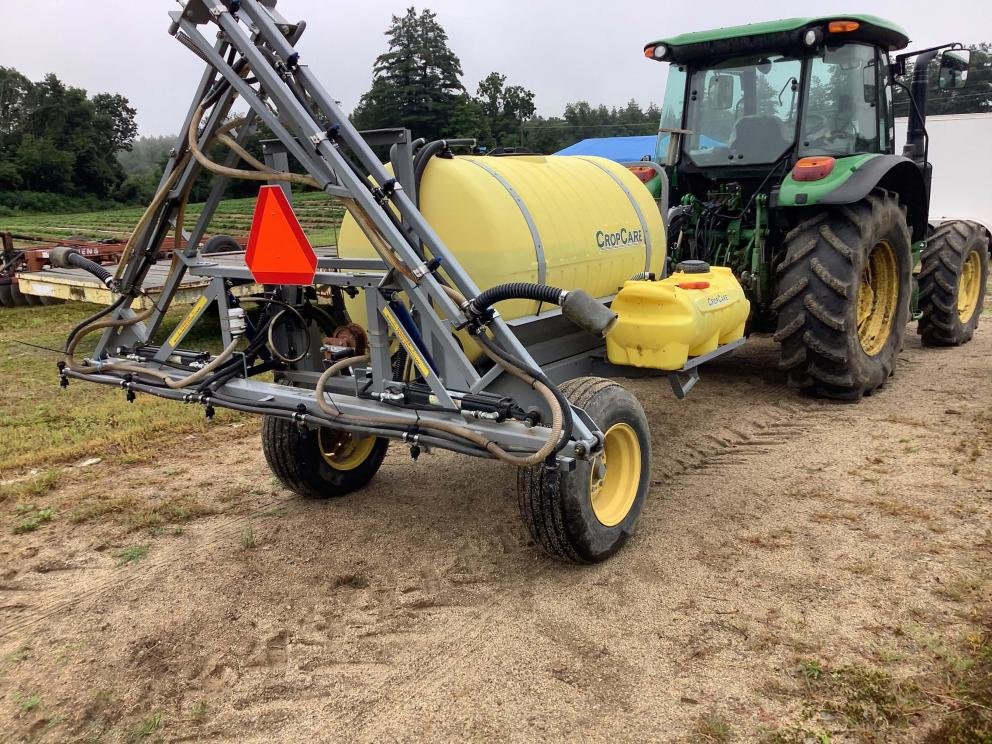
- Wheeled Sprayers:Larger tanks and wheels help cover very large areas fast.
Capacity Considerations
Choose a sprayer with the right tank size for your garden. A small tank means more refills. A large tank can be heavy and harder to carry.
| Sprayer Type | Tank Capacity | Best For |
| Handheld | 1-3 liters | Small gardens, spot treatments |
| Backpack | 10-20 liters | Medium to large gardens |
| Wheeled | 30+ liters | Very large areas, farms |
Nozzle Selection
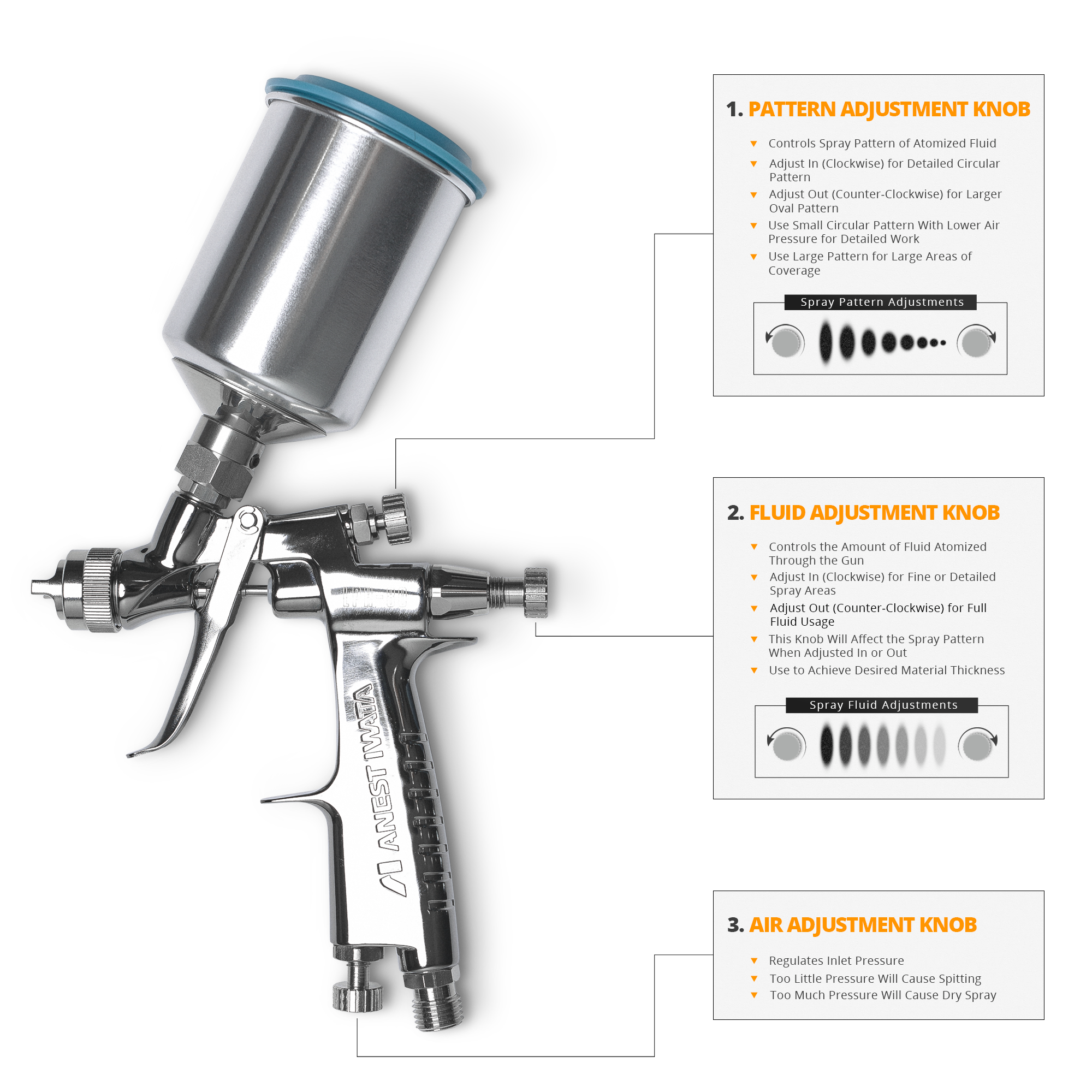
Nozzles control how spray leaves the sprayer. Different nozzles give different spray patterns. Choose one based on your need for coverage and droplet size.
- Fan Nozzles:Spread spray in a flat, wide pattern. Good for even coverage.
- Cone Nozzles:Spray in a circular pattern. Useful for spot treatments.
- Adjustable Nozzles:Let you change the spray type as you work.
Credit: www.cerakote.com
Preparing The Sprayer
Using a garden sprayer on large areas needs good preparation. This makes spraying easier and safer.
Check your sprayer before use to avoid problems. Clean and set it up correctly for best results.
Cleaning And Maintenance
Clean the sprayer before and after each use. This stops clogs and keeps it working well.
Check hoses, nozzles, and seals for cracks or damage. Fix or replace parts if needed to prevent leaks.
- Rinse the tank with clean water
- Flush the hose and nozzle
- Dry parts to avoid rust
- Store the sprayer in a dry place
Mixing Solutions Safely
Wear gloves and eye protection when mixing chemicals. Follow label instructions carefully to avoid harm.
Mix the solution in a separate container before adding it to the sprayer. This helps control the amount used.
- Use clean water for mixing
- Measure chemicals exactly as directed
- Mix in a well-ventilated area
- Never mix different chemicals unless allowed
Calibrating Spray Output
Calibrate the sprayer to apply the right amount of solution. This prevents waste and damage to plants.
Test spray on a small area. Adjust the nozzle or pressure to get even coverage.
- Mark a test area size
- Spray and measure how much solution is used
- Calculate output per area
- Change sprayer settings if needed
Effective Spraying Techniques
Using a garden sprayer on large areas needs good methods. Spraying well saves time and gives better results.
This guide covers key tips for spraying with a sprayer. Learn to keep steady pressure, cover the area, and handle weather.
Maintaining Consistent Pressure
Keep the sprayer pressure steady for even spray. Check the pump often and avoid letting the tank run too low.
A drop in pressure can cause uneven spraying. Use the sprayer’s gauge to watch pressure and pump as needed.
Spraying Patterns For Coverage
Use good patterns to cover the area fully. Overlapping your spray paths helps prevent missed spots.
- Spray in straight lines back and forth
- Overlap each pass by about 30%
- Keep the nozzle at the same height
- Move at a steady, even speed
Adjusting For Wind And Weather
Check the wind before you spray. Wind can blow spray away and cause waste or damage.
| Condition | Spraying Tip |
| Light Wind | Shoot spray into the wind |
| Strong Wind | Delay spraying until calm |
| Hot Weather | Spray early morning or late evening |
| Rainy Weather | Wait until dry to spray |
Safety Precautions
Using a garden sprayer on large areas needs extra care. Safety helps protect you and the environment.
Follow these safety tips to avoid accidents and harm while spraying chemicals.
Protective Gear Essentials
Wear protective gear to keep chemicals off your skin and out of your eyes. Use gloves, goggles, and long sleeves.
Choose gear made from materials that resist chemical penetration. Boots and masks add more protection.
- Wear chemical-resistant gloves
- Use safety goggles to protect eyes
- Put on a long-sleeve shirt and pants
- Wear boots that cover your feet fully
- Use a mask to avoid breathing spray
Handling Chemicals Responsibly
Read all instructions on the chemical label before use. Measure chemicals carefully to avoid overuse.
Mix chemicals in a well-ventilated area. Keep children and pets away from chemicals at all times.
- Follow label directions exactly
- Use only the needed amount
- Mix chemicals outdoors or in open space
- Store chemicals safely and out of reach
- Never eat or drink near chemicals
Avoiding Contamination
Do not spray on windy days to prevent drift. Avoid spraying near water sources to protect wildlife.
Clean your sprayer well after use. Dispose of leftover chemicals and containers properly.
- Check weather before spraying
- Keep sprayer away from streams and ponds
- Wash sprayer parts with water after use
- Do not pour chemicals down drains
- Follow local rules for chemical disposal
Post-spraying Care
After spraying large garden areas, taking care of your equipment is important. Proper post-spraying care helps keep your sprayer ready for the next use.
Monitoring the treated areas ensures your plants stay healthy and the spray works well. Follow these tips for good results.
Cleaning The Equipment
Clean your sprayer right after use. This stops chemicals from clogging the nozzle and damaging parts.
Flush the tank with water and spray it out. Remove and clean the nozzle and filters carefully.
- Empty leftover spray safely
- Rinse tank with clean water
- Use a brush to clean nozzle and filters
- Dry parts before storage
Storing The Sprayer Properly
Store your sprayer in a dry, cool place. Keep it away from direct sunlight and freezing temperatures.
Make sure the sprayer is empty and dry before storing. This helps avoid rust and damage to seals.
- Keep sprayer indoors or under cover
- Store upright to prevent leaks
- Check for damage before storage
- Protect from extreme weather
Monitoring Treated Areas
Watch the sprayed areas for signs of damage or pests. Early checks help you fix problems quickly.
Look for wilted leaves, discoloration, or pest activity. Take notes to improve future spraying.
- Inspect plants daily after spraying
- Note any unusual changes
- Water plants if spray causes drying
- Repeat spraying only if needed

Credit: www.hgtv.com
Frequently Asked Questions
What Type Of Sprayer Is Best For Large Garden Areas?
A backpack or wheeled garden sprayer offers better coverage for large areas. These sprayers hold more liquid and reduce refill frequency. Choose one with adjustable nozzles for versatile spray patterns and efficient application.
How Do I Prepare A Garden Sprayer For Large Areas?
Clean the sprayer thoroughly before use. Mix the solution according to label instructions. Fill the tank to avoid frequent refills. Test the spray pattern to ensure even coverage over large surfaces.
What Safety Tips Should I Follow Using Garden Sprayers?
Wear protective gear like gloves, goggles, and masks. Avoid spraying on windy days to prevent drift. Follow the chemical label instructions carefully. Clean the sprayer after each use to maintain safety and equipment longevity.
How Can I Ensure Even Coverage With A Garden Sprayer?
Walk at a steady pace and overlap spray passes. Use a consistent nozzle setting for uniform output. Maintain the sprayer at the recommended height from plants to prevent over or under-spraying.
Conclusion
Using a garden sprayer on large areas takes some practice. Start slow and keep your spray even. Check your sprayer often to avoid leaks or clogs. Choose the right nozzle for your plants and chemicals. Wear protective gear to stay safe during spraying.
Clean your sprayer well after each use. These simple tips help you save time and effort. Your garden will thank you with healthy, green plants. Keep these ideas in mind for easier garden care.