Are you tired of dealing with dull jigsaw blades that leave your projects looking less than perfect? Replacing your jigsaw blades efficiently can be the game changer you’ve been searching for.
Imagine achieving those smooth, precise cuts without the hassle of trial and error. In this guide, we’re going to share practical tips and tricks that will make swapping out those blades a breeze. Whether you’re a DIY enthusiast or a seasoned professional, these insights are crafted to enhance your skills and save you precious time.
So, ready to elevate your jigsaw game? Let’s dive in and transform the way you work, one blade at a time!
Credit: www.bosch-pt.com.au
Choosing The Right Blade
Picking the right jigsaw blade helps you work faster and safer. The right blade makes clean cuts and lasts longer.
Choosing the correct blade depends on the material and the type of cut you need.
Blade Types And Materials
Jigsaw blades come in different shapes and materials. Each type suits certain tasks better.
- High Carbon Steel (HCS): Best for soft materials like wood and plastic.
- High-Speed Steel (HSS): Good for cutting metal and harder plastics.
- Bimetal: Combines HCS and HSS for longer life and versatility.
- Carbide Grit: Designed for very hard materials like tile and cement.
Matching Blades To Materials
Use the right blade material for the workpiece. This keeps the blade sharp and avoids damage.
- Softwood: Use HCS blades with large teeth.
- Metal: Choose HSS or bimetal blades with small teeth.
- Plastic: Use blades made for plastics to avoid melting.
- Tile and Masonry: Use carbide grit blades for clean cuts.
Blade Size And Tpi
Blade size and teeth per inch (TPI) affect how smooth or fast a cut will be.
Smaller blades cut curves better. Larger blades cut straight lines faster.
| Teeth Per Inch (TPI) | Best For | Cut Type |
|---|---|---|
| 6-10 TPI | Soft wood and thick materials | Fast, rough cuts |
| 10-14 TPI | General purpose wood and plastic | Balanced speed and smoothness |
| 14-24 TPI | Metal and thin materials | Slow, smooth cuts |

Credit: www.reddit.com
Preparing Your Jigsaw
Replacing jigsaw blades is easier with the right preparation. Taking simple steps helps you work safely and quickly.
Before changing the blade, get your jigsaw ready. This makes the process smoother and reduces mistakes.
Safety Precautions
Always wear safety gear before handling the jigsaw. Protect your eyes and hands from sharp parts and debris.
Use safety glasses and gloves to avoid cuts and eye injuries. Keep your work area free of distractions.
- Wear safety glasses
- Use gloves to protect hands
- Keep children and pets away
- Work in a well-lit area
Power Off And Unplug
Make sure the jigsaw is turned off before changing the blade. This prevents accidental starts that can cause injuries.
Unplug the jigsaw from the power source. This step is important for your safety and to avoid damage to the tool.
- Switch off the jigsaw
- Unplug the power cord
- Double-check the tool is not connected
Clearing The Workspace
Clear your workspace before replacing the blade. Remove any loose items that might get in the way.
A clean area helps you focus and reduces the chance of losing small parts like screws or washers.
- Remove clutter and tools
- Organize blade and accessories
- Keep a clean cloth nearby
Removing The Old Blade
Removing the old jigsaw blade is important for safe and smooth cutting. Knowing how to do it right saves time and prevents damage.
This guide covers simple tips to remove blades easily and safely from your jigsaw tool.
Locating The Blade Release Mechanism
First, find the blade release mechanism on your jigsaw. It is often near the blade holder or on the side of the tool.
The release can be a lever, button, or screw that lets you unlock the blade for removal.
- Check the tool manual for the exact location.
- Look for a small switch or latch close to the blade.
- Some models have tool-free release systems.
Using The Blade Release
Use the blade release to unlock the blade carefully. This step prevents injury and tool damage.
- Turn off and unplug the jigsaw before you start.
- Press or move the release lever/button as designed.
- Gently pull the old blade straight out.
- Handle the blade by its dull end to avoid cuts.
Handling Stuck Blades
Sometimes blades get stuck and need extra care for removal. Avoid forcing the blade to stop damage.
- Apply a small amount of lubricant to the blade holder.
- Use pliers to gently wiggle the blade free.
- Check if the release mechanism is fully engaged.
- If stuck persists, consult the tool manual or a professional.

Credit: www.reddit.com
Installing The New Blade
Replacing a jigsaw blade is simple if you follow the right steps. Installing the new blade carefully ensures safe and accurate cutting.
Focus on aligning, securing, and checking the blade before using the jigsaw again.
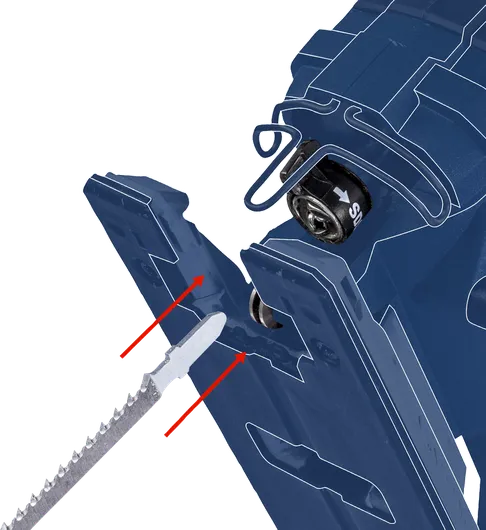
Aligning The Blade Correctly
Place the new blade so the teeth point in the cutting direction. The blade must fit into the blade holder slot fully.
Make sure the blade is straight and not tilted to avoid uneven cuts or damage.
- Check the blade teeth direction
- Insert blade into the holder slot
- Keep the blade straight and aligned
Securing The Blade In Place
Tighten the blade clamp or locking mechanism firmly. Use the tool provided by the jigsaw if needed.
A loose blade can fall out or cause accidents. Make sure it is fixed tightly but avoid over-tightening.
- Use the correct clamp or screw
- Tighten the blade securely
- Do not force too much to avoid damage
Checking Blade Stability
After installing, gently move the blade by hand. It should not wobble or move side to side.
Test the jigsaw briefly on scrap wood to confirm the blade is stable and cutting well.
- Check for any blade movement
- Run a test cut on scrap material
- Re-tighten if you notice instability
Testing The New Blade
Testing a new jigsaw blade is important before using it on your project. It helps ensure the blade works well and cuts smoothly.
By testing, you can avoid mistakes and save your materials from damage. Take time to check the blade’s performance.
Trial Cuts On Scrap Material
Make trial cuts on scrap wood or leftover material. This gives you a safe way to see how the blade cuts.
Check if the cut is smooth and clean. Adjust if the blade is not cutting well or if it is bending.
Adjusting Speed And Settings
Change the speed and settings on your jigsaw based on the blade type. Some blades need slower speeds for better cuts.
Faster speeds work for thinner materials and sharper blades. Find the right balance for your project.
- Use slower speed for thick or hard materials
- Use faster speed for thin or soft materials
- Adjust orbital settings if your jigsaw has them
Monitoring Blade Performance
Watch the blade during cutting to see how it performs. Listen for unusual noises or vibrations.
If the blade dulls fast or breaks, stop and check the fit or quality. Replace the blade if needed for safety.
Maintenance Tips For Blades
Keeping your jigsaw blades in good shape helps you cut better and lasts longer. Regular care avoids damage and saves money.
This guide covers cleaning, sharpening, and storing your blades to keep them ready for use.
Cleaning Blades After Use
Remove dust and pitch buildup on blades after every job. This keeps the blade sharp and prevents rust.
- Use a soft brush or cloth to wipe off debris.
- Apply a little rubbing alcohol to remove sticky resin.
- Dry blades fully before storing to avoid rust.
Sharpening And Replacing Blades
Dull blades make cuts rough and slow. Sharpen blades carefully or replace them if worn out.
| Blade Condition | Action |
| Minor dullness | Sharpen with fine file or sharpening stone |
| Chips or broken teeth | Replace blade immediately |
| Blade bends or warps | Do not use; replace blade |
Storing Blades Properly
Store blades in a dry place to keep them sharp and rust-free. Proper storage prevents damage and makes blades easy to find.
- Use a blade case or holder to keep blades separated.
- Keep blades away from moisture and direct sunlight.
- Label blades by size or type for quick access.
Frequently Asked Questions
How Do I Safely Remove A Jigsaw Blade?
First, unplug the jigsaw or remove the battery. Then, loosen the blade clamp using the key or lever. Carefully pull the blade out without touching the sharp edge. Always wear gloves for extra safety during this process.
What Type Of Blade Fits My Jigsaw?
Check your jigsaw’s manual or blade holder for compatibility. Most jigsaws use T-shank or U-shank blades. Choose the blade type that matches your tool for secure fitting and optimal cutting performance.
How Often Should I Replace A Jigsaw Blade?
Replace the blade when it becomes dull or damaged. Frequent use on tough materials speeds up wear. A sharp blade ensures clean cuts and reduces motor strain.
Can I Reuse Jigsaw Blades After Sharpening?
Yes, you can reuse blades if they are not damaged. Sharpening can restore cutting edges. However, replace blades if they are bent or broken for safety.
Conclusion
Replacing jigsaw blades can be quick and safe with the right steps. Always unplug your tool before changing blades for safety. Choose the correct blade type for your project to get clean cuts. Tighten the blade firmly to avoid wobbling during use.
Keep spare blades handy to save time later. Regular blade changes keep your jigsaw working well. Follow these tips, and your work will be smoother and easier. Simple habits make a big difference in your woodworking tasks.