Are you tired of rummaging through a messy pile of sanding discs every time you start a project? You’re not alone.
Many DIY enthusiasts and professionals alike struggle with keeping their sanding discs organized. But what if we told you that there’s a way to streamline this process, saving you both time and frustration? Imagine walking into your workshop and having everything at your fingertips, neatly arranged and ready to go.
By learning how to organize your sanding discs efficiently, you’ll not only enhance your workflow but also prolong the life of your tools. Curious to find out how? Keep reading, and discover the secrets to transforming your workspace into a well-oiled machine.
Choosing The Right Storage
Keeping sanding discs organized saves time and keeps your workspace clean. Good storage helps protect discs from damage.
Choosing the right storage depends on your needs and workspace size. This guide covers types of discs, containers, and materials.
Types Of Sanding Discs
Sanding discs come in various types for different tasks. Knowing these helps you store them properly.
- Hook and loop discs: Easy to attach and remove from sanding tools.
- PSA discs: Have a sticky back for quick use.
- Non-woven discs: Used for finishing and cleaning surfaces.
- Specialty discs: Designed for unique materials or finishes.
Storage Containers Options
Many container types keep sanding discs safe and tidy. Pick one that fits your disc type and workspace.
- Plastic boxes with dividers: Keep discs separated and easy to find.
- Rotating racks: Save space and provide quick access.
- Drawer organizers: Fit into workbenches or cabinets.
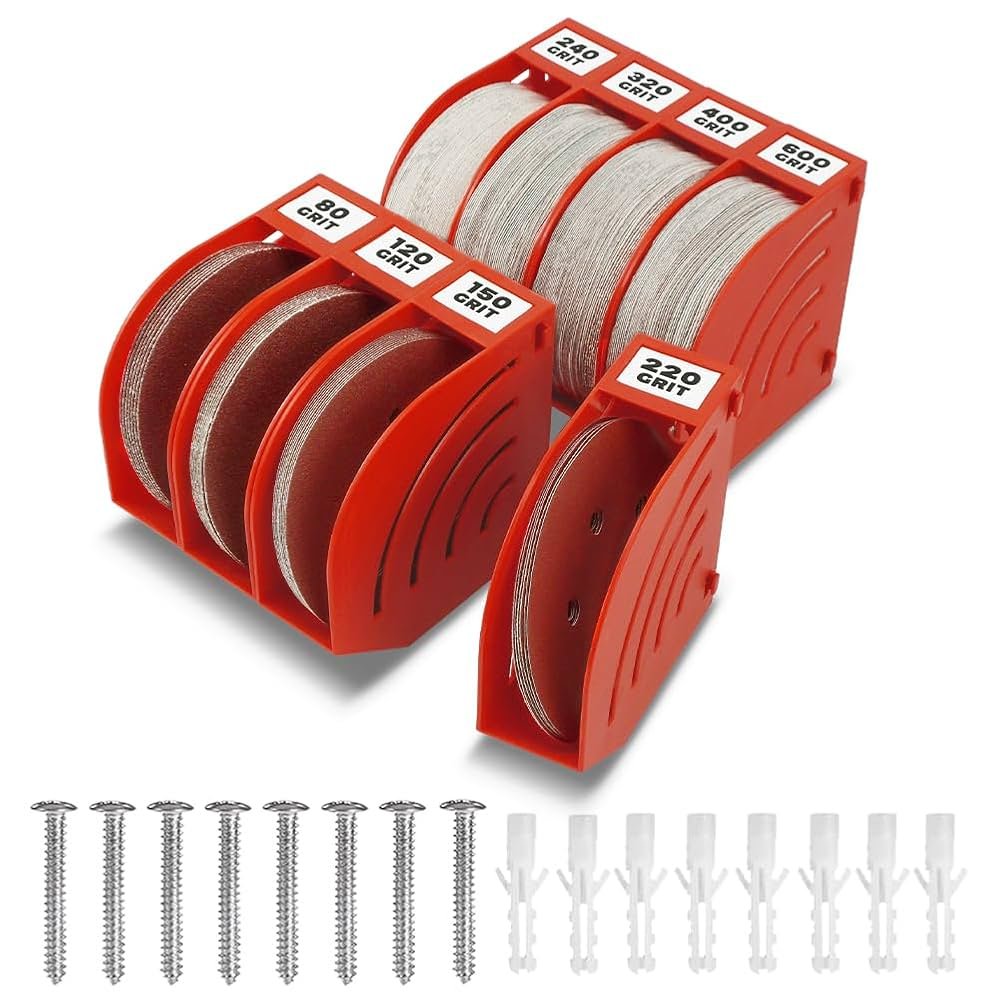
- Wall-mounted holders: Use vertical space effectively.
Material Considerations
Storage materials affect disc protection. Choose materials that prevent damage and keep discs dry.
- Plastic: Lightweight and moisture-resistant, good for most discs.
- Metal: Durable but can rust; best if coated or used indoors.
- Wood: Natural but may absorb moisture; use with liners.
- Foam inserts: Protect discs from scratches and pressure.

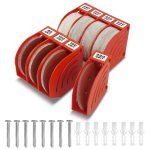
Credit: www.amazon.co.uk
Sorting Sanding Discs
Keeping sanding discs organized helps you find the right one fast. It saves time and keeps your workspace tidy.
Sorting discs by different features makes it easier to pick the best disc for your project. Use simple methods to sort them well.
By Grit Size
Sort sanding discs by grit size to find the right roughness quickly. Grit size shows how coarse or fine the disc is.
Keep coarse grits separate from fine grits to avoid confusion. Label containers or holders with the grit numbers.
- Coarse grits (40-60) for heavy sanding
- Medium grits (80-120) for smoothing surfaces
- Fine grits (150-220) for finishing touches
By Disc Diameter
Sort discs by diameter to fit your sander easily. Different tools need different disc sizes.
Store discs of the same diameter together. Use bins or racks that match the disc sizes for quick access.
- 4-inch discs for small sanders
- 5-inch discs for medium sanders
- 6-inch or larger for heavy-duty sanders
By Usage Frequency
Place discs you use often in easy-to-reach spots. Less used discs can be stored farther away.
Organize discs by how often you need them. This saves time and keeps your workflow smooth.
- Keep daily use discs on top or front
- Store occasional use discs in labeled boxes
- Keep specialty discs separate but easy to find
Space-saving Storage Ideas
Keeping sanding discs organized saves time and space. A clutter-free workspace helps you work faster and safer.
Using smart storage ideas keeps your discs easy to find. You can store many discs without wasting room.
Vertical Storage Solutions
Vertical storage saves floor and shelf space. Use tall containers or racks to hold sanding discs upright. This method keeps discs visible and easy to access.
- Use clear plastic tubes or jars to stand discs vertically.
- Label each container by grit size for quick selection.
- Stack vertical racks on a shelf to maximize space.
- Place heavy-duty discs at the bottom to avoid damage.
Drawer Organizers
Drawer organizers keep sanding discs neat and separated. Use dividers or small bins inside drawers to avoid mixing discs. This method protects discs from dust and damage.
| Organizer Type | Benefit | Best For |
| Adjustable dividers | Custom fit for discs | Mixed grit sizes |
| Stackable bins | Easy to move and clean | Large quantities |
| Foam inserts | Protects discs from scratches | Delicate or specialty discs |
Wall-mounted Racks
Wall racks free up drawer and shelf space. Mount racks near your workbench for quick reach. Use pegs or slots to hold discs in place without stacking.
- Install multiple rows for different grit sizes
- Use pegboards with hooks for flexible storage
- Keep frequently used discs at eye level
Labeling For Quick Access
Organizing sanding discs makes your work faster and easier. Labeling helps you find the right disc quickly.
Clear labels reduce confusion and save time during sanding projects.
Effective Labeling Techniques
Use simple and clear labels to identify each sanding disc type. Write the grit size and disc material on the label.
Place labels where they are easy to see without removing discs from storage.
- Use waterproof markers or printed labels for durability
- Write large, readable numbers and letters
- Label both the container and the discs if possible
- Keep label text consistent for easy reading
Color Coding Systems
Colors help you recognize sanding discs fast by grit size or type. Assign each grit range a different color.
Use colored stickers or tape on the discs or their holders to show the category at a glance.
| Color | Grit Size | Use |
|---|---|---|
| Red | 40-60 | Coarse sanding and rough shaping |
| Yellow | 80-120 | Medium sanding and smoothing |
| Green | 150-220 | Fine sanding before finishing |
| Blue | 320+ | Extra fine sanding and polishing |
Maintaining Disc Quality
Keeping sanding discs in good shape helps them last longer. Proper care stops damage before it starts.
Organizing discs right protects their surface and ensures smooth work every time.
Protecting From Moisture
Moisture can harm sanding discs by weakening their adhesive and causing rust. Store discs in a dry place away from water or high humidity.
- Use airtight containers or plastic bags for storage
- Keep discs off damp floors and surfaces
- Place silica gel packets nearby to absorb moisture
- Check discs regularly for any signs of dampness
Avoiding Disc Warping
Warped discs do not sand evenly and can cause safety risks. Store discs flat and avoid stacking too many on top of each other.
| Storage Tip | Reason |
| Store discs flat | Prevents bending or warping |
| Use rigid containers | Keeps discs supported and stable |
| Avoid stacking over 10 discs | Reduces pressure that causes warps |
| Keep away from heat sources | Heat softens discs and changes shape |
Credit: www.amazon.com
Diy Storage Projects
Keeping sanding discs organized helps you work faster and keeps your workspace neat. You can use simple storage ideas to save space and find your discs easily.
This guide shows you how to use everyday items and build your own organizers. Both ways can make sanding disc storage simple and efficient.
Repurposed Household Items
Many items around the house can hold sanding discs. Using these items saves money and reduces waste.
- Old CD or DVD racks hold discs by size and type.
- Empty spice racks fit small sanding discs well.
- Magazine holders keep discs upright and easy to flip through.
- Plastic jars or containers can separate discs by grit.
- Ice cube trays or muffin tins work for sorting small disc packs.
Custom-built Organizers
Building your own organizer lets you customize the size and shape to fit your sanding discs perfectly.
| Material | Use | Benefit |
| Wood | Drawers or racks | Strong and easy to paint |
| Plastic sheets | Dividers or boxes | Lightweight and easy to clean |
| Metal grids | Hanging panels | Durable and space-saving |
| Foam | Cut slots | Protects discs and keeps them in place |
Design your organizer with slots or compartments to separate discs by grit or size. Label each section to find what you need quickly.
Maximizing Workshop Efficiency
Keeping sanding discs organized saves time and reduces clutter in your workshop. A tidy workspace helps you find the right disc quickly. This boosts your work speed and quality.
Efficient storage methods protect sanding discs from damage. They also make your workflow smoother. Organize your discs with routines and smart storage solutions.
Routine Organization Practices
Set up a daily habit to check and sort your sanding discs. Keep discs separated by grit and size. This prevents mixing and helps you pick the right one fast.
- Label containers clearly by grit number
- Use shallow bins for easy access
- Inspect discs regularly for wear or damage
- Remove unusable discs promptly
- Keep a cleaning brush nearby to remove dust
Integrating Storage With Workflow
Arrange sanding discs near your main work areas. This cuts down time spent walking to storage. Group discs by project or tool compatibility for faster use.
| Storage Location | Purpose | Benefits |
| Wall-mounted racks | Keep discs visible and sorted | Easy access and space saving |
| Drawer organizers | Separate by grit and size | Protects discs from damage |
| Portable caddies | Carry discs to different workstations | Improves workflow flexibility |

Credit: www.amazon.com
Frequently Asked Questions
What Is The Best Way To Store Sanding Discs?
The best way to store sanding discs is using labeled, stackable containers or wall-mounted racks. This keeps discs organized and easy to access. It also prevents damage and extends their lifespan. Group discs by grit size for quick identification and efficient use.
How Can I Prevent Sanding Discs From Damage?
Store sanding discs in a dry, cool place to avoid moisture damage. Use protective sleeves or cases to prevent scratches. Avoid stacking heavy items on top. Proper storage maintains disc quality and performance during sanding tasks.
How Do I Organize Sanding Discs By Grit Size?
Sort sanding discs into separate containers or compartments based on grit size. Label each section clearly for quick access. This method speeds up project workflow and ensures you always use the right disc for the job.
Can I Use A Diy Organizer For Sanding Discs?
Yes, DIY organizers like pegboards, plastic sleeves, or homemade racks work well. Customize them to fit your space and disc quantity. DIY solutions are cost-effective and help keep your sanding discs neat and accessible.
Conclusion
Organizing sanding discs saves time and reduces frustration. Keep discs sorted by grit and type. Use clear containers or labels for quick access. Store discs where they stay dry and flat. Regularly check and remove worn discs to keep space tidy.
A simple system helps you work faster and cleaner. Small efforts lead to big improvements in your workspace. Stay consistent to enjoy long-term benefits. Efficient organization makes every project smoother and more enjoyable.