Do your container plants seem to wilt, no matter how much you care for them? Watering them evenly might be the secret you’re missing.
Imagine lush, vibrant plants that thrive under your care, enhancing your space with their beauty. This guide will reveal the essential tips to water your container plants evenly, ensuring they flourish and reward you with their full potential. Unlock the secrets to a thriving container garden and discover how simple changes can lead to stunning results.
Keep reading to learn how you can transform your plants from struggling to thriving. Your plants deserve it, and so do you.
Choosing The Right Containers
Choosing the right container helps your plants get the water they need. It affects how water stays in the soil and drains out.
Containers come in many materials and sizes. Each type changes the way water moves and holds in the pot.
Material Impact On Water Retention
Some container materials keep water longer than others. Clay pots dry out fast. Plastic pots hold water well. Metal pots can heat up, drying soil quickly.
- Clay pots are porous and let water evaporate quickly.
- Plastic pots hold moisture but may cause root rot if too wet.
- Metal pots heat up in sun, drying soil faster.
- Wooden containers hold water well but may rot over time.
Size And Drainage Considerations
Container size affects water needs and drainage. Small pots dry faster. Big pots hold more water but can weigh a lot.
| Size | Water Retention | Drainage Needs | Plant Type |
|---|---|---|---|
| Small (under 8 inches) | Low | Needs good drainage | Small herbs, succulents |
| Medium (8 to 16 inches) | Moderate | Drainage holes essential | Flowers, vegetables |
| Large (over 16 inches) | High | Multiple drainage holes | Shrubs, small trees |
Selecting Suitable Soil Mix
Choosing the right soil mix is key for watering container plants evenly. The soil must hold water well but not stay soggy.
A good soil mix helps plants get enough moisture and air. This keeps roots healthy and plants growing strong.
Soil Components For Moisture Control
Soil parts control how much water the soil keeps. Some parts hold water, while others let extra water drain.
Using the right mix helps stop overwatering or drying out. This keeps water spread evenly for all roots.
- Peat moss holds moisture but can dry out fast
- Coconut coir keeps water longer and is eco-friendly
- Compost adds nutrients and holds some water
- Perlite and vermiculite help keep water balanced
Improving Drainage And Aeration
Good drainage stops water from staying too long in the soil. This prevents root rot and mold growth.
Aeration means air can reach the roots. Roots need air to breathe and grow well.
- Use perlite or pumice to keep soil loose
- Add coarse sand for better water flow
- Mix in bark chips to create air pockets
- Choose containers with drainage holes
Watering Techniques
Watering container plants evenly is key to keeping them healthy. It helps roots grow well and prevents dry spots.
Different watering methods work best for different plants and containers. Choose the right one for your needs.
Top Watering Vs Bottom Watering
Top watering means pouring water on the soil surface. It wets the whole pot and flushes out salt buildup.
Bottom watering uses water absorbed from the container’s base. It encourages roots to grow downwards.
- Top watering is easy and fast but can cause soil compaction.
- Bottom watering helps avoid overwatering and reduces leaf wetness.
- Top watering suits most plants and pots.
- Bottom watering works well with plants that dislike wet leaves.
- Use a saucer or tray to hold water for bottom watering.
Using Self-watering Systems
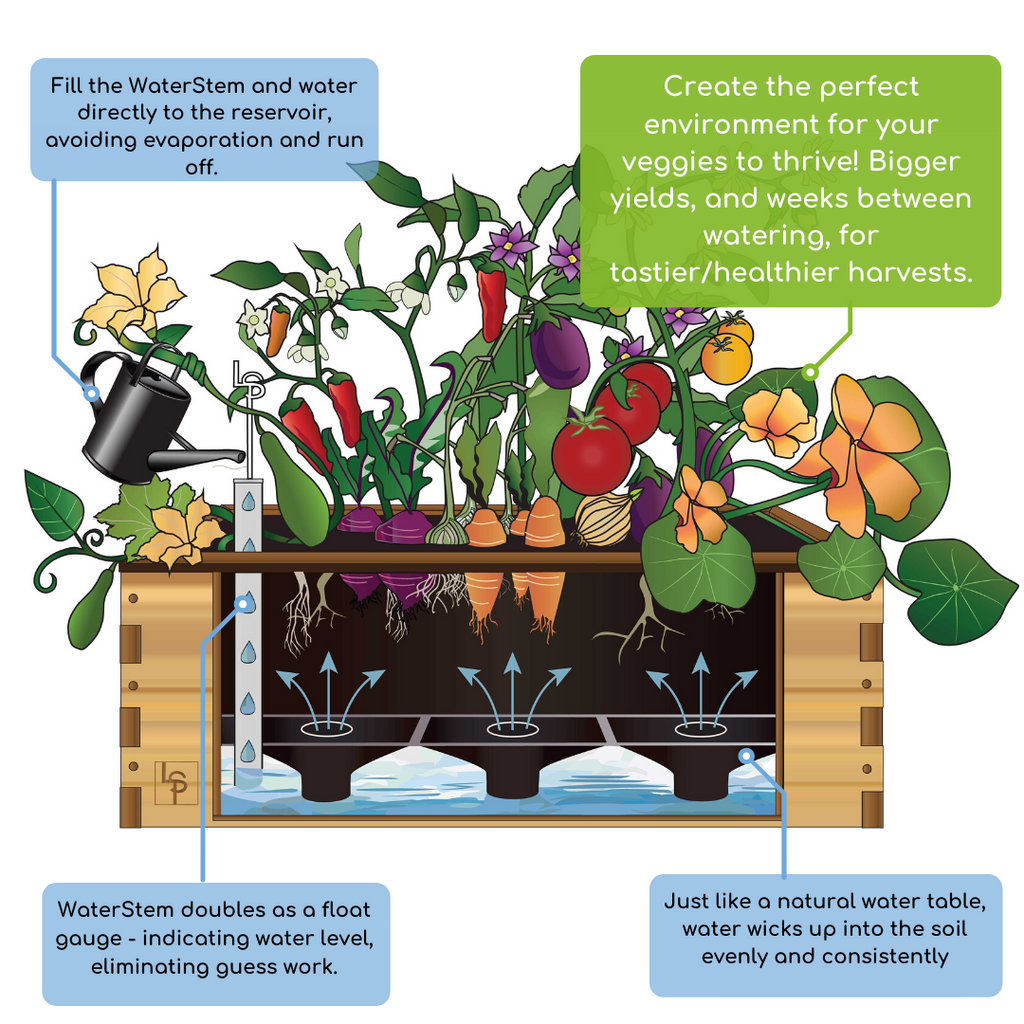
Self-watering containers have a water reservoir below the soil. Plants absorb water as needed.
This system keeps moisture consistent and reduces watering frequency. It helps prevent dry spots and overwatering.
- Fill the reservoir and let the soil draw water up.
- Check the water level regularly and refill when low.
- Good for busy gardeners or outdoor plants.
- Helps plants stay hydrated during hot weather.
- Choose containers with a clear water level indicator.

Credit: plantora.app
Timing Your Watering
Watering container plants at the right time helps them stay healthy. Proper timing stops water waste and keeps roots strong.
Different plants need water at different times. Learning the best time to water helps your plants grow well.
Best Time Of Day To Water
The best time to water container plants is early in the morning. The soil can absorb water before the heat of the day.
Watering in the evening can cause moisture to stay on leaves too long. This can lead to plant diseases.
- Morning watering helps plants use water well.
- Avoid watering at midday to prevent quick evaporation.
- Evening watering may increase risk of fungus.
Frequency Based On Plant Type
Different plants need water at different rates. Some like more water, and some need less to stay healthy.
Knowing your plant type helps decide how often to water your containers.
| Plant Type | Watering Frequency |
|---|---|
| Succulents and Cacti | Once every 1-2 weeks |
| Herbs and Vegetables | 2-3 times a week |
| Flowering Plants | Every 2-3 days |
| Tropical Plants | Every 1-2 days |
Ensuring Even Moisture Distribution
Watering container plants can be tricky. It is important to keep the soil moist without overwatering. Even moisture helps plants grow strong and healthy.
Uneven watering can cause dry spots or root rot. Learn how to check soil moisture and use the right tools for even watering.
Checking Soil Moisture Levels
Check soil moisture by feeling the soil surface and below it. The top inch might feel dry while deeper soil can still be wet.
- Touch the soil with your finger about 1 inch deep.
- Look for soil color changes; dry soil looks lighter.
- Press the soil gently to check if it feels damp.
- Observe how fast water drains after watering.
Tools To Measure Moisture
Use simple tools to get accurate moisture readings. These tools help you water plants evenly and prevent mistakes.
| Tool | Description | Use |
| Moisture Meter | Probe that measures soil moisture level | Insert into soil to get a reading |
| Wooden Stick | Simple stick to check wetness | Push into soil and check stick color |
| Finger Test | Use your finger to feel soil dampness | Insert finger into soil 1 inch deep |
| Drip Check | Observe water dripping from drainage holes | Water and watch if water drains evenly |
Credit: www.thecelticfarm.com
Common Watering Mistakes To Avoid
Watering container plants may seem simple, but many gardeners make mistakes. These errors can harm the plants or slow their growth.
Understanding how to water correctly helps plants stay healthy and thrive. Learn about common problems and how to fix them.
Overwatering Signs And Prevention
Overwatering causes roots to stay wet too long. This can lead to root rot and plant stress. Leaves may turn yellow or wilt even if the soil feels wet.
- Check soil moisture before watering.
- Use pots with drainage holes.
- Water only when the top inch of soil is dry.
- Avoid letting plants sit in water trays for long.
- Use well-draining soil mixes designed for containers.
Underwatering Effects
Underwatering causes dry soil and weak plants. Leaves may curl, brown, or drop. Growth slows and flowers may not bloom.
| Symptom | Cause | Solution |
| Dry, cracked soil | Not enough water | Water deeply and regularly |
| Brown leaf edges | Soil dries out between watering | Check soil moisture daily |
| Slow growth | Lack of water stress | Keep soil evenly moist |
Adjusting Watering For Seasons
Watering container plants changes as seasons change. Plants need different amounts of water in summer and winter.
Knowing how to water plants in each season helps them stay healthy and grow well.
Summer Vs Winter Water Needs
In summer, heat makes soil dry faster. Plants need more water to stay fresh and green.
In winter, cooler weather slows down plant growth. They use less water and need less frequent watering.
- Summer: Water deeply and often to keep soil moist.
- Winter: Water less and check soil before watering.
- Avoid overwatering in winter to prevent root rot.
Adapting To Indoor And Outdoor Conditions
Indoor plants usually need less water than outdoor plants. Indoor air is less dry and temperature is stable.
Outdoor plants face wind and sun, which dry soil faster. They need more frequent watering, especially in hot weather.
- Check soil moisture regularly for both indoor and outdoor plants.
- Use pots with drainage holes to prevent water buildup.
- Adjust watering based on plant type and location.
Additional Tips For Healthy Container Plants
Watering container plants evenly helps keep them strong. But good care means more than just watering.
Using mulch and balancing fertilizer with water helps plants grow well in containers.
Mulching Benefits
Mulch keeps soil moist longer by reducing evaporation. It also stops weeds from growing in pots.
Mulch helps keep soil temperature steady, which protects plant roots from heat and cold.
- Use organic mulch like bark or straw
- Apply 1-2 inches of mulch on top of soil
- Refresh mulch as it breaks down
- Keep mulch a little away from plant stems
Fertilizing And Watering Balance
Container plants need fertilizer because soil nutrients wash away quickly. Use fertilizer with watering.
Too much fertilizer or water can harm plants. Find a balance to keep plants healthy and growing.
- Choose slow-release fertilizer for steady feeding
- Water plants before adding fertilizer
- Avoid overwatering after fertilizing
- Follow fertilizer package instructions carefully

Credit: www.calloways.com
Frequently Asked Questions
How Often Should I Water Container Plants Evenly?
Water container plants when the top inch of soil feels dry. Frequency varies by plant type, container size, and weather. Typically, watering every 2-3 days ensures even moisture without overwatering or underwatering.
What Tools Help Water Container Plants Evenly?
Use watering cans with narrow spouts or drip irrigation systems. These tools distribute water uniformly, preventing dry spots and waterlogging. Moisture meters also help monitor soil dampness for precise watering.
Why Is Even Watering Important For Container Plants?
Even watering prevents root rot and promotes healthy growth. It ensures all roots receive sufficient moisture, reducing stress and nutrient deficiencies. Uneven watering can cause wilting or uneven plant development.
Can I Use Self-watering Containers For Even Moisture?
Yes, self-watering containers maintain consistent soil moisture. They reduce watering frequency and help avoid dry or soggy spots. These containers are ideal for busy gardeners or hot climates.
Conclusion
Watering container plants evenly keeps them healthy and strong. Use a consistent watering schedule to avoid dry spots. Check soil moisture often and adjust water amount as needed. Good watering helps plants grow well and bloom beautifully. Remember, even watering prevents root problems and saves water.
With these tips, your plants will thrive all season. Keep it simple, stay patient, and enjoy your green space.