Are you tired of your rotary tool bits wearing out too quickly or not performing as smoothly as they should? Proper lubrication could be the missing link to enhancing their lifespan and efficiency.
Imagine getting more out of every tool bit, saving you time and money in the long run. In this guide, you’ll discover simple yet effective techniques to keep your rotary tool bits in prime condition. You’ll learn how a little maintenance can transform your DIY projects, making every cut, carve, or polish as seamless as possible.
Dive in to unlock the secrets of lubrication and elevate your tool game today!

Credit: www.youtube.com
Why Lubrication Matters
Lubricating rotary tool bits helps keep them working well. It reduces friction and heat during use.
Proper lubrication protects your tools and improves their performance over time.
Preventing Overheating
Lubrication lowers the friction between the bit and the material. This stops the tool from getting too hot.
- Reduces wear on the bit
- Prevents damage to the tool motor
- Improves safety by avoiding burns
- Maintains steady cutting speed
Extending Bit Lifespan
Regular lubrication stops bits from wearing out quickly. It keeps the edges sharper for longer.
| Benefit | Effect |
| Reduced friction | Less bit wear |
| Less heat | Prevents metal fatigue |
| Cleaner cuts | Less chipping and breaking |
Enhancing Cutting Efficiency
Lubricated bits cut smoother and faster. They glide through materials with less effort.
- Improves control and precision
- Reduces the chance of bit slipping
- Requires less force, saving energy
Choosing The Right Lubricant
Lubricating rotary tool bits helps them last longer and work better. Choosing the right lubricant is important to protect the bits from wear and heat.
Different lubricants suit different rotary tool tasks. Learn about common types and their uses before applying any lubricant.
Types Of Lubricants
There are many lubricants available. Each type has benefits and limits. Picking the right one depends on your tool and project.
- Mineral oils: Light and easy to apply
- Synthetic oils: Resist heat and last longer
- Greases: Thick and stay in place
- Dry lubricants: Avoid dirt build-up
Oil Vs. Grease
| Lubricant | Advantages | Best Use |
| Oil | Penetrates small parts, easy to apply | High-speed bits, light tasks |
| Grease | Lasts longer, stays in place | Heavy loads, slow speed bits |
Oils are thin and spread easily. Grease is thicker and works well under pressure. Choose based on how your tool runs and the job type.
Specialty Lubricants For Rotary Tools
Some lubricants are made just for rotary tools. These reduce heat and friction better than normal oils or greases.
- Graphite lubricants: Dry and clean, good for dusty places
- Silicone-based lubricants: Resist water and heat
- Teflon sprays: Reduce friction and wear
Preparing The Rotary Tool Bits
Proper preparation of rotary tool bits helps them last longer. It also improves their performance during use.
Before lubricating, cleaning and inspection are important steps. These ensure the bits work safely and smoothly.
Cleaning Before Lubrication
Remove dust, dirt, and old grease from the bits. Clean bits allow lubricant to reach all moving parts.
- Use a soft brush to clear loose debris.
- Wipe bits with a clean cloth soaked in rubbing alcohol.
- Let bits dry completely before applying lubricant.
Inspecting For Damage
Check bits carefully for cracks or wear. Damaged bits can break during use and cause injury.
| Damage Type | Signs to Look For | Action |
| Cracks | Visible lines or splits on bit surface | Do not use; replace immediately |
| Wear | Rounded edges or uneven surfaces | Sharpen or replace as needed |
| Rust | Discoloration or rough texture | Clean thoroughly or replace |
Credit: www.bosch-pt.com.my
Lubrication Techniques
Lubricating rotary tool bits keeps them running smoothly. It reduces heat and wear during use.
Using the right lubrication method helps tools last longer and perform better.
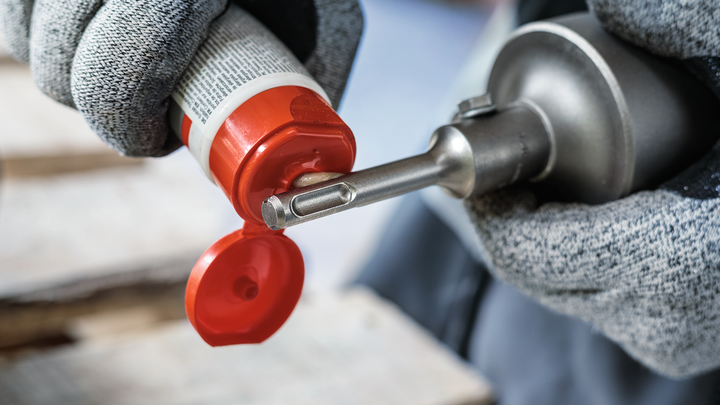
Applying Oil Drops
Apply a few drops of light machine oil directly on the rotary bit. This helps reduce friction.
Make sure to clean the bit before applying oil. This removes dust and debris that block lubrication.
Using Lubricant Sprays
Lubricant sprays cover bits evenly and quickly. They penetrate hard-to-reach areas.
- Hold the spray nozzle about 6 inches from the bit.
- Spray a short burst for even coverage.
- Wipe off excess lubricant to avoid buildup.
- Use sprays designed for metal tools.
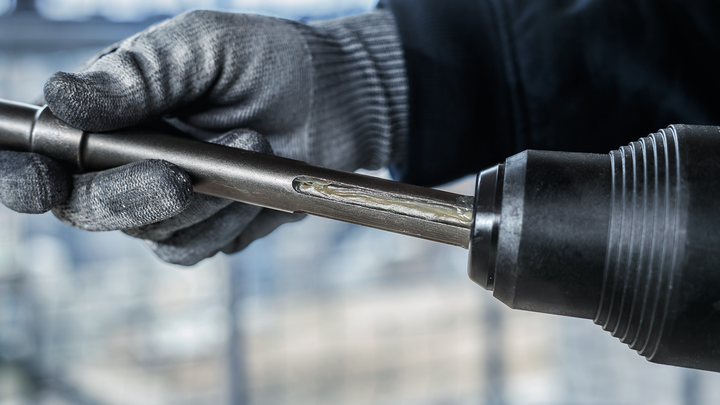
Grease Application Methods
Grease works well for rotary bits used in heavy-duty tasks. It stays longer than oil or spray.
| Grease Type | Best Use | Application Tip |
| General Purpose | Light to medium loads | Apply a thin layer with a brush |
| High Temperature | High heat tasks | Use sparingly to avoid clogging |
| Water Resistant | Wet or humid environments | Cover entire bit surface |
Frequency Of Lubrication
Lubricating rotary tool bits is important to keep them working well. It helps prevent wear and tear during use.
The frequency of lubrication depends on how often you use the tool and the type of work you do.
Signs You Need To Lubricate
Look for signs that show your rotary tool bits need lubrication. These signs help you avoid damage.
- The tool bit feels hotter than usual during use
- There is unusual noise or grinding sounds
- The bit spins slower or struggles to cut
- You see visible wear or rust on the bit
If you notice any of these signs, stop using the tool and apply lubrication soon.
Routine Maintenance Schedule
Create a regular plan to lubricate your rotary tool bits. This keeps them in good shape for longer.
- Light use: lubricate every 10 hours of operation
- Moderate use: lubricate every 5 hours of operation
- Heavy use: lubricate after each hour of operation
Always clean the bits before lubrication to remove dust and debris. This helps the lubricant work better.
Common Mistakes To Avoid
Lubricating rotary tool bits helps them work better and last longer. Many people make mistakes that can cause damage or reduce tool life.
Knowing what to avoid is important for safe and effective lubrication. Here are some common errors to watch out for.
Over-lubricating
Putting too much lubricant on the bits can attract dust and debris. This buildup can cause the tool to clog or wear out faster.
Use only a small amount of lubricant. A thin layer is enough to protect the bits and keep them running smoothly.
- Excess lubricant can drip into the motor.
- Too much oil can create a slippery grip.
- Cleaning bits before lubrication reduces buildup.
Using Incorrect Lubricants
Not all lubricants are safe for rotary tool bits. Using the wrong type can damage the bits or reduce their efficiency.
Choose lubricants made for small power tools or metal parts. Avoid thick greases or household oils that can gum up the tool.
- Do not use cooking oils or WD-40 as lubricant.
- Check the product label for compatibility.
- Use light machine oil or specialized rotary tool oil.
Ignoring Safety Precautions
Ignoring safety steps while lubricating can cause injury or damage. Always follow safe handling rules to protect yourself and your tool.
Wear gloves and eye protection. Work in a well-ventilated area to avoid breathing fumes from the lubricant.
- Turn off and unplug the rotary tool before lubricating.
- Keep lubricant away from skin and eyes.
- Store lubricants in safe, cool places.
Troubleshooting Performance Issues
Rotary tool bits need proper care for best results. Sometimes, problems appear even with good lubrication. This guide helps fix common issues.
Check the tool and bits carefully. Look for signs of trouble like heat, noise, or loss of control. Follow simple tips to solve these problems.
Bit Overheating Despite Lubrication
Overheating can damage bits and workpieces. Lubrication alone may not stop heat if the bit or tool has issues.
- Check if the bit is dull or worn out; replace if needed.
- Use the correct speed for your bit and material.
- Make sure lubrication reaches the cutting edges.
- Clean bits and tool holders from debris and dust.
- Allow the tool to rest between long uses.
Unusual Noise Or Vibration
Noise or vibration may indicate a loose or damaged bit. It can reduce tool life and cutting quality.
| Cause | Fix |
| Loose bit | Tighten the collet or chuck securely |
| Damaged bit shaft | Replace the bit immediately |
| Imbalanced bit | Use bits that are well-made and balanced |
| Worn bearings | Inspect and replace tool bearings if noisy |
Reduced Cutting Precision
Less precise cutting may happen even with lubrication. Check several factors to fix this problem.
- Use bits made for your specific material and task.
- Keep bits sharp and clean for smooth cuts.
- Apply steady, even pressure without forcing the bit.
- Lubricate bits properly but avoid excess oil that may cause slipping.
- Check tool alignment and secure the workpiece firmly.

Credit: eternaltools.com
Frequently Asked Questions
How Often Should I Lubricate Rotary Tool Bits?
Lubricate rotary tool bits after every 1-2 hours of use. Frequent lubrication reduces friction and prevents overheating. This extends bit life and ensures smooth operation. Always check the manufacturer’s guidelines for specific intervals.
What Type Of Lubricant Is Best For Rotary Tool Bits?
Use light machine oil or specialized rotary tool lubricants. Avoid heavy oils or grease as they attract debris. Proper lubricant reduces wear and improves cutting efficiency. Ensure the lubricant is compatible with metal and plastic parts.
Can I Lubricate Rotary Tool Bits While In Use?
No, always stop the tool before lubricating. Running lubrication risks injury and uneven application. Allow the bit to cool down before applying oil. This ensures safety and effective lubrication.
Does Lubrication Improve Rotary Tool Bit Performance?
Yes, lubrication reduces friction and heat build-up. This prevents bit damage and maintains sharpness longer. Lubricated bits cut smoother and require less effort. Regular lubrication improves overall tool efficiency and lifespan.
Conclusion
Keeping your rotary tool bits lubricated helps them last longer. It reduces friction and keeps the bits running smoothly. Regular lubrication also prevents overheating and wear. Use the right lubricant and apply it often for best results. Clean the bits before adding oil or grease.
Small steps like these improve your tool’s performance. Take care of your tools, and they will take care of you. Simple habits make a big difference in your work quality.