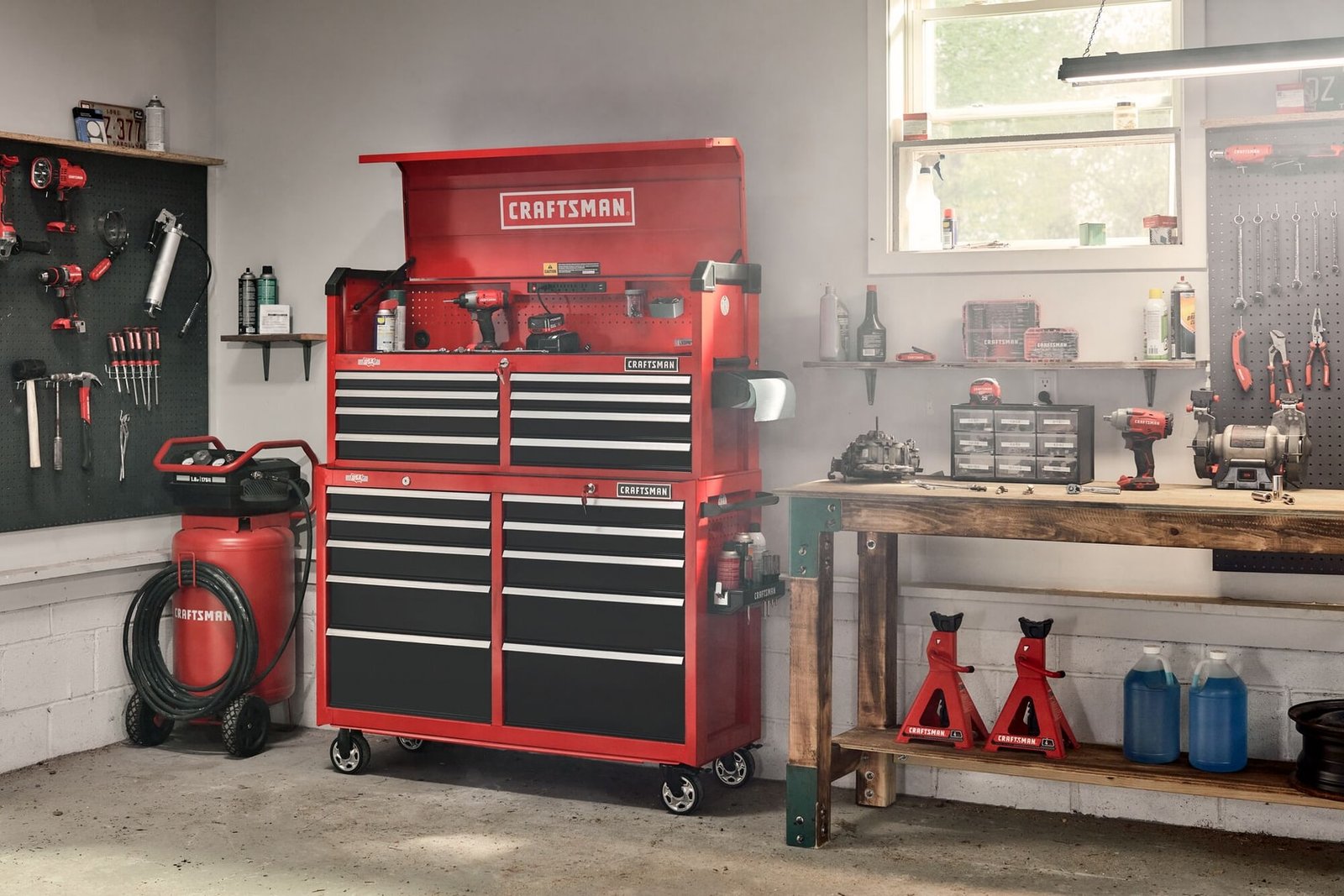
Are you tired of wasting time searching for misplaced tools in a cluttered garage or workshop? Setting up a rolling tool cabinet could be the game-changer you need.
Imagine having all your tools neatly organized and within arm’s reach, boosting your productivity and saving you time. This guide will walk you through the simple steps to transform your tool chaos into order. You’ll learn how to maximize space, keep your tools in top condition, and even add a touch of style to your workspace.
Ready to make your life easier and your projects more efficient? Let’s dive into the details and get your rolling tool cabinet up and running!

Credit: lazyguydiy.com
Choosing The Right Cabinet
Picking the right rolling tool cabinet makes your work easier. It helps keep tools safe and organized.
Think about what fits your space and tools before buying a cabinet.
Material And Build Quality
Look for cabinets made of strong steel or heavy-duty metal. These materials last longer and hold weight well.
Check if the cabinet has a good paint finish to avoid rust. Solid welds and sturdy handles add to its strength.
Size And Storage Needs
Choose a size that fits your workspace and tool collection. Too big or too small can cause problems.
- Count how many tools you have.
- Decide if you need deep drawers for large tools.
- Think about shelves or compartments for small parts.
- Check the cabinet’s weight capacity.
Mobility Features
Good wheels make moving the cabinet simple. Look for smooth-rolling casters that lock in place.
| Feature | Benefit |
| Swivel Casters | Easy to move in tight spaces |
| Locking Wheels | Keeps cabinet steady during work |
| Handles | Better control while pushing or pulling |
Preparing Your Workspace
Setting up a rolling tool cabinet starts with a good workspace. A clean and organized area makes the task easier and safer.
Prepare your space before moving the cabinet or tools. This helps prevent damage and keeps everything within reach.
Clearing And Cleaning The Area
Clear the workspace by removing clutter and unnecessary items. Sweep or vacuum the floor to avoid slips or trips.
- Remove boxes, trash, and loose tools
- Check for uneven surfaces or obstacles
- Make sure there is enough space to move the cabinet
- Clean the floor to avoid dirt and dust buildup
- Ensure good lighting for visibility
Gathering Necessary Tools
Collect all tools you will need before starting. This prevents searching in the middle of the setup.
| Tool | Purpose |
| Screwdriver | Assemble or tighten screws |
| Wrench | Adjust bolts and nuts |
| Measuring Tape | Check dimensions and spacing |
| Level | Ensure the cabinet stands evenly |
| Cleaning Cloth | Wipe dust and dirt |
Assembling The Cabinet
Setting up a rolling tool cabinet requires careful assembly. Follow each step to build it correctly.
Pay attention to details to make sure the cabinet is strong and works well.
Unpacking Components
Start by opening the box and laying out all parts on a flat surface. Check for missing pieces.
Organize screws, panels, and wheels so you can easily find them during assembly.
- Remove all packaging carefully
- Group parts by type
- Verify parts against the list in the manual
Following Step-by-step Instructions
Read each instruction fully before starting the step. This avoids mistakes and saves time.
Work in order, attaching parts as shown. Do not skip steps or rush the process.
- Attach side panels to base first
- Install drawer slides carefully
- Fit drawers after frame is secure
- Check alignment at each step
Tightening And Securing Parts
Use the right tools to tighten screws and bolts firmly. Loose parts can cause problems later.
Double-check all fasteners before moving the cabinet. Make sure wheels and handles are secure.
- Use a wrench or screwdriver as needed
- Do not overtighten to avoid damage
- Test drawers and wheels for smooth operation

Credit: www.amazon.com
Installing The Wheels
Adding wheels to your rolling tool cabinet makes it easy to move. Proper installation ensures safety and smooth movement.
This guide covers selecting the right wheels, attaching them firmly, and testing their movement.
Selecting The Correct Wheels
Choose wheels based on your cabinet’s weight and the floor type. Hard floors need soft wheels, while carpeted floors need harder wheels.
- Check the maximum weight capacity of each wheel
- Pick wheels with the right diameter for smooth rolling
- Choose locking wheels to keep the cabinet in place
- Match wheel material to your floor surface
Attaching Wheels Securely
Secure the wheels tightly to avoid wobbling or accidents. Use the right tools and hardware for the job.
| Tool | Purpose |
| Drill | Make pilot holes for screws |
| Screwdriver | Tighten screws or bolts |
| Wrench | Secure nuts on bolt-style wheels |
| Measuring Tape | Align wheels evenly on cabinet base |
Check the wheel plates fit flush against the cabinet bottom before tightening.
Testing Wheel Movement
After attaching, test each wheel to confirm smooth rolling and locking function.
- Push the cabinet forward and backward on your floor
- Listen for unusual noises or resistance
- Engage the wheel locks and try to move the cabinet
- Adjust or tighten any loose wheels
Organizing Your Tools
Keeping your tools in order helps you find them fast. A rolling tool cabinet is perfect for this task.
Organizing tools improves your work speed and saves space. Let’s look at ways to keep your tools neat.
Categorizing Tools
Sort your tools by type or use. This makes it easy to grab what you need quickly.
Group similar tools together, like screwdrivers, pliers, and wrenches. Label each group if possible.
- Hand tools
- Power tools
- Measuring tools
- Fasteners and accessories
Using Drawer Dividers
Drawer dividers keep small tools and parts in place. They stop items from mixing and cluttering.
Use adjustable dividers to fit different tool sizes. This helps to organize each drawer neatly.
- Separate screws, nails, and bolts
- Keep small tools from moving
- Make drawers easier to clean
- Save time finding parts
Maximizing Space Efficiency
Use vertical space inside drawers by stacking trays or using tiered organizers. This holds more tools.
Store large or heavy tools at the bottom. Place lighter tools in top drawers to keep the cabinet stable.
- Use foam inserts for custom fits
- Hang frequently used tools on the sides
- Keep rarely used tools in back drawers
- Use clear containers for small parts
Maintenance Tips
Keeping your rolling tool cabinet in good shape helps it last longer. Regular care prevents problems and keeps tools safe.
Follow simple maintenance steps to keep the cabinet working smoothly and looking neat.
Regular Cleaning
Clean your tool cabinet often to stop dust and dirt from building up. This keeps the cabinet looking good and working well.
- Remove tools before cleaning.
- Use a soft cloth to wipe surfaces.
- Clean spills quickly to avoid stains.
- Use mild soap and water for tough dirt.
- Dry all parts completely after cleaning.
Lubricating Moving Parts
Lubricate wheels, drawer slides, and locks to keep movement smooth. This reduces noise and stops parts from sticking.
| Part | Type of Lubricant | Frequency |
| Wheels | Silicone spray or light oil | Every 3 months |
| Drawer slides | White lithium grease | Every 2 months |
| Locks and latches | Graphite powder | Every 6 months |
Checking For Wear And Tear
Look for signs of damage or wear on your cabinet. Fix or replace parts early to avoid bigger issues later.
- Check wheels for cracks or flat spots.
- Inspect drawer slides for smooth movement.
- Look for rust or corrosion on metal parts.
- Test locks and handles for proper function.
- Tighten loose screws and bolts.

Credit: www.youtube.com
Frequently Asked Questions
How Do I Choose The Right Rolling Tool Cabinet?
Select a cabinet size based on your tool collection. Consider weight capacity, drawer types, and mobility for ease of use. Choose durable materials like steel for long-lasting performance. Ensure it fits your workspace and meets your organization needs.
What Tools Should I Store In A Rolling Tool Cabinet?
Store frequently used hand tools, power tools, and accessories. Organize items by size and type in separate drawers. Keep heavy tools in lower drawers for stability. Use smaller compartments for screws, nails, and small parts.
How Can I Assemble A Rolling Tool Cabinet Easily?
Follow the manufacturer’s instructions carefully step-by-step. Use proper tools like screwdrivers and wrenches. Attach wheels securely for smooth mobility. Check all bolts and screws are tight to ensure safety and stability.
How Do I Maintain A Rolling Tool Cabinet?
Clean regularly to prevent dust buildup. Lubricate drawer slides and wheels for smooth operation. Inspect for rust or damage and repair promptly. Avoid overloading drawers to maintain structural integrity.
Conclusion
Setting up a rolling tool cabinet is simple and useful. Organize your tools by size and type for easy access. Secure the cabinet wheels to keep it stable. Keep your workspace tidy and efficient every day. A well-set cabinet saves time and effort.
Enjoy having all tools in one place, ready to use. Start organizing now and feel the difference.