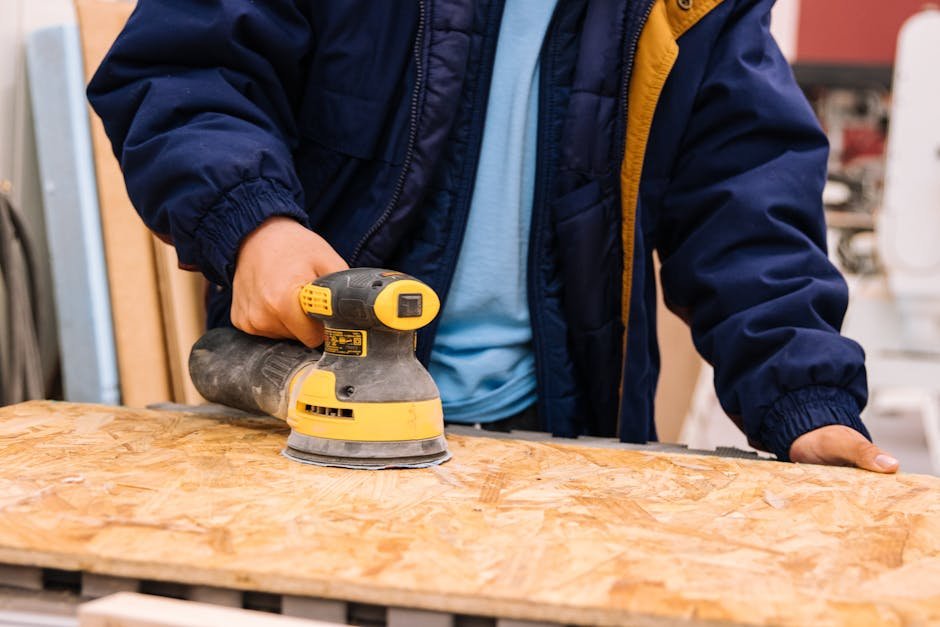
Are you looking to transform your old furniture into something stunning and new? A belt sander might just be your best friend in achieving that perfect finish.
Whether you’re a DIY enthusiast or tackling your first furniture project, mastering this tool can make a world of difference. Imagine running your hands over a silky smooth surface that you’ve refinished yourself. It’s not just about the final look; it’s about the pride and satisfaction that comes with knowing you did it.
In this guide, we’ll show you how to use a belt sander effectively, ensuring your furniture projects turn out beautifully every time. Stick around, and you’ll be ready to bring out the best in your furniture with confidence and ease.
Choosing The Right Belt Sander
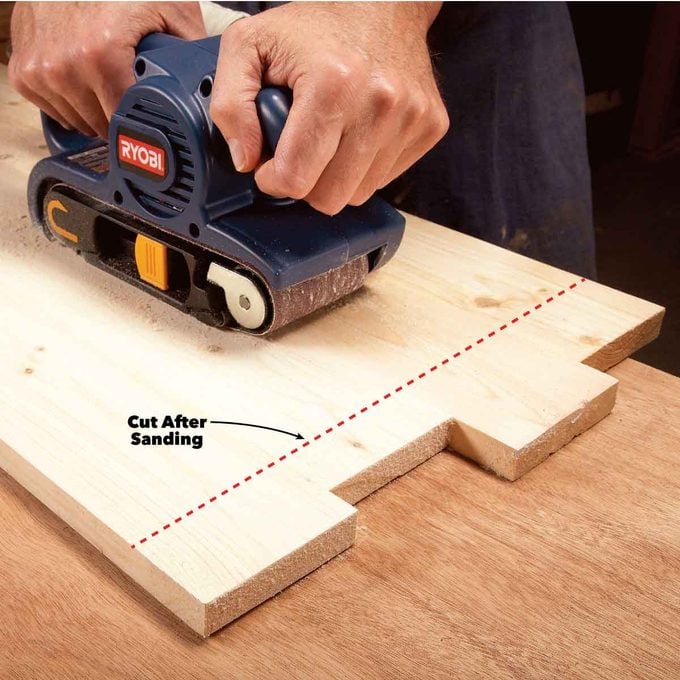
A belt sander is a useful tool for finishing furniture. It helps smooth wood quickly and evenly. Choosing the right one makes your work easier and better.
Think about the type, features, and sanding grit. These help you pick the best belt sander for your project.
Types Of Belt Sanders
There are several belt sanders for different needs. Knowing each type helps you find the right one.
- Handheld Belt Sanders:Portable and good for small to medium jobs.
- Stationary Belt Sanders:Fixed on a bench, best for big or precise sanding.
- Detail Belt Sanders:Small and narrow for tight spaces and edges.
Key Features To Consider
Look at size, power, and speed when choosing a belt sander. These affect how well it works on furniture.
- Belt Size:Larger belts cover more area but can be harder to control.
- Motor Power:Stronger motors handle tough wood and long use.
- Speed Settings:Variable speeds allow better control for different finishes.
- Dust Collection:Helps keep your workspace clean and safe.
- Weight and Grip:Lighter and comfortable handles reduce fatigue.
Selecting The Appropriate Grit
Sanding belts come in different grit sizes. The grit affects how smooth or rough the wood becomes.
Use coarse grit to remove old finishes or shape wood. Use fine grit for smooth finishing and polishing.
- Coarse Grit (40-60):Removes paint or rough wood quickly.
- Medium Grit (80-120):Good for general sanding and smoothing.
- Fine Grit (150-220):Best for final finishing and preparing for paint.
Credit: www.familyhandyman.com
Preparing Your Workspace
Getting your workspace ready is key for good furniture finishing. A clean and safe area helps you work better.
Organize everything before using the belt sander. This saves time and avoids accidents.
Safety Precautions
Wear safety gear like goggles and a dust mask. Keep your clothes tight to avoid getting caught.
- Check the sander for damage before use.
- Keep your fingers away from the sanding belt.
- Work in a well-lit area.
- Do not wear loose jewelry or long hair untied.
- Make sure the power cord is out of your way.
Setting Up A Dust Collection System
Dust from sanding can harm your lungs and make a mess. Use a dust collection system to keep clean air.
| Dust Collection Method | Benefits |
| Vacuum attached to sander | Collects most dust at source |
| Shop vacuum nearby | Helps capture dust from the air |
| Air purifier in room | Improves overall air quality |
Organizing Tools And Materials
Keep all your tools and materials close. This makes your work faster and safer.
- Place sandpaper and belts within reach.
- Keep clamps and screwdrivers nearby.
- Store finishing products like stains and varnishes safely.
- Clear any items not needed to avoid clutter.
Prepping The Furniture
Before using a belt sander on furniture, you need to prepare the piece well. Proper preparation makes sanding easier and gives better results.
Focus on cleaning and checking the furniture. This helps avoid damage and ensures smooth sanding.
Inspecting The Surface
Look closely at the furniture surface. Find any scratches, dents, or loose parts that could affect sanding.
Check for nails, screws, or staples sticking out. Remove or fix them before sanding to protect the sander and the furniture.
- Examine wood for cracks or holes
- Locate metal pieces and remove if possible
- Note areas with old paint or finish
Removing Old Finish
Remove old paint, varnish, or sealant from the furniture surface. This helps the belt sander work on bare wood.
Use a chemical stripper or a heat gun to soften the finish. Then scrape it off gently before sanding.
- Apply stripper evenly and wait as directed
- Use a plastic scraper to avoid damage
- Clean off residue with a damp cloth
Securing The Piece For Sanding
Make sure the furniture is stable before sanding. Secure it on a workbench or with clamps to stop movement.
A stable piece lets you sand evenly and safely. Avoid holding the furniture by hand while sanding.
- Place furniture on a flat surface
- Use clamps to hold it firmly in place
- Check that it does not wobble or slide
Sanding Techniques
Using a belt sander for furniture finishing needs care and skill. Good sanding techniques help you get smooth, even surfaces.
Learn how to control the sander and protect your wood. These tips will guide you through the process.
Maintaining Even Pressure
Keep steady pressure on the sander for a smooth finish. Pressing too hard can damage the wood or make uneven spots.
Let the sander do the work. Firm but light pressure helps the belt move evenly over the surface.
- Hold the sander flat against the wood
- Use both hands to control pressure
- Move the sander slowly and steadily
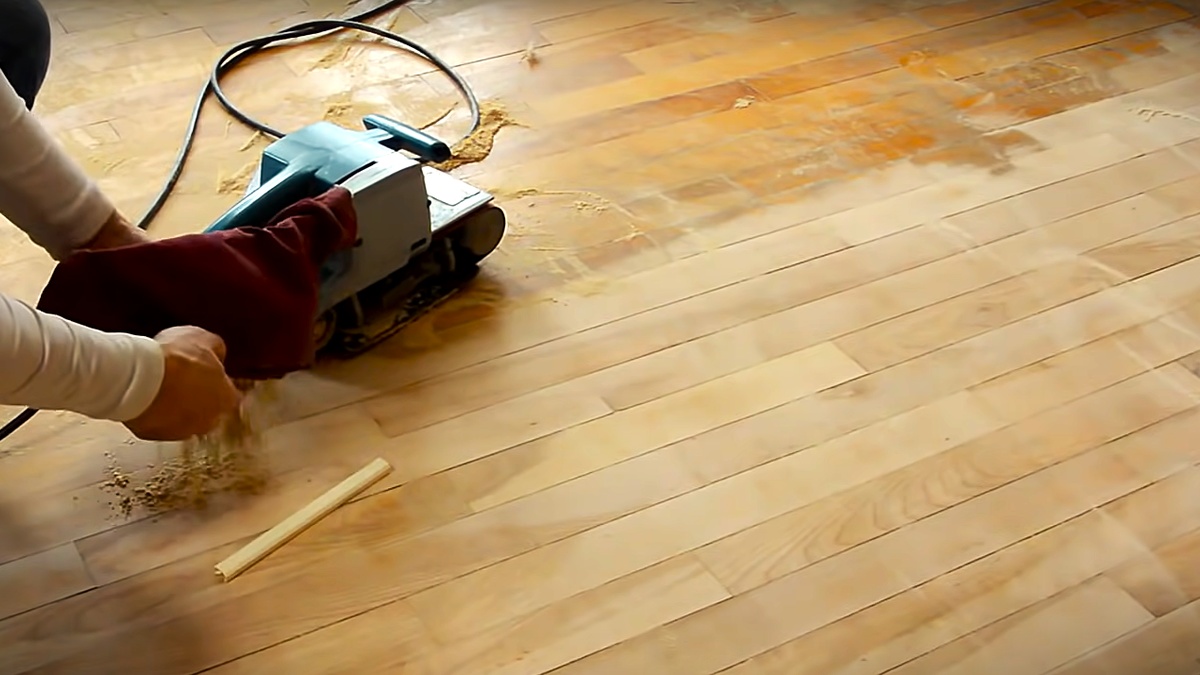
Sanding With The Grain
Always sand along the wood grain to avoid scratches. Sanding across the grain leaves marks that are hard to fix.
Follow the natural lines in the wood. This keeps the surface smooth and ready for finishing.
- Look closely to see the wood grain direction
- Move the sander in long strokes along the grain
- Check your work often for scratch marks
Avoiding Common Mistakes
Many beginners make simple errors that ruin the finish. Avoid these mistakes for better results.
- Don’t hold the sander in one spot too long
- Replace worn sanding belts to prevent scratches
- Keep the sander moving to avoid gouges
- Wear safety gear like goggles and masks
- Test on scrap wood before starting your project
Finishing Touches
Using a belt sander for furniture finishing requires careful attention. The final steps make your piece look smooth and polished.
These finishing touches improve the appearance and protect the wood for years.
Fine Sanding For Smoothness
After the rough sanding, use finer grit sandpaper to smooth the surface. This step removes scratches and prepares wood for finishing.
Move the sander lightly and evenly. Sand along the wood grain to avoid marks.
- Use 120-grit sandpaper for the first fine sanding
- Follow with 180- or 220-grit for a silky finish
- Keep the sander moving to prevent uneven spots
Cleaning The Surface
Remove all dust and debris before applying any finish. Dust can cause rough textures or blotchy stains.
Use a vacuum or soft brush to clear the sanding dust. Wipe the surface with a damp cloth for the best results.
- Vacuum the entire surface
- Brush corners and edges gently
- Wipe with a clean, damp cloth and let dry
Applying Stain Or Finish
Choose the right stain or finish for your wood type and style. Apply evenly to avoid streaks and blotches.
Use a clean brush or cloth. Apply thin coats and let each coat dry fully before adding the next.
- Test stain on scrap wood first
- Apply thin, even coats
- Allow full drying between coats
- Lightly sand between coats for smoothness
Maintenance And Care
Keeping your belt sander in good condition helps it work well for a long time. Regular care prevents damage and ensures smooth furniture finishing.
Follow simple steps to clean, replace parts, and store your tool safely. This guide shows how to maintain your belt sander easily.
Cleaning The Belt Sander
Clean your belt sander after every use to remove dust and debris. This keeps the motor and belt running smoothly.
- Unplug the tool before cleaning.
- Use a brush to clear dust from the belt and rollers.
- Wipe the exterior with a dry cloth.
- Check the vents and remove any blockages.
- Do not use water or solvents on the sander.
Replacing Sanding Belts
Change sanding belts when they wear out or tear. Using a fresh belt gives better results and protects your furniture.
| Signs to Replace Belt | How to Replace |
| Belt is torn or frayed | Release tension lever, remove old belt, fit new belt, tighten lever |
| Belt no longer sands evenly | Follow the same steps to replace with a fresh belt |
| Belt slips during sanding | Check belt alignment, then replace if slipping continues |
Storing The Tool Safely
Store your belt sander in a dry, clean place to avoid damage. Proper storage extends the tool’s life.
- Unplug the sander and clean it before storage.
- Remove the sanding belt if storing for a long time.
- Keep the tool in its case or on a shelf away from moisture.
- Avoid placing heavy items on top of the sander.
Troubleshooting Common Issues
Using a belt sander on furniture can be easy but problems may happen. Knowing how to fix these issues saves time and effort.
This guide covers three common problems and how to solve them for smooth furniture finishing.
Dealing With Uneven Sanding
Uneven sanding leaves rough spots or dips on the wood surface. This happens if you apply too much pressure or keep the sander in one place too long.
Move the sander evenly and keep it flat on the wood. Do not press down hard. Let the belt do the work.
- Keep the sander moving in steady, overlapping strokes
- Use light, even pressure across the whole surface
- Check the sandpaper belt for wear and replace if needed
- Make sure the wood surface is clean before sanding
Belt Tracking Problems
Belt tracking means the belt moves straight on the sander. Bad tracking causes the belt to slip off or wear unevenly.
Adjust the tracking knob to center the belt. Turn it slowly while running the sander until the belt stays aligned.
- Stop the sander before adjusting the belt
- Turn the tracking knob in small steps
- Check belt tension; too loose or tight causes issues
- Replace worn or stretched belts to maintain proper tracking
Preventing Overheating
Overheating can damage the wood and the sander. It happens if you sand too long in one area or use a worn belt.
Take breaks to let the sander cool. Use fresh belts and avoid pressing too hard to reduce heat build-up.
- Keep the sander moving constantly over the surface
- Use new or good-quality belts
- Do not push the sander down hard
- Turn off the sander and cool it if it feels hot

Credit: icocea.org
Credit: www.ecohome.net
Frequently Asked Questions
What Grit Sandpaper Is Best For Belt Sanding Furniture?
Start with 80-grit sandpaper to remove rough surfaces. Progress to 120-grit for smoothing. Finish with 180-grit for fine finishing before staining or painting.
How Do I Prevent Gouges When Using A Belt Sander?
Keep the sander moving steadily and avoid pressing too hard. Let the machine do the work to prevent deep scratches or gouges.
Can A Belt Sander Be Used On Delicate Wood Surfaces?
Yes, but use fine-grit sandpaper and low pressure. Test on scrap wood first to avoid damaging delicate furniture pieces.
How Do I Clean A Belt Sander After Use?
Remove the sanding belt and brush off dust. Use compressed air to clean hard-to-reach areas and keep the sander in good condition.
Conclusion
Using a belt sander can make furniture finishing faster and smoother. Start with the right grit sandpaper and keep the sander moving evenly. Always wear safety gear to protect your eyes and hands. Take your time to avoid removing too much wood.
Practice on scrap wood before working on your project. With patience and care, your furniture will look neat and polished. Remember, good sanding sets the base for a beautiful finish. Enjoy the process and see your furniture shine.