
Are you tired of dealing with stubborn paint that just won’t budge? Whether you’re renovating an old piece of furniture or sprucing up your home, removing paint can be a daunting task.
But what if I told you there’s a tool that can make this job a breeze? Enter the belt sander, your new best friend for tackling tough paint removal projects. In this guide, you’ll discover how to harness the power of a belt sander to effortlessly strip away layers of paint, saving you time and effort.
Imagine the satisfaction of revealing the original beauty beneath that old, chipped paint. Keep reading to unlock the secrets of using a belt sander effectively and transform your DIY projects with ease.

Credit: www.youtube.com
Choosing The Right Belt Sander
Using a belt sander to remove paint requires picking the right tool. The right sander makes the job easier and safer.
This guide explains how to choose a belt sander by looking at types, grit selection, and safety features.
Types Of Belt Sanders
Belt sanders come in different types. Each type fits certain tasks better.
- Handheld Belt Sanders:Small and easy to control. Good for small surfaces and edges.
- Stationary Belt Sanders:Larger and fixed in place. Best for shaping and smoothing big pieces.
- Detail Belt Sanders:Designed for tight spaces and corners. Ideal for fine work.
Selecting The Correct Grit
Choosing the right sanding belt grit is key for paint removal. Coarse grits remove paint fast but can damage wood.
| Grit Size | Use |
| 40-60 | Remove thick paint quickly |
| 80-100 | Remove paint and smooth wood |
| 120-150 | Final sanding and finishing |
Start with coarse grit and finish with finer grit for a smooth surface.
Safety Features To Look For
Safety features protect you during sanding. Look for these key items.
- Dust Collection:Helps keep the workspace clean and reduces breathing dust.
- Variable Speed Control:Lets you adjust speed for better control and less damage.
- Ergonomic Handles:Provide a good grip and reduce hand fatigue.
- Lock-On Switch:Keeps the sander running without holding the trigger.
Preparing The Work Area
Before using a belt sander to remove paint, set up your workspace carefully. A clean and safe area helps you work better and avoid accidents.
Take time to prepare the work area. This will protect your surroundings and keep you safe while sanding.
Clearing The Surface
Clear the surface you want to sand. Remove nails, screws, and any loose parts. These can damage the belt sander or cause injury.
Make sure the surface is dry and free of dust or dirt. This helps the sander work smoothly and removes paint evenly.
Protecting Surroundings
Cover nearby furniture and floors with drop cloths or plastic sheets. Paint dust can spread and cause damage or extra cleaning.
- Use heavy-duty plastic or canvas cloths
- Seal windows and doors to limit dust spread
- Remove small items from the area
Keep pets and children away from the work zone. This keeps everyone safe from dust and noise.
Wearing Safety Gear
Wear safety gear before starting. A belt sander can create dust and cause injury if you are not protected.
- Use safety goggles to protect your eyes
- Wear a dust mask or respirator to avoid breathing dust
- Put on ear protection to block loud noise
- Wear gloves to protect your hands
Dress in long sleeves and pants to protect your skin from dust and debris.
Setting Up The Belt Sander
Setting up a belt sander correctly makes paint removal easier and safer. Proper setup helps the tool work well and last longer.
Check the parts and controls before using the sander. This avoids problems during your project.
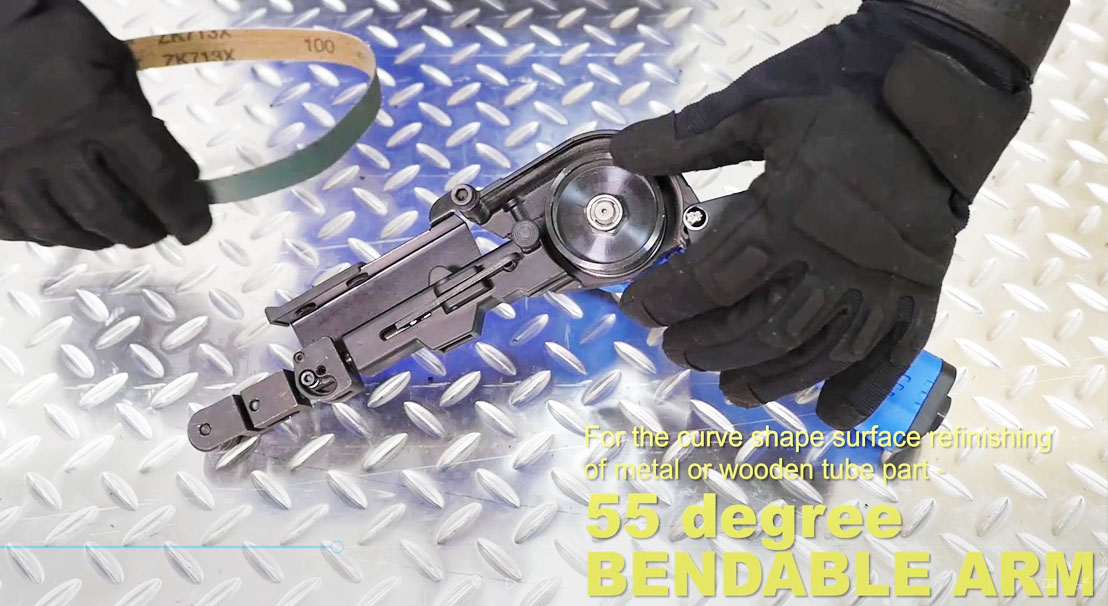
Installing The Sanding Belt
To install the sanding belt, first unplug the sander. This stops it from turning on accidentally.
Open the belt cover by releasing the latch or screws. Slide the belt onto the rollers, making sure the arrows on the belt match the sander’s direction.
Close the belt cover tightly. Check that the belt sits evenly on the rollers before use.
Adjusting The Belt Tension
Belt tension keeps the sanding belt tight and in place. Loose belts can slip and cause damage.
Use the tension knob or lever on your sander to adjust the belt. Turn or move it until the belt feels firm but not too tight.
- Check the belt by pressing it gently; it should not move easily.
- Too much tension can wear out the belt quickly.
- Too little tension causes slipping and uneven sanding.
Checking Power And Controls
Before turning on the sander, check the power source and controls. Make sure the cord is not damaged and plugged in securely.
Locate the on/off switch and speed control if your sander has one. Test the switch to ensure it works smoothly.
- Do not use the sander if the power cord is frayed or cracked.
- Keep the switch off when plugging in the sander.
- Adjust speed settings for the right sanding power.
Credit: www.sumake.com
Techniques For Removing Paint
Using a belt sander to remove paint can save time and effort. It is important to use the right techniques. This helps protect the wood underneath.
Follow simple steps to get smooth and clean results. Learn how to use the belt sander safely and effectively.
Starting With Coarse Grit
Begin sanding with a coarse grit belt. This grit removes paint faster and reaches deep layers. Use grit 40 or 60 for best results. Change to finer grit belts as the paint comes off.
- Attach coarse grit sanding belt to the sander.
- Test the sander on a small hidden area first.
- Keep the sander moving to avoid gouges.
- Do not press down too hard.
- Check the surface often to see paint removal progress.
Maintaining Even Pressure
Apply steady and even pressure on the sander. Uneven pressure can cause scratches or uneven surfaces. Let the sander do the work. Do not push it too hard or too lightly.
| Pressure Level | Effect on Surface |
|---|---|
| Too Light | Paint removal is slow and uneven |
| Even and Steady | Smooth and uniform paint removal |
| Too Hard | May damage wood or cause deep scratches |
Working In The Direction Of The Grain
Always sand in the direction of the wood grain. This prevents scratches and damage. Sanding against the grain may leave marks that are hard to fix.
- Identify the wood grain direction before sanding.
- Move the belt sander smoothly along the grain.
- Use lighter pressure near edges and corners.
- Check frequently to avoid sanding too deep.
Finishing Touches
Removing paint with a belt sander is not complete without smooth finishing touches. These final steps help prepare the surface for painting or sealing.
Focus on refining the surface by using finer grit sandpaper, smoothing the wood, and cleaning off any leftover residue.
Switching To Finer Grit
After removing most paint with coarse grit, change to a finer grit belt. This reduces scratches and evens out the surface.
- Turn off the sander and unplug it before changing the belt.
- Choose a finer grit, such as 120 or 150.
- Install the new belt securely and check tension.
- Sand lightly to avoid removing too much material.
Smoothing The Surface
Smooth the surface by sanding in the direction of the wood grain. Use even pressure and keep the sander moving.
| Tip | Reason |
| Sand along the grain | Prevents scratches and rough marks |
| Keep sander moving | Avoids uneven sanding |
| Use light pressure | Protects the wood from gouges |
Cleaning Up Residue
After sanding, clean the surface to remove dust and paint particles. This helps prepare for the next finish or paint layer.
- Use a vacuum to remove loose dust from the surface.
- Wipe with a damp cloth to pick up fine particles.
- Allow the surface to dry completely before painting or sealing.

Credit: www.reddit.com
Troubleshooting Common Issues
Using a belt sander to remove paint can be tricky. Some common problems may slow your work or damage the surface.
This guide helps you fix these issues. Focus on avoiding gouges, stopping belt slippage, and managing dust.
Avoiding Gouges And Scratches
Gouges and scratches happen if you press too hard or keep the sander in one spot. Keep the sander moving evenly.
- Use light, steady pressure on the sander.
- Keep the sander moving in long, smooth strokes.
- Check the sanding belt for wear and replace if needed.
- Start with coarse grit, then switch to finer grit belts.
- Practice on scrap wood before sanding the main surface.
Dealing With Belt Slippage
Belt slippage causes uneven sanding and wastes time. It often happens from wrong tension or worn parts.
| Cause | Fix |
| Loose belt tension | Tighten the tension knob or lever |
| Worn drive or idler drum | Replace drums if surfaces are smooth or damaged |
| Dirty belt or drums | Clean with a dry cloth to remove dust and debris |
| Incorrect belt size | Use the correct belt size for your sander model |
Managing Dust And Debris
Dust builds up quickly when removing paint. It can block your view and harm your lungs.
- Always wear a dust mask or respirator.
- Use a sander with a dust collection bag or vacuum attachment.
- Work in a well-ventilated area.
- Stop often to empty the dust bag or clean the vacuum.
- Wipe the surface with a damp cloth after sanding.
Maintaining Your Belt Sander
Keeping your belt sander in good shape helps it work well and last longer. Regular care prevents problems and makes paint removal easier.
Follow these tips to clean, replace parts, and store your tool properly.
Regular Cleaning
After each use, unplug the sander and wipe off dust and debris. Clean the belt surface carefully to avoid damage. Use compressed air to blow out dust from vents and moving parts.
- Unplug before cleaning
- Use a soft brush for dust
- Blow out vents with compressed air
- Check for stuck paint chips
Replacing Worn Belts
Change sanding belts when they look worn or stop sanding well. A worn belt can damage the surface or strain the motor. Always match the belt size and grit to your project.
| Signs of Worn Belt | Action Needed |
| Frayed edges | Replace belt immediately |
| Uneven sanding | Check and replace belt |
| Slipping belt | Adjust or replace belt |
Storage Tips
Store your belt sander in a dry place away from dust and moisture. Keep it in its case or wrap it in a cloth to protect from scratches. Make sure the belt is loose or removed to avoid damage during storage.
- Keep in a dry environment
- Use original case or cover
- Loosen or remove sanding belt
- Store away from heavy tools
Frequently Asked Questions
What Grit Sandpaper Is Best For Paint Removal?
Use coarse grit sandpaper, around 40 to 60 grit. It efficiently removes paint without damaging wood. Start coarse, then switch to finer grit for smoothness.
How To Avoid Damaging Wood With A Belt Sander?
Keep the sander moving constantly. Do not press too hard. Use appropriate grit sandpaper and practice on scrap wood first.
Can A Belt Sander Remove Multiple Paint Layers?
Yes, a belt sander can remove several paint layers quickly. Use coarse grit and adjust pressure carefully to avoid wood damage.
Is It Safe To Use A Belt Sander Indoors?
Yes, but ensure proper ventilation. Wear a dust mask and goggles. Use a dust collection system or vacuum attachment for safety.
Conclusion
Using a belt sander can make paint removal faster and easier. Always wear safety gear and work with steady hands. Choose the right sandpaper grit to avoid damaging the surface. Take breaks to check your progress and avoid sanding too deep.
With patience and care, your project will look smooth and clean. Practice a little before starting on important pieces. This tool helps save time and effort when used correctly. Keep your workspace tidy for better results and safety. Ready to try it yourself?