
Are you tired of constantly searching for your tools whenever you start a project? Imagine having all your essentials neatly organized and within reach.
Creating a mobile tool station can transform the way you work, making every task quicker and more efficient. Whether you’re a DIY enthusiast or a professional craftsman, a portable tool station can save you time, reduce stress, and boost productivity.
By the end of this article, you’ll have actionable tips to set up your own mobile tool station, tailored perfectly to your needs. Ready to streamline your workspace and enhance your workflow? Let’s dive in and get started!

Credit: www.youtube.com
Choosing The Right Tool Station
Picking the right mobile tool station helps you keep tools organized and easy to reach. A well-chosen station fits your work style and tool needs.
Consider your tools, the materials of the station, and how easy it is to move before buying or building one.
Assessing Your Tool Collection
Start by listing all the tools you own. Note their sizes and how often you use each one. This helps decide the space and compartments you need.
- Sort tools by type: hand tools, power tools, accessories
- Mark frequently used tools for easy access
- Count large tools to estimate storage size
- Consider future tools you may add
Selecting Suitable Materials
Choose materials that are strong but not too heavy. Metal, plastic, and wood each have pros and cons for tool stations.
| Material | Durability | Weight | Cost |
| Steel | High | Heavy | Moderate |
| Plastic | Medium | Light | Low |
| Wood | Medium | Moderate | Moderate |
Considering Portability And Size
Think about where you will use the tool station. If you move often, portability matters. Size should fit your workspace and tool amount.
- Look for wheels or handles for easy moving
- Check station height for comfortable use
- Ensure it fits through doorways and tight spaces
- Balance storage space with weight limits
Organizing Tools Efficiently
Keeping your tools organized helps you find what you need fast. A well-planned tool station saves time and space.
Good organization means less clutter and fewer lost tools. You can work better with easy access to all your items.
Categorizing Tools By Function
Group your tools based on what they do. This makes it simple to grab the right tool for the job.
Separate tools for cutting, measuring, fixing, and other tasks. Keep similar tools together to avoid confusion.
- Cutting tools: knives, scissors, saws
- Measuring tools: tape measures, rulers, levels
- Fixing tools: screwdrivers, hammers, wrenches
- Specialty tools: pliers, clamps, files
Using Dividers And Compartments
Use dividers inside your tool station to keep items in place. Compartments stop tools from mixing up.
Small compartments are great for screws, nails, and bits. Larger sections hold bigger tools safely and neatly.
- Adjustable dividers fit different tool sizes
- Clear compartments let you see contents quickly
- Removable trays help you carry tools easily
Labeling For Quick Access
Label each section or drawer clearly. Labels help you find tools without opening every compartment.
Use simple words or symbols that match the tool category. Keep labels clean and easy to read for fast use.
- Write tool names or functions on labels
- Use color codes for different tool types
- Update labels if you change tool placement
Enhancing Mobility
Creating a mobile tool station helps you carry tools easily. It makes your work faster and more organized.
This guide shares tips on how to improve the mobility of your tool station. Focus on wheels, handles, and balance.
Choosing Durable Wheels
Durable wheels make moving your tool station smooth. Pick wheels that can handle rough floors and heavy loads.
- Look for wheels made of rubber or polyurethane.
- Choose wheels with a strong frame and bearings.
- Pick wheels that lock to keep the station in place.
- Consider the wheel size for easy movement over obstacles.
Incorporating Handles And Straps
Handles and straps help you push or pull the tool station with less effort. They also keep tools secure during transport.
| Type | Purpose | Material |
| Fixed Handle | Easy pulling or pushing | Metal or plastic |
| Foldable Handle | Saves space when not in use | Metal with plastic grip |
| Straps | Secure tools inside | Strong fabric or rubber |
Balancing Weight Distribution
Balance the weight inside your tool station. This makes it easier to move and stops it from tipping over.
- Place heavy tools at the bottom.
- Keep lighter items on top or in side pockets.
- Distribute weight evenly on all sides.
- Check balance before moving the station.
Maximizing Storage Space
Creating a mobile tool station needs smart use of space. You want to keep all tools handy without clutter.
Focus on ways to save room while keeping tools organized and easy to reach.
Utilizing Vertical Space
Use the height of your tool station to add more storage. Shelves and hooks can hold many items without taking floor space.
- Install pegboards on the sides to hang tools
- Add tall shelves for small boxes and supplies
- Use magnetic strips to hold metal tools upright
- Stack bins or containers vertically to save room
Incorporating Foldable Trays
Foldable trays offer extra surface space only when needed. They fold back to keep the tool station compact.
| Tray Type | Benefit |
| Drop-down tray | Easy to open and close |
| Sliding tray | Pulls out smoothly for work |
| Flip-up tray | Folds up to save space |
Adding Removable Bins
Removable bins help sort tools and parts. They make cleaning and moving items easier.
- Choose bins that fit snugly in shelves
- Label each bin for quick identification
- Use different sizes for various tool types
- Empty bins can be stacked or stored flat
Maintaining Your Tool Station
Keeping your mobile tool station in good shape helps you work better and faster. Regular care stops problems before they start.
Simple maintenance tasks can extend the life of your tools and make your station safer to use.
Regular Cleaning Tips
Clean your tool station often to remove dirt and dust. This keeps tools ready and prevents rust or damage.
- Wipe surfaces with a damp cloth after use
- Use a brush to clean out small crevices
- Keep metal parts dry to avoid rust
- Empty drawers and trays regularly
- Use mild cleaners to avoid harming tool finishes
Inspecting For Wear And Tear
Check your tools and station parts for damage or wear. Early fixes stop small issues from getting worse.
| Component | What to Check | Signs of Wear |
| Handles | Cracks or looseness | Splits, wobbling |
| Tool Blades | Sharpness and chips | Dull edges, nicks |
| Wheels | Movement and damage | Stiff rotation, cracks |
| Drawers | Smooth opening and closing | Sticking, broken slides |
Updating Tools And Accessories
Keep your tool station useful by adding or replacing tools as needed. This keeps your work efficient and safe.
- Remove old or broken tools
- Add tools that fit your current projects
- Replace worn-out accessories like drill bits or blades
- Label new tools for easy finding
- Store tools neatly to avoid damage
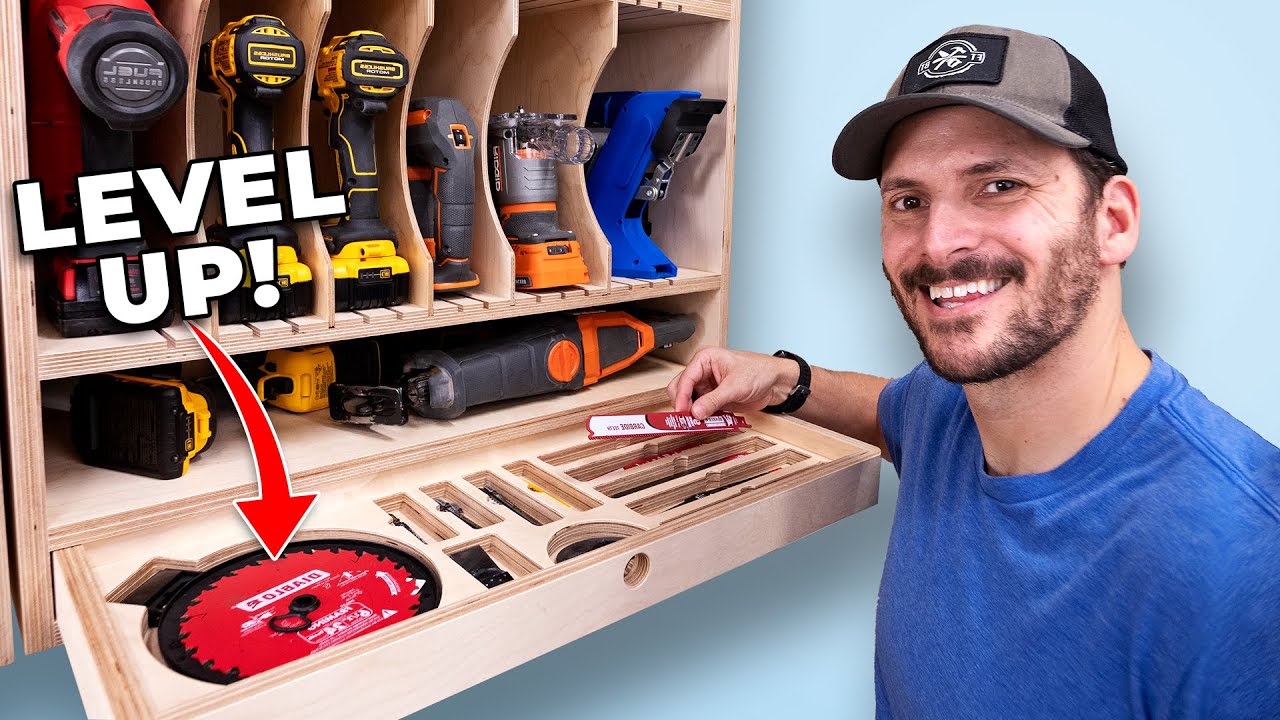
Credit: www.youtube.com
Customizing For Specific Needs
Creating a mobile tool station that fits your work style saves time and effort. You can tailor it to hold exactly what you need and keep tools ready to use.
Focus on how to adjust the station for your trade, add useful accessories, and include storage for power tools. These tips help make your tool station practical and efficient.
Adapting For Different Trades
Different trades require different tools and layouts. A mobile tool station should match your job to keep everything organized and easy to reach.
- Carpenters need slots for saws and clamps.
- Electricians benefit from compartments for wires and testers.
- Plumbers want space for pipe wrenches and fittings.
- Mechanics require drawers for sockets and ratchets.
Personalizing With Accessories
Add accessories to make your tool station more useful. Small extras can improve how you work and keep tools safe.
| Accessory | Purpose | Benefit |
| Magnetic strips | Hold metal tools | Easy access and visibility |
| Drawer liners | Protect tools | Reduces noise and damage |
| Hooks and clips | Hang cords or gloves | Keeps workspace tidy |
| Label holders | Mark compartments | Quick tool identification |
Integrating Power Tool Storage
Keep power tools secure and ready by adding special storage. This helps protect your tools and saves space.
- Use padded compartments to prevent damage.
- Include charging stations to keep batteries full.
- Add cable management to avoid tangles.
- Choose shelves sized for your power tools.

Credit: www.youtube.com
Frequently Asked Questions
What Materials Are Best For A Mobile Tool Station?
Durable materials like plywood, metal, or heavy-duty plastic work best. They ensure strength, longevity, and easy maintenance for daily use.
How To Organize Tools Efficiently In A Mobile Station?
Group tools by type and size. Use compartments, drawers, and hooks for quick access and neat storage.
What Features Improve Mobility In A Tool Station?
Smooth-rolling casters, ergonomic handles, and compact design enhance mobility. These features make moving the station effortless and safe.
How To Maximize Storage Space In A Mobile Tool Station?
Use vertical storage, stackable bins, and adjustable shelves. This approach optimizes space without compromising tool accessibility.
Conclusion
Creating a mobile tool station takes planning and care. Choose the right materials and tools for your needs. Keep your station organized for easy access. Make sure it is sturdy and easy to move. Regularly check and update your tools.
A good mobile tool station saves time and effort. It helps you work better anywhere. Start simple and improve your station over time. Your tools will always be ready when you need them.