
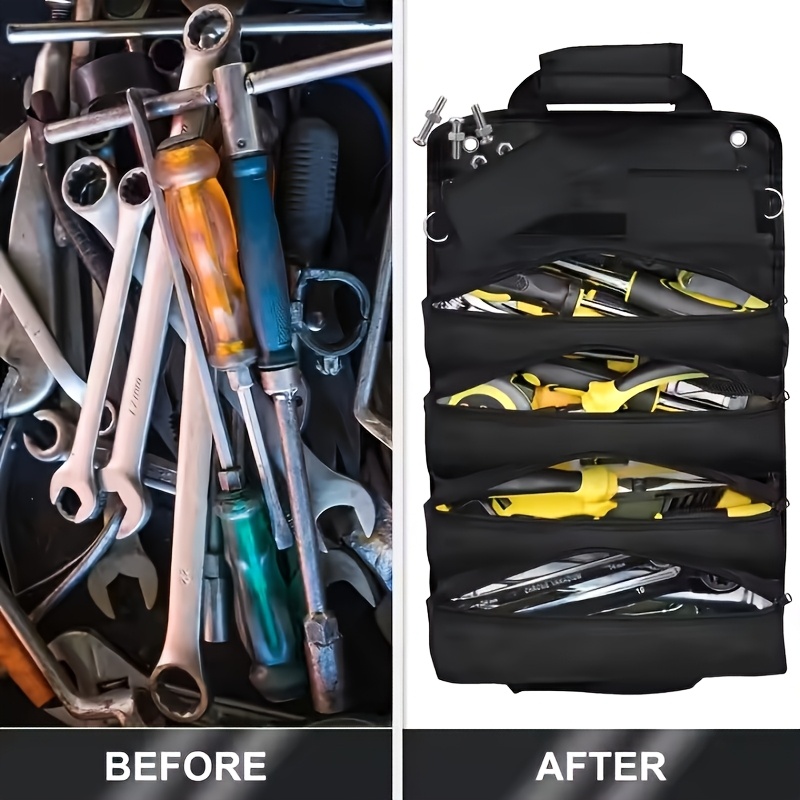
Are you tired of digging through cluttered drawers or heavy boxes every time you need a tool? Imagine having everything organized, easy to carry, and ready whenever you are.
Tool bags for portable storage can change the way you work, making your tasks faster and less stressful. You’ll discover simple tips to use tool bags effectively, so you can keep your tools safe, accessible, and perfectly organized. Ready to take control of your tools and boost your productivity?
Let’s dive in!

Credit: www.amazon.ca
Choosing The Right Tool Bag
Tool bags keep your tools organized and easy to carry. Picking the right one helps you work better. You need to think about material, size, and how easy it is to carry.
This guide helps you choose a tool bag that fits your needs. It covers durability, storage space, and portability features.
Materials And Durability
Strong materials make tool bags last longer. Look for bags made from heavy-duty fabric or leather. Water resistance helps protect tools from damage. Reinforced stitching adds extra strength. Check if the bag has a solid base to hold heavy tools safely.
Size And Compartments
Choose a size that fits your tools without being too big or heavy. Bags with many compartments help keep tools sorted. Pockets for small items stop them from getting lost. Adjustable dividers let you change the space inside. This helps carry different tool sets easily.
- Main large compartment for big tools
- Multiple small pockets for screws and nails
- Special slots for screwdrivers and pliers
- Mesh pockets for easy visibility
- Zippered sections to secure valuable items
Portability Features
Portability makes carrying tools simple and comfortable. Look for padded handles that reduce hand strain. Shoulder straps help carry heavy loads over long distances. Some bags have wheels for easy movement. Lightweight materials make the bag easier to lift.
| Feature | Benefit |
| Padded Handles | Comfortable grip |
| Shoulder Straps | Hands-free carrying |
| Wheels | Easy transport over floors |
| Lightweight Material | Less weight to carry |
Organizing Tools Efficiently
Tool bags help keep your tools safe and easy to find. Organizing tools inside them saves time and effort. A good system lets you work faster and avoid losing items.
This guide covers ways to sort tools by purpose, use pouches and dividers, and label for quick finding. These tips make your tool bag a smart storage solution.
Categorizing By Function
Group your tools based on how you use them. This keeps similar tools together and easy to access. For example, keep all measuring tools in one section and cutting tools in another.
- Hand tools like screwdrivers and pliers
- Power tool accessories such as drill bits
- Fasteners like nails and screws
- Measuring tools including tape measures and levels
Using Pouches And Dividers
Pouches and dividers create separate spaces inside the bag. Use small pouches for tiny parts and dividers for larger tools. This prevents tools from mixing and getting damaged.
| Tool Type | Suggested Storage |
| Screws and Nails | Small zippered pouch |
| Wrenches and Pliers | Divider section |
| Measuring Tape | Side pocket |
| Drill Bits | Rigid case inside bag |
Labeling For Quick Access
Labels help you find tools fast. Attach tags or use a label maker to mark pouches and compartments. Clear labels reduce search time and keep your bag organized.
- Use waterproof labels for durability
- Label by tool name or function
- Place labels on pouch fronts or zipper pulls
- Update labels when contents change
Maximizing Space Inside The Bag
Tool bags help carry your tools easily. Using space well inside the bag keeps tools safe and organized.
Smart packing helps fit more tools and finds them fast when needed.
Stacking Techniques
Stack tools by size and shape to save space. Put flat tools at the bottom and bigger ones on top.
Keep heavy tools at the bottom to balance the bag and avoid damage.
- Place screwdrivers and wrenches flat at the base
- Stack small boxes or cases on top
- Put light, soft tools last
Utilizing Vertical Space
Use the height of your tool bag by standing tools upright. This saves floor space in the bag.
Long tools like pliers and hammers fit best when placed vertically in side pockets or main space.
- Use side pockets for tall or slim tools
- Stand tools like screwdrivers upright inside the bag
- Fill gaps with small items like tape or nails vertically
Compact Tool Arrangements
Group similar tools together to avoid wasted space. Small tools should go in pouches or cases.
Use elastic straps or compartments to keep tools tight and prevent movement.
- Store screws and nails in small containers
- Use tool rolls for wrenches or pliers
- Put drill bits in a compact case
Maintaining Your Tool Bag
Keeping your tool bag in good shape helps you carry tools safely. It also makes your tools last longer.
Regular care and checks keep your bag ready for any job. Follow simple steps to maintain it well.
Cleaning Tips
Clean your tool bag often to remove dirt and dust. Use a soft brush or cloth to wipe the outside.
If your bag is very dirty, wash it with mild soap and water. Let it dry completely before using it again.
- Empty the bag before cleaning
- Use a soft brush for tough spots
- Avoid harsh chemicals or bleach
- Air dry the bag in a shaded area
Preventing Wear And Tear
Protect your tool bag from damage by handling it carefully. Avoid overloading it with too many tools.
Store the bag in a dry place. Keep it away from sharp edges and direct sunlight to avoid fading and tears.
- Do not drag the bag on rough surfaces
- Check zippers and handles regularly
- Repair small tears before they grow
- Use compartments to organize tools
Regular Inventory Checks
Check your tool bag often to see what tools are inside. Make sure nothing is missing or broken.
Organize your tools so you can find them quickly. Replace worn-out tools to keep your work efficient.
- Count tools before and after use
- Note any missing or damaged items
- Clean tools before storing them
- Arrange tools by size and type
Specialized Bags For Different Trades
Tool bags help keep tools organized and easy to carry. Different trades need different types of bags.
Choosing the right bag makes work faster and safer. Each trade has unique tool needs.
Electrician Tool Bags
Electrician tool bags have many small pockets. These pockets hold wires, testers, and pliers.
They often have insulated compartments to protect sensitive tools. The bags are usually lightweight and portable.
- Multiple small pockets for organization
- Insulated sections for safety
- Lightweight and easy to carry
- Durable material to handle sharp tools
Mechanic Tool Bags
Mechanic tool bags are strong and spacious. They hold heavy tools like wrenches and sockets.
These bags have reinforced bottoms to support weight. Many have compartments to separate different tools.
- Reinforced bottom for heavy tools
- Large compartments for bulky items
- Durable zippers and handles
- Easy to clean material
Carpenter Tool Bags
Carpenter bags have many open pockets for quick access. They hold hammers, nails, measuring tapes, and saws.
The bags are made with tough fabric to resist wear. They often include loops for hanging tools.
- Open pockets for fast tool access
- Loops for hanging hammers and saws
- Tough fabric to resist damage
- Compact design for easy carrying

Credit: www.safetyandhealthmagazine.com
Portable Storage Beyond Tools
Tool bags are useful for more than just carrying tools. Their design makes them great for storing many items. You can keep your gear organized and easy to carry.
Using tool bags for different needs helps keep your belongings safe and portable. They come in many sizes and styles to fit your lifestyle.
Storing Accessories And Supplies
Tool bags are perfect for organizing small accessories and supplies. You can sort items by type or use to find them quickly.
- Keep craft supplies like scissors, glue, and threads
- Store electronic parts such as cables and chargers
- Organize makeup tools and beauty products
- Hold sewing kits and small fabrics
- Carry first aid items for quick access
Using Bags For Outdoor Activities
Tool bags work well for outdoor adventures. Their sturdy build protects your items and keeps them dry.
| Activity | Items to Carry | Bag Features |
| Camping | Flashlights, matches, utensils | Water-resistant, multiple pockets |
| Fishing | Hooks, lines, bait containers | Compact size, easy to clean |
| Hiking | Snacks, maps, sunscreen | Lightweight, padded strap |
| Picnic | Plates, cutlery, napkins | Spacious, insulated compartments |
Multi-purpose Storage Ideas
Tool bags can serve many storage needs beyond tools and outdoor gear. Use them in creative ways to keep your space tidy.
Creative Uses for Tool Bags
- Travel bag for toiletries and personal items
- Storage for kids’ toys and art supplies
- Holder for gardening tools and seeds
- Organizer for car emergency kits
- Bag for sports accessories like balls and gloves
Credit: www.temu.com
Frequently Asked Questions
What Are The Best Tool Bags For Portable Storage?
The best tool bags are durable, lightweight, and have multiple compartments. Look for water-resistant materials and reinforced handles. These features ensure easy transport and long-lasting use, making your tools accessible and organized on the go.
How Do I Organize Tools Inside A Tool Bag?
Organize by size and frequency of use. Place smaller tools in side pockets and larger ones in the main compartment. Use dividers or pouches to keep items separate and easy to find during work or travel.
Can Tool Bags Protect Tools From Damage?
Yes, tool bags with padded compartments and sturdy construction protect tools. They absorb shocks and prevent scratches, ensuring your tools stay safe. Choose bags with reinforced bottoms for extra protection during transport.
How Do I Clean And Maintain My Tool Bag?
Clean with mild soap and water using a soft brush. Avoid harsh chemicals to preserve the material. Regularly empty and air out the bag to prevent moisture and odors, extending its lifespan and keeping tools dry.
Conclusion
Tool bags offer practical storage for on-the-go needs. They keep tools organized and easily accessible. With a variety of sizes, they suit different tasks and professions. Choose the right bag to fit your specific tools. This ensures efficiency and convenience.
Remember to check the material and durability. Quality matters for long-lasting use. Regular maintenance keeps your bag in good shape. Clean it and check zippers and straps. Invest in a tool bag for improved productivity. A small step with big benefits.
Start organizing your tools today. Enjoy a clutter-free workspace and easy access.
