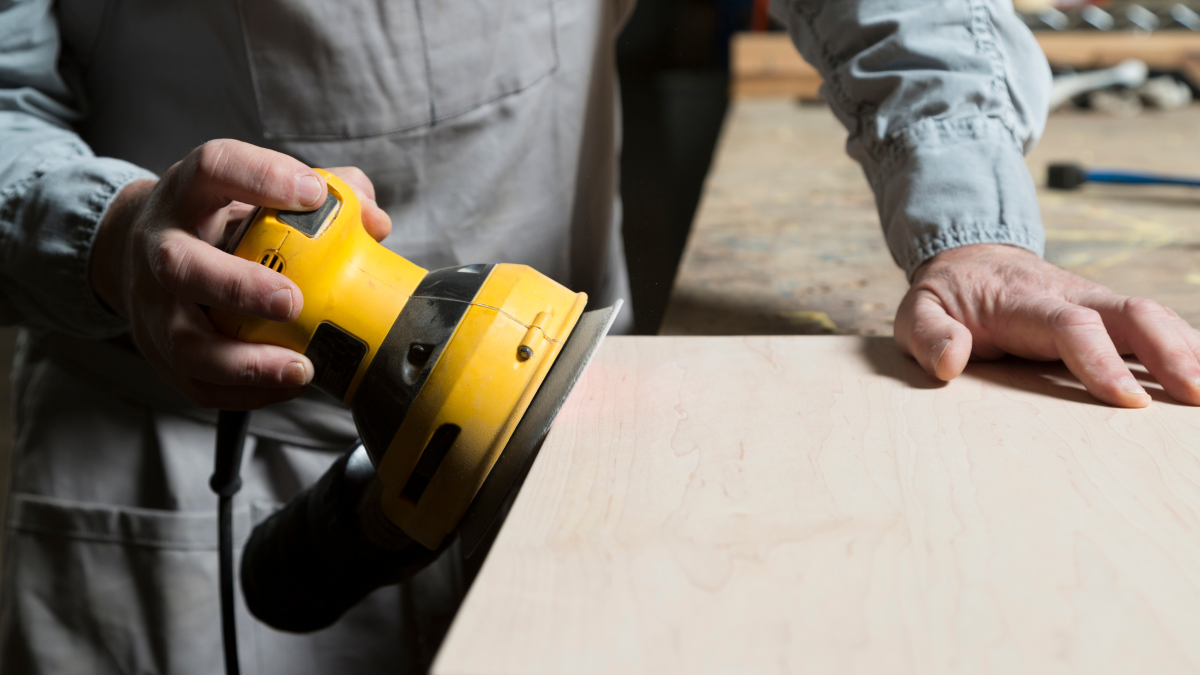
Ever noticed how your sanding machine doesn’t perform as smoothly as it once did? Or perhaps you’ve been dealing with those irritating squeaks and rattles that seem to be getting louder?
You might be surprised to learn that a little lubrication can be the key to solving these issues. In this guide, you’ll discover the essential steps to keep your sanding machine running like new. Imagine saving time on your projects and extending the life of your equipment with just a few simple maintenance tips.
By the end of this article, you’ll have the confidence and knowledge to lubricate your sanding machine efficiently, ensuring it operates smoothly and quietly. Get ready to transform your sanding experience and achieve the best results every time.
Importance Of Lubrication
Lubrication is essential for sanding machines. It helps keep the machine parts moving smoothly.
Without proper lubrication, machines can break down faster and work less efficiently.
Reducing Wear And Tear
Lubrication reduces friction between moving parts. This stops parts from wearing out quickly.
Less wear means the machine lasts longer and needs fewer repairs.
Enhancing Machine Efficiency
Well-lubricated machines run smoothly. This helps the sanding process work faster and better.
Good lubrication saves energy and reduces machine noise during work.
Preventing Overheating
Lubrication helps cool the machine parts by reducing friction heat. This stops overheating.
Preventing heat damage keeps the machine safe and maintains its performance.
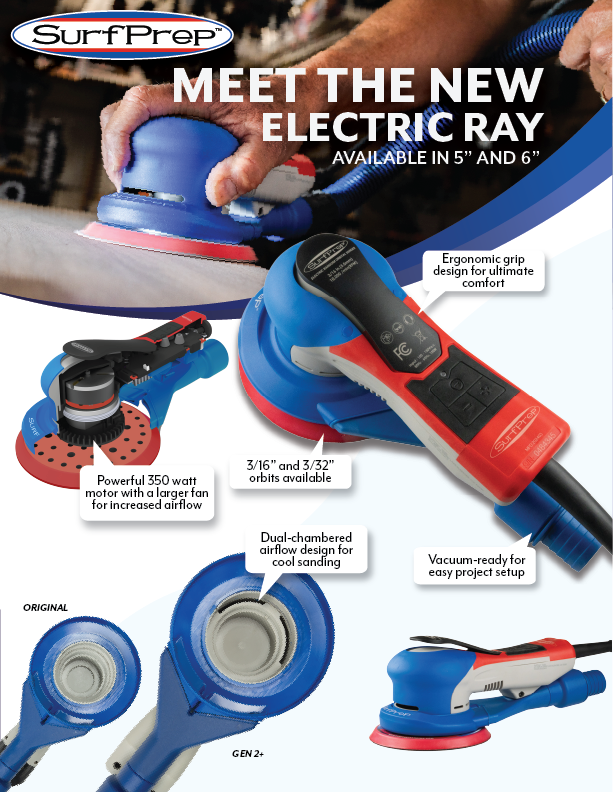
Credit: surfprepsanding.com
Types Of Lubricants
Lubricating sanding machines helps them work smoothly and last longer. Choosing the right type of lubricant is important for good performance.
This guide explains three common types of lubricants used for sanding machines. Each type has its own benefits and uses.
Oil-based Lubricants
Oil-based lubricants are liquid oils that reduce friction between parts. They flow easily and reach tight spaces inside the machine.
These oils help prevent rust and keep the machine running quietly. They need to be applied regularly to stay effective.
Grease Lubricants
Grease lubricants are thicker than oils. They stick well to machine parts and last longer under pressure.
- Provide strong protection against wear
- Stay in place during heavy use
- Resist water and dirt better than oils
Synthetic Options
Synthetic lubricants are man-made oils designed for tough conditions. They work well in extreme temperatures and heavy loads.
| Type | Best Use | Key Benefit |
| Polyalphaolefin (PAO) | High heat | Long-lasting stability |
| Esters | Cold weather | Good flow at low temperatures |
| Silicone | Water resistance | Protects from moisture |
Identifying Lubrication Points
Lubricating your sanding machine keeps it running smoothly. Knowing where to apply oil or grease helps avoid damage.
Focus on parts that move or spin. These areas need lubrication to reduce friction and wear.
Bearings And Gears
Bearings and gears are key parts inside sanding machines. They allow the machine to move parts easily.
Lubricate these parts regularly to stop rust and wear. Use the right type of lubricant for best results.
- Check bearings for signs of dryness or noise
- Apply grease to gears to keep teeth moving smoothly
- Use manufacturer-recommended lubricants
Moving Joints
Moving joints connect parts that bend or turn during sanding. These joints need regular lubrication.
Oiling moving joints reduces friction and stops squeaking. It also helps prevent parts from sticking.
- Look for pivot points and hinges
- Apply light machine oil or grease as needed
- Wipe away old lubricant before adding new
Motor Components
The motor powers the sanding machine. Its parts need lubrication to run quietly and last longer.
Focus on motor bearings and shafts. Use oil designed for electric motors to avoid damage.
- Locate motor bearings and shaft ends
- Apply small amounts of oil carefully
- Do not over-lubricate to avoid dirt buildup

Credit: theownerbuildernetwork.co
Step-by-step Lubrication Process
Lubricating sanding machines helps them work smoothly and last longer. This guide shows how to do it properly.
Follow these steps carefully to keep your sanding machine in good shape and avoid damage.
Preparing The Machine
First, turn off and unplug the sanding machine. This is important for safety before starting any work.
Remove any dust or debris on the machine’s surface and around moving parts. This prevents dirt from mixing with the lubricant.
- Unplug the machine from the power source
- Use a brush or cloth to clear dust
- Check the machine manual for specific cleaning tips
Applying The Lubricant
Choose the correct lubricant recommended by the machine manufacturer. Using the wrong type can harm the machine.
Apply lubricant to all moving parts such as bearings, gears, and shafts. Use a small amount to avoid buildup.
- Check your manual for lubricant type
- Use a brush, oil can, or grease gun to apply
- Focus on bearings, gears, and shafts
- Avoid over-lubricating to keep parts clean
Cleaning Excess Lubricant
After applying lubricant, wipe away any excess with a clean cloth. Extra lubricant can attract dust and dirt.
Check the machine again for any leftover lubricant in unwanted areas. Clean these spots to keep the machine running well.
- Use a soft cloth to remove excess lubricant
- Inspect hard-to-see areas carefully
- Keep lubricant only on moving parts
Maintenance Frequency
Regular lubrication keeps sanding machines running smoothly. It prevents wear and extends machine life.
Knowing when to lubricate is key for good maintenance. This guide covers daily, weekly, and long-term tasks.
Daily Checks
Check the sanding machine every day before use. Look for signs of dust buildup and dry parts.
- Inspect moving parts for dust and debris
- Verify lubrication points are not dry
- Listen for unusual noises during operation
- Make sure belts and rollers move freely
Weekly Lubrication
Apply lubricant to key parts once each week. Use the correct type of lubricant for your machine.
| Part | Lubrication Type | Notes |
| Bearings | Grease | Use a high-quality grease |
| Rollers | Oil | Light machine oil recommended |
| Chains | Chain lubricant | Apply evenly along the chain |
Long-term Scheduling
Plan deeper maintenance every few months. This keeps the sanding machine in top condition.
- Drain old lubricant and clean parts
- Inspect for worn or damaged components
- Replace seals and gaskets if needed
- Test machine after reassembly
Common Lubrication Mistakes
Lubricating sanding machines is important for smooth operation. Many users make simple mistakes that cause damage. Avoid these mistakes to keep your machine working well.
This guide covers common lubrication errors. Learn what to avoid and how to properly care for your sanding equipment.
Over-lubricating
Adding too much lubricant can cause problems. Excess oil or grease attracts dust and dirt. This leads to clogging and wear on parts.
- Lubricant spills may damage belts and sanding surfaces.
- Too much lubrication can cause overheating.
- It may lead to slippery machine parts, causing safety risks.
Using Incorrect Lubricants
Not all lubricants suit sanding machines. Using wrong types harms the machine and reduces performance.
| Lubricant Type | Use Case | Effect on Machine |
| Machine Oil | Bearings and gears | Good protection and smooth motion |
| Grease | Heavy load parts | Long-lasting lubrication |
| WD-40 or Multi-use Sprays | Not recommended | Can attract dust and cause damage |
| Cooking Oil | Never use | Damages parts and creates build-up |
Ignoring Manufacturer Guidelines
Each sanding machine has specific rules for lubrication. Ignoring these can void warranties and cause breakdowns.
- Read the manual before lubrication.
- Use recommended lubricants only.
- Follow suggested lubrication intervals.
- Check for updates from the manufacturer.
Troubleshooting Lubrication Issues
Lubricating sanding machines is key to keeping them running smoothly. Problems with lubrication can cause damage and reduce machine life.
This guide helps you spot and fix common lubrication problems fast. Proper care saves time and repair costs.
Detecting Insufficient Lubrication
Insufficient lubrication happens when parts do not get enough oil or grease. This causes more friction and wear.
Listen for strange noises and check for overheating. These signs show the machine needs more lubrication.
- Squeaking or grinding sounds
- Parts feeling hot to touch
- Visible wear or rust on parts
- Machine running slower than normal
Addressing Excess Lubrication
Too much lubrication can cause leaks and attract dust. This dirt can damage the machine’s moving parts.
Remove extra lubricant carefully and clean the machine to avoid buildup. Use the right amount next time.
- Wipe off excess oil or grease
- Check lubricant levels regularly
- Use manufacturer’s recommended amounts
- Keep lubrication points clean
Handling Contaminated Lubricants
Contaminated lubricants have dirt or water that damage the machine. Contamination causes poor lubrication and wear.
Replace dirty lubricant and clean parts before applying new grease or oil. Use clean tools to avoid contamination.
- Check lubricant for dirt or discoloration
- Drain old lubricant fully
- Clean lubrication points before refilling
- Store lubricants in clean, dry containers

Credit: www.gz-supplies.com
Frequently Asked Questions
How Often Should I Lubricate My Sanding Machine?
Lubricate your sanding machine every 3 to 6 months. Regular lubrication prevents wear and ensures smooth operation. Check the manufacturer’s guide for specific intervals. Frequent use may require more frequent lubrication to maintain performance and extend machine life.
What Type Of Lubricant Is Best For Sanding Machines?
Use a high-quality machine oil or grease recommended by the manufacturer. Avoid using general-purpose oils that can attract dust and debris. Proper lubricant reduces friction, prevents rust, and enhances sanding machine efficiency.
Can Improper Lubrication Damage Sanding Machines?
Yes, improper lubrication can cause excessive wear, overheating, and machine failure. Using the wrong lubricant or skipping lubrication leads to increased friction and component damage. Proper lubrication is essential for machine longevity and optimal performance.
How Do I Lubricate Sanding Machine Bearings Correctly?
Clean bearings before applying lubricant to avoid trapping dirt. Use a small amount of grease or oil in the bearing area. Rotate the parts gently to distribute lubricant evenly. Proper lubrication reduces friction and prevents bearing wear.
Conclusion
Proper lubrication keeps sanding machines running smooth and long. It stops parts from wearing out fast. Regular care saves money on repairs and downtime. Use the right oil or grease as instructed. Clean the machine before applying lubricant. Check moving parts often for signs of dryness.
Small efforts prevent big problems later. Keep your tools ready for any job. A well-lubricated machine works better and lasts longer. Simple steps make a big difference in machine life.