Are you ready to master the art of wearing a welding helmet correctly? Ensuring you wear your welding helmet properly is crucial not just for comfort, but also for your safety.
Imagine working on a welding project with complete peace of mind, knowing you’re fully protected. In this guide, you’ll discover simple yet effective tips to wear your welding helmet the right way. You’ll feel more confident and safe in your work environment, allowing you to focus on what really matters: creating incredible work with precision.
Curious to know how a small adjustment can make a big difference? Keep reading to unlock these essential tips and transform your welding experience.

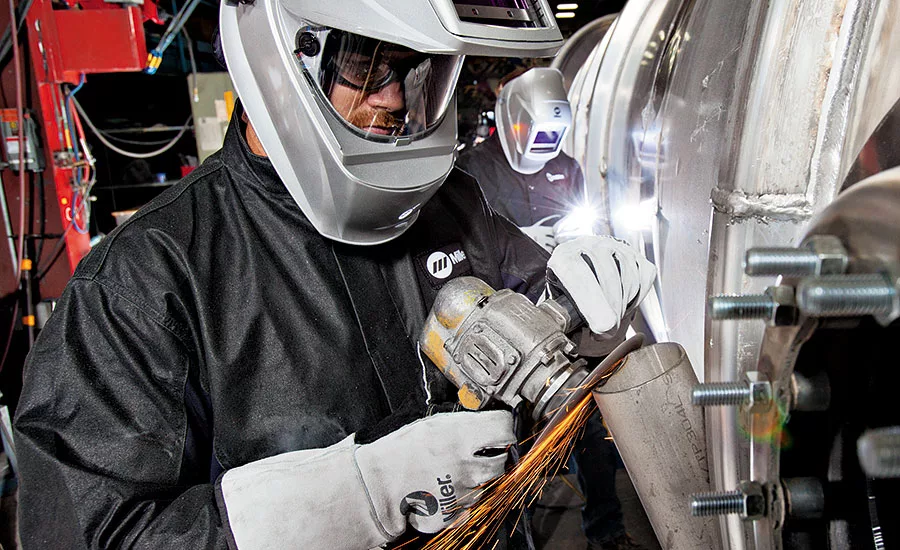
Credit: www.ishn.com
Choosing The Right Welding Helmet
Wearing a welding helmet protects your face and eyes from sparks and harmful light. Picking the right helmet helps keep you safe and comfortable.
Use a helmet that fits well and matches your welding needs. This guide explains types, fit, and lens shade choices.
Types Of Welding Helmets
There are different helmets for different jobs. Choose one that works best for your welding type.
- Passive helmets:Have a fixed dark lens. They are simple and cheap.
- Auto-darkening helmets:The lens changes shade when you start welding. They save time and offer more comfort.
- Battery-powered helmets:Use batteries to power the auto-darkening feature.
- Solar-powered helmets:Use solar cells to keep the lens dark without batteries.
Importance Of Proper Fit
A helmet that fits well stays in place and protects you fully. A poor fit can cause discomfort and less safety.
Adjust the headband to fit snugly but not too tight. Make sure the helmet covers your face and eyes completely.
- Check the helmet weight to avoid neck strain.
- Ensure the helmet moves easily when you lift or lower it.
- Look for padding to improve comfort.
Lens Shade Selection
The lens shade blocks bright light from the welding arc. The right shade protects your eyes and lets you see clearly.
Choose lens shade based on the welding type and amperage you use.
| Welding Type | Recommended Lens Shade |
|---|---|
| MIG Welding (Light to Medium) | Shade 10–13 |
| TIG Welding (Light to Medium) | Shade 8–12 |
| Stick Welding (Heavy) | Shade 10–14 |
| Plasma Cutting | Shade 5–8 |
Preparing Your Welding Helmet
Wearing a welding helmet correctly keeps you safe from sparks and bright light. Before you start welding, prepare your helmet well.
Check your helmet carefully to make sure it protects you fully. Clean and adjust it for a good fit and clear view.
Inspecting For Damage
Look over your welding helmet for cracks or broken parts. Damage can reduce protection and cause injury.
Check the shell, lens cover, and headgear. Replace anything that looks worn out or cracked.
- Inspect the helmet shell for cracks or dents
- Check the lens for scratches or cloudiness
- Look at the headgear for broken straps or loose parts
- Replace damaged parts immediately
Cleaning The Lens
A clean lens helps you see your work clearly. Dirt or smudges can block your view and cause mistakes.
Use a soft cloth and mild cleaner to wipe the lens gently. Avoid harsh chemicals that can damage it.
- Use a microfiber cloth to avoid scratches
- Apply a mild soap and water solution if needed
- Dry the lens completely before use
- Replace the lens if it is deeply scratched or foggy
Adjusting Headgear
Proper headgear adjustment keeps the helmet secure and comfortable. A loose helmet can slip and cause injury.
Adjust the straps and knobs to fit your head size. Make sure the helmet sits firmly but not too tight.
- Use the adjustment knobs to tighten or loosen the fit
- Check that the helmet covers your face fully
- Make sure the helmet does not tilt forward or backward
- Wear the helmet for a few minutes to test comfort
Proper Helmet Positioning
Welding helmets protect your eyes and face from sparks and harmful light. Wearing the helmet the right way keeps you safe.
Proper positioning helps you see clearly and work comfortably. Learn how to wear your welding helmet correctly.
Lowering The Helmet Correctly
Lower the helmet slowly over your face before you start welding. Avoid dropping it fast to prevent damage.
Make sure the helmet rests comfortably on your forehead and does not press too hard.
- Hold the helmet with both hands
- Lower it smoothly to cover your face
- Adjust the headband for a snug fit
Ensuring Full Face Coverage
The helmet must cover your entire face, including your eyes, nose, and chin. This blocks sparks and harmful rays.
Check that no gaps exist between the helmet and your face. This keeps you safe from flying debris.
- Helmet lens should align with your eyes
- Chin and cheeks must be fully covered
- Adjust straps to close any gaps
Maintaining Clear Visibility
Keep the helmet lens clean and free of scratches. Dirty lenses reduce your view and can cause accidents.
Adjust the helmet’s position so you can see your work clearly without moving your head too much.
- Clean lens before each use
- Replace cracked or scratched lenses
- Adjust helmet angle for best view

Credit: www.amazon.com
Using Helmet Features Effectively
Wearing a welding helmet correctly helps protect your eyes and face. Using its features well makes welding safer and easier.
This guide covers key features to adjust for the best experience with your helmet.
Auto-darkening Settings
Auto-darkening lenses change shade when you start welding. Set the shade level to match the welding type and brightness.
Adjust the shade to protect your eyes from bright sparks without making it too dark to see your work.
- Use a higher shade for stronger arc welding
- Lower shade for softer welding or grinding
- Test settings before starting your job
Sensitivity And Delay Controls
Sensitivity controls how quickly the lens reacts to light from the welding arc. Set it higher in low light or outdoors.
Delay controls how long the lens stays dark after welding stops. Adjust delay to avoid eye strain from sudden light changes.
- Increase sensitivity for low-amp welding
- Lower sensitivity to avoid false triggers
- Set delay longer for high-amp welding
- Short delay helps with quick welds and grinding
Ventilation And Comfort
Good ventilation reduces fogging inside the helmet. Check for vents or airflow features and keep them clear.
Comfort is important for long work sessions. Adjust the headgear for a snug fit without pressure points.
- Clean vents regularly to keep air flowing
- Use helmet padding for better comfort
- Adjust straps to balance weight evenly
- Take breaks to reduce neck strain
Safety Tips While Wearing Helmets
Welding helmets protect your eyes and face from sparks and bright light. Wearing the helmet the right way keeps you safe. Follow these tips to avoid injury and damage.
Good helmet use also protects your skin and helps you stay comfortable during work. Learn how to wear welding helmets correctly for full protection.
Avoiding Common Mistakes
Many welders make simple errors that reduce helmet safety. Do not lift the helmet while welding. Always check the lens for cracks or dirt before use.
- Do not use a damaged or scratched lens
- Keep the helmet clean and free of grease
- Do not weld without the helmet down
- Adjust the helmet to fit snugly but comfortably
Protecting Against Uv And Ir Radiation
Welding produces harmful ultraviolet (UV) and infrared (IR) rays. The helmet lens must block these rays to prevent eye damage. Use lenses with the right shade for your welding type.
| Welding Type | Recommended Shade |
| MIG Welding | 10-13 |
| TIG Welding | 8-12 |
| Arc Welding | 10-14 |
| Grinding | 3-5 |
Combining Helmets With Other Ppe
Use welding helmets with other personal protective equipment (PPE) for full safety. Wear gloves, flame-resistant clothing, and safety boots along with your helmet.
- Wear welding gloves to protect your hands
- Use flame-resistant jackets or aprons
- Wear safety boots to protect your feet
- Use ear protection in noisy environments
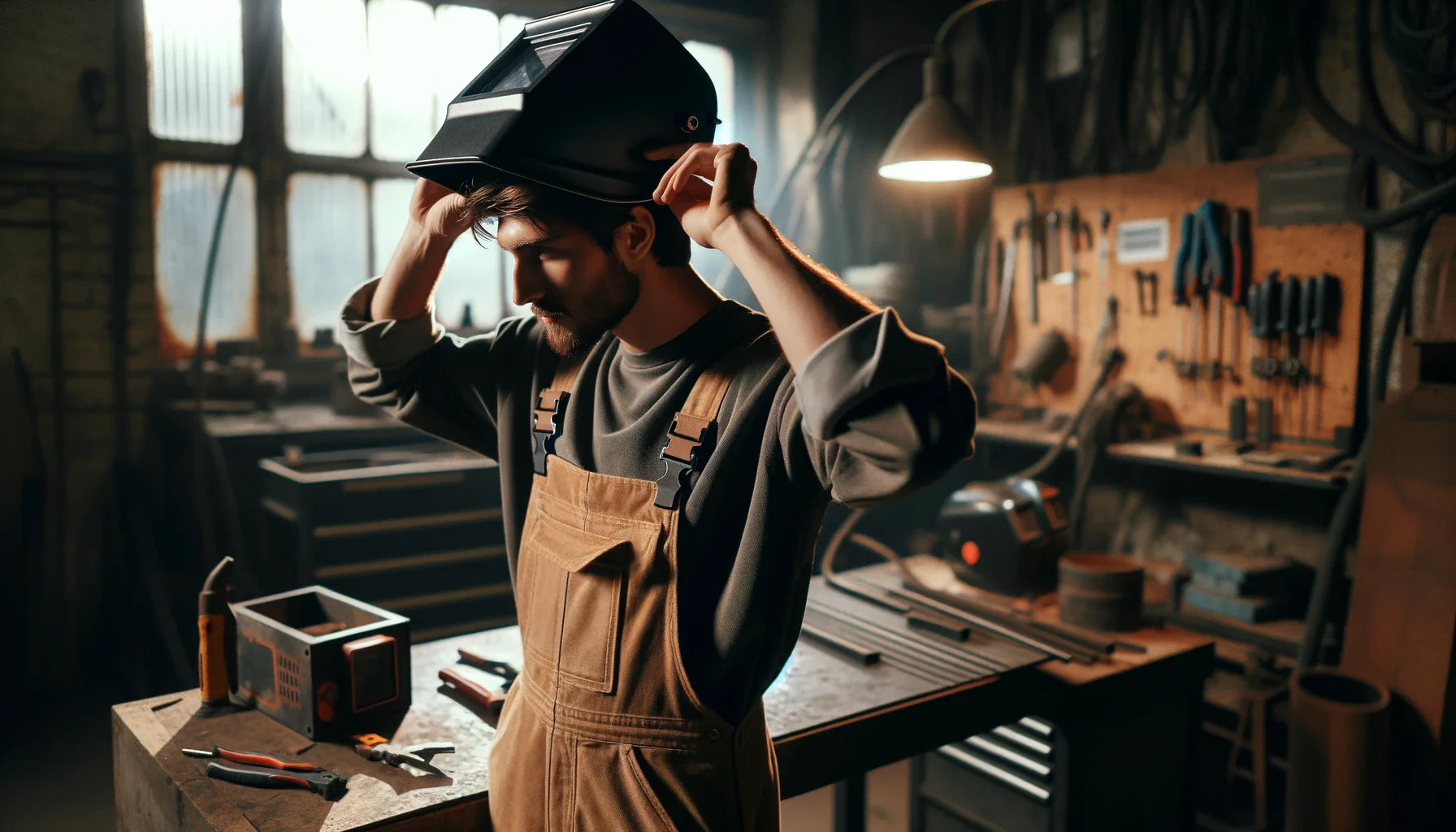
Credit: www.arccaptain.com
Maintaining Your Welding Helmet
Keeping your welding helmet in good shape is important for safety. A clean and well-maintained helmet protects your eyes and face.
Regular care helps your helmet last longer and work better every time you weld.
Regular Cleaning Routine
Clean your welding helmet after each use. Dirt and dust can block your view and damage the lens.
Use a soft cloth and mild soap to wipe the inside and outside of the helmet. Avoid harsh chemicals that can harm the materials.
- Remove dust from the lens gently
- Clean sweat and dirt from the headband
- Dry the helmet fully before storing
Replacing Worn Parts
Check your helmet parts often for wear and damage. Replace any broken or worn parts right away.
Common parts to replace include the lens, headband, and sweatbands. Using damaged parts can reduce protection.
- Replace scratched or cracked lenses
- Change worn headbands for comfort
- Swap out old sweatbands to keep fresh
Storage Best Practices
Store your welding helmet in a clean, dry place. Avoid spots with extreme heat or cold that can damage it.
Use a helmet bag or case to protect it from dust and scratches. Keep it away from heavy objects that can cause dents.
- Keep helmet in a padded bag or case
- Store away from direct sunlight
- Place on a stable surface to avoid falls
Frequently Asked Questions
How Do I Adjust A Welding Helmet Properly?
Adjust the helmet’s headgear for a snug, comfortable fit. Use the ratchet knob to tighten or loosen the strap. Ensure the helmet sits securely without wobbling. Proper adjustment reduces strain and improves safety during welding tasks.
Why Is Correct Welding Helmet Positioning Important?
Proper positioning protects your eyes and face from sparks and UV rays. It also ensures clear visibility of the work area. Incorrect positioning can cause eye strain, injuries, and poor weld quality.
Can I Wear A Welding Helmet With Glasses?
Yes, most welding helmets accommodate safety glasses underneath. Choose helmets with enough space and adjust the headgear for comfort. Wearing glasses protects your eyes from debris and enhances safety.
How Often Should I Check My Welding Helmet Fit?
Check the helmet fit before every use to ensure safety and comfort. Frequent adjustments prevent accidents and improve focus. Regularly inspect the headgear for wear or damage.
Conclusion
Wearing a welding helmet correctly protects your eyes and face. Always adjust the helmet to fit snugly and comfortably. Keep the lens clean for clear vision while working. Check the helmet before each use to ensure safety. Proper use reduces the risk of injury and improves work quality.
Remember, safety starts with the right gear worn the right way. Stay safe, stay focused, and weld with confidence every time.