Are you ready to take your gardening skills to the next level? Transplanting seedlings might seem like a daunting task, but with the right approach, it can lead to a thriving garden.
Imagine the satisfaction of seeing your plants flourish, all because you mastered the art of transplanting. In this guide, you’ll discover simple yet effective steps to ensure your seedlings thrive in their new home. Whether you’re a seasoned gardener or just starting out, understanding how to transplant seedlings for the best results can make all the difference.
Keep reading, and unlock the secrets to a vibrant and healthy garden that you’ll be proud of.
Choosing The Right Seedlings
Choosing the right seedlings is key for a strong garden. Healthy seedlings grow better and give good harvests. This guide helps you pick the best seedlings for transplanting.
Identifying Healthy Seedlings
Look for seedlings that are sturdy and green. Avoid those with yellow leaves or spots. Check the stems; they should be firm and upright. Healthy roots are white and spread well.
- Leaves should be bright green and free of holes.
- Stems must be thick, not thin or weak.
- Roots should not be tangled or dark in color.
- Seedlings should stand strong without bending.
Timing For Transplanting
Transplant seedlings at the right time to help them grow well. Avoid moving them too early or too late. The best time depends on the plant type and weather.
| Plant Type | Ideal Transplant Age | Signs Seedlings Are Ready |
|---|---|---|
| Tomatoes | 4 to 6 weeks | 3 to 4 true leaves, strong stems |
| Peppers | 6 to 8 weeks | 4 to 6 true leaves, thick stems |
| Lettuce | 3 to 4 weeks | 2 to 3 true leaves, healthy roots |
Selecting Suitable Varieties
Choose seedling varieties that suit your climate and soil. Some plants grow better in cool weather. Others need warmth and long days. Pick varieties that resist local pests and diseases.
- Check plant labels for climate zones.
- Choose disease-resistant varieties.
- Pick early or late varieties based on season length.
- Consider the space available for each plant.

Credit: www.reddit.com
Preparing The New Location
Transplanting seedlings needs a good new spot for healthy growth. Preparing the area well helps plants grow strong roots and thrive.
This guide covers soil preparation, spacing, planting depth, and drainage. These steps help you avoid common transplant problems.
Soil Preparation Techniques
Good soil makes a strong base for seedlings. Loosen soil to remove rocks and break clumps. Mix in compost or organic matter to add nutrients.
- Clear weeds and debris
- Loosen soil to about 12 inches deep
- Add compost or aged manure
- Mix soil well for even texture
- Check soil pH and adjust if needed
Optimal Spacing And Depth
Plant seedlings at the right depth to avoid stem rot or dry roots. Space them to give room for leaves and roots to grow well.
| Plant Type | Recommended Spacing | Planting Depth |
|---|---|---|
| Tomatoes | 18-24 inches | Deep enough to cover lower stem |
| Lettuce | 6-12 inches | Same depth as in seed tray |
| Peppers | 12-18 inches | Same depth as seedling pot |
Ensuring Proper Drainage
Water must not stay around the roots. Check that the new spot drains well to stop waterlogging. Use raised beds or add sand if soil is heavy.
- Test drainage by pouring water and observing absorption speed
- Build raised beds for better runoff
- Mix sand or perlite into clay soils
- Avoid planting in low spots where water collects
Transplanting Techniques
Transplanting seedlings is a key step to grow strong plants. Doing it right helps plants adapt quickly and grow well.
Using proper techniques protects the young plants from stress and damage during the move to their new home.
Handling Seedlings Gently
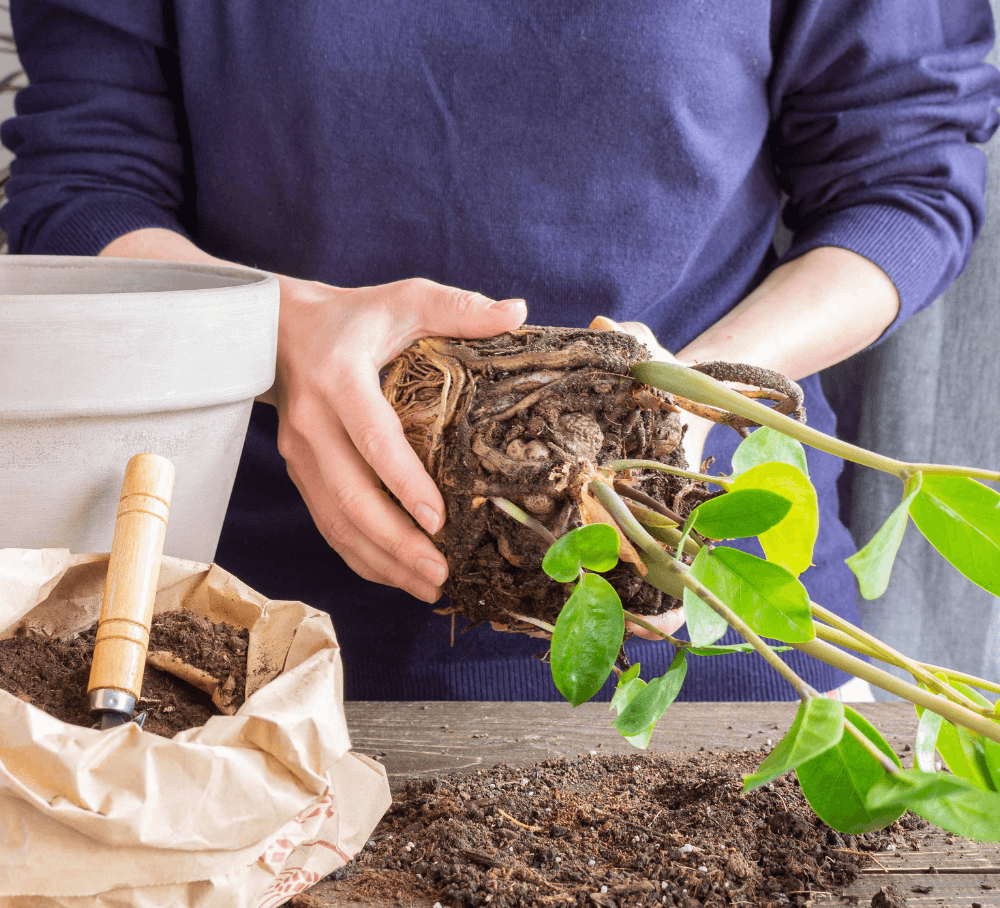
Seedlings are fragile and need careful handling. Hold them by the leaves, not the stem. Avoid squeezing the stem or roots.
- Water seedlings before moving to keep soil moist.
- Use both hands to support the root ball.
- Work in a shaded area to reduce heat stress.
- Do not expose roots to air for long periods.
Removing Seedlings From Containers
Take seedlings out carefully to avoid root damage. Different containers need different removal methods.
| Container Type | Removal Method |
| Plastic Pots | Press sides gently, tip pot, support seedling base |
| Peat Pots | Plant pot and all, as it breaks down in soil |
| Cell Trays | Use a knife or tool to loosen soil around roots |
| Jiffy Pellets | Plant entire pellet without disturbing roots |
Planting Steps For Success
Follow these steps to plant seedlings for good growth and survival.
- Dig a hole twice the size of the root ball.
- Place seedling in the hole at the same depth as before.
- Fill soil gently around roots, pressing lightly.
- Water the seedling well to settle soil.
- Add mulch to keep moisture and reduce weeds.
Post-transplant Care
Taking care of seedlings after transplanting helps them grow strong. Proper care reduces stress and supports healthy roots.
Seedlings need special attention to adapt to their new environment. This care includes watering, protection, and feeding.
Watering Strategies
Water seedlings gently but deeply after transplanting. This helps soil settle and roots connect with the ground.
Keep the soil moist but not soggy. Too much water can cause root rot and too little slows growth.
- Water early in the morning or late in the afternoon
- Use a watering can with a fine rose to avoid soil damage
- Check soil moisture daily for the first two weeks
- Reduce watering gradually as plants establish
Protecting From Stress And Shock
Seedlings can get stressed from changes in light, temperature, or wind after transplanting. Protect them carefully.
Use shade cloth or move seedlings to a sheltered spot for a few days. Avoid strong wind and harsh sun.
- Keep seedlings away from strong wind and direct midday sun
- Handle seedlings by leaves, not stems, to prevent damage
- Gradually expose seedlings to outdoor conditions over a week
- Remove any damaged or wilted leaves promptly
Fertilizing For Growth
After seedlings settle, give them nutrients to boost growth. Use a balanced, mild fertilizer to avoid burning roots.
Start feeding about two weeks after transplant. Follow package instructions for dilution and frequency.
- Choose a fertilizer with equal nitrogen, phosphorus, and potassium
- Apply fertilizer every 10 to 14 days during growing season
- Water seedlings before and after fertilizing to protect roots
- Stop fertilizing a few weeks before harvest for some plants
Common Mistakes To Avoid
Transplanting seedlings is a delicate task. Avoiding common errors helps your plants grow strong. This guide covers key mistakes to watch for.
Knowing what not to do saves time and effort. It also prevents damage to young plants during transplanting.
Overwatering And Underwatering
Giving seedlings too much or too little water harms their roots. Overwatering causes root rot. Underwatering makes plants dry out.
- Check soil moisture before watering.
- Water seedlings gently to avoid washing soil away.
- Use well-draining soil to prevent standing water.
- Keep a consistent watering schedule.
Planting Too Deep Or Shallow
Planting seedlings too deep can cause stems to rot. Too shallow planting exposes roots to air and dries them out. Both affect plant growth.
| Planting Depth | Effect |
| Too Deep | Stem rot and slow growth |
| Too Shallow | Roots dry out and poor stability |
| Correct Depth | Soil level matches original pot |
Ignoring Environmental Conditions
Seedlings need proper light, temperature, and airflow. Ignoring these can stress plants and reduce survival rates.
- Place seedlings in partial shade for a few days after transplanting.
- Avoid strong winds to protect tender stems.
- Keep temperatures stable between 60°F and 75°F (15°C to 24°C).
- Ensure good air circulation but no cold drafts.

Credit: savvygardening.com

Credit: www.sierraflowerfarm.com
Frequently Asked Questions
How Do I Prepare Seedlings Before Transplanting?
Harden off seedlings by gradually exposing them to outdoor conditions for 7-10 days. This strengthens plants and reduces transplant shock.
When Is The Best Time To Transplant Seedlings?
Transplant seedlings on a cloudy day or in late afternoon. Cooler temperatures help minimize stress and improve survival rates.
How Deep Should I Plant Seedlings In The Soil?
Plant seedlings at the same depth as they were in their pots. Avoid burying stems too deep to prevent rot.
What Soil Type Is Ideal For Transplanting Seedlings?
Use well-draining, nutrient-rich soil with organic matter. This supports root growth and ensures seedlings receive adequate moisture and nutrients.
Conclusion
Transplanting seedlings carefully helps plants grow strong and healthy. Choose the right time and prepare the soil well. Handle seedlings gently to avoid damage. Water them after transplanting to reduce stress. Watch seedlings closely in the first days. This simple care makes a big difference.
Your garden will thank you with better growth. Start small and learn with each transplant. Growing plants this way brings joy and success. Keep practicing and enjoy watching your garden thrive.