Are your small trees looking a bit unruly? Perhaps you’re wondering how to give them a little trim without causing harm.
Pruning isn’t just about making your trees look good; it’s crucial for their health, too. Imagine having the power to shape and strengthen your trees with just a few simple cuts. Sounds intriguing, right? You don’t need to be an expert gardener to master this skill.
By learning the right techniques, you can ensure your trees thrive and enhance the beauty of your garden. Ready to uncover the secrets of effective pruning? Let’s dive into how you can transform your trees for the better.
Benefits Of Pruning Small Trees
Pruning small trees helps keep them strong and attractive. It shapes the tree and removes weak branches.
Regular pruning improves the tree’s health and prevents problems. It supports healthy growth and long life.
Enhancing Tree Shape
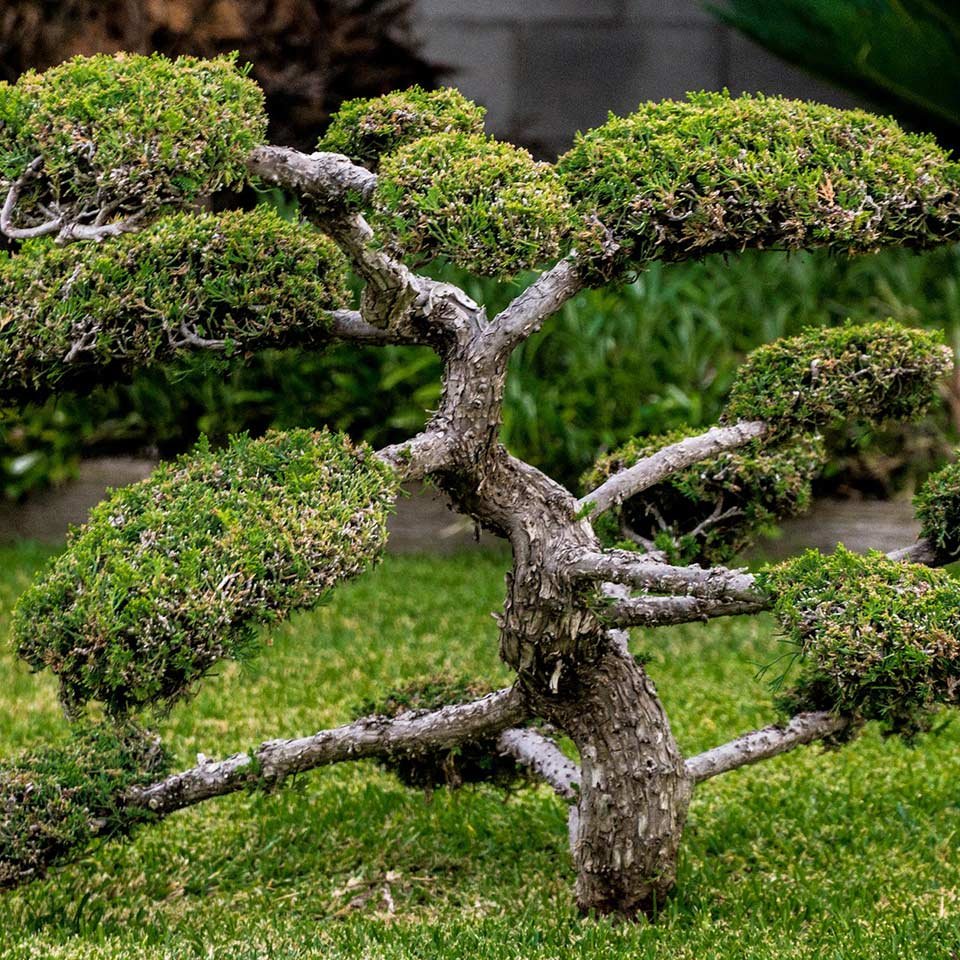
Pruning shapes the tree for a better look. It helps keep a balanced form and attractive design.
Removing extra branches lets sunlight reach all parts. This creates a fuller and well-formed tree.
Promoting Tree Health
Cutting dead or weak branches stops disease from spreading. It helps the tree stay strong and healthy.
Pruning improves air flow inside the tree. Good air flow reduces moisture and prevents rot.
Preventing Disease And Pests
Removing damaged parts lowers the risk of infections. Healthy trees are less likely to attract pests.
Pruning also helps spot problems early. You can act fast to protect the tree from harm.

Credit: sactree.org
Best Time To Prune
Pruning small trees helps keep them healthy and looking good. Picking the right time to prune is important.
Pruning at the wrong time can hurt the tree or cause disease. Learn when to prune for the best results.
Seasonal Considerations
Most small trees do best when pruned in late winter or early spring. This is before new growth starts.
Pruning during this time helps the tree heal quickly and grow strong branches. Avoid pruning in late summer or fall.
- Late winter to early spring: Best time to prune
- Spring: After flowering for some trees
- Summer: Light pruning only
- Fall: Avoid pruning to prevent damage
Signs To Start Pruning
Look for dead, damaged, or crossing branches. These are signs your tree needs pruning.
New growth that looks crowded or weak also means it is time to prune. Proper pruning helps air flow and light reach inside the tree.
- Branches with dead wood or cracks
- Branches that rub or cross each other
- Overgrown or crowded areas
- Weak or thin new growth
Essential Tools For Pruning
Pruning small trees helps keep them healthy and well-shaped. Using the right tools makes the job easier and safer.
Good tools cut cleanly and reduce damage to the tree. Let’s look at the main tools needed for pruning.
Hand Pruners And Loppers
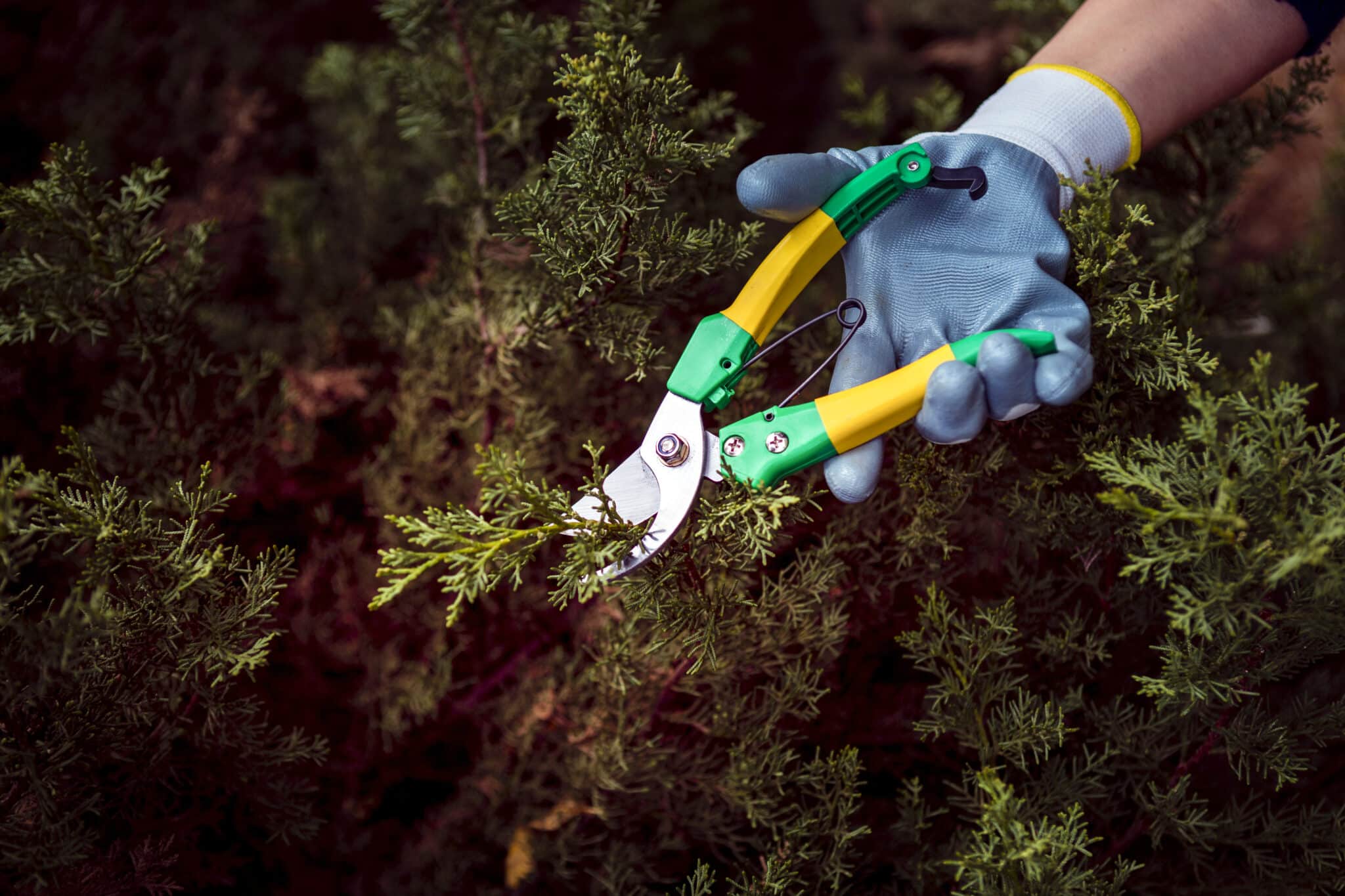
Hand pruners and loppers are the most common tools for pruning small trees. They allow you to cut branches cleanly and precisely.
- Hand pruners:Best for cutting small branches up to ¾ inch thick. They fit in one hand and are easy to use.
- Loppers:Have long handles for extra leverage. They cut branches up to 2 inches thick and reach higher spots.
- Sharp blades:Ensure clean cuts. Dull blades can crush branches and harm the tree.
- Bypass style:These blades slide past each other, making smooth cuts that heal faster.
Safety Equipment
Safety is important when pruning. Protect yourself with the right gear to avoid injuries.
| Safety Gear | Purpose |
|---|---|
| Gloves | Protect hands from cuts and splinters |
| Safety glasses | Shield eyes from falling debris |
| Long sleeves | Protect arms from scratches and irritants |
| Sturdy shoes | Keep feet safe from sharp tools and falling branches |
Step-by-step Pruning Process
Pruning small trees helps keep them healthy and looking good. It shapes the tree and removes weak parts.
Follow these clear steps to prune your small trees properly. This guide shows you what to do at each stage.
Assessing The Tree
Look at your tree carefully before pruning. Check for any damage or areas that need trimming. Notice the tree’s natural shape and size.
Ask these questions to understand the tree’s condition:
- Are there dead or broken branches?
- Is the tree too dense or crowded?
- What shape do you want the tree to have?
- Are there any diseased spots?
Removing Dead And Diseased Branches
Start pruning by cutting away branches that are dead or sick. This stops problems from spreading and helps the tree grow better.
- Look for branches that are dry or cracked.
- Cut off any branches with spots or fungus.
- Use clean, sharp tools for clean cuts.
- Remove branches close to the trunk but avoid damaging it.
Shaping The Tree
After cleaning the tree, shape it by trimming branches to keep a balanced look. Focus on the natural growth pattern of the tree.
| Action | Purpose |
| Trim long branches | Keep the tree compact and even |
| Cut crossing branches | Prevent rubbing and damage |
| Remove branches growing inward | Improve air flow and light |
| Keep main branches strong | Support healthy growth |
Thinning Out Dense Areas
Thin areas where branches crowd each other. This helps sunlight reach all parts of the tree and improves air flow.
- Identify dense spots with overlapping branches.
- Remove smaller, weaker branches first.
- Keep the strongest branches spaced evenly.
- Avoid cutting too many branches at once.
Common Mistakes To Avoid
Pruning small trees helps keep them healthy and well-shaped. Many people make simple mistakes that harm the tree instead of helping it.
Learning what to avoid can save your tree and make pruning easier. Here are common errors to watch out for.
Over-pruning
Cutting too many branches at once can stress a small tree. Over-pruning removes too much leaf area, reducing the tree’s ability to make food.
- Do not remove more than 25% of the tree’s branches in one session.
- Avoid cutting many large branches at the same time.
- Leave enough leaves for the tree to grow strong.
Cutting Too Close Or Too Far
Pruning cuts must be made in the right spot. Cutting too close can damage the branch collar, stopping it from healing. Cutting too far leaves stubs that may rot.
| Mistake | Effect on Tree |
| Cutting Too Close | Injures branch collar, slows healing |
| Cutting Too Far | Leaves stubs, invites decay |
| Correct Cut | Just outside branch collar, heals well |
Ignoring Tree Species Needs
Different trees need different pruning methods. Ignoring this can harm the tree or reduce its beauty.
Here are pruning tips for common small tree types:
- Fruit Trees:Prune to open the center for light and air.
- Flowering Trees:Prune after they bloom to protect flowers.
- Evergreens:Avoid heavy pruning; trim lightly to keep shape.
Credit: monkeymans.com
Aftercare For Pruned Trees
Pruning small trees helps keep them healthy and well-shaped. After pruning, your tree needs extra care to recover.
Proper aftercare supports healing and growth. It also prevents stress and diseases.
Watering And Mulching
Water the tree deeply after pruning. This helps replace moisture lost during pruning cuts.
Mulch around the tree base to keep soil moist and cool. Mulching also reduces weeds that compete for water.
- Water slowly and deeply once or twice a week
- Apply 2-3 inches of mulch, keeping it away from the trunk
- Check soil moisture regularly, especially in dry weather
Monitoring For Stress Signs
Watch the tree closely after pruning for signs of stress. Early detection helps you act fast.
Look for wilting leaves, discoloration, or unusual leaf drop. These can show the tree is struggling.
- Check leaves daily for dryness or spots
- Look for cracks or oozing sap on branches
- Notice if new growth slows or stops
- Watch for pests or diseases that may appear
Credit: willowrivercompany.com
Frequently Asked Questions
How Often Should I Prune Small Trees For Best Health?
Prune small trees annually to maintain shape and health. Early spring is ideal, before new growth starts. Regular pruning removes dead or diseased branches, improving air circulation and sunlight. This promotes stronger growth and prevents structural problems. Avoid heavy pruning in late summer or fall.
What Tools Are Best For Pruning Small Trees?
Use sharp, clean tools like pruning shears, loppers, and a pruning saw. Hand pruners work well for small branches under ¾ inch. Loppers handle thicker branches up to 1½ inches. Always sterilize tools before use to prevent disease spread and ensure clean cuts.
When Is The Best Time To Prune Small Trees?
The best time to prune small trees is late winter to early spring. Pruning before buds break encourages healthy new growth. Avoid pruning in late summer or fall, which can cause stress and reduce winter hardiness. Some flowering trees need pruning after bloom.
How Do I Prune For Tree Shape And Structure?
Start by removing dead, damaged, or crossing branches. Next, thin crowded areas to allow light and air flow. Maintain a balanced shape by cutting back overly long branches. Always make cuts just above a bud or branch junction to encourage healthy growth.
Conclusion
Pruning small trees keeps them healthy and looking good. It helps remove dead or weak branches. Cutting at the right time supports strong growth. Use clean, sharp tools to avoid damage. Regular pruning shapes the tree naturally and safely. Remember, small steps lead to big results in tree care.
Keep learning and enjoy watching your trees thrive. Simple care makes your garden more beautiful and healthy.