If you’ve ever found yourself frustrated with jagged edges or splintered surfaces when cutting MDF, you’re not alone. MDF, or medium-density fiberboard, is a popular material for its smooth finish and affordability, but it can be tricky to cut cleanly.
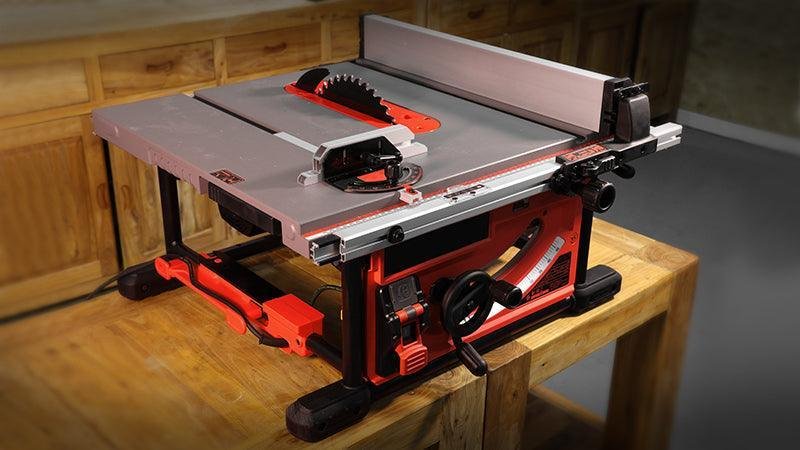
That’s where your trusty table saw comes in. Imagine effortlessly gliding through MDF with precision, achieving smooth edges every time. Sounds appealing, right? In this guide, we’ll reveal the secrets to mastering your table saw for cutting MDF, transforming your DIY projects into professional-looking masterpieces.
Whether you’re a seasoned woodworker or just starting out, these tips will enhance your skills and save you time and effort. Keep reading to discover how you can achieve flawless cuts with ease.
Choosing The Right Blade
Using a table saw to cut MDF needs the right blade. The blade affects the cut quality and tool life.
Choosing a suitable blade helps avoid rough edges and reduces damage to the board.
Blade Types For Mdf
MDF is dense and can cause burning or chipping if cut with the wrong blade. A blade designed for composite wood works best.
- Combination blades can cut MDF but may leave rough edges.
- Fine-tooth blades give smoother cuts with less tear-out.
- Carbide-tipped blades hold sharpness longer when cutting MDF.
Blade Teeth Count
The number of teeth on a blade affects how smooth the cut will be. More teeth mean a cleaner cut.
| Teeth Count | Cut Quality | Cut Speed |
| 24-40 | Rougher | Faster |
| 60-80 | Smoother | Moderate |
| 100+ | Very Smooth | Slower |
Blade Material And Coating
Blade material and coating help the blade last longer and cut better.
- Carbide-tipped bladesstay sharp and resist heat.
- Steel bladesdull quickly with MDF.
- Non-stick coatingsreduce resin build-up on the blade.

Credit: www.youtube.com
Preparing Your Workspace
Setting up your workspace correctly helps you cut MDF safely and accurately. A clean and organized area reduces accidents and makes your work easier.
Before you start cutting, take time to prepare the space around your table saw. This improves your focus and efficiency.
Clearing The Cutting Area
Remove all unnecessary items from around the saw. This prevents tripping or knocking things over while working.
- Keep the floor clear of tools and scrap pieces
- Make sure the saw’s surface is free from dust and debris
- Keep extension cords and cables out of the way
- Have a flat surface to support the MDF before and after cutting
Proper Lighting Setup
Good lighting lets you see the cutting line clearly. It helps you make straight and safe cuts on the MDF.
| Lighting Type | Benefit |
|---|---|
| Overhead LED Lights | Bright, even light with low heat |
| Adjustable Task Lamps | Focus light on the cutting line |
| Natural Daylight | True colors and reduces eye strain |
Dust Collection Systems
MDF dust can harm your lungs and make a mess. Use dust collection to keep air clean and work area tidy.
- Connect a shop vacuum or dust extractor to your table saw
- Use a mask rated for fine dust particles
- Clean dust filters regularly to keep suction strong
- Empty dust bags or containers often to avoid clogs
Setting Up The Table Saw
Setting up your table saw properly is key for safe and accurate cuts. This guide helps you prepare your saw for cutting MDF.
Focus on adjusting the blade height, aligning the fence, and using featherboards to hold the material steady.
Adjusting Blade Height
Set the blade height so it extends about 1/8 inch above the MDF surface. This reduces tear-out and makes a cleaner cut.
Too high a blade can cause kickback. Too low can cause burning and rough edges.
Aligning The Fence
The fence guides the MDF during the cut. Make sure it is parallel to the blade to avoid binding.
- Loosen the fence lock.
- Slide the fence close to the blade without touching.
- Use a square to check fence alignment.
- Tighten the fence lock securely.
Using Featherboards
Featherboards apply pressure to the MDF, keeping it against the fence and table. This helps prevent kickback and keeps cuts straight.
| Featherboard Placement | Purpose |
|---|---|
| Side of fence | Holds material tight to fence |
| On table surface | Prevents upward or backward kick |
| Near blade | Stabilizes the cut zone |
Safety Gear Essentials
Using a table saw to cut MDF can be dangerous. Wearing the right safety gear protects you from injuries and dust.
Always prepare before starting your work. Proper safety gear helps you stay safe and focus on the job.
Eye And Ear Protection
Your eyes need protection from flying MDF particles. Use safety glasses or goggles that fit well.
Cutting MDF with a table saw is noisy. Ear protection prevents hearing damage from loud sounds.
- Wear safety glasses or goggles with side shields
- Use earplugs or earmuffs to reduce noise
- Check gear for damage before each use
Respiratory Masks
MDF dust can harm your lungs. Use a mask that filters fine dust particles.
Choose masks rated for dust protection. Replace masks if they get dirty or damaged.
- Use N95 or better dust masks
- Fit the mask tightly over your nose and mouth
- Change masks regularly during long jobs
Proper Clothing
Wear clothes that cover your skin to avoid irritation from MDF dust. Avoid loose clothes that can catch in the saw.
Use sturdy gloves to protect your hands. Choose shoes with good grip to avoid slips.
- Wear long sleeves and pants made of thick fabric
- Avoid loose or baggy clothing
- Use gloves that allow good grip and control
- Wear closed-toe, non-slip shoes
Cutting Techniques For Mdf
Cutting MDF requires careful techniques to get smooth and accurate edges. This wood product can chip or burn if not cut properly.
Using the right methods helps protect your tools and improves the quality of each cut.
Scoring Cuts
Scoring cuts reduce chipping on the surface of MDF. Score a shallow line before the main cut to guide the blade.
- Use a sharp blade with fine teeth for scoring.
- Make a light pass along the cut line first.
- Follow up with a deeper cut to finish.
- Keep the scoring depth shallow to avoid waste.
Controlling Feed Rate
Feed rate affects the cut quality and blade wear. Move the MDF steadily but not too fast.
| Feed Rate | Effect |
| Too Fast | Rough edges, blade strain |
| Too Slow | Burn marks, blade dulling |
| Steady Moderate Speed | Smooth cuts, long blade life |
Handling Large Panels
Large MDF panels need support and control during cutting. Use helpers or stands to keep the panel steady.
- Place supports on both sides of the cut line.
- Use clamps to hold the panel if possible.
- Cut slowly to avoid panel movement.
- Wear safety gear to protect from dust and chips.
Preventing Common Issues
Cutting MDF with a table saw can cause problems if you are not careful. Common issues include tear-out, blade binding, and dust buildup.
Knowing how to avoid these problems can make your cuts cleaner and safer. This guide gives simple tips to help you work better with MDF.
Reducing Tear-out
Tear-out happens when the fibers on the edge of MDF chip or splinter during cutting. This can ruin the smooth finish you want.
To reduce tear-out, use a sharp blade designed for fine cuts. Cutting slowly and supporting the MDF sheet well also helps.
- Use a blade with many teeth for smoother cuts
- Cut MDF with the finished side down
- Support the sheet firmly to avoid bending
- Make slow, steady cuts without forcing the blade
Avoiding Blade Binding
Blade binding happens when the blade gets stuck in the MDF. This can cause kickback and damage the saw or workpiece.
To avoid binding, set the blade height just above the thickness of the MDF. Keep the blade clean and sharp to cut easily through the material.
- Set blade height properly, about 1/4 inch above MDF
- Use a sharp, clean blade to reduce friction
- Push the MDF straight and steady through the saw
- Do not force the material; let the blade cut at its own speed
Managing Dust Accumulation
MDF creates a lot of fine dust that can cover your workspace and harm your lungs. Managing dust is important for safety and cleanliness.
Use a dust collection system or vacuum to catch dust at the source. Wear a mask and clean your area often to keep dust under control.
- Connect a dust collector or shop vacuum to the saw
- Wear a dust mask or respirator during cutting
- Clean the workspace regularly to remove settled dust
- Keep air flowing with a fan or open windows
Maintenance Tips
Keeping your table saw in good shape helps you cut MDF safely and accurately. Regular maintenance improves tool life and performance.
Focus on cleaning the blade, inspecting the saw, and lubricating key parts. These simple tasks prevent problems and keep cuts smooth.
Blade Cleaning And Sharpening
Clean the blade after each use to remove resin and dust. A clean blade cuts MDF more easily and lasts longer.
- Use a soft brush and mild cleaner to remove buildup.
- Check the blade edges for dullness or chips.
- Sharpen the blade with a professional tool or replace it if needed.
- Wear gloves to avoid cuts while handling the blade.
Table Saw Inspection
Inspect your table saw regularly to spot any issues early. Look for loose parts and damage that can affect safety and accuracy.
| Inspection Area | What to Check | Frequency |
| Blade Alignment | Blade parallel to fence and miter slot | Monthly |
| Power Cord | No cuts or frays | Before each use |
| Blade Guard | Proper installation and movement | Weekly |
| Table Surface | Clean and free of rust | Monthly |
Lubrication Points
Lubricate moving parts to keep your saw running smoothly. Use the right oil or grease for each point.
- Apply lubricant to the blade arbor for smooth rotation.
- Lubricate the elevation and tilt gears for easy adjustment.
- Grease the fence rails to allow smooth sliding.
- Wipe off excess lubricant to prevent dust buildup.

Credit: www.youtube.com

Credit: www.reddit.com
Frequently Asked Questions
What Safety Gear Is Essential When Cutting Mdf On A Table Saw?
Always wear safety goggles, a dust mask, and ear protection. MDF dust is harmful and loud noise can damage hearing. Use gloves to protect hands from splinters and ensure proper ventilation for a safer workspace.
How To Prevent Chipping While Cutting Mdf With A Table Saw?
Use a sharp, carbide-tipped blade with many teeth. Cut slowly and steadily to reduce splintering. Applying painter’s tape along the cut line can also minimize chipping. Proper blade height and fence alignment improve cut quality.
What Blade Type Is Best For Cutting Mdf On A Table Saw?
A fine-toothed, carbide-tipped blade is ideal for MDF. Choose blades with 60 to 80 teeth for smooth cuts. Avoid blades with too few teeth to prevent rough edges and splintering during cutting.
How To Reduce Dust When Cutting Mdf On A Table Saw?
Connect a dust collection system or vacuum to your table saw. Wear a high-quality dust mask to avoid inhaling particles. Cutting MDF outdoors or in a well-ventilated area also helps keep dust under control.
Conclusion
Using a table saw to cut MDF can be safe and precise. Always wear safety gear to protect your eyes and lungs. Keep the blade sharp and clean for smooth cuts. Measure twice, cut once to avoid mistakes. Support the MDF properly to prevent bending or splintering.
Take your time and stay focused while cutting. These simple tips help you achieve better results every time. Practice often to build confidence and skill. Enjoy your woodworking projects with safer, cleaner cuts.