Are your jigsaw blades not cutting like they used to? It might be time to sharpen them.
Keeping your jigsaw blades in tip-top shape not only makes your projects easier but also extends the life of your tools. You don’t have to be an expert to get your blades back to their best. In this guide, you’ll discover simple steps to sharpen your jigsaw blades effectively.
Imagine gliding through wood, metal, or plastic with ease, achieving those precise cuts you’ve always wanted. Ready to learn how to bring your blades back to life? Let’s dive in and transform the way you cut.

Credit: www.youtube.com
Choosing The Right Blade
Choosing the right jigsaw blade is important for good cutting results. The blade affects the speed and smoothness of the cut.
Different blades work best for different materials and tasks. Picking the right one saves time and effort.
Types Of Jigsaw Blades
Jigsaw blades come in several types. The shape and tooth design change how they cut.
Common types include T-shank and U-shank blades. T-shank blades fit most jigsaws and hold tightly.
- T-shank blades: easy to change and stable
- U-shank blades: older style, less common
- Scroll blades: small, for tight curves
- Clean-cut blades: fine teeth for smooth cuts
Material Compatibility
Different blades work best on certain materials. Using the right blade protects both the tool and the workpiece.
Wood, metal, and plastic need different blade types. Check the blade label for material use.
- Wood blades: large, sharp teeth
- Metal blades: small, fine teeth
- Plastic blades: fine teeth, slower speed
Blade Tpi And Cut Quality
TPI means teeth per inch. It shows how many teeth the blade has per inch.
Blades with low TPI cut fast but rough. High TPI blades cut slow but smooth.
- Low TPI (6-10): faster cuts, rough edges
- Medium TPI (10-14): balance of speed and smoothness
- High TPI (18+): slow cuts, very smooth edges

Credit: www.yahoo.com
Tools For Sharpening
Sharpening jigsaw blades keeps them cutting well and lasts longer. Using the right tools helps you sharpen quickly and safely.
Below are key tools and methods to sharpen your blades with care and precision.
Essential Sharpening Equipment
You need some basic tools to sharpen jigsaw blades properly. These help you get a clean, sharp edge on the blade.
- Fine metal file – for manual sharpening
- Diamond sharpening stone – removes metal smoothly
- Small bench grinder – for faster sharpening
- Magnifying glass – to check sharpness closely
- Blade cleaning brush – to clear dirt and rust
Safety Gear
Sharpening blades can be risky without safety gear. Protect yourself from injury and dust with proper equipment.
| Safety Item | Purpose |
| Safety goggles | Protect eyes from metal shards and sparks |
| Work gloves | Prevent cuts and improve grip on blades |
| Dust mask | Keep dust and metal particles from lungs |
| Apron | Protect clothing and skin from debris |
Blade Holding Techniques
Holding the blade steady is key to sharp results. Use the right ways to keep the blade safe and stable.
- Clamp the blade in a small vise for firm hold
- Use a blade holder tool to keep fingers safe
- Hold the blade at an angle matching the original teeth
- Keep your hands clear of the sharpening edge
- Work slowly to avoid slipping or damage
Sharpening Techniques
Keeping jigsaw blades sharp improves cutting accuracy and blade life. Sharp blades cut cleanly and reduce wear on your tool.
Sharpening jigsaw blades takes patience and the right tools. This guide explains how to sharpen blades step-by-step.
Step-by-step Sharpening Process
First, clean the blade to remove dirt and rust. Use a soft cloth or brush for this.
Next, secure the blade in a vise or clamp. This keeps it steady while sharpening.
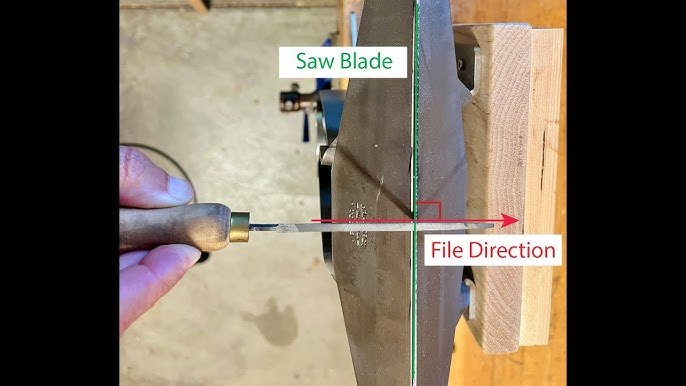
Use a fine file or sharpening stone to sharpen each tooth. Move the tool along the edge in one direction.
- Sharpen each tooth evenly
- Keep consistent pressure
- Check the blade often for sharpness
After sharpening, wipe the blade clean. Test the blade on scrap wood before use.
Maintaining Blade Angles
Blade angles affect cutting speed and finish. Keep the original angles while sharpening.
Use a small angle guide or protractor to check angles. Most jigsaw blades have teeth set at 15 to 20 degrees.
- Sharp angles cut faster but wear out quicker
- Blunt angles last longer but cut slower
- Match the angle to your cutting needs
Using A File Vs. Grinding Wheel
A file is simple and works well for small sharpening jobs. It gives control and prevents overheating the blade.
A grinding wheel sharpens quickly but needs care. It can remove too much metal or cause blade damage if used wrongly.
- File: good for precise sharpening and beginners
- Grinding wheel: fast but needs steady hands
- Always cool the blade if using a grinding wheel
Testing And Adjusting Blades
Keeping your jigsaw blades sharp helps you cut smoothly and safely. Testing and adjusting blades ensures the best results every time.
Check your blades often. Small fixes can improve your cutting accuracy and blade life.
Checking Blade Sharpness
To check if your blade is sharp, look closely at the teeth. Dull teeth look rounded or chipped. Sharp teeth have clear, defined points.
You can also test sharpness by cutting a scrap piece of wood. A sharp blade cuts easily and cleanly. If it drags or tears, it needs sharpening or replacing.
Fine-tuning For Precision
Adjusting your blade can improve cutting accuracy. Make sure the blade fits tightly in the jigsaw. Loose blades cause wobbly cuts.
Use a fine file or sharpening tool to carefully touch up the blade teeth. Work slowly and keep the original tooth angle for best results.
- Tighten blade clamps before cutting
- Sharpen teeth evenly on both sides
- Keep blade teeth angled correctly
- Test cut after adjustments
When To Replace Blades
Some blades cannot be sharpened well or lose their shape. Replace blades if you see deep chips, bent teeth, or rust.
Also change blades if cutting becomes slow or rough, even after sharpening. Fresh blades work better and are safer.
- Bent or warped blades
- Missing or broken teeth
- Rust or corrosion on the blade
- Blade dull after sharpening attempts
- Unusual noise or vibration during cutting
Blade Maintenance Tips
Keeping your jigsaw blades sharp and clean helps you cut better. Proper care also saves money by making blades last longer.
Regular maintenance prevents damage and keeps your tools working well. Here are some tips to care for your blades.
Cleaning And Storage
Clean your blades after each use to remove dirt and resin. Use a soft brush or cloth to wipe them clean.
Store blades in a dry place. Keep them in a box or holder to avoid damage and loss.
- Remove sawdust and debris with a brush
- Use rubbing alcohol for sticky resin
- Keep blades in a dry container
- Separate blades by size or type
Preventing Rust And Damage
Rust weakens blades and makes cutting harder. Keep blades dry and avoid exposure to moisture.
Handle blades carefully. Avoid dropping or bending them to prevent damage.
- Dry blades thoroughly after cleaning
- Apply light oil to protect from rust
- Store blades away from humid areas
- Use protective covers if available
- Do not force blades during cutting
Extending Blade Life
Use the right blade for the material to avoid extra wear. Sharpen blades regularly to keep them effective.
Check blades for damage before use. Replace blades that are too worn or broken.
- Match blade type to material (wood, metal, plastic)
- Sharpen blades gently with a fine file or sharpening tool
- Inspect blades for chips or cracks
- Replace blades that are dull or damaged
- Use slow, steady cutting motions

Credit: www.reddit.com
Frequently Asked Questions
How Do I Sharpen Jigsaw Blades Safely?
To sharpen jigsaw blades safely, use a fine diamond file or sharpening stone. Hold the blade firmly and file each tooth gently. Always wear gloves and eye protection. Work slowly to maintain the tooth shape and avoid damaging the blade or yourself.
When Should I Sharpen My Jigsaw Blades?
Sharpen jigsaw blades when cutting becomes slow or rough. Dull blades cause uneven cuts and strain your jigsaw. Regular sharpening improves performance and extends blade life. Inspect blades frequently for signs of wear or damage before starting a project.
Can All Jigsaw Blades Be Sharpened?
Not all jigsaw blades can be sharpened effectively. High-speed steel blades sharpen well, while carbide-tipped blades often require replacement. Thin or flexible blades may bend during sharpening. Check blade type and condition before attempting to sharpen for best results.
What Tools Do I Need To Sharpen Jigsaw Blades?
You need a fine diamond file or sharpening stone, gloves, and eye protection. A magnifying glass helps inspect tooth condition. Optionally, use a blade holder or clamp for stability. These tools ensure precise and safe sharpening of jigsaw blades.
Conclusion
Sharpening jigsaw blades keeps your cuts clean and precise. It saves money by extending blade life. A sharp blade reduces strain on your saw and improves safety. Regular sharpening helps you work faster and with less effort. Take care of your tools, and they will perform better.
Practice these simple steps to sharpen blades effectively. Your projects will benefit from smoother, easier cuts every time. Keep your blades sharp and enjoy better results.