Are you tired of jagged edges and uneven cuts when pruning your garden? If so, you’re not alone.
Many gardening enthusiasts struggle with maintaining the sharpness of their pruning knives, which can leave plants looking ragged and unhealthy. A sharp pruning knife is essential for clean, precise cuts that promote healthy growth. Imagine effortlessly slicing through stems and branches, leaving your plants neat and tidy.
In this guide, you’ll discover simple, effective methods to sharpen your pruning knives, ensuring your garden looks its best with every snip. Keep reading to transform your gardening experience and give your plants the care they deserve.

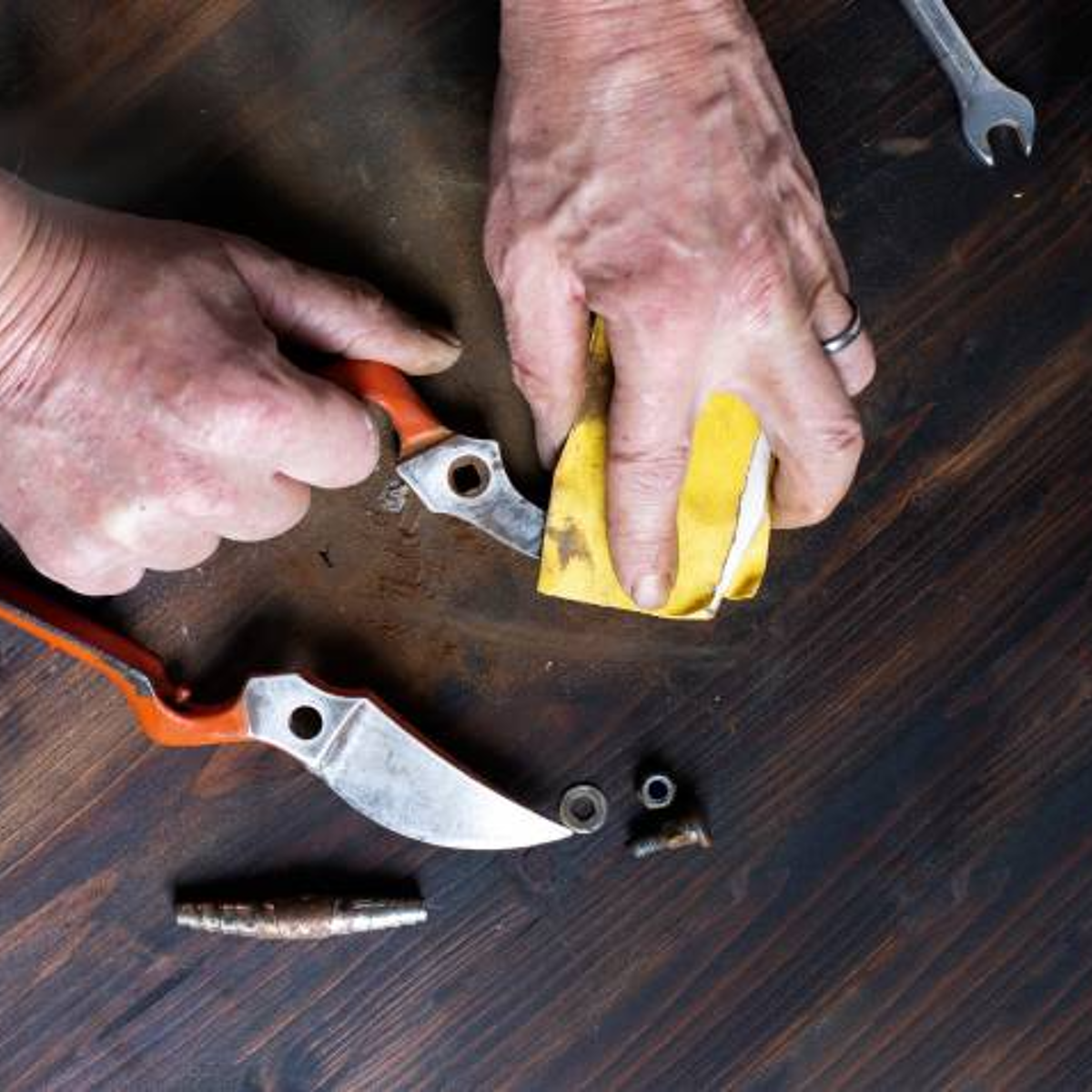
Credit: www.familyhandyman.com
Choosing The Right Tools
Using the right tools makes sharpening pruning knives easier and safer. It also helps keep the blade sharp for clean cuts on plants.
Different tools work best for different knife types and sharpening skills. Learning about your options helps you pick the best one.
Types Of Sharpening Tools
There are several tools to sharpen pruning knives. Each tool offers a unique way to restore the blade’s edge.
- Whetstones:Flat stones used with water or oil to grind the blade.
- Sharpening Rods:Cylindrical rods that realign the blade edge.
- Electric Sharpeners:Machines that quickly sharpen with rotating wheels.
- Diamond Files:Metal files with diamond grit for fine sharpening.
Selecting The Best Stone Or Sharpener
Choosing the right stone or sharpener depends on your knife and how sharp you want it. Different materials and grits fit different needs.
| Tool Type | Best For | Grit Level |
| Coarse Whetstone | Very dull blades | 200-400 |
| Medium Whetstone | Regular sharpening | 800-1000 |
| Fine Whetstone | Polishing edge | 3000-8000 |
| Diamond File | Hard metals | Fine to coarse |
| Electric Sharpener | Quick sharpening | Built-in grit |
Preparing The Knife
Sharpening your pruning knife starts with good preparation. A clean and well-inspected blade makes sharpening easier.
Take time to ready the knife before using any sharpening tools. This helps you get clean cuts when pruning.
Cleaning The Blade
Remove dirt, sap, and rust from the knife blade. A clean blade sharpens more evenly and safely.
Use warm water and soap with a soft cloth or brush. Dry the blade completely before sharpening.
- Soak the blade if sap is hard to remove
- Use steel wool gently to clear rust spots
- Wipe dry to avoid blade corrosion
Inspecting For Damage
Look closely at the blade edge for chips, cracks, or bends. Damaged blades need repair before sharpening.
Check the handle for looseness or damage. A secure handle keeps you safe while working.
- Find nicks or dents along the cutting edge
- Check if the blade is straight and not bent
- Test handle tightness and look for cracks
Sharpening Techniques
Keeping your pruning knives sharp helps you make clean cuts. Sharp blades reduce damage to plants and make work easier.
This guide covers the best ways to sharpen pruning knives for smooth, precise cutting.
Correct Angle For Sharpening
Hold the knife at a 20 to 30-degree angle to the sharpening surface. This angle keeps the edge strong and sharp.
Too steep an angle can damage the blade. Too flat an angle will not sharpen it well.
Using A Whetstone Step-by-step
A whetstone is a simple tool to sharpen pruning knives. Follow these steps for best results.
- Soak the whetstone in water for 5 to 10 minutes.
- Place the stone on a flat surface.
- Hold the knife at the correct angle.
- Move the blade in a circular motion across the stone.
- Sharpen both sides evenly.
- Rinse the blade and dry carefully.
Alternative Sharpening Methods
There are other ways to sharpen pruning knives. Choose one that fits your tools and skill level.
| Method | Tools Needed | Key Tip |
|---|---|---|
| Sharpening Rod | Steel rod | Use smooth, even strokes |
| Electric Sharpener | Electric device | Keep blade steady |
| Sharpening Stone | Coarse and fine stones | Wet stones before use |
Finishing The Edge
After sharpening your pruning knife, finishing the edge is very important. This step makes the blade smooth and ready for clean cuts.
A well-finished edge reduces damage to plants and makes pruning easier. Take your time to hone and test the blade carefully.
Honing For Smoothness
Honing smooths out tiny rough spots left after sharpening. Use a fine honing stone or leather strop for this step.
Move the blade gently along the honing tool at the same angle as sharpening. This keeps the edge even and sharp.
- Hold the knife steady
- Use light pressure
- Stroke the blade evenly
- Repeat 10 to 15 times each side
Testing The Sharpness
Test the knife edge to check if it cuts cleanly. A sharp blade cuts smoothly without tearing the plant.
Try cutting a thin branch or a leaf. If the blade cuts easily, the edge is sharp enough. If not, hone again or sharpen more.
- Cut a small branch about ¼ inch thick
- Check for smooth, clean cuts
- Look for any tearing or resistance
- Repeat honing if needed
Maintenance Tips
Keeping your pruning knives sharp helps you make clean cuts. Sharp knives are safer and work better. Proper maintenance extends their life.
Regular care involves cleaning, storing, and knowing when to resharpen. These steps keep your knives ready for use.
Regular Cleaning And Storage
Clean your pruning knives after each use. Remove dirt, sap, and moisture to stop rust. Use warm water and mild soap.
Dry the knives fully before storing. Store them in a dry place to avoid moisture damage. Use a sheath or blade cover for protection.
- Wipe blades with an oily cloth to prevent rust
- Keep knives away from damp areas
- Store knives separately to avoid blade damage
When To Resharpen
Resharpen your pruning knives when cutting feels hard or rough. Dull blades crush stems instead of cutting cleanly.
Check the blade edge often. If it looks dull or nicked, it is time to sharpen. Regular sharpening keeps cuts smooth and healthy.
- Sharpen when blade does not cut easily
- Check for small chips or damage on the edge
- Sharpen at least once every few months with frequent use

Credit: www.familyhandyman.com
Safety Precautions
Sharpening pruning knives needs care to avoid injuries. Safety comes first to keep your hands safe and work smooth.
Follow clear rules to handle blades and use the right protective gear. This helps prevent accidents and keeps the blade sharp.
Handling Sharp Blades
Always hold the pruning knife by the handle, never by the blade. Keep your fingers away from the cutting edge at all times.
- Check the blade for damage before sharpening.
- Use a stable surface to sharpen the knife.
- Move the blade away from your body while sharpening.
- Keep the blade clean and dry after sharpening.
- Store the knife safely with a blade cover or sheath.
Using Protective Gear
Wear gloves designed to resist cuts to protect your hands during sharpening. Eye protection prevents debris from hurting your eyes.
| Protective Gear | Purpose |
| Cut-resistant gloves | Protect hands from cuts |
| Safety glasses | Shield eyes from metal particles |
| Long sleeves | Protect arms from scratches |
| Non-slip shoes | Prevent slips and falls |
Credit: www.homesandgardens.com
Frequently Asked Questions
How Often Should Pruning Knives Be Sharpened?
Sharpen pruning knives after every few uses or when cuts become rough. Regular sharpening ensures clean, precise cuts and healthier plants. Frequent maintenance extends blade life and improves cutting efficiency.
What Tools Are Best For Sharpening Pruning Knives?
Use a sharpening stone, diamond file, or honing rod for best results. These tools effectively restore blade edges and maintain sharpness. Choose one that suits your skill level and knife type.
Can I Sharpen Pruning Knives At Home Safely?
Yes, sharpening pruning knives at home is safe with proper tools and care. Always follow instructions, use protective gloves, and work slowly. This practice saves money and keeps blades in top condition.
Why Are Clean Cuts Important When Pruning?
Clean cuts minimize plant damage and reduce infection risk. Sharp pruning knives create smooth cuts that heal faster. This promotes better growth and healthier plants overall.
Conclusion
Sharpening your pruning knives keeps your garden healthy and neat. Clean cuts help plants heal faster and avoid disease. Use the right tools and follow simple steps for sharp blades. Regular sharpening saves time and effort while pruning. Keep your knives safe and clean after each use.
Practice often to improve your skill and confidence. Enjoy easier, smoother pruning with sharper knives every season. Taking care of your tools means better results in your garden.