Are you looking to give your young plants the best start possible? Mulching might just be the secret weapon you need.
It’s not just about making your garden look tidy; it’s about creating a protective shield around your plants. Imagine a cozy blanket that keeps them safe from harsh weather, retains moisture, and even keeps pesky weeds at bay. Sounds good, right?
In this guide, we’ll uncover the simple steps to mulching around young plants for their ultimate protection. Stick with us, and you’ll discover how a few easy actions can transform your garden’s health and appearance. Ready to give your plants the care they deserve? Let’s dive in!

Credit: stantonins.com
Benefits Of Mulching Young Plants
Mulching young plants helps them grow stronger and healthier. It protects the plants from various problems in the garden.
Using mulch around young plants saves water, controls weeds, and improves soil quality. These benefits support better plant growth.
Moisture Retention
Mulch keeps the soil moist by reducing water evaporation. This means young plants get water for a longer time without frequent watering.
Weed Suppression
Mulch blocks sunlight from reaching weed seeds. This stops many weeds from growing and competing with your young plants.
- Prevents weed seeds from sprouting
- Reduces the need for hand weeding
- Keeps young plants safe from weed competition
Temperature Regulation
Mulch helps keep soil temperature steady. It cools the soil during hot days and warms it in cold nights for young plants.
| Season | Soil Temperature Effect |
| Summer | Keeps soil cool and prevents drying |
| Winter | Warms soil and protects roots from frost |
Soil Health Improvement
Mulch adds organic matter to the soil as it breaks down. This helps soil stay healthy and full of nutrients.
- Improves soil structure
- Increases beneficial microbes
- Enhances nutrient availability
- Reduces soil erosion
Credit: florasense.com
Choosing The Right Mulch
Mulching around young plants helps protect them from weeds and moisture loss. Picking the right mulch keeps plants healthy and growing well.
Different mulches suit different plants and garden conditions. Knowing your options helps you make the best choice.
Organic Mulch Options
Organic mulches come from natural materials. They improve soil health as they break down.
Common types include wood chips, straw, leaves, and compost. These mulches add nutrients to the soil over time.
- Wood chips keep moisture in and reduce weeds.
- Straw is light and easy to spread.
- Leaves add nutrients and improve soil texture.
- Compost enriches soil with organic matter.
Inorganic Mulch Options
Inorganic mulches do not break down quickly. They control weeds and keep soil temperature steady.
Examples include plastic sheets, gravel, and landscape fabric. These mulches need less frequent replacement.
- Plastic sheets warm soil and block weeds but limit water flow.
- Gravel helps with drainage and looks neat.
- Landscape fabric lets water pass while stopping weeds.
Factors To Consider
Choose mulch based on your plant needs and garden conditions. Consider soil type, moisture, and appearance.
Also think about how much maintenance you want. Some mulches last longer but may cost more.
- Soil type: Some mulches work better in sandy or clay soils.
- Water needs: Mulch should keep moisture but allow air flow.
- Plant type: Certain plants prefer specific mulch types.
- Appearance: Choose mulch that fits your garden style.
- Cost and availability: Pick mulch that fits your budget.
Preparing The Area Around Plants
Mulching young plants helps keep them safe and healthy. It protects roots and keeps moisture in the soil. Before adding mulch, prepare the area carefully.
Preparing the soil and clearing the space around plants makes mulching more effective. This guide shows simple ways to ready the ground.
Clearing Weeds And Debris
Remove all weeds and debris near the young plants. Weeds steal nutrients and water needed by your plants. Debris can hide pests and stop mulch from working well.
- Pull out weeds by hand or use a small tool.
- Clear fallen leaves, sticks, and old mulch.
- Dispose of all waste far from the planting area.
- Check the soil surface for any hidden pests.
Loosening The Soil
Loosen the soil around the plants to help roots grow better. Soft soil holds water and air well. Avoid digging too close to the base to protect roots.
| Tool | Use | Tip |
|---|---|---|
| Hand fork | Break compacted soil gently | Work in a circle around the plant |
| Trowel | Loosen small patches of soil | Be careful near roots |
| Hoe | Clear larger areas | Use shallow strokes |
Credit: florasense.com
Proper Mulching Techniques
Mulching helps young plants stay healthy and grow strong. It protects roots from temperature changes and keeps soil moist.
Using the right mulching method makes a big difference. It stops weeds and prevents damage to plant stems.
Correct Mulch Depth
Apply mulch with care. Too much mulch can stop air and water from reaching roots. Too little mulch will not protect the soil well.
- Use 2 to 3 inches of mulch around young plants.
- Keep mulch thinner near plant stems to avoid rot.
- Check mulch thickness regularly and add more if it breaks down.
Spacing From Plant Stems
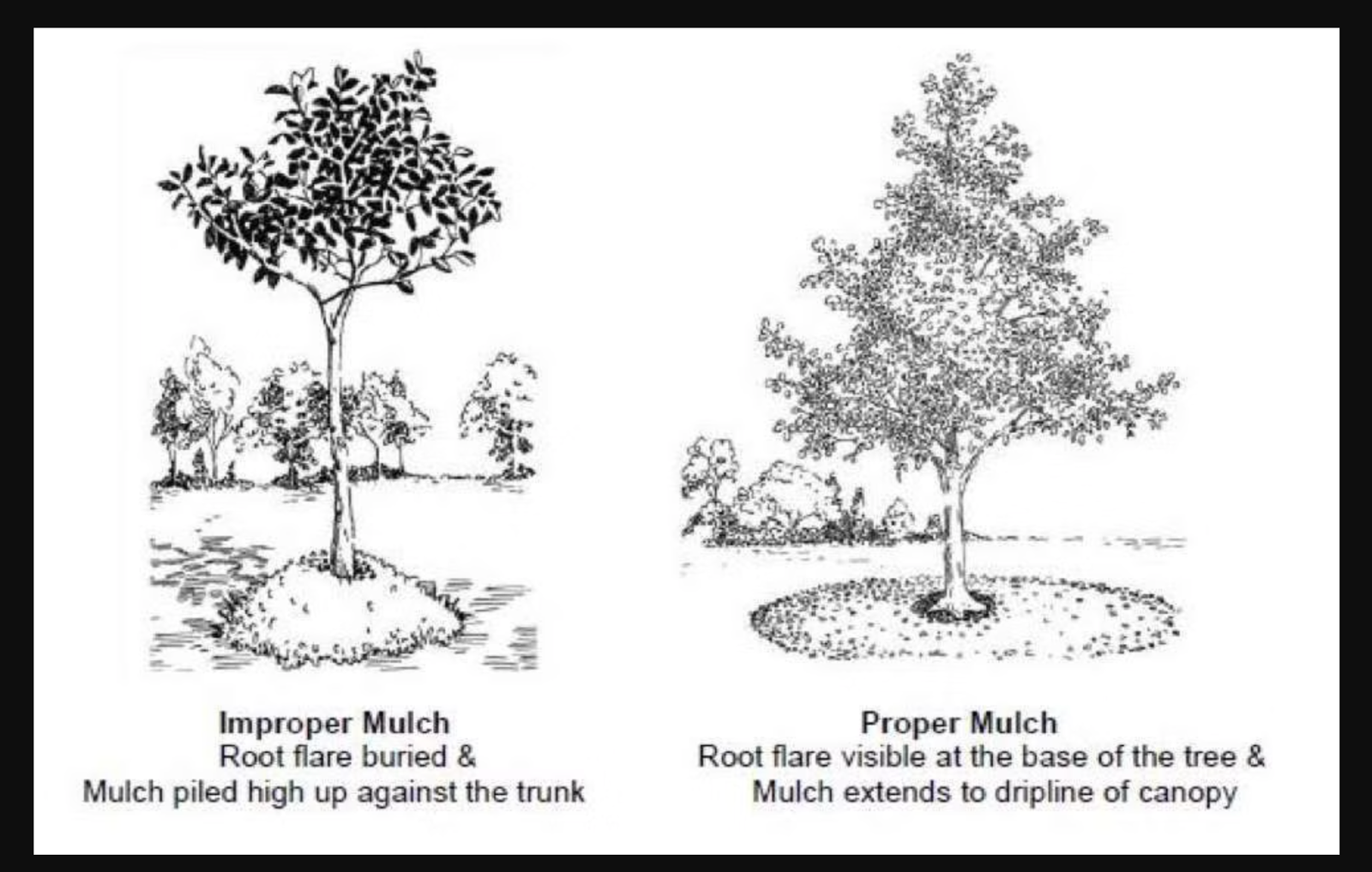
Leave space between the mulch and plant stems. Mulch touching stems may cause rot or pest problems.
| Plant Type | Space from Stem |
| Small seedling | 1 to 2 inches |
| Medium young plant | 3 inches |
| Larger young shrub | 4 to 6 inches |
Layering Methods
Layer mulch to build a good barrier against weeds and moisture loss. Use natural materials like straw, leaves, or wood chips.
Follow this layering method:
- Remove weeds and loosen soil first.
- Spread a thin layer of compost or soil amendment.
- Add the mulch on top, keeping the right depth.
Maintaining Mulch For Plant Health
Mulching keeps young plants safe and healthy. It protects roots from cold and stops weeds from growing.
Good care of mulch helps plants grow strong. You must check and fix mulch often to keep plants happy.
Regular Inspection
Look at the mulch around plants every week. Check if it is wet, dry, or missing in spots.
Remove any weeds or debris on the mulch. This lets water and air reach the soil well.
Replenishing Mulch
Add new mulch when the old layer gets thin. A 2 to 3 inch layer works best for protection.
Spread mulch evenly, but keep it away from plant stems. This stops rot and bugs from hurting plants.
- Check mulch depth monthly
- Add fresh mulch to keep 2-3 inches thick
- Keep mulch 2-3 inches away from stems
Avoiding Common Mistakes
Do not pile mulch too high near plants. This can cause stem rot and pest problems.
Avoid using mulch that holds too much water. It can drown the roots and cause disease.
- Do not mulch directly against plant stems
- Use dry, well-draining mulch types
- Keep mulch free of weeds and old debris
Seasonal Mulching Tips
Mulching helps protect young plants by keeping soil moist and safe. Using mulch correctly changes with the seasons.
Seasonal mulching guides help plants grow strong all year round. Learn how to mulch in spring, summer, fall, and winter.
Spring And Summer Care
Apply mulch in spring to keep soil warm and moist. Mulch helps stop weeds from growing near young plants.
In summer, keep mulch thick enough to hold moisture but not too thick. This lets air reach the soil.
- Use organic mulch like straw or wood chips
- Keep mulch about 2 to 3 inches deep
- Leave space around plant stems to stop rot
- Check mulch often and add more if it dries out
Fall And Winter Protection
In fall, add a thicker layer of mulch to protect roots from cold. Mulch acts like a blanket against frost.
Remove old mulch before winter to avoid mold and pests. Replace with fresh mulch for winter insulation.
- Apply 3 to 4 inches of mulch in fall
- Use leaves, straw, or bark for winter mulch
- Keep mulch away from plant crowns to prevent rot
- Remove mulch in early spring before new growth starts
Frequently Asked Questions
What Is The Best Mulch For Young Plants?
Organic mulches like straw, shredded leaves, or bark are best. They retain moisture, regulate temperature, and improve soil health effectively.
How Thick Should Mulch Be Around Young Plants?
Apply mulch in a 2-3 inch layer. Too thick can suffocate roots; too thin won’t retain moisture well.
When Is The Ideal Time To Mulch Young Plants?
Mulch young plants in early spring after planting. This protects roots from temperature swings and conserves moisture.
How Far Should Mulch Be Placed From Plant Stems?
Keep mulch 2-3 inches away from stems. This prevents stem rot and pest infestations while protecting the plant base.
Conclusion
Mulching young plants helps keep soil moist and stops weeds. It also protects roots from cold and heat. Use natural mulch like straw or wood chips for best results. Keep mulch a few inches away from plant stems to avoid rot.
Regularly check mulch to keep it fresh and effective. Mulching is a simple step that helps your plants grow strong and healthy. Give your garden this small care, and watch your plants thrive.