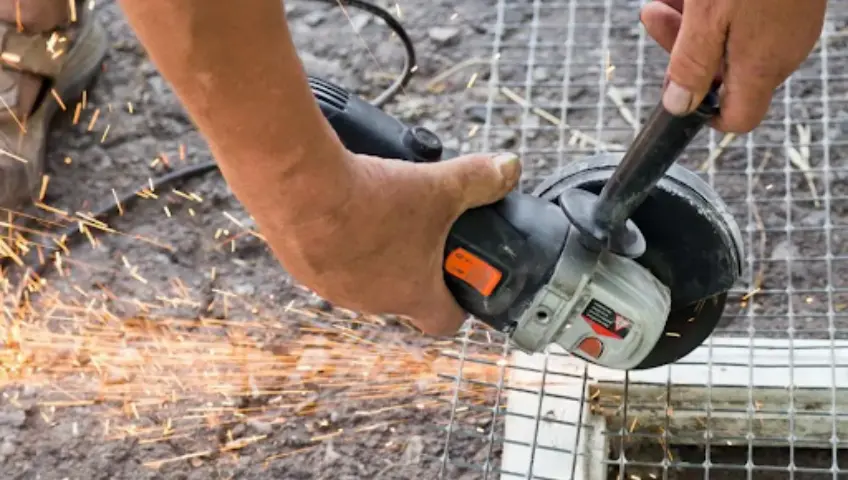
Are you tired of that grating noise coming from your angle grinder? Or perhaps you’ve noticed it’s not running as smoothly as it once did.
Maintaining your tools can feel like a chore, but the benefits are undeniable. Lubricating your angle grinder gears can significantly extend the life of your tool and ensure it performs at its best. Imagine cutting through materials with ease, without the annoying clunking sounds.
In this guide, you’ll discover simple steps to keep your angle grinder in top shape, saving you time, money, and the hassle of frequent repairs. Dive in to learn how a small effort can make a big difference in your DIY projects and professional tasks. Your angle grinder deserves the best care, and so do you.

Credit: manuals.plus
Choosing The Right Lubricant
Keeping your angle grinder gears well-lubricated helps the tool last longer. Picking the right lubricant is important for smooth operation.
Different lubricants work best for different needs. Understanding these options helps protect your angle grinder.
Types Of Lubricants For Angle Grinders
You can use grease or oil to lubricate angle grinder gears. Grease is the most common choice.
- Grease:Thick and stays in place, good for heavy use.
- Oil:Thinner and flows easily, less common for gears.
- High-temperature grease:Works well when the grinder gets very hot.
- Water-resistant grease:Protects gears if you work in damp areas.
Benefits Of High-quality Grease
High-quality grease lasts longer and protects better. It reduces wear and keeps gears moving smoothly.
Good grease also resists heat and water. This keeps your grinder running well in tough conditions.
- Reduces friction and wear
- Works well under high heat
- Protects against rust and moisture
- Stays in place without leaking
Avoiding Common Lubrication Mistakes
Using the wrong lubricant can damage your angle grinder gears. Avoid using grease that is too thin or too thick.
Do not overfill the gear housing with grease. Too much grease causes heat build-up and slows the grinder.
- Choose grease made for power tools
- Clean old grease before adding new
- Apply the right amount of lubricant
- Do not mix different types of grease
Credit: www.youtube.com
Preparing The Angle Grinder
Lubricating the gears of your angle grinder helps it run smoothly. Proper preparation makes the process easier and safer.
Before adding grease, you must open the gear housing, clean old grease, and check the gears for damage.
Disassembling The Gear Housing
First, unplug the angle grinder. Remove the disc and any attachments. Use a screwdriver to take off the screws holding the gear housing cover. Carefully lift the cover to expose the gears inside.
Cleaning Old Grease And Debris
Old grease can harden and trap dust and debris. Clean the gears thoroughly to prepare for new lubrication.
- Use a brush to remove loose dirt and dust.
- Wipe off old grease with a clean cloth.
- Apply a small amount of solvent if grease is thick.
- Let the parts dry completely before adding new grease.
Inspecting Gears For Wear And Damage
Check each gear tooth for cracks, chips, or wear. Look for uneven surfaces or broken teeth. Damaged gears can cause noise and reduce tool life.
| Gear Condition | Signs | Action |
| Good | Teeth intact, smooth surface | Ready for lubrication |
| Worn | Rounded edges, slight wear | Consider replacement soon |
| Damaged | Cracks, chips, broken teeth | Replace immediately |
Applying Lubricant Effectively
Lubricating angle grinder gears keeps them running smoothly. Proper lubrication reduces wear and noise.
Applying grease correctly helps extend the tool’s life. This guide covers key points for good lubrication.
Proper Amount Of Grease To Use
Use just the right amount of grease on the gears. Too little can cause friction and damage.
Too much grease can attract dust and make the motor work harder. Apply a thin, even layer.
- Cover gear teeth lightly but fully
- A pea-sized amount per gear is usually enough
- Avoid overfilling the gear housing
Techniques For Even Coverage
Spread the grease evenly over all gear surfaces. Use a small brush or your finger with gloves.
Rotate the gears slowly to help spread the grease inside the housing. This ensures full coverage.
- Apply grease in small spots around each gear tooth
- Rotate gears by hand to distribute the grease
- Check for any dry or thick spots and adjust
Reassembling The Gear Housing
After lubrication, put the gear housing back carefully. Make sure no grease spills out during reassembly.
Tighten all screws firmly but avoid overtightening. Test the grinder to check smooth gear movement.
- Align gear housing parts properly
- Secure all bolts and screws evenly
- Check for unusual noise or resistance
Maintenance Tips For Longevity
Keeping your angle grinder gears well-lubricated helps the tool last longer. Proper care prevents wear and tear on the gears.
Regular maintenance saves money and improves safety. Follow simple steps to protect your angle grinder’s gears.
Lubrication Frequency
Apply grease to the angle grinder gears often. Check the user manual for the recommended schedule. If you use the tool daily, grease it every week.
- Clean the gears before applying grease.
- Use high-quality grease suited for angle grinders.
- Do not over-lubricate; excess grease can attract dirt.
- Inspect gears regularly for dryness or rust.
Signs Of Gear Problems
Knowing the warning signs helps you fix issues early. Look for unusual noises, grinding sounds, or overheating during use.
| Symptom | Possible Cause | Action Needed |
| Grinding Noise | Dry or worn gears | Clean and re-lubricate gears |
| Overheating | Excess friction | Check grease and gear alignment |
| Loose Parts | Damaged gear teeth | Replace damaged parts |
| Slow Rotation | Debris or rust buildup | Clean gears thoroughly |
Storage And Handling Best Practices
Store your angle grinder in a dry, clean place to protect gears from rust. Avoid dropping the tool or exposing it to dust.
- Keep the grinder in a case or toolbox.
- Wipe off grease and dirt after each use.
- Handle the tool gently to avoid gear damage.
- Check lubrication before long storage periods.
Troubleshooting Common Issues
Lubricating angle grinder gears helps keep your tool running smoothly. Sometimes, problems happen even with regular care. This guide explains how to fix common issues.
Knowing what to look for saves time and prevents damage. Check these signs to keep your angle grinder working well.
Noisy Or Grinding Gears
Noise or grinding sounds mean your angle grinder gears need attention. Lack of lubrication or dirt buildup can cause this problem. Inspect the gears for wear or damage.
- Clean old grease and debris from the gears
- Apply fresh, proper lubricant to all gear teeth
- Check for broken or worn gear teeth and replace if needed
- Ensure the gear housing is secure and not loose
Overheating Problems
Overheating can damage your angle grinder and reduce its life. It often happens from poor lubrication or heavy use without breaks. Watch the temperature and stop if it feels too hot.
| Cause | Effect | Solution |
| Insufficient grease | Friction rises, gears heat up | Apply correct grease regularly |
| Dirt inside gears | Blockage causes heat build-up | Clean gears and housing |
| Overloading tool | Motor and gears strain | Use tool within limits, rest often |
When To Replace Parts
Replacing worn parts keeps your angle grinder safe and effective. Look for cracks, chips, or heavy wear on gears and other components. Replace parts if they do not work smoothly or cause noise.
Signs you need to replace parts:
- Visible damage on gear teeth
- Gears slip or don’t mesh well
- Persistent noise after lubrication
- Grinding feels rough or uneven

Credit: www.amazon.com
Frequently Asked Questions
How Often Should I Lubricate Angle Grinder Gears?
Lubricate angle grinder gears every 3 to 6 months. Frequent use may require more regular lubrication. Proper grease prevents wear and extends gear life.
What Type Of Grease Is Best For Angle Grinder Gears?
Use high-quality, lithium-based or synthetic grease designed for metal gears. Avoid low-quality or general-purpose lubricants to ensure optimal protection and performance.
Can I Lubricate Angle Grinder Gears Myself?
Yes, lubricating angle grinder gears is a simple DIY task. Follow the user manual, clean the gears, and apply grease evenly for best results.
What Are Signs My Angle Grinder Gears Need Lubrication?
Signs include unusual noise, overheating, and reduced performance. If your grinder feels stiff or makes grinding sounds, it likely needs gear lubrication.
Conclusion
Proper lubrication keeps your angle grinder running smoothly. It prevents wear and extends gear life. Regular care saves money on repairs. Use the right grease for best results. Clean gears before applying lubricant. Check and reapply often for consistent performance.
A well-maintained grinder works safer and lasts longer. Simple steps make a big difference in tool health. Keep your angle grinder ready for any job. Small effort, big benefits.