Imagine stepping into your garden, greeted by the sweet fragrance of roses blooming with vibrant colors. You’ve nurtured them, watered them, and watched them grow.
Yet, to keep them flourishing year after year, there’s one crucial task you must master: pruning. Pruning roses might seem daunting at first, but it’s the secret to ensuring your roses have healthy, strong stems capable of supporting an abundance of beautiful blossoms.
By learning how to prune effectively, you not only enhance the beauty of your garden but also foster the health and longevity of your beloved plants. In this guide, we’ll demystify the art of rose pruning, empowering you with simple techniques to help your roses thrive. Ready to transform your rose garden into a stunning floral paradise? Let’s get started!
Credit: www.swansonsnursery.com
Choosing The Right Time
Pruning roses at the right time helps keep stems healthy and strong. It also encourages better blooms and growth.
Knowing when to prune depends on the season and signs from the plant itself. This guide explains when to prune for best results.
Seasonal Pruning Windows
Roses have specific times each year when pruning is most effective. Pruning too early or late can harm the plant.
- Late winter to early spring, before new growth starts, is the best time for most roses.
- After the first bloom in summer, light pruning can help encourage more flowers.
- In fall, avoid heavy pruning to protect roses from winter damage.
- Remove dead or damaged stems anytime during the growing season.
Signs Roses Are Ready
Look for these signs to know if your roses are ready for pruning. Correct timing keeps stems healthy and promotes growth.
| Sign | What to Check | Reason to Prune |
| Swelling Buds | Small green or red buds at stem tips | Indicates new growth is about to start |
| Firm Stems | Stems feel hard, not brittle or soft | Shows plant is waking from dormancy |
| Healthy Bark | Bark is smooth and green under outer layer | Means stems are alive and can grow |
| Dead Wood | Brown, dry, or cracked stems | Needs removal to prevent disease |
Essential Tools
Pruning roses helps keep stems strong and plants healthy. Using the right tools makes pruning easier and safer.
Before you start, gather tools that fit the job. This saves time and protects your roses from damage.
Pruning Shears Selection
Choose pruning shears that cut cleanly and fit your hand well. Sharp blades reduce stem damage and help plants heal faster.
- Bypass shears are best for cutting live stems.
- Anvil shears work well for dry or dead branches.
- Look for shears with a comfortable grip.
- Keep blades sharp for easy cutting.
Safety Gear
Wear safety gear to protect yourself from thorns and sharp tools. Proper gear keeps pruning safe and comfortable.
| Safety Item | Purpose |
|---|---|
| Gloves | Protect hands from thorns and scratches |
| Long-sleeve shirt | Shield arms from cuts and irritation |
| Eye protection | Prevent injury from flying debris |
| Closed-toe shoes | Keep feet safe from dropped tools |
Preparing The Plant
Pruning roses helps keep the stems healthy and strong. Before cutting, prepare the plant well.
Good preparation makes pruning easier and protects the rose bush from damage.
Cleaning The Area
Clear the ground around the rose bush. Remove fallen leaves and debris to stop pests and diseases.
Use gloves and a small rake to clean carefully. A tidy area helps you see the stems clearly.
- Remove dead leaves from the soil
- Clear old petals and plant scraps
- Keep the base of the plant free from debris
Removing Dead Wood
Look for dry or brown stems that no longer grow. These dead parts can harm the plant.
Cut dead wood back to healthy tissue. This helps the plant focus on new growth.
- Find stems that are brittle or dark brown
- Use clean pruning shears to cut at an angle
- Remove all dead wood to improve air flow
Pruning Techniques
Pruning roses helps keep their stems healthy and strong. It removes old or weak parts and encourages new growth.
Using the right pruning techniques improves the shape and air flow around the plant. This reduces disease risk.
Cutting At The Correct Angle
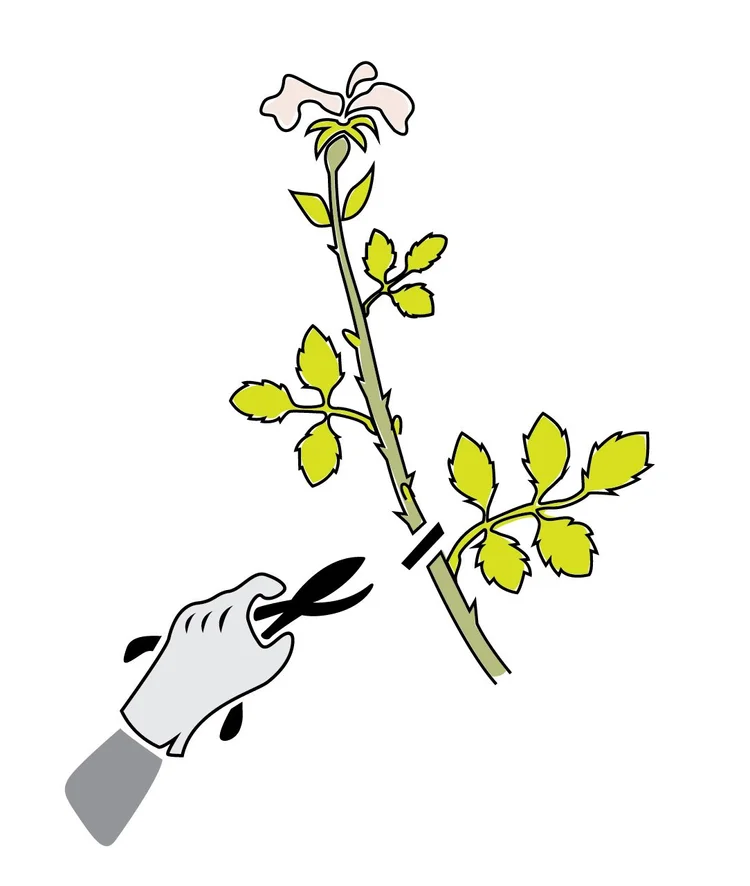
Cut stems at a 45-degree angle just above a bud. This helps water run off the cut and stops rot.
Make clean cuts with sharp tools to avoid crushing the stem. This speeds up healing and growth.
- Cut 1/4 inch above an outward-facing bud
- Angle the cut away from the bud
- Use sharp, clean pruning shears
- Avoid tearing or crushing stems
Trimming For Shape And Airflow
Trim branches to keep a balanced shape. This helps the plant look neat and grow evenly.
Remove crowded stems to let air flow through the plant. Good airflow lowers fungus and pest problems.
- Cut back crossing or crowded branches
- Open the center of the plant for air circulation
- Keep the rose bush balanced and open
- Remove dead or weak stems
Promoting Healthy Growth
Pruning roses helps keep the plant strong and healthy. Cutting old stems lets new growth come in.
Good pruning improves air flow and sunlight, which roses need to thrive. It also stops disease and pests.
Encouraging New Stems
Cut back old or weak stems to make room for new ones. Use sharp pruners to make clean cuts.
Prune just above a leaf bud that faces outward. This helps the stem grow away from the center.
- Remove dead or thin stems
- Cut stems at a 45-degree angle
- Leave healthy, strong stems for growth
Managing Disease And Pests
Pruning removes old stems where pests and diseases hide. Keep the plant clean and open.
Clear away fallen leaves and cuttings. This reduces the chance of infection and insect problems.
- Cut out any stems with signs of disease
- Dispose of cuttings far from the rose bush
- Check for pests regularly after pruning
Aftercare Tips
Pruning roses is important for healthy stems. After pruning, proper care helps your roses grow strong.
Good aftercare includes watering and feeding your roses correctly. This keeps the plants healthy and blooms vibrant.
Watering Strategies
Water your roses deeply after pruning. This helps roots absorb enough moisture for new growth.
Water in the morning to reduce leaf diseases. Avoid wetting the leaves to keep stems healthy.
- Water at the base of the plant
- Use about 1 to 2 inches of water per week
- Adjust watering during hot or dry weather
Fertilizing For Strength
Feed your roses with a balanced fertilizer after pruning. This supports strong stems and healthy leaves.
Use fertilizer with nitrogen, phosphorus, and potassium for best results. Follow package instructions for safe use.
- Apply fertilizer every 4 to 6 weeks during growing season
- Use organic compost or slow-release fertilizers
- Water plants after applying fertilizer to help absorption
Common Mistakes To Avoid
Pruning roses is important for healthy stems and flowers. Some mistakes can harm the plant.
Knowing what to avoid helps your roses grow strong and beautiful all season long.
Over-pruning Risks
Cutting too much can weaken the rose bush. Over-pruning removes too many stems and leaves.
This can slow growth and reduce flower production. The plant may also get sick easier.
- Leaves make food for the plant through photosynthesis
- Removing too many leaves lowers energy for growth
- Over-pruning can expose stems to sunburn or frost damage
- It can cause stress, making the rose less healthy
Ignoring Plant Signals
Roses show signs when they need pruning or care. Ignoring these signals harms the plant.
Look for weak or dead stems, and cut them promptly. Watch for new growth to guide pruning.
- Dead stems slow down the plant’s growth
- Weak stems can break easily and waste energy
- New growth shows where to prune for best health
- Ignoring signals can cause poor flowering and disease
Credit: howtogrowandtips.com

Credit: m.youtube.com
Frequently Asked Questions
How Often Should I Prune Roses For Healthy Stems?
Prune roses annually, typically in early spring. This timing promotes strong stem growth and healthy blooms. Regular pruning removes dead or weak stems, improving air circulation and plant vigor.
What Tools Do I Need To Prune Rose Stems Properly?
Use sharp bypass pruners, gloves, and disinfectant. Sharp tools make clean cuts, reducing stem damage and disease risk. Always sterilize tools before use to prevent infection.
How Do I Identify Which Rose Stems To Prune?
Cut away dead, diseased, or crossing stems. Remove weak or thin growth to focus energy on healthy, strong stems. Look for stems with healthy green tissue near the base.
Can Pruning Roses Improve Flower Production?
Yes, pruning encourages new growth and more blooms. Removing old stems stimulates fresh shoots, which produce better flowers. Proper pruning balances plant energy for optimal flowering.
Conclusion
Pruning roses helps keep stems strong and healthy. Cut old and weak branches to let new growth start. Use clean tools to avoid plant damage. Regular trimming encourages more flowers and better shape. Watch your roses closely to know when to prune.
Healthy stems mean beautiful blooms all season long. Practice these simple steps to enjoy thriving rose bushes. Your garden will thank you with vibrant, fresh roses. Keep it simple and steady for best results.