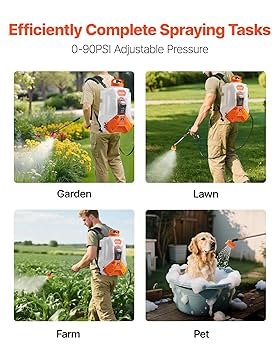
Picture this: it’s a sunny morning, and you’re ready to give your garden the care it deserves. You grab your trusty garden sprayer, but somehow, things don’t go as smoothly as you’d hoped.
Sound familiar? You’re not alone. Many garden enthusiasts like you have faced the same challenge. But what if you could master the art of using your garden sprayer with ease and efficiency? In this guide, you’ll discover simple yet powerful tips to transform your garden-spraying routine.
Imagine a lush, vibrant garden, thriving because you’ve perfected this essential skill. By the end of this article, you’ll have the confidence and know-how to make the most out of your garden sprayer, ensuring every drop counts. Let’s dive in and unlock the secrets to a flourishing garden!

Credit: www.buyspraymate.com
Choosing The Right Sprayer
Using a garden sprayer helps keep plants healthy. Picking the right sprayer saves time and effort.
Different sprayers work better for different garden sizes and tasks. Consider your needs before buying.
Types Of Garden Sprayers
There are several types of garden sprayers. Each type suits different uses and plants.
- Handheld sprayers are small and easy to use for light tasks.
- Pump sprayers hold more liquid and spray evenly over larger areas.
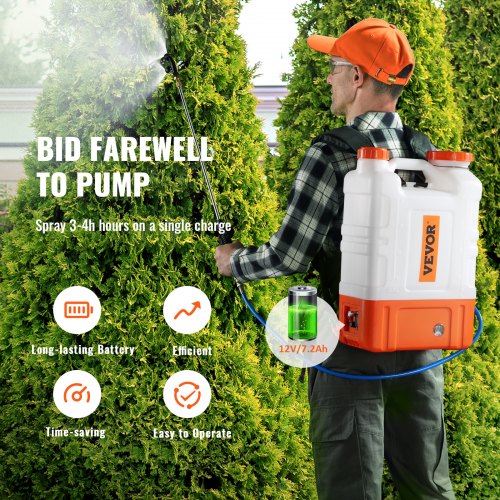
- Backpack sprayers let you carry more liquid and cover big gardens quickly.
- Hose-end sprayers connect to your garden hose for fast spraying.
Selecting Based On Garden Size
Small gardens need sprayers that are easy to carry and refill. Handheld sprayers work well here.
Medium gardens benefit from pump sprayers. They hold enough liquid and cover more plants.
Large gardens or farms need backpack or hose-end sprayers. These cover wide areas faster.
- Small gardens: handheld sprayers
- Medium gardens: pump sprayers
- Large gardens: backpack or hose-end sprayers
Material And Durability
Choose sprayers made from strong materials like high-quality plastic or metal. They last longer.
Check for parts that resist rust and cracks. Durable sprayers save money over time.
- Plastic sprayers are light and affordable but may break easily.
- Metal sprayers are stronger and last longer but can be heavier.
- Look for sprayers with sealed pumps to avoid leaks.

Credit: www.youtube.com
Preparing The Sprayer
Using a garden sprayer correctly helps you apply solutions evenly. Preparing the sprayer well saves time and avoids problems.
Start by cleaning, mixing, and filling the sprayer carefully. These steps ensure better spraying results.
Cleaning Before Use
Clean the sprayer before each use to remove old chemicals. This prevents clogging and harmful mixing.
Rinse the tank, nozzle, and hose with water. Use a brush if needed to clear dirt or residue.
- Empty any leftover solution
- Flush the tank with clean water
- Check and clean the nozzle holes
- Wipe external parts to remove dust
Mixing Solutions Correctly
Follow product instructions to mix chemicals in the sprayer. Use the right amounts to avoid damage to plants.
Always mix solutions in a clean container first. Stir gently to dissolve powders or liquids fully.
- Wear gloves to protect your skin
- Measure chemicals and water precisely
- Mix outdoors or in a ventilated area
- Pour mixed solution slowly into the tank
Filling The Tank Safely
Fill the sprayer tank on a flat surface to avoid spills. Use a funnel to pour liquids safely.
Do not overfill the tank. Leave space for pressure and shaking if needed.
- Wear protective clothing and eyewear
- Fill with water first, then add mixed solution
- Secure the tank lid tightly after filling
- Check for leaks before starting to spray
Spraying Techniques
Using a garden sprayer correctly helps keep your plants healthy. Good spraying methods save time and reduce waste.
Learn how to adjust settings, keep the right distance, and choose the best weather for spraying.
Adjusting Nozzle Settings
Set the nozzle to spray the right pattern for your plants. Different sprays suit different jobs.
- Use a fine mist for delicate plants.
- Choose a wider spray for large areas.
- Adjust pressure to control droplet size.
- Check the nozzle regularly for clogs.
Maintaining Proper Distance
Hold the sprayer at the right distance to cover plants evenly. Too close can cause damage.
| Distance | Effect |
| Less than 12 inches | May harm leaves or flowers |
| 12 to 18 inches | Best coverage and safety |
| More than 18 inches | Uneven spraying, waste of product |
Spraying In Suitable Weather
Choose calm, dry days for spraying. Wind or rain can reduce effectiveness.
- Spray early morning or late afternoon.
- Avoid windy conditions to prevent drift.
- Do not spray before rain to avoid wash-off.
- Check temperature; avoid spraying in heat above 85°F.
Safety Measures
Using a garden sprayer needs careful attention to safety. Protecting yourself and others is very important. Follow simple safety steps to avoid accidents and harm.
Understanding how to handle chemicals and store equipment properly helps keep your garden and home safe. Learn what gear to wear and how to act safely.
Protective Gear Essentials
Wear the right protective gear to avoid contact with chemicals. This gear keeps your skin, eyes, and lungs safe from sprays and fumes.
- Long-sleeved shirts and long pants to cover your skin
- Waterproof gloves to protect your hands
- Safety goggles to shield your eyes
- A mask or respirator to avoid breathing in chemicals
- Closed-toe shoes or boots to protect your feet
Safe Handling Of Chemicals
Handle chemicals with care to avoid spills and accidents. Always read the label for instructions and warnings before use.
| Do | Don’t |
| Wear protective gear | Mix chemicals without instructions |
| Use chemicals in a well-ventilated area | Spray near people, pets, or food |
| Keep chemicals away from children | Touch your face or eat while spraying |
| Wash hands after use | Pour leftover chemicals down drains |
Storage And Disposal Tips
Store garden chemicals safely to prevent leaks and accidents. Dispose of unused chemicals and containers properly to protect the environment.
Storage Tips:
- Keep chemicals in original containers with labels
- Store in a cool, dry place away from children and pets
- Do not mix different chemicals in one container
Disposal Tips:
- Follow local rules for hazardous waste disposal
- Never pour chemicals into water or soil
- Use up chemicals fully or take them to a disposal site
Maintaining Your Sprayer
Keeping your garden sprayer in good shape helps it last longer. Proper care makes sure it works well every time you use it.
Regular maintenance saves money and keeps your plants safe from damage or chemicals.
Routine Cleaning
Clean your sprayer after each use to remove leftover chemicals. This stops clogs and protects the parts.
Flush the tank with clean water and spray it through the nozzle until clear water comes out.
- Empty the tank completely
- Fill with clean water and shake well
- Spray water through the nozzle to clear tubes
- Wipe the outside with a damp cloth
- Let all parts dry before storing
Checking For Leaks
Check your sprayer for leaks before each use. Leaks can waste chemicals and harm plants or people.
Look at hoses, seals, and nozzles for cracks or damage. Replace any broken parts quickly.
- Inspect all connections and seals
- Look for cracks or holes in hoses
- Test the sprayer by pumping and spraying water
- Tighten loose fittings
- Replace damaged parts as needed
Storing For Longevity
Store your sprayer in a dry, cool place away from sunlight. Proper storage stops parts from wearing out.
Remove all liquids before storage. Keep the sprayer clean and dry to avoid rust and damage.
- Empty and clean the tank completely
- Remove or loosen pressure
- Store indoors or in a shaded area
- Keep away from freezing temperatures
- Cover the sprayer to keep dust off
Credit: www.vevor.ca
Troubleshooting Common Issues
Using a garden sprayer can save time and effort. Sometimes, problems may stop it from working well.
Knowing how to fix common issues helps keep your sprayer running smoothly.
Fixing Clogs
Clogs block the spray nozzle or hose and reduce spray flow. Dirt, debris, or old chemicals often cause clogs.
- Remove the nozzle and rinse it with clean water.
- Use a small brush or toothpick to clear any stuck particles.
- Flush the hose with water to remove internal blockages.
- Check the filter and clean or replace it if dirty.
- Always clean the sprayer after each use to prevent clogs.
Dealing With Uneven Spray
Uneven spray happens when the nozzle is damaged or dirty. It leads to poor coverage on plants.
| Cause | Fix |
| Worn or cracked nozzle | Replace nozzle with a new one |
| Nozzle blocked partially | Clean nozzle with water and brush |
| Incorrect nozzle type | Use a nozzle suited for your spray needs |
| Pressure too low | Check pump and increase pressure |
Handling Pressure Problems
Pressure problems stop the sprayer from working correctly. Pressure may be too low or too high.
- Check the pump for leaks or damage.
- Tighten all connections to prevent air leaks.
- Make sure the sprayer tank is sealed properly.
- Do not overfill the tank to avoid pressure issues.
- Test the pressure gauge if your sprayer has one.
- Replace worn seals or valves if pressure drops.
Frequently Asked Questions
How Do I Prepare A Garden Sprayer For Use?
First, clean the sprayer thoroughly to avoid contamination. Fill it with the recommended mixture of water and solution. Secure the lid tightly. Prime the pump by pressing it several times. Check for leaks before starting to spray your garden.
What Is The Best Way To Spray Plants Evenly?
Hold the nozzle about 12-18 inches from the plants. Use a steady, sweeping motion to cover all surfaces. Avoid spraying on windy days to prevent drift. Adjust the nozzle for a fine mist for even coverage.
How Often Should I Clean My Garden Sprayer?
Clean your sprayer after every use. Rinse it with clean water and spray until empty. This prevents clogging and prolongs its life. Regular maintenance ensures efficient spraying and protects your plants from contamination.
Can I Use Any Liquid In A Garden Sprayer?
Only use liquids recommended for garden sprayers, like pesticides or fertilizers. Avoid thick or oily substances that can clog the nozzle. Always follow manufacturer guidelines and safety instructions when mixing solutions.
Conclusion
Using a garden sprayer carefully saves time and protects plants. Always check the nozzle and pressure before starting. Wear gloves and avoid spraying on windy days. Clean the sprayer after use to keep it working well. Following these steps helps your garden grow healthy and strong.
A little care makes a big difference in gardening. Try these tips for better results next time you spray. Enjoy a lush garden with less effort and worry.