
Are you tired of your belt sander not performing at its best? Imagine how much smoother your projects could go if your tools were always ready to work as hard as you do.
Proper maintenance is the key to extending the life of your belt sander and ensuring it delivers top-notch results every time. But where do you start? This guide will walk you through simple yet effective tips to keep your belt sander in peak condition.
You’ll discover easy-to-follow steps that save you time and money, making your DIY projects and professional tasks a breeze. Don’t miss out on these essential insights that could transform your sanding experience. Ready to unlock the secrets of efficient belt sander maintenance? Keep reading!
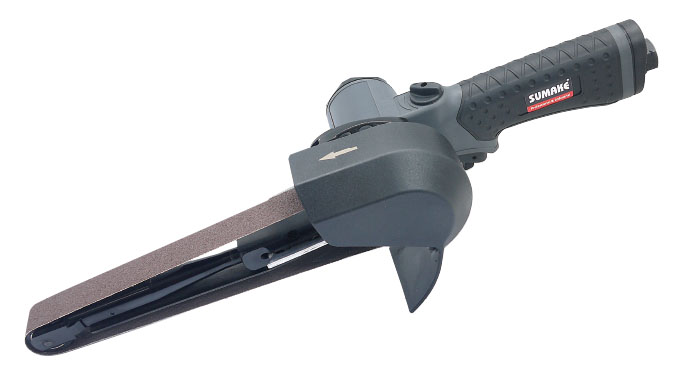
Credit: www.sumake.com
Choosing The Right Belt
Choosing the right sanding belt helps your belt sander work well. It also makes your work smoother and faster.
Pick a belt that fits your sander and the job you need. The right belt saves time and keeps your tool safe.
Types Of Sanding Belts
Sanding belts come in different types. Each type suits different materials and tasks.
- Aluminum Oxide: Good for wood and metal.
- Garnet: Best for wood sanding.
- Silicon Carbide: Works well on metal and plastic.
- Zirconia Alumina: Strong and lasts longer on tough metals.
Material Compatibility
Choose a belt that matches the material you want to sand. Using the wrong belt can damage the material or belt.
- Wood: Use aluminum oxide or garnet belts.
- Metal: Select zirconia alumina or silicon carbide belts.
- Plastic: Use silicon carbide belts for smooth sanding.
Grit Selection
Grit size controls how rough or smooth the sanding is. Low grit is rough, high grit is smooth.
| Grit Size | Use |
|---|---|
| 40-60 | Remove paint or shape wood fast |
| 80-120 | Smooth wood or metal surfaces |
| 150-220 | Finish work and fine sanding |
Regular Cleaning Practices
Keeping your belt sander clean helps it work better and last longer. Dirt and dust can slow it down or cause damage.
Regular cleaning stops buildup and keeps all parts running smoothly. It also makes sanding safer and easier.
Removing Dust And Debris
Dust and debris collect quickly on a belt sander. Removing them often prevents clogs and overheating.
Use a brush or cloth to wipe off dust from all surfaces. Pay special attention to vents and moving parts.
- Turn off and unplug the sander first
- Use a soft brush for vents and crevices
- Wipe down the exterior with a dry cloth
- Clear any dust traps or collection bags
Using Compressed Air
Compressed air helps blow dust out from hard-to-reach places. It cleans inside the sander without disassembling it.
Always wear safety glasses and use short bursts of air. Keep the nozzle a few inches away to avoid damage.
- Unplug the sander before using compressed air
- Blow air into vents and motor housing
- Clear dust from belt tracking area
- Use outdoors or in a well-ventilated space
Cleaning Belt And Drum
Cleaning the belt and drum keeps sanding smooth and efficient. Dust buildup can cause uneven sanding.
Use a rubber cleaning stick to remove residue from the belt. Wipe the drum with a cloth to clear dust and particles.
- Turn off and unplug the sander
- Remove or loosen the belt for better access
- Rub the cleaning stick across the belt while it moves
- Wipe the drum with a dry cloth after cleaning
Proper Belt Installation
Installing a belt on a sander correctly helps it work smoothly. A well-installed belt lasts longer and sands evenly.
Follow simple steps to make sure the belt fits right and stays in place during use.
Aligning The Belt
Start by placing the belt on the sander’s rollers. Make sure the belt sits straight and is centered. A misaligned belt can cause uneven sanding and damage.
Use the adjustment knobs or levers to move the belt left or right until it runs smoothly in the middle of the rollers.
Tension Adjustment
The belt needs the right tension to work well. Too loose, and it will slip. Too tight, and it may wear out fast.
- Turn off the sander and unplug it for safety.
- Locate the tension adjustment lever or knob.
- Adjust it until the belt feels firm but not too tight.
- Check if the belt moves slightly when pressed; it should not be loose.
Checking Tracking
Tracking means the belt stays centered as it moves. Check tracking by turning the sander on and watching the belt.
| Problem | Cause | Fix |
|---|---|---|
| Belt moves off to one side | Tracking knob is not set right | Turn the tracking knob slowly until belt centers |
| Belt slips or jumps | Tension too loose | Tighten the tension lever slightly |
| Belt wears unevenly | Misalignment or tracking issue | Re-align belt and adjust tracking |
Lubrication And Parts Care
Keeping your belt sander in good shape helps it work well and last longer. Regular care of its parts stops problems.
Lubrication and checking parts are key steps. These keep the sander running smoothly and safely.
Lubricating Moving Components
Moving parts like the drive belt and rollers need oil or grease to reduce friction. This stops wear and tear.
Use light machine oil or grease made for power tools. Apply it carefully to avoid dirt build-up.
- Clean parts before lubricating
- Apply a small amount of lubricant
- Wipe off extra oil or grease
- Lubricate regularly after heavy use
Inspecting Bearings
Bearings help parts spin smoothly. Check them often for noise or rough movement.
If bearings feel loose or noisy, they may need cleaning or replacement. This keeps the sander safe and efficient.
- Listen for grinding sounds
- Check for wobbling or play
- Clean bearings with a soft brush
- Lubricate after cleaning
Replacing Worn Parts
Parts like belts, rollers, and bearings wear out with use. Replace them to keep your sander working well.
Using worn parts can cause damage or poor sanding results. Check parts often and have new ones ready.
- Inspect belts for tears or frays
- Check rollers for cracks or wear
- Replace noisy or damaged bearings
- Follow the manual for correct parts
Storage And Handling Tips
Proper storage and handling keep your belt sander working well. Good care extends the tool’s life and saves money.
This guide shares simple tips to protect your belt sander from damage and moisture. Follow these steps for safe use and storage.
Protecting From Moisture
Keep your belt sander dry to stop rust and corrosion. Moisture can damage metal parts and reduce tool performance.
Store the sander in a dry place. Use a sealed container or plastic cover to block humidity.
- Wipe the sander dry before storage
- Avoid damp basements or garages
- Use silica gel packs to absorb moisture
- Check for rust regularly and clean it off
Avoiding Physical Damage
Handle your belt sander carefully to avoid drops and bumps. Physical damage can harm the motor and sanding belt.
Use a padded case or toolbox for storage. Keep the sander away from heavy tools that might fall on it.
- Do not stack heavy items on top
- Keep cords untangled and away from sharp edges
- Inspect the sander before and after use
- Replace worn parts promptly to avoid more damage
Safe Transport Methods
Transport your belt sander in a secure way to prevent damage. Proper packing reduces the risk of shocks and falls.
Use a sturdy case with padding inside. Hold the sander firmly and avoid sudden movements during transport.
- Use foam or bubble wrap inside the case
- Keep the sander away from liquids and dust
- Label the case as fragile if possible
- Check the sander after transport for any issues

Credit: www.homebuilding.co.uk
Troubleshooting Common Issues
Belt sanders are useful tools for many projects. Sometimes, they show problems that slow work down. Fixing these issues saves time and keeps the sander working well.
Below are some common problems and easy tips to fix them. Use these to keep your belt sander running smoothly and safely.
Belt Slipping
Belt slipping happens when the sanding belt moves off its track. This can cause uneven sanding and damage the belt or sander.
Check if the belt is tight enough. A loose belt will slip easily. Also, clean the rollers and belt to remove dust and debris.
- Adjust the belt tension using the sander’s knob or lever
- Make sure the belt is installed correctly, following the arrows
- Clean rollers and belt to avoid slipping caused by dust
- Replace worn belts that lose grip
Uneven Sanding
Uneven sanding leaves marks or rough spots on the wood. It can happen if the belt is damaged or not tracking properly.
Check the belt for tears or worn spots. Also, make sure the sander’s base plate is flat and the belt tracks straight.
- Replace belts that have worn or torn areas
- Adjust belt tracking to keep it centered on rollers
- Keep the sander’s base flat and clean
- Move the sander evenly across the surface
Overheating Problems
Overheating can damage the sander’s motor and reduce belt life. It happens if the sander is used too long or blocked by dust.
Let the sander rest after long use. Clear dust from vents and inside the machine to keep air flowing.
- Turn off the sander regularly to cool it down
- Clean dust from vents and motor area often
- Use the right belt grit for the job to reduce motor strain
- Check for worn brushes in the motor and replace if needed
Safety Measures During Maintenance
Maintaining belt sanders safely protects you and keeps the tool working well. Follow safety rules to avoid accidents and damage.
Use the right safety gear, handle power sources carefully, and clean the sander correctly. These steps help keep you safe during maintenance.
Using Protective Gear
Wear protective gear before starting maintenance. This prevents injuries from dust, debris, or accidental tool movement.
- Put on safety glasses to protect your eyes.
- Wear gloves to shield your hands from sharp edges.
- Use a dust mask to avoid breathing dust particles.
- Wear ear protection if noise levels are high.
Power Source Precautions
Always disconnect the belt sander from power before starting any maintenance. This prevents accidental starting that can cause harm.
| Precaution | Reason |
| Unplug the sander | Stops power flow and accidental starts |
| Check power cord | Prevents shocks and short circuits |
| Use a circuit breaker | Protects from electrical faults |
| Keep work area dry | Reduces risk of electric shock |
Safe Cleaning Techniques
Clean the belt sander carefully to avoid damage and injuries. Use the right tools and avoid harsh methods.
- Use a soft brush to remove dust and debris.
- Do not use water or wet cloths on the motor or electrical parts.
- Check and replace worn sanding belts safely.
- Store the sander in a clean, dry place after cleaning.

Credit: benchmarkabrasives.com
Frequently Asked Questions
How Often Should I Clean My Belt Sander?
Clean your belt sander after every use to remove dust and debris. Regular cleaning prevents clogging and ensures smooth sanding performance.
What Type Of Lubricant Is Best For Belt Sanders?
Use a light machine oil or manufacturer-recommended lubricant. Proper lubrication reduces friction and extends the sander’s motor and belt life.
How Do I Check Belt Tension On A Sander?
Check belt tension by pressing the belt; it should have slight give. Adjust the tension knob according to your sander’s manual for optimal sanding.
When Should I Replace The Sanding Belt?
Replace the sanding belt when it shows wear, tears, or reduced sanding efficiency. A worn belt can damage your project and strain the motor.
Conclusion
Maintaining your belt sander keeps it working well and lasting long. Clean the belt and check for wear often. Tighten loose parts and oil moving pieces regularly. Store the tool in a dry, safe place after use. These small steps save time and money later.
A well-kept sander makes every job smoother and easier. Keep your tool ready, and you will enjoy better results each time. Simple care makes a big difference.