Are your cherished hand planes cluttering your workspace, making it difficult to find the right tool when you need it? Storing hand planes efficiently not only keeps your workshop tidy but also extends the life of these valuable tools.
Imagine reaching for the exact plane you need, right when inspiration strikes, without rummaging through a pile. This article will guide you through practical steps to store your hand planes in a way that maximizes both space and accessibility. You’ll discover simple yet effective techniques that transform chaos into order, giving you more time to focus on what you truly love—creating.
Ready to streamline your workspace and enhance your woodworking experience? Let’s dive in.

Credit: www.pantorouter.com
Choosing The Right Storage Spot
Storing hand planes properly helps keep them sharp and ready to use. Choosing the right spot protects them from damage and rust.
Think about where you work and how you use your tools. This helps find the best place to store your hand planes.
Assessing Workshop Space
Look at your workshop and find spots that are dry and clean. Avoid places with high humidity or dust.
Check for available shelves, drawers, or wall areas that can hold your planes safely without crowding.
- Choose a dry area to prevent rust
- Find a flat surface or shelf for stability
- Ensure enough space to avoid damage
- Keep away from direct sunlight
Considering Accessibility Needs
Store hand planes where you can reach them easily during work. This saves time and keeps your workflow smooth.
Think about how often you use each plane. Keep the most used ones within arm’s reach and others in less accessible spots.
- Place frequently used planes at eye level
- Use drawers or racks near your workbench
- Label storage spots for quick finding
- Avoid clutter to prevent accidents
Credit: www.heartwoodtools.com
Protecting Your Hand Planes
Hand planes are important tools for woodworking. Keeping them safe helps them last longer.
Proper storage protects your hand planes from damage and wear. It also keeps them ready to use.
Preventing Rust And Corrosion
Rust and corrosion can ruin metal parts of your hand planes. Keep them dry and clean to stop this.
- Wipe planes dry after each use
- Apply a light coat of oil to metal surfaces
- Store planes in a dry area with low humidity
- Use silica gel packs to absorb moisture
- Check planes regularly for any signs of rust
Using Protective Covers
Protective covers shield your hand planes from dust and scratches. They also reduce the risk of rust.
| Cover Type | Material | Benefits |
| Cloth Bag | Cotton or Linen | Breathable and soft |
| Plastic Case | Hard Plastic | Strong and waterproof |
| Waxed Canvas | Wax-treated Fabric | Water-resistant and durable |
| Leather Sleeve | Leather | Protects from scratches and dust |
Vertical Storage Solutions
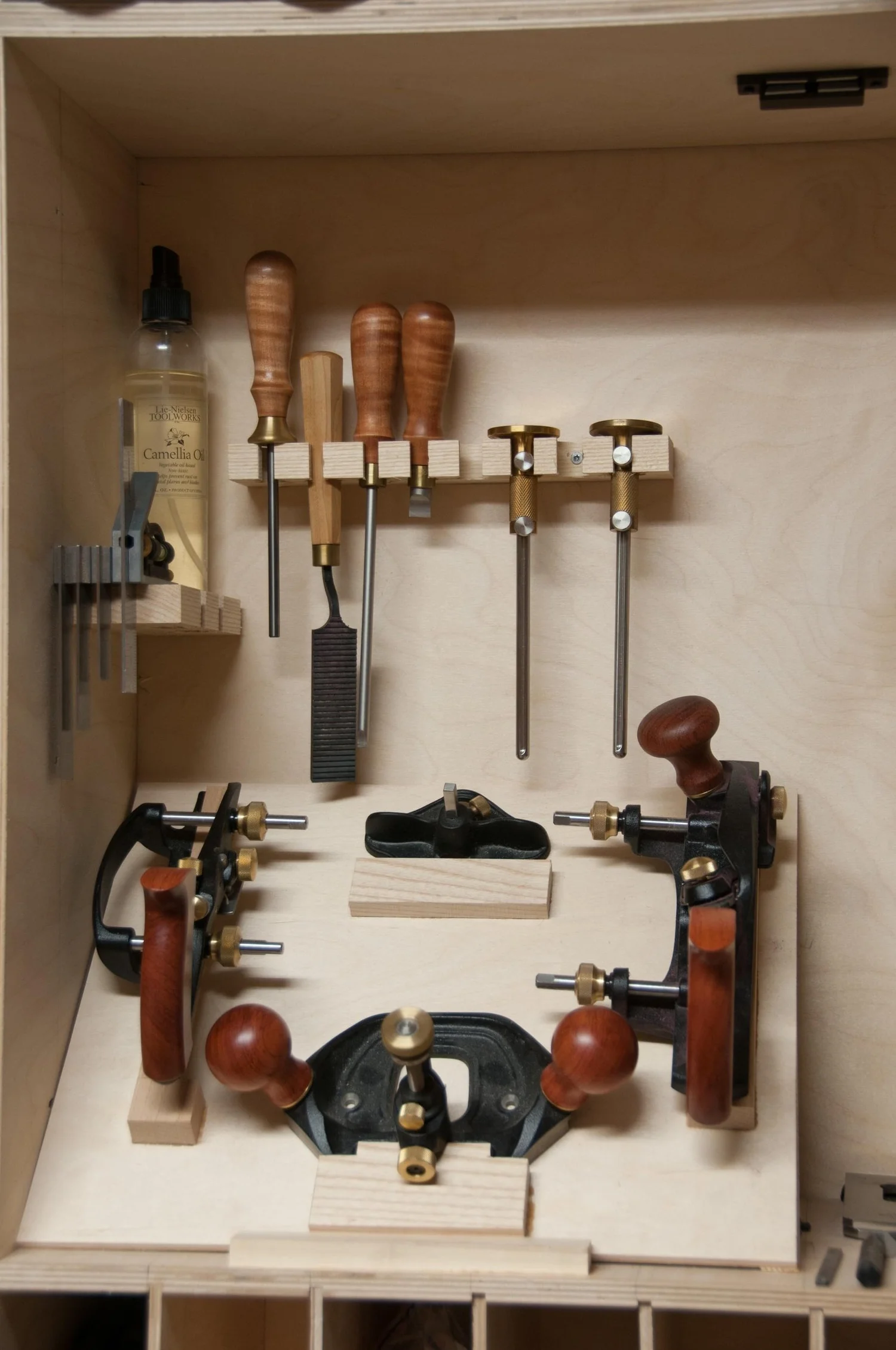
Storing hand planes vertically saves space in your workshop. It keeps your tools easy to find and protects their edges.
Vertical storage uses walls or boards to hold your hand planes safely. This method keeps your work area neat and organized.
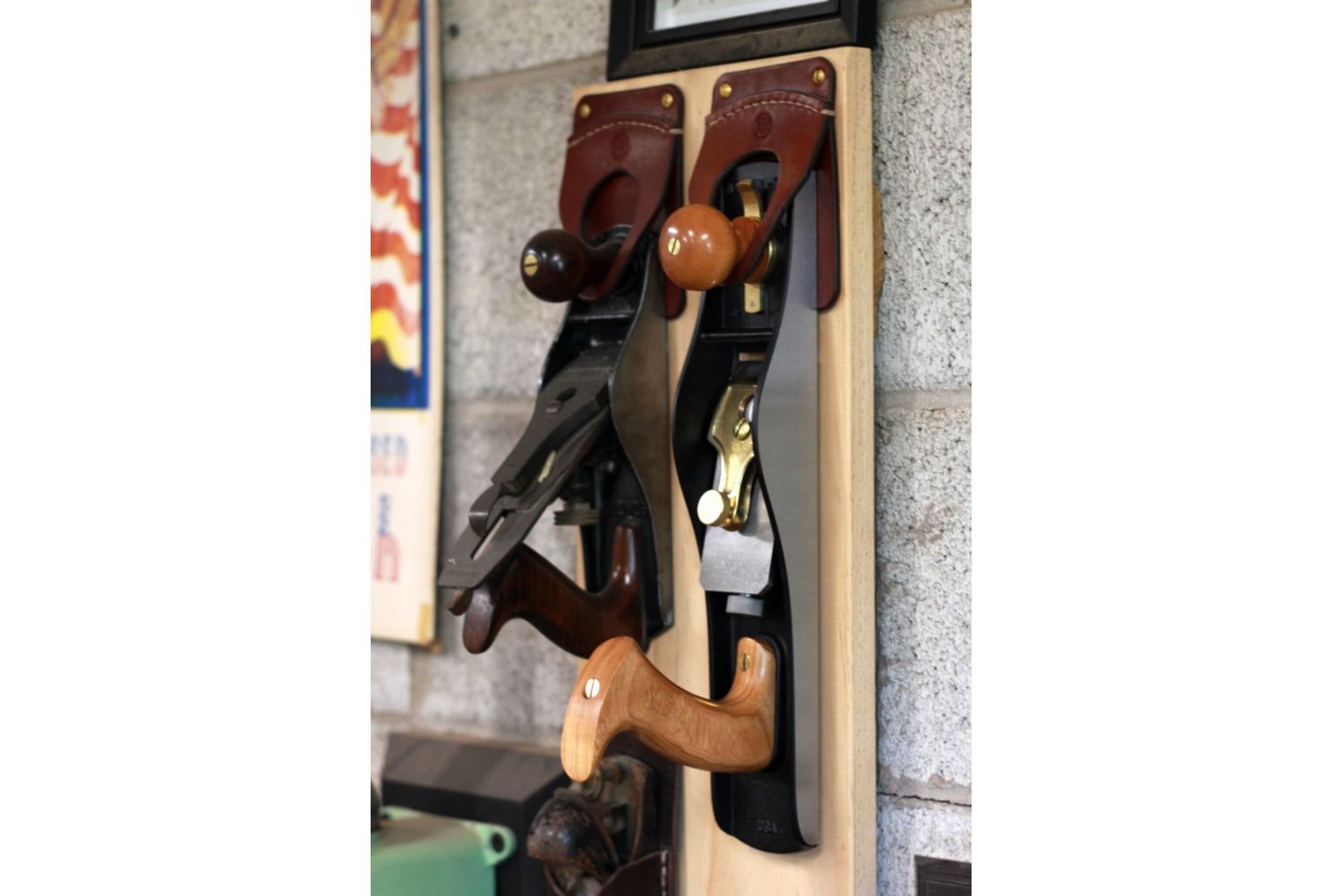
Wall-mounted Racks
Wall-mounted racks hold hand planes by their bodies or handles. These racks keep tools off benches and floors. You can build racks from wood or metal.
- Choose strong materials to support heavy tools
- Space racks to fit different plane sizes
- Mount racks at a comfortable height for easy access
- Label each slot to keep tools organized
Pegboard Hooks
Pegboards are versatile for storing hand planes vertically. Hooks fit into pegboard holes to hold tools securely. This system lets you change tool positions easily.
| Hook Type | Best Use |
| Straight Hooks | Holding plane handles |
| Angled Hooks | Supporting plane soles |
| Double Hooks | Carrying heavier planes |
Drawer Organization Tips
Storing hand planes properly keeps them safe and ready to use. Organizing your drawers helps protect the blades and body from damage.
Use smart storage solutions to make the best use of drawer space and keep tools easy to find.
Custom Dividers
Custom dividers separate each hand plane in the drawer. They stop tools from touching and scratching each other. You can make dividers from wood, plastic, or sturdy cardboard.
- Measure the drawer width and length before making dividers.
- Create slots that fit each hand plane snugly.
- Label each section to keep tools organized.
- Use soft materials on the divider edges for extra protection.
Foam Inserts
Foam inserts cushion your hand planes and hold them in place. They absorb shocks and prevent movement during drawer opening and closing.
| Type of Foam | Benefits |
| Polyethylene | Durable and moisture resistant |
| Polyurethane | Soft and flexible, good for delicate tools |
| EVA Foam | Lightweight and shock absorbing |
Portable Storage Options
Keeping hand planes safe and organized is important. Portable storage helps you carry and protect your tools.
There are different ways to store hand planes when you need to move or keep them safe. Two popular options are toolboxes with compartments and carrying cases.
Toolboxes With Compartments
Toolboxes with compartments keep your hand planes and other tools separated. This prevents damage from tools bumping into each other.
These toolboxes often have adjustable dividers. You can create spaces that fit different sizes of hand planes.
- Protects the planes from scratches and dents
- Keeps tools organized and easy to find
- Stackable boxes save space in your workshop
- Easy to carry to job sites or workshops
Carrying Cases
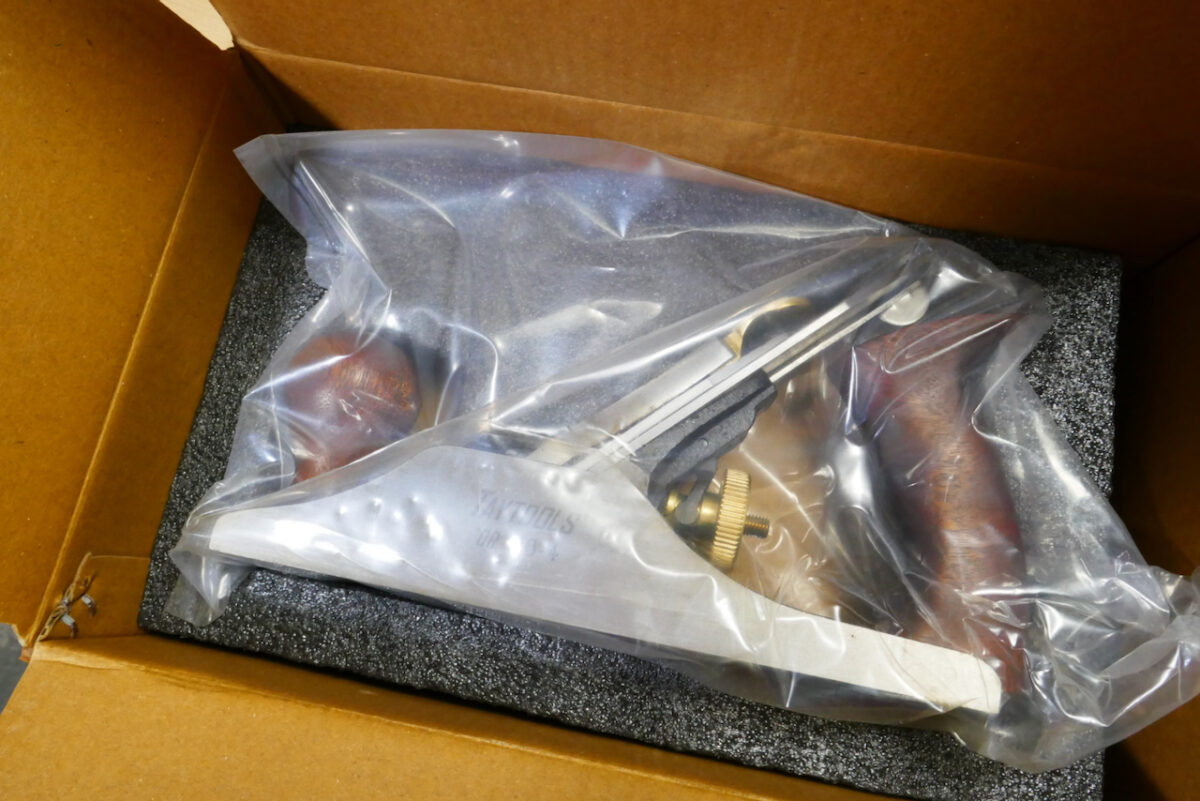
Carrying cases offer a simple way to store hand planes safely. They often have padded interiors to protect the tools.
Many cases come with handles and locks. This makes transport safer and more convenient.
- Padded compartments prevent tool damage
- Compact size fits in a vehicle or closet
- Handles make carrying easier
- Lock options increase security
Labeling And Inventory
Storing hand planes efficiently keeps your workspace neat and tools easy to find.
Clear labels and a good inventory system help track your tools and save time.
Creating Clear Labels
Use simple and readable labels to mark each hand plane. Labels should include the tool type and size.
- Write labels with large, clear font
- Use waterproof or laminated labels for durability
- Place labels where they are easy to see
- Color-code labels by tool type or use
- Replace worn or faded labels promptly
Maintaining A Tool Inventory
Keep a list of all hand planes you own to track their condition and location.
| Tool Name | Size | Condition | Storage Location |
|---|---|---|---|
| Jack Plane | 14 inch | Good | Drawer A |
| Block Plane | 5 inch | Excellent | Shelf B |
| Bench Plane | 7 inch | Needs Sharpening | Drawer C |
Maximizing Small Spaces
Hand planes are useful tools, but they can take up space in your workshop. Storing them efficiently helps keep your area neat.
Using smart storage ideas lets you save space and protect your hand planes. This guide shows easy ways to do it.
Stackable Storage Units
Stackable storage units use vertical space well. You can place several units on top of each other.
These units keep hand planes safe and easy to reach. Choose sizes that fit your planes and available space.
- Clear plastic boxes help you see inside
- Wooden or metal units add strength
- Label each unit for quick finding
- Stack units near your workbench
Multi-use Furniture
Multi-use furniture saves space by combining storage with other functions. Examples include benches with drawers or shelves.
Use furniture that fits your workshop style and needs. It helps keep hand planes organized and your workspace clean.
- Workbench with built-in shelves for tools
- Storage stools that open to hold supplies
- Wall-mounted cabinets with drawers
- Fold-out tables with hidden compartments
Credit: www.finewoodworking.com
Maintenance Tips While Stored
Storing hand planes correctly keeps them in good shape. Proper care stops rust and damage.
Simple maintenance steps help your tools last longer and work better every time.
Regular Cleaning Schedule
Clean your hand planes before storing them. Remove dust, wood chips, and dirt.
Use a soft cloth and brush to clean all parts. Avoid water to stop rust.
- Wipe metal parts with a dry cloth
- Use a small brush for tight areas
- Apply light oil to metal surfaces
- Keep wood handles clean and dry
Blade Sharpening Storage
Sharpen blades before storing your hand planes. Sharp blades stay safer and last longer.
Store blades carefully to avoid damage and rust. Use blade covers or wrap blades in cloth.
- Sharpen blades with proper tools
- Clean blades after sharpening
- Apply a thin layer of oil to blades
- Use blade guards or wrap blades in cloth
- Store planes in a dry place
Frequently Asked Questions
How Should I Organize Hand Planes For Easy Access?
Store hand planes by size and type on sturdy shelves or custom racks. Label each spot for quick identification and retrieval.
What Materials Protect Hand Planes From Rust During Storage?
Use silica gel packs or rust inhibitors inside storage areas. Keep planes dry and wipe them with oil to prevent corrosion.
Can I Store Hand Planes Vertically Or Horizontally?
Both are acceptable, but horizontal storage on padded surfaces prevents blade damage. Ensure blades are retracted or covered for safety.
How Often Should I Maintain Hand Planes In Storage?
Check and clean hand planes monthly. Apply a light oil coat to metal parts and sharpen blades as needed.
Conclusion
Storing hand planes the right way keeps them sharp and ready. Use dry, clean spaces to stop rust and damage. Organize tools so you find them fast and work flows well. Regular checks help spot issues before they grow. Simple steps save time and protect your tools.
Good storage means your hand planes last longer and perform better. Keep your workspace neat, and your projects will too. Small habits make a big difference in tool care.