
Are you dreaming of a garden full of vibrant, blooming roses this summer? The secret lies in how you prune your roses in early spring.
This is the perfect time to give your roses the care they need to thrive. Imagine the satisfaction of seeing your roses burst into color, knowing it was your expert touch that made it possible. In this guide, you’ll discover simple yet effective pruning techniques that can transform your rose bushes.
Whether you’re a seasoned gardener or a curious beginner, mastering these steps will empower you to nurture your roses with confidence. Ready to unlock the beauty of your garden? Let’s get started.
Why Prune Roses In Early Spring
Pruning roses in early spring helps prepare the plant for new growth. It removes old and weak branches. This allows the rose bush to grow stronger and bloom better.
Early spring is the best time because the plant is still dormant. Cutting back at this time helps the rose heal quickly. It also encourages healthy new shoots.
Benefits For Health And Growth
Pruning keeps roses healthy by removing dead or diseased wood. It improves air flow inside the bush. This reduces the chance of fungal diseases.
Cutting back old stems helps the plant use energy better. New, strong stems grow that produce more flowers. Pruning also shapes the bush to look neat and balanced.
- Removes weak and dead branches
- Improves air circulation
- Reduces disease risk
- Encourages strong new growth
- Increases flower production
Timing For Best Results
Prune roses just before they start to grow in spring. This is usually when buds begin to swell but have not opened. Pruning too early can cause damage from cold weather.
Watch for signs like swollen buds or the first green tips on stems. Pruning at this time helps the rose heal fast. It also means better blooms during the growing season.
- Prune when buds start to swell
- Avoid pruning in deep winter cold
- Look for green tips on stems
- Best done before full leaf growth
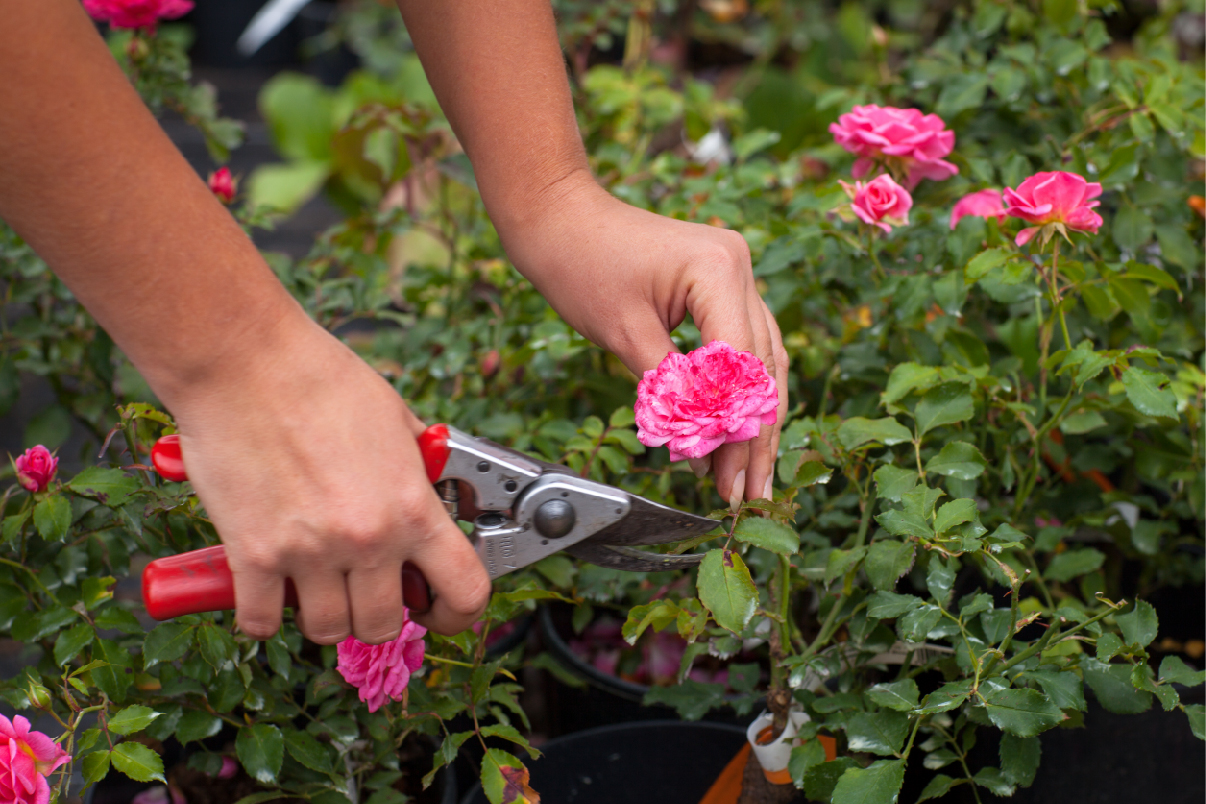
Credit: www.creechlandscape.com
Tools You’ll Need
Pruning roses in early spring helps keep plants healthy and blooming. Using the right tools makes the job easier and safer.
Below are the tools and safety gear you need to prune your roses properly.
Essential Pruning Tools
Good pruning tools cut cleanly and reduce damage to your rose bushes. Here are the main tools you should have.
- Bypass Pruners: Sharp scissors for cutting small branches.
- Loppers: Long-handled pruners for thicker stems.
- Pruning Saw: Small saw for cutting large, woody canes.
- Gloves: Protect your hands from thorns and cuts.
- Disinfectant: Clean tools to prevent disease spread.
Safety Gear
| Safety Item | Purpose |
| Thick Gardening Gloves | Protect hands from thorns and scratches |
| Long Sleeves | Prevent cuts and skin irritation |
| Eye Protection | Shield eyes from flying debris |
| Sturdy Shoes | Keep feet safe from dropped tools |
Preparing Your Roses
Pruning roses in early spring helps them grow strong and healthy. Before pruning, you need to prepare your rose plants carefully.
Preparation includes removing winter protection and cleaning the area around the roses. These steps make pruning easier and safer for your plants.
Removing Winter Protection
Winter protection keeps your roses safe from frost damage. In early spring, the danger of frost usually passes. It is time to remove the protection.
Remove mulch, straw, or burlap gently. Check the stems and branches for any damage or disease while removing the covers.
- Take off mulch or straw carefully
- Remove burlap or plastic covers
- Look for broken or dead stems
- Note any signs of disease or pests
Cleaning The Area
Cleaning the area around your roses helps prevent disease. Remove dead leaves, old flowers, and debris from the base of the plant.
Use gloves to protect your hands. Clear the soil surface to allow air and sunlight to reach the rose roots.
- Wear gloves to protect your skin
- Pick up fallen leaves and dead flowers
- Clear old stems and twigs from the soil
- Dispose of all debris away from the garden
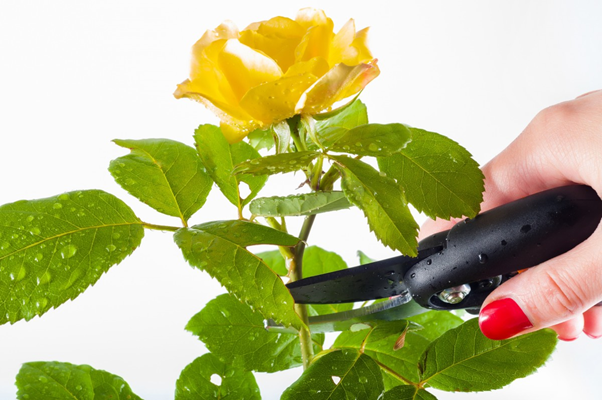
Credit: medium.com
Step-by-step Pruning Process
Pruning roses in early spring helps keep them healthy and blooming well. It removes old growth and encourages new shoots.
Follow these steps to prune your roses properly. Use clean tools and work carefully to avoid damage.
Identifying Dead And Damaged Canes
Look closely at your rose canes to find dead or damaged parts. These canes will not produce flowers and can harm the plant.
Dead canes often look dry, brown, or black. Damaged canes may have cracks or broken sections.
- Check for brown or black discoloration
- Look for cracks or broken stems
- Pinch canes to see if they are soft or brittle
Making Clean Cuts
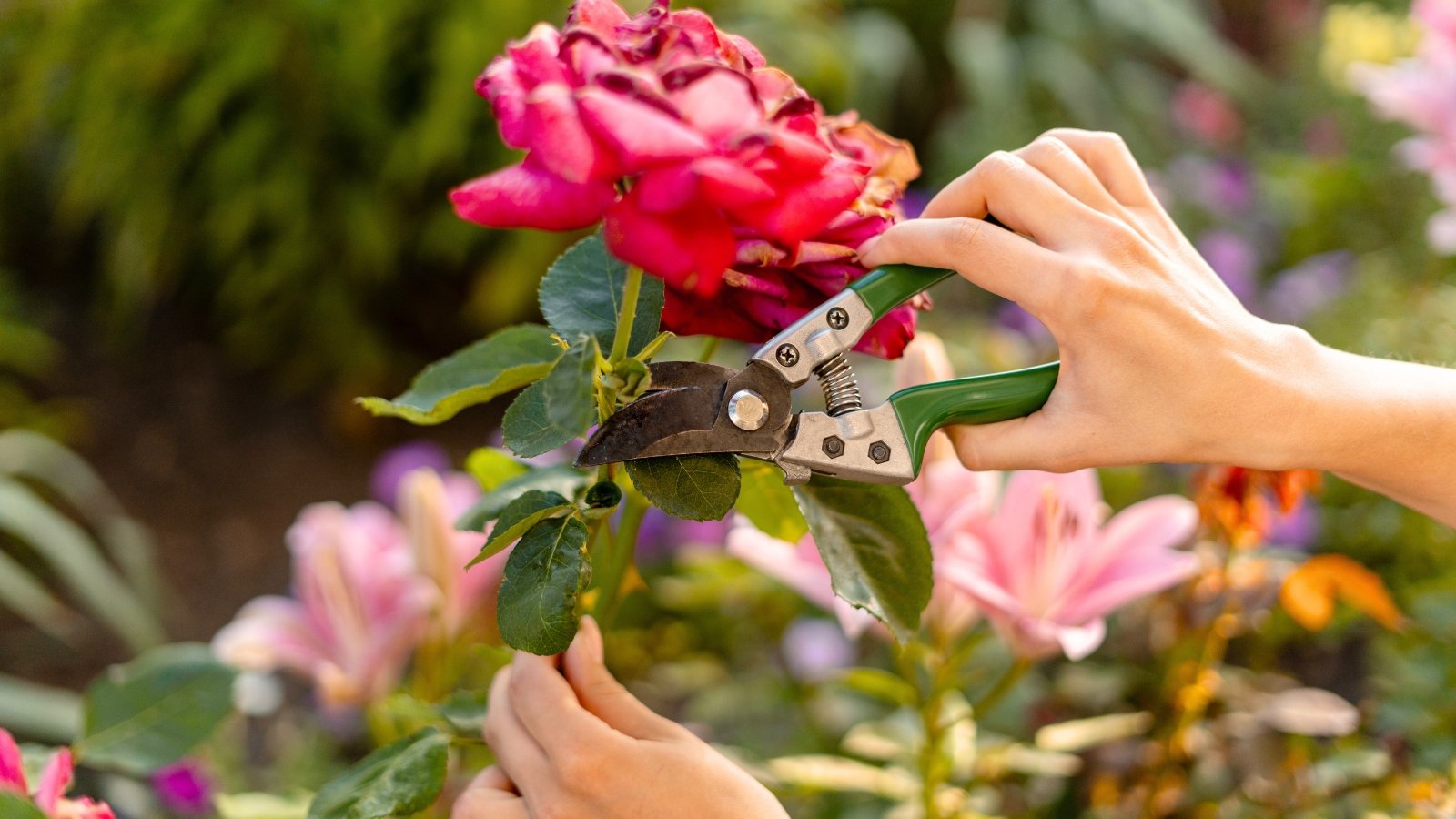
Use sharp pruning shears for clean cuts. This helps the plant heal faster and prevents disease.
Cut canes at a 45-degree angle about 1/4 inch above a healthy bud. Make sure the cut faces away from the bud.
- Remove dead or damaged canes completely
- Cut just above outward-facing buds
- Keep cuts clean and smooth
Shaping The Plant
Shape your rose bush by trimming to control size and form. A good shape improves air flow and sunlight exposure.
Remove weak or crossing branches to open the center of the plant. Keep strong canes evenly spaced.
- Cut back overly long branches
- Remove crowded or crossing canes
- Keep the shape balanced and open
Aftercare For Pruned Roses
Pruning roses in early spring helps keep them healthy and blooming. After pruning, proper care is important to support new growth.
This guide covers feeding, mulching, and watering tips to help your roses recover and flourish.
Feeding And Mulching
Feed your roses soon after pruning to give them energy. Use fertilizers with balanced nutrients. Mulching keeps soil moist and protects roots.
- Apply a slow-release fertilizer around the base of the plant.
- Use organic mulch like bark chips or compost.
- Spread mulch 2 to 3 inches deep, but keep it away from the stem.
- Mulching helps control weeds and keeps soil temperature stable.
Watering Tips
Water your roses regularly after pruning. Keep the soil moist but not soggy. Proper watering supports strong root development.
| Time of Day | Amount | Frequency |
| Morning | 1 to 2 inches | Twice a week |
| Evening (if morning missed) | 1 to 2 inches | Twice a week |
Credit: www.epicgardening.com
Common Pruning Mistakes To Avoid
Pruning roses in early spring helps them grow strong and bloom well. Many gardeners make mistakes that hurt the plants. Avoiding these errors keeps roses healthy and beautiful.
This guide covers two common pruning mistakes. Learn how to cut the right amount and care for plant health.
Cutting Too Much Or Too Little
Pruning too much or too little can damage your rose bushes. Cutting too much weakens the plant. Cutting too little stops new growth and flowers.
- Cut back old, dead, or weak stems only.
- Remove about one-third of the previous year’s growth.
- Leave some healthy wood to support new buds.
- Use sharp tools to make clean cuts.
- Avoid cutting too close to the main stem.
Ignoring Plant Health
Pruning without checking plant health can spread disease and cause damage. Look for signs of pests, fungus, or weak branches before cutting.
| Problem | Signs to Check | Pruning Tip |
| Pests | Holes, sticky leaves, insects | Cut away affected areas carefully |
| Fungal Disease | Black spots, powdery coating | Remove infected parts and sterilize tools |
| Weak Branches | Thin, brittle, or dead wood | Cut back to healthy growth |
Encouraging Lush Blooms
Pruning roses in early spring helps plants grow strong. It allows more sunlight and air to reach the branches.
Proper care after pruning encourages many bright and healthy flowers. Feeding and protecting roses are key steps.
Fertilizer Choices
Use fertilizers that give roses the nutrients they need to bloom well. Nitrogen, phosphorus, and potassium support growth and flowers.
- Apply a balanced fertilizer with equal parts nitrogen, phosphorus, and potassium.
- Use slow-release fertilizers to feed roses over time.
- Add organic compost to improve soil health and moisture retention.
- Feed roses once early in spring after pruning and again in mid-summer.
Pest And Disease Control
Check roses regularly for pests and diseases. Early treatment keeps plants healthy and blooming.
| Pest or Disease | Signs | Control Method |
| Aphids | Clusters of small green insects on new growth | Spray with insecticidal soap or water |
| Black Spot | Black spots on leaves with yellow edges | Remove affected leaves and apply fungicide |
| Powdery Mildew | White powdery coating on leaves and buds | Improve air circulation and spray with sulfur fungicide |
| Spider Mites | Fine webbing and tiny spots on leaves | Use miticide or strong water spray |
Frequently Asked Questions
How Early In Spring Should I Prune Roses?
Prune roses as soon as the danger of hard frost passes. Early spring, when buds begin to swell, is ideal. This timing encourages healthy growth and better blooms throughout the season.
What Tools Are Best For Pruning Roses?
Use sharp, clean bypass pruners for precise cuts. Wear gloves to protect hands from thorns. Disinfect tools before and after pruning to prevent disease spread.
How Much Should I Prune My Rose Bushes?
Remove about one-third of the previous year’s growth. Cut back weak or dead stems to healthy wood. This promotes strong new growth and enhances flowering.
Can I Prune Roses If The Weather Is Still Cold?
Avoid pruning during freezing temperatures to prevent damage. Wait for warmer, frost-free days in early spring. This helps roses heal quickly and reduces stress.
Conclusion
Pruning roses in early spring helps plants grow strong and healthy. Cut old, weak branches to make room for new growth. Use clean, sharp tools to avoid damage. Always prune above a bud that faces outward. This encourages the rose to spread and bloom well.
Regular pruning also keeps your garden neat and tidy. Enjoy watching your roses flourish with proper care each season. Simple steps lead to beautiful, vibrant flowers year after year. Keep practicing, and your roses will thank you.
