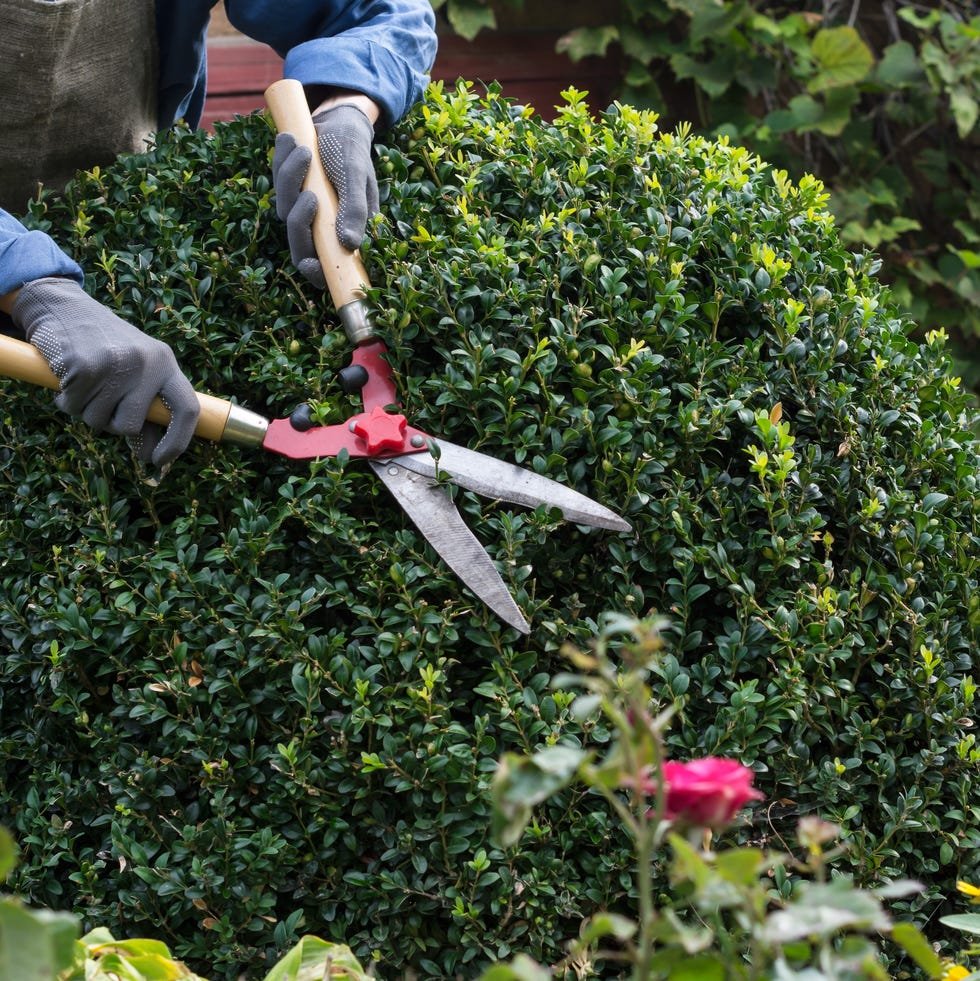
Are your shrubs looking a bit unruly or not flowering as they used to? You might be surprised at the difference a little pruning can make.
Cutting back shrubs is not just about keeping your garden looking tidy. It’s a crucial step in ensuring the healthy growth of your plants. Imagine your garden flourishing with vibrant, lush greenery and abundant blooms. Sounds great, right? In this guide, you’ll discover simple, effective techniques to trim your shrubs, promoting their health and beauty.
Ready to transform your garden into a thriving oasis? Keep reading to unlock the secrets of expert shrub care that will have your neighbors asking for your gardening tips!
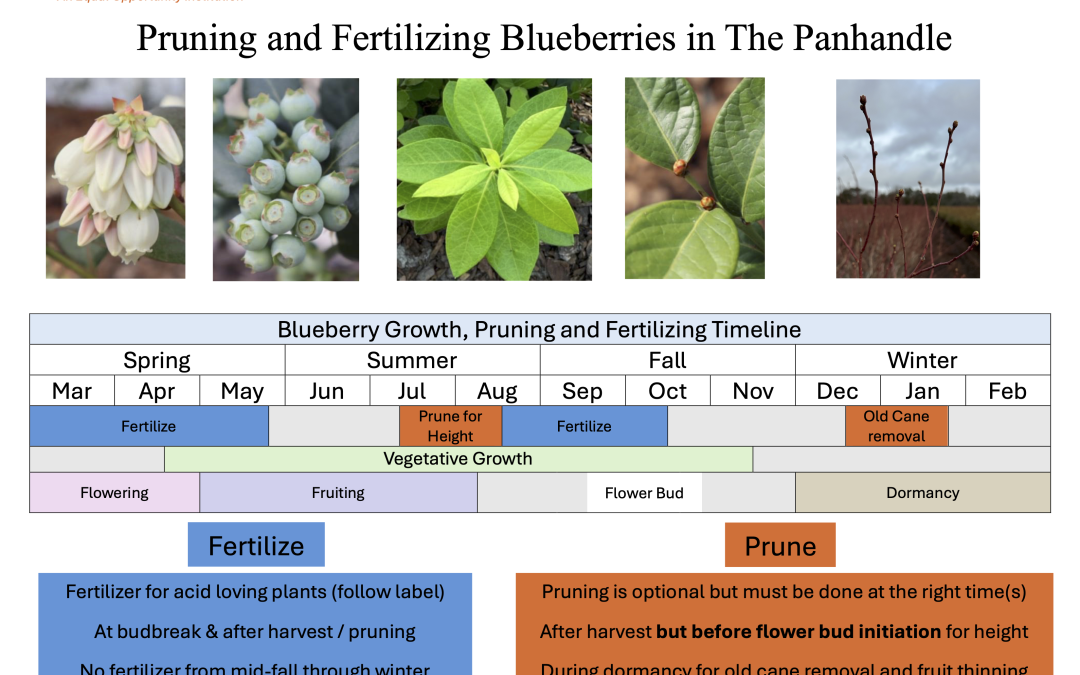
Choosing The Right Time
Cutting back shrubs at the right time helps keep them healthy. It also encourages new growth and beautiful shapes.
Knowing when to prune depends on the shrub type and the season. Timing affects how well your shrubs will grow after cutting.
Seasonal Considerations
Each season has benefits and limits for pruning shrubs. Some shrubs grow best when pruned in early spring. Others do better after flowering in late summer or fall.
- Spring:Prune before new growth starts for most shrubs.
- Summer:Light pruning can shape shrubs and remove dead parts.
- Fall:Avoid heavy pruning to prevent damage from cold weather.
- Winter:Prune dormant shrubs in mild climates to prepare for spring.
Signs To Start Pruning
Look for clear signs that your shrub needs pruning. These signs help you avoid cutting too early or too late.
| Sign | What It Means |
| Dead or damaged branches | Remove to keep shrub healthy |
| Overgrown shape | Trim to keep shrub neat and balanced |
| Flower buds starting to show | Prune before flowers bloom on some shrubs |
| New growth slows down | Pruning can encourage fresh growth |
Credit: nwdistrict.ifas.ufl.edu
Essential Tools For Pruning
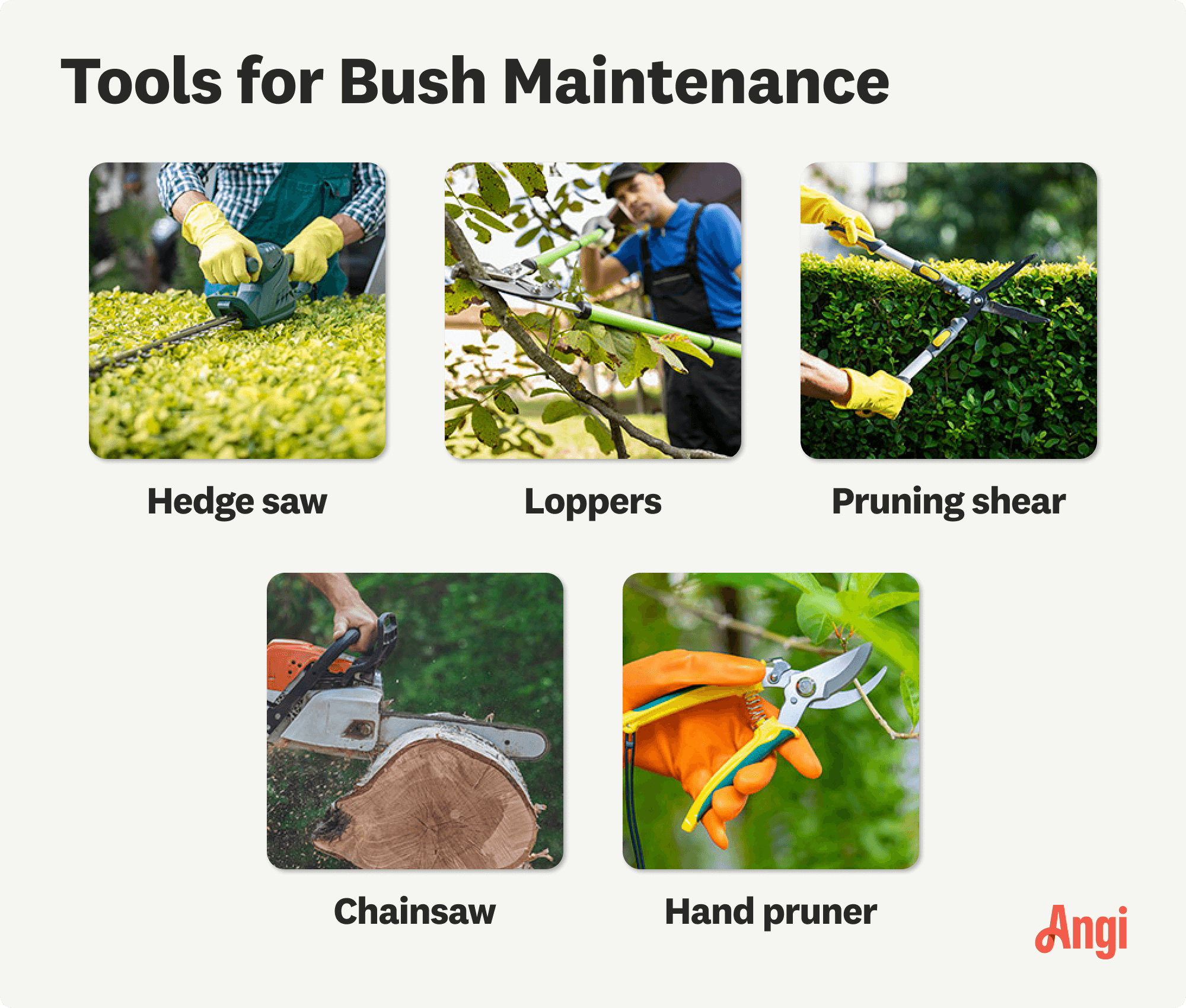
Cutting back shrubs helps them grow healthy and strong. Using the right tools makes pruning easier and safer. This guide covers the key tools you need for pruning shrubs well.
Keep your tools sharp and clean. Wear safety gear to protect yourself during pruning. Read on to learn about hand pruners, loppers, and safety equipment.
Hand Pruners And Loppers
Hand pruners and loppers are essential for cutting branches. Hand pruners work best for small branches up to half an inch thick. Loppers can cut thicker branches up to two inches wide.
- Choose hand pruners with sharp, curved blades for smooth cuts.
- Use loppers with long handles for better leverage on thick branches.
- Pick tools with comfortable grips to reduce hand fatigue.
- Keep blades clean and sharpened for precise cuts.
Safety Gear And Maintenance
Safety gear protects you from cuts and debris while pruning. Proper maintenance keeps your tools working well and lasting longer.
| Safety Item | Purpose |
| Gloves | Protect hands from thorns and sharp branches |
| Safety Glasses | Shield eyes from flying debris |
| Long Sleeves | Guard arms from scratches |
| Tool Oil | Keep blades lubricated and rust-free |
| Sharpening Stone | Maintain sharp cutting edges |
Techniques For Cutting Back Shrubs
Cutting back shrubs helps keep them healthy and looking good. It also encourages new growth. Using the right cutting techniques is important for the plant’s health.
There are different ways to prune shrubs. This guide explains thinning and heading cuts, plus shaping methods for better growth and looks.
Thinning Vs. Heading Cuts
Thinning cuts remove entire branches at their base. This opens the shrub to light and air. Heading cuts shorten branches by cutting them back to a bud or side branch.
- Thinning cutsreduce crowding and improve air flow.
- Heading cutsencourage bushier growth and fill gaps.
- Thinning helps older shrubs stay healthy by removing old wood.
- Heading is good for shaping young shrubs and controlling size.
Use thinning cuts to keep the shrub open and healthy. Use heading cuts to create a neat shape and add fullness.
Shaping For Growth And Aesthetics
Shaping helps shrubs grow well and look nice. Trim to keep the natural form of the shrub. Avoid cutting into old wood that may not grow back.
| Shaping Method | Purpose | Tips |
| Natural Shape | Maintain plant’s original form | Cut lightly and follow branch direction |
| Formal Shape | Create defined edges and shapes | Use heading cuts regularly |
| Renewal Pruning | Remove old wood for new shoots | Use thinning cuts on old branches |
Regular shaping guides shrub growth and keeps plants healthy. Choose a shaping method that fits your shrub type and garden style.
Credit: www.angi.com
Step-by-step Pruning Process
Cutting back shrubs helps keep them healthy and full. Pruning lets the plant grow stronger branches. It also improves air flow and sunlight inside the shrub.
Follow these steps to prune your shrubs safely and effectively. Use clean tools and watch the plant’s needs closely.
Assessing The Shrub’s Condition
Look at your shrub before cutting. Check for the shape and size of the shrub. Notice if any branches are weak, crowded, or broken.
- Identify branches that grow inward or cross each other.
- Spot areas with thin or no leaves.
- Look for signs of disease or damage.
- Decide how much to cut to keep the shrub balanced.
Making Clean Cuts
Use sharp pruning tools to make clean cuts. Dirty or dull tools can harm the plant. Cut branches at a slight angle to help water run off.
| Tool | Use For | Cleaning Tip |
| Pruning Shears | Small branches under ¾ inch | Wipe with rubbing alcohol before use |
| Loppers | Medium branches ¾ to 2 inches | Clean blades after each cut |
| Pruning Saw | Large branches over 2 inches | Remove sap and debris after use |
Removing Dead And Diseased Branches
Cut out all dead, dry, or diseased branches first. This helps stop the spread of problems. Remove branches that look dark or cracked.
- Cut branches back to healthy wood or the main stem.
- Do not leave stubs; cut close but not too deep.
- Dispose of diseased branches away from the shrub area.
- Sanitize tools after cutting diseased parts to avoid spreading infection.
Aftercare For Pruned Shrubs
Pruning shrubs helps them grow healthy and strong. After cutting back, proper care is very important.
Taking care of pruned shrubs supports new growth and prevents damage. Water, fertilize, and mulch well.
Watering And Fertilizing
Water your shrubs deeply after pruning. This helps roots recover and supports new shoots.
Use fertilizer to give nutrients your shrubs need. Choose a balanced fertilizer for best results.
- Water once or twice a week, depending on weather
- Apply fertilizer in early spring or right after pruning
- Avoid overwatering to prevent root rot
- Use slow-release fertilizer for steady nutrition
Mulching Benefits
Mulching keeps soil moist and protects roots from temperature changes. It also reduces weeds around shrubs.
Apply a layer of mulch around the base of pruned shrubs. Keep mulch a few inches away from stems.
- Keeps soil temperature stable
- Prevents soil from drying out
- Reduces weed growth near shrubs
- Improves soil quality over time

Credit: www.housebeautiful.com
Common Mistakes To Avoid
Cutting back shrubs helps keep them healthy and neat. People often make mistakes that harm the plants.
Knowing what to avoid can help your shrubs grow strong and look good.
Over-pruning Risks
Cutting too much at once can stress shrubs. It may slow their growth or cause damage.
Over-pruning can leave bare spots and make shrubs weak against pests and disease.
- Do not remove more than one-third of the shrub at a time
- Avoid cutting all branches back to the base
- Leave enough leaves for photosynthesis
- Prune gradually over time to reduce stress
Ignoring Shrub Type Differences
Different shrubs need different care. Cutting all shrubs the same way can hurt some types.
Knowing your shrub’s type helps you prune at the right time and in the right way.
- Some shrubs bloom on old wood and should be pruned after flowering
- Others bloom on new wood and can be pruned in early spring
- Evergreens need lighter pruning than deciduous shrubs
- Research your shrub species before you start cutting
Encouraging Long-term Health
Cutting back shrubs helps keep them strong and healthy. Proper pruning supports growth and prevents disease.
Regular care lets shrubs grow full and last many years in your garden.
Regular Maintenance Tips
Trim dead or damaged branches early to stop pests and illness. Use clean tools to avoid spreading problems.
- Cut back overgrown branches to improve air flow.
- Remove weak stems to let strong ones grow.
- Shape shrubs lightly to keep natural form.
- Prune during late winter or early spring before new growth.
Monitoring Growth And Adjusting Care
Watch shrubs closely to see how they respond after trimming. Adjust your care to fit their needs.
| Growth Stage | Care Action |
| New Growth | Water regularly and avoid heavy pruning |
| Established Shrubs | Prune lightly to maintain shape |
| Overgrown Shrubs | Cut back hard but in stages over years |
Frequently Asked Questions
How Often Should I Cut Back Shrubs For Healthy Growth?
Cut back shrubs once or twice a year, ideally in early spring or late winter. This timing encourages strong new growth and maintains plant health.
What Tools Are Best For Cutting Back Shrubs?
Use sharp pruning shears for small branches and loppers or pruning saws for thicker stems. Clean tools prevent disease and ensure clean cuts.
How Much Should I Cut Back From My Shrubs?
Remove no more than one-third of the shrub’s total growth at a time. This prevents stress and promotes healthy, vigorous regrowth.
Can Cutting Back Shrubs Improve Flowering?
Yes, cutting back encourages new growth, which often produces more flowers. Proper pruning enhances both bloom quantity and quality.
Conclusion
Cutting back shrubs helps them grow strong and healthy. Trim old or dead branches to let new ones shine. Always use clean, sharp tools for best results. Don’t cut too much at once; give plants time to heal. Regular pruning keeps shrubs neat and full.
Watch your shrubs grow fuller and more vibrant with care. Keep these simple tips in mind for a thriving garden. Your shrubs will thank you with lush, green growth.