Are you ready to tackle your next demolition project with confidence? If you’ve ever wondered how to effectively use a reciprocating saw for tearing down walls, cutting through stubborn materials, or dismantling old fixtures, you’re in the right place.
This powerful tool can be your best ally when it comes to demolition tasks, making your job quicker and easier. But before you jump in, it’s crucial to know how to use it safely and efficiently. In this guide, we’ll walk you through everything you need to know about using a reciprocating saw.
From choosing the right blade to mastering the perfect technique, we’ve got you covered. Stick around, and soon you’ll be wielding your saw like a pro, transforming the way you approach demolition work.
Credit: www.bosch-professional.com
Choosing The Right Reciprocating Saw
Using a reciprocating saw for demolition needs the right tool. Picking the correct saw makes the job easier and safer.
This guide helps you choose the best reciprocating saw for your demolition tasks. Learn about types, blades, and power options.
Types Of Reciprocating Saws
There are different types of reciprocating saws. Each type fits certain demolition jobs better than others.
Some saws are designed for heavy work. Others are lighter and easier to handle for small jobs.
- Heavy-duty saws: Strong motors and longer strokes for tough materials
- Compact saws: Smaller, lighter, good for tight spaces
- Variable speed saws: Control speed for different materials
Blade Selection For Demolition
Choosing the right blade is key for demolition. Blades differ by material and tooth design.
Use blades made for cutting wood, metal, or mixed materials. The blade tooth count affects cutting speed and smoothness.
- Wood blades: Large teeth for fast cuts in wood
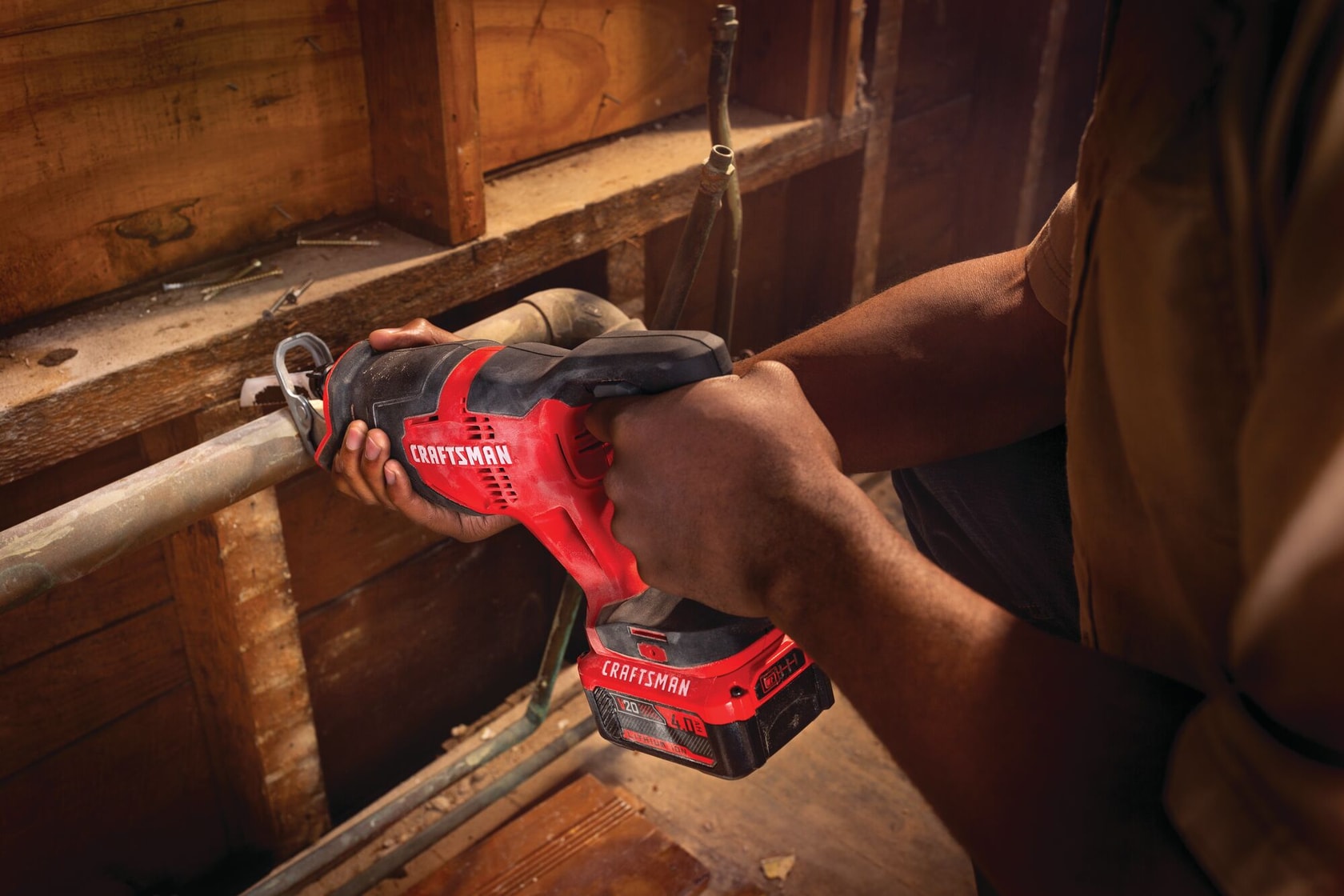
- Metal blades: Small teeth for cutting pipes and metal
- Demolition blades: Strong, durable for mixed materials
Power And Corded Vs. Cordless
Power affects how well the saw cuts through material. Corded saws usually have more power.
Cordless saws offer freedom to move but need charged batteries. Pick based on your job needs.
- Corded saws: Continuous power, no battery limits
- Cordless saws: Portable, easy to use in remote areas
- Battery type: Lithium-ion batteries last longer and charge faster
Safety Measures Before Starting
Using a reciprocating saw for demolition can be dangerous without proper safety steps. Taking precautions helps prevent accidents and injuries. Always prepare before you start cutting.
This guide covers the key safety measures: protective gear, work area inspection, and checking your saw and blades.
Protective Gear Essentials
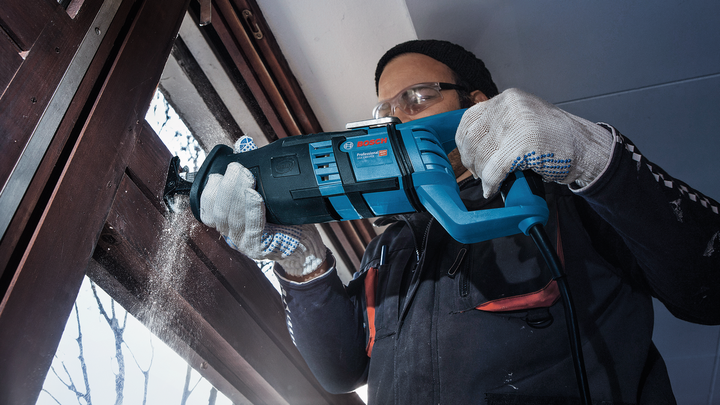
Wear the right gear to protect yourself from flying debris and sharp objects. Safety is your top priority during demolition work.
- Safety goggles to protect your eyes
- Heavy-duty gloves for hand protection
- Ear protection to reduce noise damage
- Long sleeves and pants to shield your skin
- Steel-toed boots for foot safety
- A dust mask to avoid inhaling dust
Inspecting The Work Area
Check the space before you start cutting. Look for hazards that can cause accidents or damage the saw.
| What to Check | Why It Matters |
| Loose objects | They can cause trips or get caught in the saw |
| Electrical wires | Cutting wires can cause shocks or fire |
| Hidden nails or screws | They can break blades or cause injury |
| Stable footing | Prevents slips and falls during work |
Checking The Saw And Blades
Make sure your saw and blades are in good condition. A damaged tool can lead to accidents or poor results.
- Inspect the blade for cracks or dullness
- Secure the blade tightly to the saw
- Check the power cord for cuts or frays
- Test the saw to ensure it runs smoothly
- Keep the saw clean and free of debris
Preparing For Demolition
Using a reciprocating saw for demolition needs careful preparation. This helps ensure safety and efficiency.
Planning your work area and tools saves time and prevents accidents during demolition.
Marking Cut Lines
Mark clear cut lines on the material before cutting. This guides your saw and keeps cuts straight.
Use a pencil, chalk, or tape to show where you will cut. Check your marks twice to avoid mistakes.
Clearing Obstacles
Remove any objects or debris near the work area. This gives you space to work and reduces tripping risks.
- Clear furniture and tools away
- Check for hidden wires or pipes
- Keep the floor clean and dry
Setting Up Support Structures
Support the material you will cut to keep it stable. This helps you make safe and precise cuts.
Use sawhorses, clamps, or braces to hold items steady before cutting with the saw.

Credit: www.hilti.ca
Techniques For Effective Cutting
Using a reciprocating saw safely and efficiently is key for demolition work. The right techniques help you cut faster and avoid accidents.
This guide covers proper grip and stance, controlling saw speed, and cutting different materials.
Proper Grip And Stance
Hold the saw firmly with both hands to keep control. Keep your body balanced and feet shoulder-width apart for stability.
- Grip the main handle with your dominant hand
- Place your other hand on the front handle for support
- Stand with your feet apart to keep steady
- Keep your knees slightly bent to absorb vibration
- Lean into the cut slightly for better control
Controlling The Saw Speed
Adjust your saw speed based on the material you cut. Too fast can damage the blade or material. Too slow wastes time.
- Start the saw at a low speed to position the blade
- Increase speed smoothly once the blade is in the material
- Use moderate speed for wood and plastic
- Slow down for metal or hard materials to avoid overheating
- Release the trigger after each cut to prevent blade damage
Cutting Different Materials
Different materials require different blades and cutting methods. Using the right blade improves cutting and blade life.
| Material | Blade Type | Cutting Tip |
|---|---|---|
| Wood | Wood blade with large teeth | Use fast speed and steady pressure |
| Metal | Bi-metal blade with fine teeth | Cut slowly to avoid overheating |
| Plastic | Carbide-tipped blade | Use moderate speed; support material |
| Drywall | Special drywall blade | Cut carefully to prevent dust spread |
Maintaining The Saw During Use
Keeping your reciprocating saw in good shape helps it work well and last longer. Regular care during use prevents problems.
Simple maintenance tasks can keep your saw safe and effective for demolition jobs.
Blade Replacement Tips
Check the blade often for dullness or damage. Replace it to keep cuts clean and fast. Using a worn blade can slow work and strain the motor.
Turn off the saw and unplug it before changing blades. Follow the saw’s instructions for safe removal and installation.
- Use blades made for your saw model
- Wear gloves to protect your hands
- Secure the blade tightly to avoid wobbling
- Dispose of old blades carefully
Cooling Down The Motor
Overheating can damage the saw’s motor. Give the saw breaks during long jobs to let it cool down. This keeps the motor running smoothly.
Watch for signs of overheating like strange smells or the saw slowing down. Stop using the saw and let it rest if this happens.
- Work in short bursts to avoid heat build-up
- Keep vents clear from dust and debris
- Use the saw in a well-ventilated area
- Turn off the saw when not cutting
Cleaning And Lubrication
After use, clean the saw to remove dust and dirt. This prevents parts from sticking and wearing out fast. Use a dry cloth or compressed air for cleaning.
Lubricate moving parts as the manual says. Proper lubrication reduces friction and keeps the saw running well.
- Clean the blade clamp and shaft regularly
- Apply lubricant to moving joints and bearings
- Do not over-lubricate to avoid attracting dust
- Store the saw in a dry place after cleaning
Troubleshooting Common Issues
Using a reciprocating saw for demolition can be tough if problems occur. Knowing how to fix common issues saves time and effort.
This guide covers three frequent problems: blade binding, power loss, and unusual vibrations.
Blade Binding And Jamming
Blade binding happens when the saw blade gets stuck in the material. This stops the cutting and can damage the tool.
- Check if the blade is dull or bent and replace it if needed.
- Clear debris from the cut area to avoid blockage.
- Use a steady, straight motion to keep the blade from twisting.
- Adjust cutting speed to match the material hardness.
- Keep the saw perpendicular to the surface to reduce binding.
Power Loss Problems
Power loss may cause the saw to run slowly or stop during use. This can be unsafe and reduce work quality.
| Cause | Possible Fix |
| Battery low (cordless saw) | Charge or replace battery |
| Power cord damaged (corded saw) | Inspect and replace cord |
| Motor overheating | Let saw cool before using |
| Dirty air vents | Clean vents to improve airflow |
| Internal motor issues | Have a professional check the tool |
Unusual Vibrations
Strong or unusual vibrations make the saw hard to control. This may cause poor cuts or accidents.
Try these tips to reduce vibrations:
- Make sure the blade is tightly secured to the saw.
- Use the correct blade for the material being cut.
- Inspect the blade for damage or wear; replace if needed.
- Hold the saw firmly with both hands during use.
- Check the saw’s parts for looseness and tighten them.
Maximizing Efficiency And Precision
Using a reciprocating saw for demolition can save time and effort. It is important to use it efficiently and accurately to avoid mistakes.
Proper techniques help you cut quickly while keeping control. This guide explains how to get the best results.
Using Guides And Supports
Guides help keep the saw steady and straight. Supports hold the material in place for safer cuts.
Use clamps or blocks to hold wood or pipes firmly. This prevents movement and improves cutting accuracy.
- Clamp the material before cutting
- Use a straight edge as a guide
- Keep the saw blade aligned with the guide
- Check supports regularly for stability
Working In Tight Spaces
Reciprocating saws work well in small areas where other tools cannot reach. Use shorter blades for narrow spots.
Move the saw carefully and avoid forcing it. Let the blade do the work to keep cuts clean and controlled.
- Choose the right blade length for the space
- Hold the saw firmly for balance
- Cut slowly to avoid blade binding
- Clear debris often to see the cut line
Combining Tools For Best Results
Using other tools with a reciprocating saw makes demolition faster and easier. Start with a hammer or pry bar to open the area.
Switch between tools to handle different materials. This helps keep the work efficient and precise.
- Use a hammer to remove nails and loosen materials
- Try a pry bar for pulling apart boards
- Use the reciprocating saw for cutting metal and wood
- Clear debris regularly for safety and speed
Credit: www.craftsman.com
Frequently Asked Questions
What Safety Gear Is Essential For Using A Reciprocating Saw?
Always wear safety goggles, gloves, and ear protection when using a reciprocating saw. A dust mask and sturdy footwear are also recommended. These precautions protect you from debris, noise, and accidental injuries during demolition tasks.
How Do I Choose The Right Blade For Demolition?
Select a blade designed for wood, metal, or multi-material cutting based on your project. Look for bi-metal blades for durability and longer life. Using the correct blade ensures efficient cutting and prevents damage to the saw or material.
Can A Reciprocating Saw Cut Through Metal Pipes?
Yes, a reciprocating saw can cut metal pipes effectively. Use a bi-metal blade specifically designed for metal cutting. Ensure the pipe is securely clamped to prevent movement and maintain control for safe, precise cuts.
What Is The Correct Cutting Technique With A Reciprocating Saw?
Hold the saw firmly and start with a slow speed to guide the blade. Apply steady pressure without forcing the saw. Let the blade do the work to achieve clean cuts and avoid blade damage or kickback.
Conclusion
Using a reciprocating saw makes demolition easier and faster. Always wear safety gear to protect yourself. Choose the right blade for each material you cut. Keep a firm grip and steady pace for best results. Remember to check for nails or wires before cutting.
Practice helps you become more confident and precise. With these tips, your demolition work will go smoothly and safely. Ready to tackle your next project?