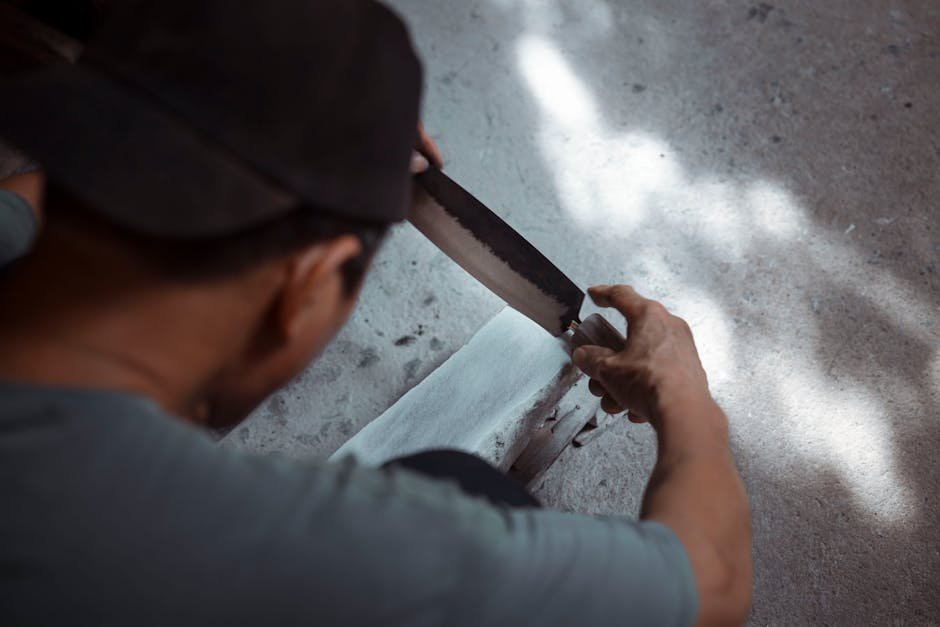
Are you tired of your hand plane blades losing their sharpness just when you need them the most? Maintaining these essential tools doesn’t have to be a daunting task.
With the right tips and tricks, you can extend the life of your blades and ensure they perform at their best. Imagine the satisfaction of effortlessly gliding your plane across a piece of wood, achieving a smooth finish without the struggle.
This article is crafted to guide you through simple yet effective techniques that can transform your woodworking experience. Get ready to unlock the secrets to sharper, more durable hand plane blades and take your craftsmanship to a new level. Stay with us, and discover how a few maintenance habits can make all the difference.
Choosing The Right Blade
Choosing the right blade is important for good hand planing results. The blade affects how smooth and accurate your cuts are.
Knowing about blade types, materials, and sizes helps you pick the best one for your project. This guide will explain these key points.
Types Of Hand Plane Blades
There are several types of hand plane blades. Each type fits a different kind of plane and work style.
- Standard Blade:Used in most bench planes. Good for general smoothing and trimming.
- Block Plane Blade:Smaller and angled differently. Best for trimming edges and small cuts.
- Scraper Blade:Used to remove fine shavings and smooth surfaces without tear-out.
- Specialty Blades:Designed for specific tasks like rabbet or shoulder planes.
Material Considerations
Blade material affects how long the blade stays sharp and how easy it is to sharpen. Most blades are made from steel.
- High Carbon Steel:Sharpens easily and holds an edge well. Needs care to avoid rust.
- Tool Steel:Very hard and durable. Keeps sharp edges longer but is harder to sharpen.
- Stainless Steel:Resists rust but can be harder to sharpen and may lose edge faster.
Blade Sizes And Uses
Blade size varies by the plane type and the work you want to do. Using the right size helps you work efficiently.
| Blade Size | Common Use |
|---|---|
| 1 1/2 to 2 inches | Small block planes for trimming and fine work |
| 2 1/2 to 3 inches | Bench planes for smoothing and general planing |
| 3 1/2 inches and larger | Specialty planes for wide cuts or rough work |
Credit: www.familyhandyman.com
Sharpening Techniques
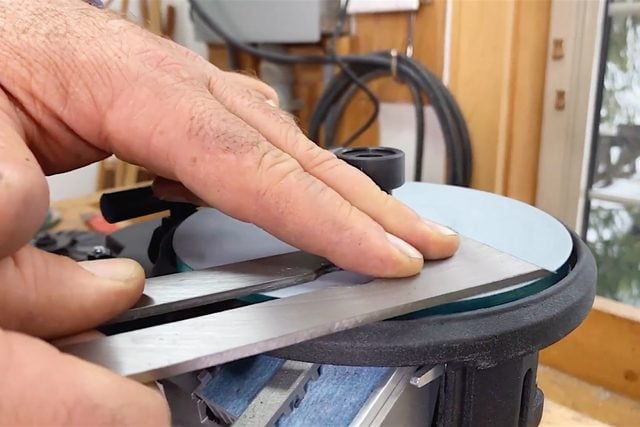
Keeping hand plane blades sharp is key for smooth woodworking. Good sharpening makes blades cut cleanly and last longer.
Learn simple ways to sharpen your blades. Proper care keeps your tools ready for any project.
Using A Sharpening Stone
Start sharpening with a quality sharpening stone. Wet the stone before use to reduce friction and heat.
Move the blade evenly over the stone in smooth strokes. Keep the entire blade flat on the stone to sharpen evenly.
- Use coarse grit first to fix dull edges
- Switch to fine grit for a smooth finish
- Keep the stone wet during sharpening
Maintaining The Correct Angle
Hold the blade at the right angle to sharpen well. Most hand plane blades need about a 25 to 30-degree angle.
Keep this angle steady during each stroke. Tilting too much can ruin the blade edge or remove too much metal.
- Use angle guides if you need help
- Check your angle often while sharpening
- Practice on old blades to get a feel
Honing For A Razor Edge
After sharpening, hone the blade to make it extra sharp. Honing polishes the edge and removes tiny burrs.
Use a leather strop or fine honing stone. Pull the blade gently across the strop, keeping the angle steady.
- Hone regularly to keep edges sharp longer
- Use light pressure to avoid cutting the strop
- Check sharpness by carefully feeling the edge
Cleaning And Rust Prevention
Keeping your hand plane blades clean helps them work better. Rust can damage blades and make them dull quickly.
Regular care stops rust and keeps blades sharp for a long time.
Removing Debris And Resin
After use, clean the blade to remove wood chips and sticky resin. Use a soft cloth or brush to wipe the blade.
- Use mineral spirits to dissolve resin build-up.
- Wipe the blade with a dry cloth after cleaning.
- Do not use harsh tools that can scratch the blade.
Applying Protective Coatings
Applying a thin protective layer stops moisture from causing rust. Use light oils or wax to coat the blade.
| Coating Type | Benefits |
| Light machine oil | Easy to apply and prevents rust |
| Paste wax | Provides a strong barrier and shines blade |
| Silicone spray | Quick drying and water-resistant |
Proper Storage Methods
Store blades in a dry place to avoid rust. Keep them away from moisture and dust.
- Wrap blades in oil-soaked cloth or paper.
- Place blades in a sealed container or toolbox.
- Keep blades separate to avoid damage.
Credit: www.familyhandyman.com
Blade Adjustment Tips
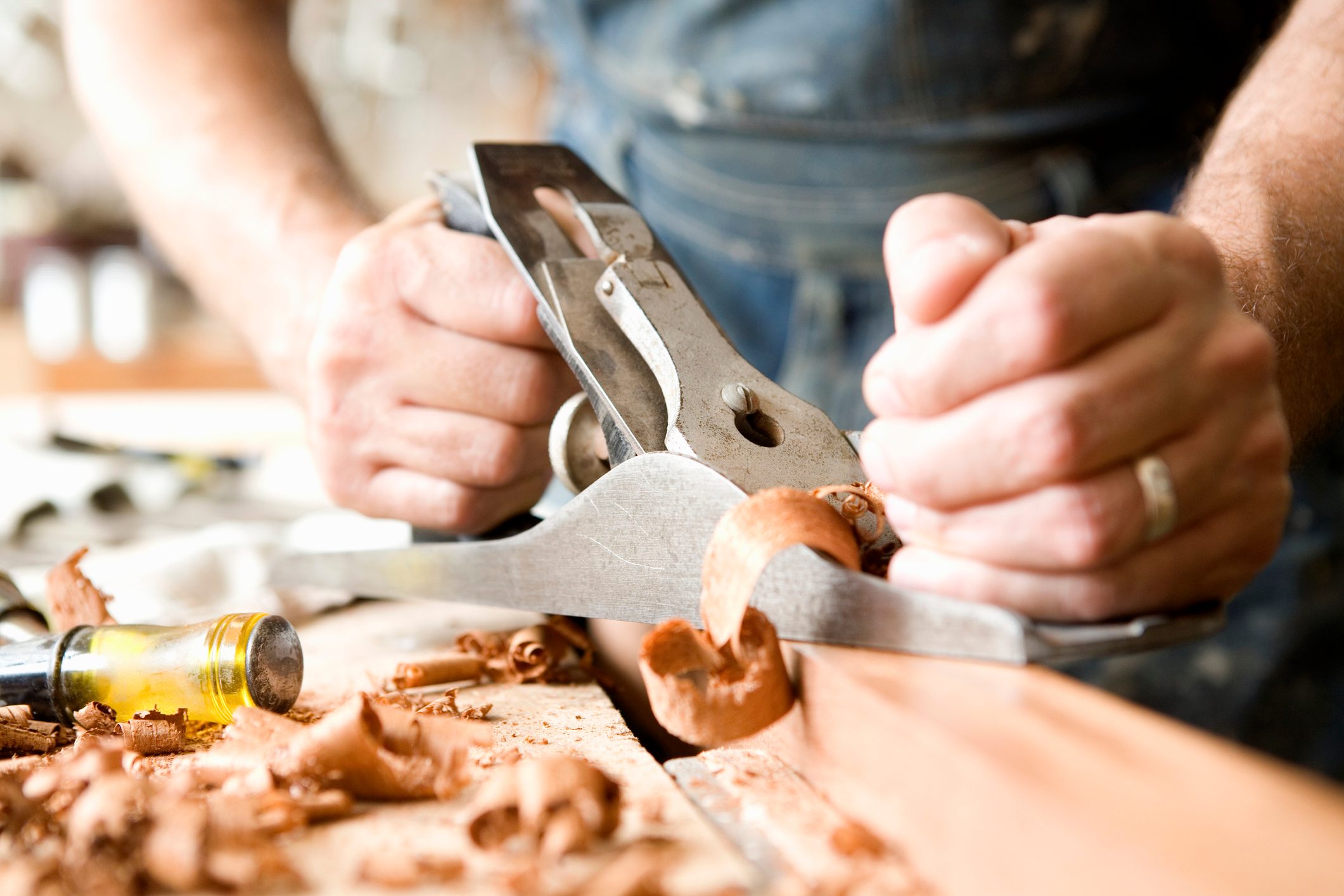
Keeping your hand plane blade adjusted correctly is key to good woodworking. Proper blade settings make your cuts smooth and even.
This guide covers how to set the blade depth, align it properly, and test for smooth cutting results.
Setting The Depth Correctly
The blade depth controls how much wood the plane removes. Set it too deep, and the cut will be rough and hard to push.
Start with a shallow depth and increase slowly until you get thin, even shavings. This helps avoid tearing the wood.
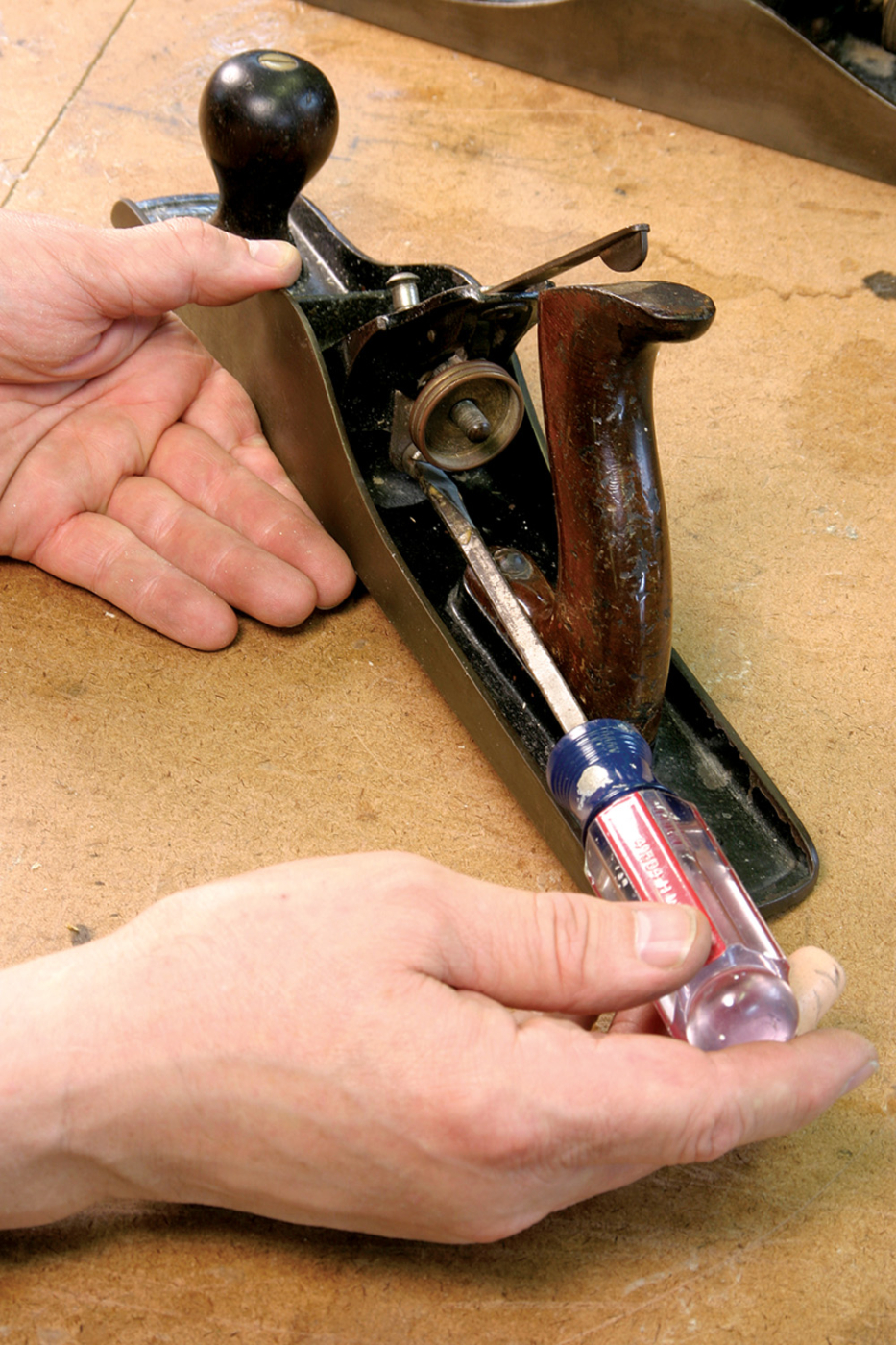
- Loosen the depth adjustment knob
- Move the blade forward or backward
- Tighten the knob and test on scrap wood
- Adjust until the shaving is thin and smooth
Aligning The Blade
The blade must be straight and parallel to the sole of the plane. If it is not aligned, the cut will be uneven or cause chatter marks.
Check alignment by looking at the blade edge from the front. Adjust the lateral lever to center the blade evenly across the mouth.
- Loosen the lateral adjustment lever
- Move the blade left or right to align
- Center the blade edge over the mouth
- Tighten the lever to lock the position
Testing For Smooth Cuts
After setting depth and alignment, test the blade on a piece of scrap wood. The cut should feel smooth and the shaving should be continuous.
If the plane skips or tears the wood, adjust the depth or alignment again. Repeat testing until you get a clean cut.
- Plane a scrap wood surface
- Observe the shaving quality
- Check for smooth, even shavings
- Re-adjust if cut is rough or uneven
Handling And Storage Practices
Maintaining hand plane blades ensures their sharpness and longevity. Proper handling and storage protect the blades from damage and rust.
Follow simple habits to keep your blades in top condition for woodworking tasks.
Safe Handling Procedures
Always handle blades carefully to avoid injury and blade damage. Use a firm grip and keep fingers away from the sharp edge.
- Wear cut-resistant gloves when cleaning or sharpening.
- Hold the blade by the sides, not the edge.
- Use a blade guard or cover during transport.
- Avoid dropping or banging blades on hard surfaces.
Storage Environment Tips
Store blades in a dry, clean place to prevent rust and corrosion. Keep blades away from humidity and dust.
| Storage Condition | Recommended Practices |
|---|---|
| Humidity | Use silica gel packs or dehumidifiers in storage areas |
| Temperature | Keep blades at room temperature away from heat sources |
| Protection | Store blades in wooden racks or padded cases |
| Cleanliness | Wipe blades clean before storage to remove oil and dirt |
Regular Maintenance Schedule
Set a regular schedule to check and maintain your blades. This helps keep the edges sharp and rust-free.
- Inspect blades weekly for nicks or rust spots.
- Sharpen blades using a whetstone or sharpening system monthly.
- Apply a light coat of oil after cleaning to prevent rust.
- Replace or repair damaged blades promptly.
Credit: www.popularwoodworking.com
Troubleshooting Common Issues
Hand plane blades need regular care to work well. Small problems can cause big issues in your woodworking. Fixing these problems keeps your tools sharp and ready.
This guide helps you solve common blade troubles. It covers chipped edges, uneven cuts, and blade rust. Follow these tips to keep your blades in top shape.
Dealing With Chipped Edges
Chipped edges make your blade cut poorly. You can fix chips by carefully sharpening the blade. Use a fine sharpening stone to smooth out the damaged area.
- Inspect the blade for chips before use.
- Start sharpening with a coarse stone for deep chips.
- Use a fine stone to polish and refine the edge.
- Check the blade edge with your finger for smoothness.
Fixing Uneven Cuts
Uneven cuts can happen if the blade is not set right. The blade might be tilted or dull. Adjust the blade depth and sharpen it evenly for smooth cuts.
| Issue | Cause | Solution |
| Blade too deep | Rough, thick shavings | Reduce blade depth |
| Blade tilted | Uneven surface cut | Align blade parallel to sole |
| Dull blade | Blade drags and tears wood | Sharpen blade edge |
Addressing Blade Rust
Rust weakens the blade and ruins the finish. Keep blades dry and clean. Remove rust quickly to avoid damage.
Follow these steps to remove rust:
- Wipe the blade with a cloth soaked in vinegar.
- Use fine steel wool to scrub rust spots gently.
- Rinse and dry the blade completely.
- Apply a thin layer of oil to protect the blade.
Frequently Asked Questions
How Often Should I Sharpen Hand Plane Blades?
Sharpen hand plane blades whenever they lose cutting efficiency. Regular use may require sharpening every few weeks. Inspect edges for dullness to maintain smooth, clean cuts and better woodworking results.
What Tools Are Best For Sharpening Hand Plane Blades?
Use sharpening stones like whetstones or diamond stones for best results. Start with coarse grit, then move to finer grits. Honing guides can help maintain consistent blade angles during sharpening.
How Do I Prevent Rust On Hand Plane Blades?
Keep blades dry and clean after each use. Apply a thin coat of oil or rust inhibitor to protect metal surfaces. Store blades in a dry, safe place to avoid moisture exposure.
Can I Sharpen Hand Plane Blades Without Removing Them?
Yes, you can sharpen blades in place using sharpening jigs or stones. However, removing blades allows better control and thorough sharpening. Choose the method based on your comfort and tool setup.
Conclusion
Maintaining hand plane blades keeps your tools sharp and ready. Clean blades often and sharpen them regularly for best results. Store blades carefully to avoid damage or rust. Check blades for chips or dull spots before each use. Simple care saves time and improves your woodworking.
Small habits lead to better cuts and longer tool life. Keep your blades sharp, and your work stays smooth. Good maintenance helps you work with ease and confidence.